REVIEW · BERLIN
Berlin: Private Sightseeing Tour in an E-Rickshaw
Book on GetYourGuide →Operated by Rikschakalaka · Bookable on GetYourGuide
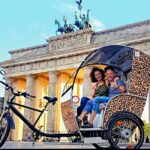
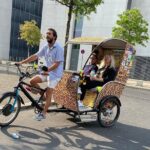
If Berlin feels like a blur, this fixes it fast. A private e-rickshaw tour turns a big city into a calm, photo-friendly loop with history talks built in.
I especially like two things: the guide-led history talks that explain what you’re seeing (scale, architecture, and how old and new Berlin connect), and the relaxed, private pace that lets you stop for pictures whenever you want.
One thing to plan around: the ride has height and mobility limits (including wheelchair/size constraints), so it’s not the best fit if you’re taller than 1.95m or need a larger wheelchair setup.
In This Review
- Key highlights you’ll actually feel on the ride
- Why an e-rickshaw works so well in central Berlin
- Meeting at the World Time Clock on Alexanderplatz
- Nikolaiviertel: old-town atmosphere and a smart first photo stop
- Humboldt Forum and Museum Island: Berlin at its most “big brain”
- Bebelplatz: short stop, big meaning
- Gendarmenmarkt break time: where the tour slows down on purpose
- Checkpoint Charlie: the photo stop that carries weight
- Parochialkirche: quieter atmosphere, older threads
- Drop-off choices: end near where your next plan already is
- Price and value: $211 for up to 2 people makes sense if you hate transit fatigue
- What’s included (and what you’ll still pay for)
- Who this tour fits best
- Guided by Matthias: what his style seems to do for the tour
- A few practical tips to get the best photos
- Should you book this Berlin e-rickshaw tour?
- FAQ
- How long is the Berlin private sightseeing tour in an e-rickshaw?
- What group size is this tour for?
- Where do we meet?
- Can I request a hotel pickup or change the drop-off location?
- Are museum tickets included?
- What languages is the live guide available in?
- What are the accessibility limits for this ride?
Key highlights you’ll actually feel on the ride
- Private pace, not a cattle-car sprint: you move through the center at a comfortable rhythm.
- Alexanderplatz as your anchor: the World Time Clock makes meeting simple and sightseeing easy.
- Photo stops built into almost every block: you’re not rushed past the good angles.
- Old Town meets New Town: the talk connects neighborhoods and architecture, not just dates.
- Dessert + break time in a major square: Gendarmenmarkt is more than a quick glance.
- Choose where you end up: drop off can be at key points or another city location.
Why an e-rickshaw works so well in central Berlin
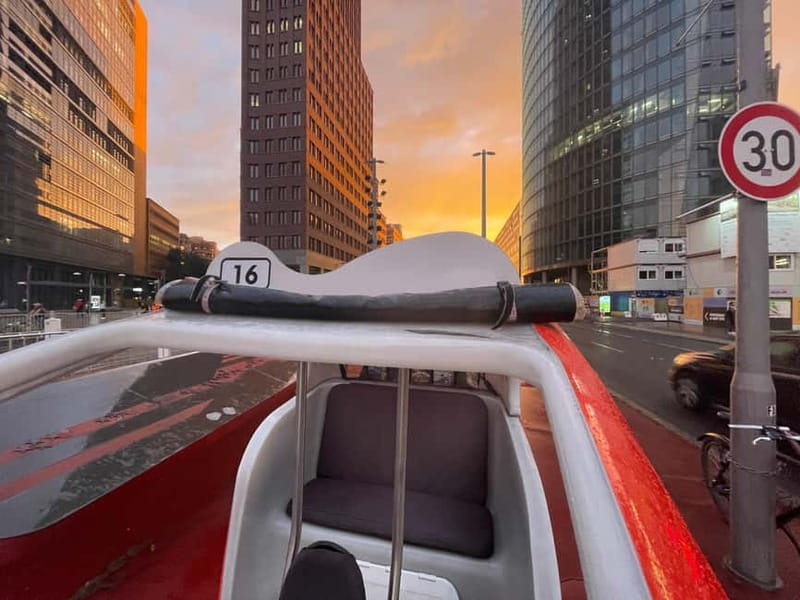
Berlin covers ground. Even if you’re fit, walking between Alexanderplatz, Museum Island, and Checkpoint Charlie can eat your day. That’s where an e-rickshaw shines: it keeps you moving without the “we’re late” energy that group buses bring.
The private setup matters. You’re not stuck with the guide’s script for strangers. Your route is a proposal, and you can ask for special interests or a different start point (as long as you message ahead). The result is a tour that feels like you’re getting local orientation, not just checking landmarks off a list.
And yes, you’ll take photos. The plan is built around frequent stopping points, so you can get views from the street level where Berlin really tells its story.
You can also read our reviews of more tours and experiences in Berlin.

Meeting at the World Time Clock on Alexanderplatz
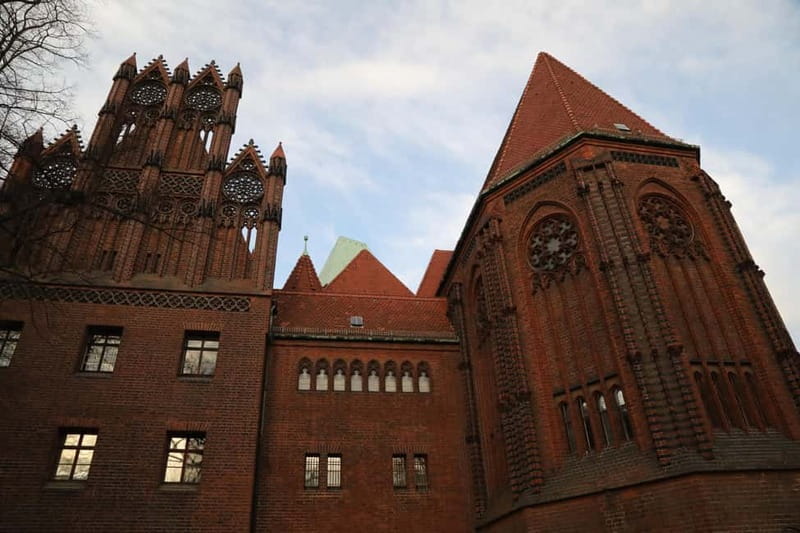
You start where Berlin feels most “city”: the World Time Clock on Alexanderplatz. It’s a practical meeting point, and it also works as a quick warm-up because you’re right in the middle of the action.
The meeting logic is simple. If you prefer a different starting area, you can also start in Nikolaiviertel. But if you’re unsure, Alexanderplatz keeps things straightforward and minimizes “where are you?” stress in a busy central zone.
Nikolaiviertel: old-town atmosphere and a smart first photo stop
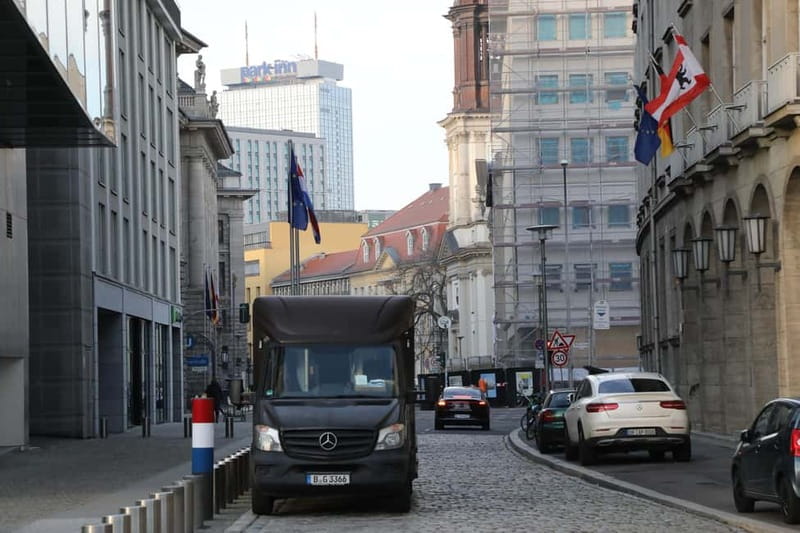
Nikolaiviertel is a strong opening choice because it gives you an immediate sense of “where Berlin’s story began.” You’ll do a photo stop and a guided look here, with about 20 minutes to take it in.
This is the part of the tour where the history talk starts doing real work. Instead of treating the neighborhood like a postcard, the guide explains the significance of the old-town setting and how the city developed around it. You get the feeling of Berlin as a lived-in place with layers—not a museum you sprint through.
Practical note: start thinking about your photo style now. If you want wide views, ask early for stops that face the squares and streets. If you want details, your guide can time pauses so you catch the architecture cleanly.
Humboldt Forum and Museum Island: Berlin at its most “big brain”
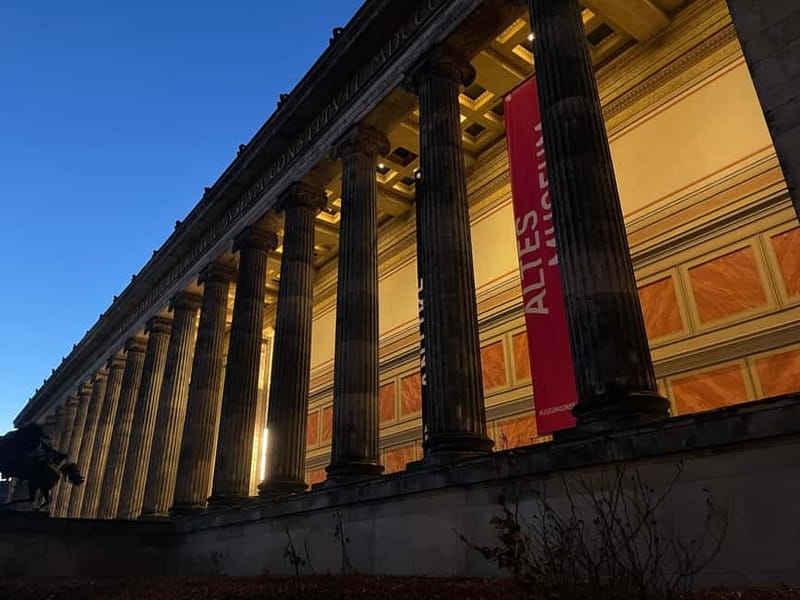
Next up is the Humboldt Forum for a photo stop, then a visit and passing by in that area (about 20 minutes). This is a strong transition point: you’re moving from a more historic-feeling neighborhood into a zone tied to modern cultural identity and major architecture.
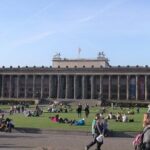
Then you roll into Museum Island for a photo stop and sightseeing pass-by (again about 20 minutes). Museum Island is one of those places where the buildings do half the explaining. The guide’s job here is to connect what you’re seeing to the city’s scale—how Berlin organizes its grand civic spaces and why this area matters so much.
You also get a tour benefit here that’s hard to replicate solo: someone points out what looks important even when you don’t know the names. That means you can enjoy the symmetry, views, and locations without having to research everything before you arrive.
If you’re the type who loves architecture, this stretch is a highlight. If you’re more focused on political or social history, the guide can steer the talk toward Berlin’s “why” rather than just its “what.”
Bebelplatz: short stop, big meaning
Bebelplatz is a smaller moment on paper—about a 10-minute photo stop—but it’s the kind of place where short can still mean powerful. You’ll roll up, pause for photos, and move on.
This stop works because it resets your attention. After big cultural spaces like Museum Island, Bebelplatz can feel like a palate cleanser: less to scan, more to reflect on. Even if you’re not a museum person, you’ll probably appreciate having someone explain why this kind of square mattered.


Gendarmenmarkt break time: where the tour slows down on purpose
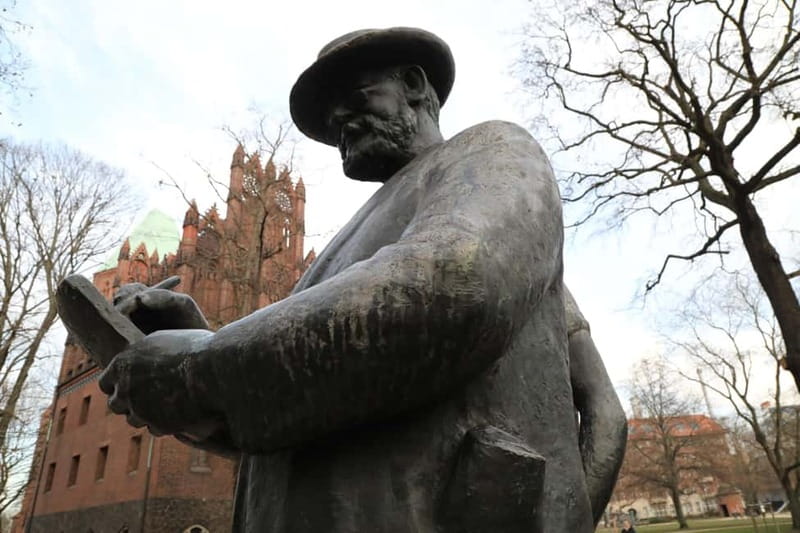
Then comes Gendarmenmarkt, with about 20 minutes that includes a break. You’ll do a photo stop and sightseeing, but the best part is the time to breathe: you get free time plus dessert and chances for local snacks.
This isn’t just “let’s stop for food.” It’s smart pacing. Berlin’s top sights can stack fast. A deliberate break keeps the afternoon from feeling like a checklist and makes the photos better too—less rushing, better angles, more relaxed faces in your shots.
Gendarmenmarkt itself is visually memorable, so it’s a good spot to step off the path and look around. If you’re picky about what you eat, use the free time to grab something quick and keep the tour energy going.
Checkpoint Charlie: the photo stop that carries weight
Next, you’ll hit Checkpoint Charlie for a photo stop and sightseeing (about 20 minutes). This is one of Berlin’s most recognized Cold War-era points, so your guide’s context matters.
The value here is not just “see the sign.” It’s how the guide frames what this place represents in Berlin’s divided-history story—what changed, what stayed, and why this area remains such a strong reference point even today.
If you’re sensitive to heavy history topics, you’ll probably appreciate having the talk adjust to your comfort level. Since the tour is private, your guide can keep it informative without turning it into an information overload.
Parochialkirche: quieter atmosphere, older threads
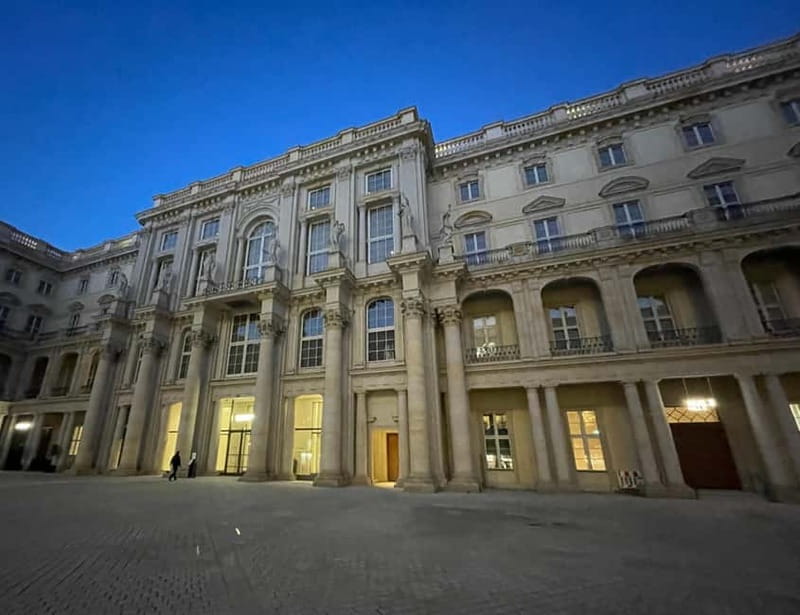
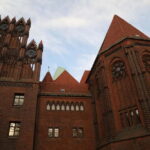
Finally, you’ll visit Parochialkirche with a photo stop, then visit and sightseeing (about 20 minutes). This stop feels different from the headline monuments. It’s more about atmosphere and place—how Berlin’s older religious architecture sits inside the modern city.
This is where the tour’s “old town meets new town” promise starts to feel complete. Earlier you get the grand civic and cultural framing. Here, you get something more grounded and human-scale, even when you’re still in central Berlin.
The guide can use this stretch to tie the narrative together: how Berlin’s identity shifted over time and how different eras leave marks that you can still spot if someone points them out.
Drop-off choices: end near where your next plan already is
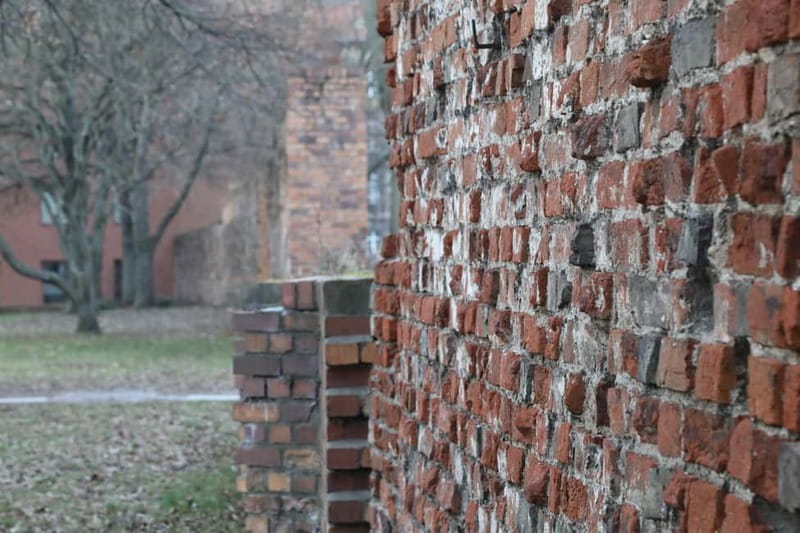
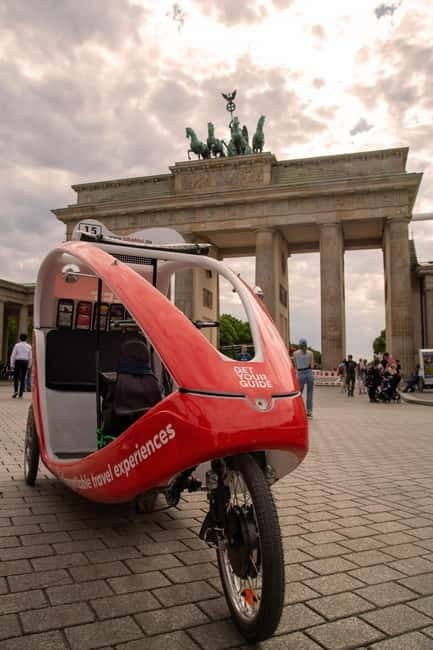
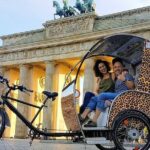
By default, you can do a round-trip ending back near the World Clock. But you can also choose drop-off options like Potsdamer Platz, Brandenburg Gate, or the Weltzeituhr area.
Even better: you can pick any drop-off location in the city (no extra charge), and your guide will adjust. That’s a simple quality-of-life upgrade. If you’re heading to a museum, a restaurant, or a train station, this helps you avoid turning your evening into transit math.
Price and value: $211 for up to 2 people makes sense if you hate transit fatigue
The price is $211 per group up to 2, for 150 minutes. That sounds steep until you calculate what you’re actually buying:
- You’re paying for a private guide plus a vehicle that reduces walking time between far-apart sights.
- You get a built-in structure with photo stops, history talk, and customization.
- You can request pickup/drop-off in the city center, with small extra charges for hotel pickup if you want it.
If you’re traveling as a duo, the per-person cost becomes easier to digest. Also, the format saves time. In a city like Berlin, time is usually the scarcest resource, not money.
If you’re solo, it’s still a good value if you care about comfort and you want a tailored route. Just be honest about what you value more: lower cost via public transport, or a smoother, guided ride where you don’t have to plan every transfer.
What’s included (and what you’ll still pay for)
Included features are straightforward:
- History talk and guide-led sightseeing
- Photos stopping points throughout
- Round-trip sightseeing
- Pickup/drop-off anywhere in the city center upon request (with note about small extra charge for hotel pickup)
- Drinks are available for an additional cost
What’s not included:
- Museum tickets
That’s common for city tours, but it affects planning. If you want to step into museums you care about, you’ll likely need tickets separately. The good news is that the tour includes passes and visits at selected spots, so you can still get plenty of value even if you skip museums.
Also, the experience includes a note about skipping the ticket line. Since museum tickets themselves aren’t included, think of this as help with entry where applicable, not a free museum day pass.
Who this tour fits best
This is a strong choice if:
- You want a private way to see central Berlin without juggling subway directions.
- You care about historical context, not just photos.
- You enjoy a guide who can adjust the route to your interests.
It may be less ideal if:
- You need a larger wheelchair than the foldable type mentioned.
- You’re taller than 1.95m.
- You’re bringing small children (it’s not suitable for children under 4).
The key is that the ride feels best when you can comfortably get in and out and enjoy a steady, seated pace.
Guided by Matthias: what his style seems to do for the tour
From what I’ve seen people praise about this experience, the guide—often Matthias—does two things especially well: he’s pedagogic (explains things clearly) and he’s attentive to what you personally want out of Berlin.
That combination matters. Berlin history can feel like a wall of dates if you don’t get it translated into stories. A guide who’s good at connecting architecture, scale, and events helps you walk away with an actual mental map.
People also call out that he’s friendly and even funny. In a city where some history is heavy, that lightness helps the tour stay enjoyable without turning the facts into a joke.
A few practical tips to get the best photos
- Dress for street-level shooting. You’ll be stopping in public squares and along sidewalks, not in quiet indoor vantage points.
- Tell your guide your photo goal early: landmarks, architecture details, or street scenes.
- If you have a must-see spot after the tour, plan your drop-off request in advance so you land near your next stop.
This tour is built around stopping. Use that time well and you’ll leave with photos that feel like Berlin, not just generic travel shots.
Should you book this Berlin e-rickshaw tour?
Book it if you want a private, comfortable way to cover central highlights in a single 150-minute window, with a guide who explains the story behind the stops. It’s especially worth it if walking all day would drain you or if you want your route tailored to your interests.
Skip it (or rethink it) if you need accessibility setups beyond what’s described, or if you want a heavy museum day with lots of ticketed entry. Since museum tickets aren’t included, you’ll still need to budget for that separately.
If your goal is to get oriented fast, understand Berlin’s layers, and get great photos without rushing, this tour is a smart bet.
FAQ
How long is the Berlin private sightseeing tour in an e-rickshaw?
The tour lasts 150 minutes.
What group size is this tour for?
It’s a private group, priced for a group up to 2 people.
Where do we meet?
You meet at the World Time Clock on Alexanderplatz.
Can I request a hotel pickup or change the drop-off location?
Pickup and drop-off anywhere in the city center are possible upon request. Hotel pickup has a small extra charge. The drop-off can be back at the World Clock (round-trip) or you can choose a different drop-off location in the city.
Are museum tickets included?
No. Museum tickets are not included.
What languages is the live guide available in?
The guide is available in German, English, and French.
What are the accessibility limits for this ride?
It isn’t suitable for wheelchairs bigger than a standard foldy (a foldy can be carried folded up). You also should not be taller than 1.95m.