REVIEW · KAMAKURA
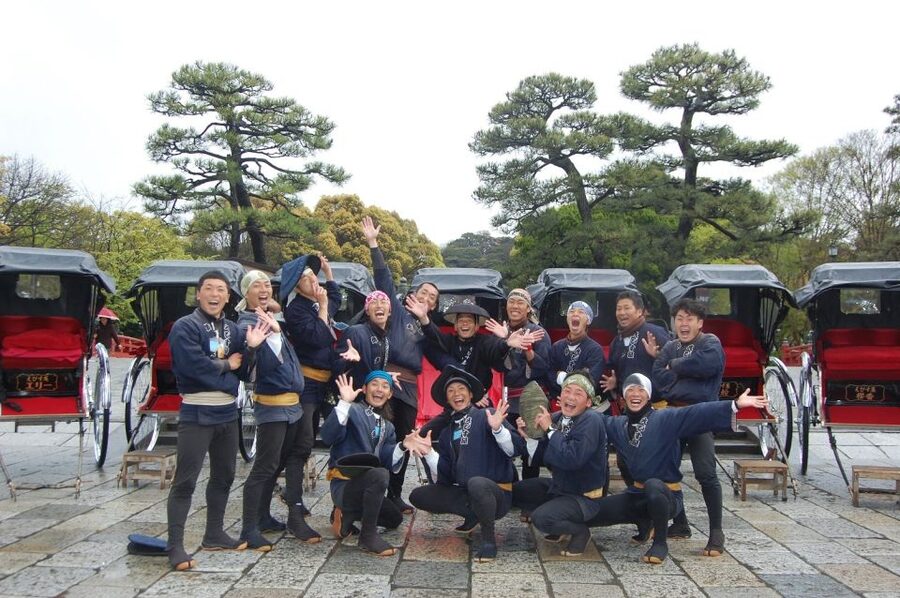
Kamakura: Private History and Heritage Tour by Rickshaw
Book on GetYourGuide →Operated by Ebisuya Rickshaw · Bookable on GetYourGuide
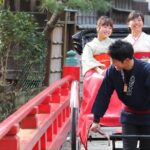
A rickshaw ride makes Kamakura feel personal. I love the close-up Great Buddha Statue time and the crisp Tsurugaoka Hachimangu viewpoint photos, and the main drawback is the seating: if your back is touchy, you’ll likely prefer a shorter option.
This tour is private and customizable, so you can pace it to your interests while still hitting the big heritage hits. You’ll also get organized photo stops plus a small souvenir, but you’ll want comfy shoes since you still do walking at each site.
In This Review
- Key highlights I’d plan around
- Why Kamakura Works So Well by Rickshaw
- Meeting Point: Finding Your Guide Near Hachimangu
- Choosing Your Tour Length: 45 Minutes to a Full Heritage Loop
- 45-minute center-town loop
- 1 hour 10 minutes: add Hokokuji Temple gardens
- 2 hours 10 minutes: reach the shrine and meet the Great Buddha
- 3 hours 10 minutes: the full mix
- Otori Gate and the Streets That Feel Samurai-Old
- Tsurugaoka Hachimangu Shrine Views and Photo Time
- Hokokuji Temple Gardens: The Calm Break You’ll Be Glad For
- Daibutsu Close-Up: More Than Just a Statue
- Rickshaw Comfort, Space, and Who This Fits
- Guide Style: Private Pace, Real Explanations, and Photo Stops
- Value: How the $51 Price Works for Your Day
- Should You Book This Kamakura Rickshaw Tour?
- FAQ
- How long is the Kamakura private rickshaw tour?
- Where do we meet the guide?
- Is this tour private?
- What’s included in the price?
- What isn’t included?
- Are selfie sticks allowed?
- Is the tour wheelchair accessible?
- How many people can ride in one rickshaw?
- What language are the guides?
- Is it a good idea for everyone?
Key highlights I’d plan around
- Private, customizable rickshaw lets you set the pace and focus your interests.
- Great Buddha Statue is part of the longer options for a truly up-close feel.
- Tsurugaoka Hachimangu Shrine views come with built-in photo time.
- Hokokuji Temple gardens are included on the 1 hour 10 minute option and up.
- Photo stops included, plus a postcard and sticker to take home.
Why Kamakura Works So Well by Rickshaw
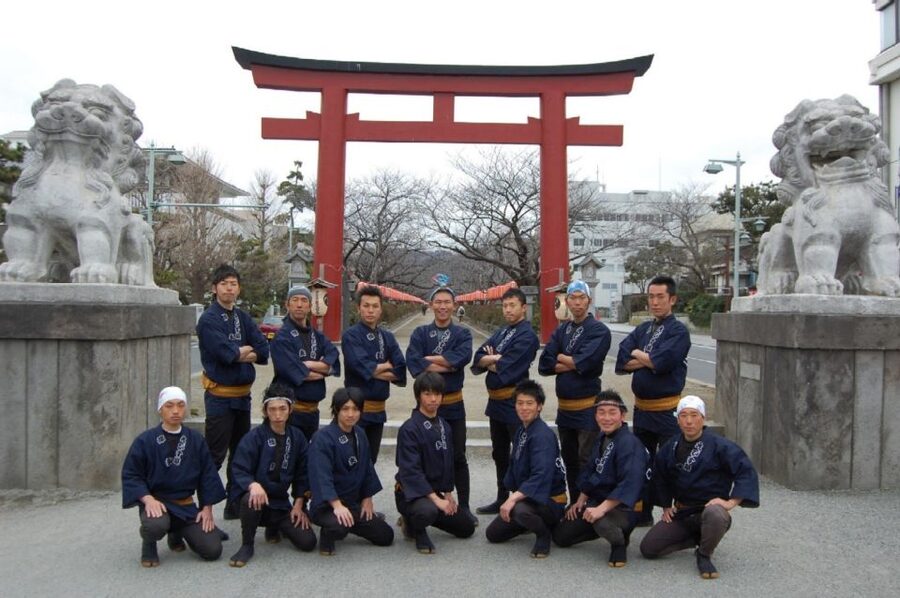
Kamakura is the rare place where history is easy to see. Shrines, temple grounds, and old street layouts sit close enough that you don’t waste your day zigzagging with buses. From a rickshaw, the city also feels like it’s flowing past you, which makes it simpler to notice the “why” behind the layout: gate to shrine, shrine to streets, then out toward major sights.
And yes, you’ll get a different perspective than on foot. You’re still sightseeing, but you’re also getting a smooth ride between landmarks. That matters in Kamakura because the experience is more about moving through layers of the town than ticking off one building after another.
If you’re short on time, you’ll like that you can pick a length that matches your energy. A 45-minute loop is enough to get your bearings. The longer options are where you start to feel like you actually covered the city’s heritage core.
Meeting Point: Finding Your Guide Near Hachimangu
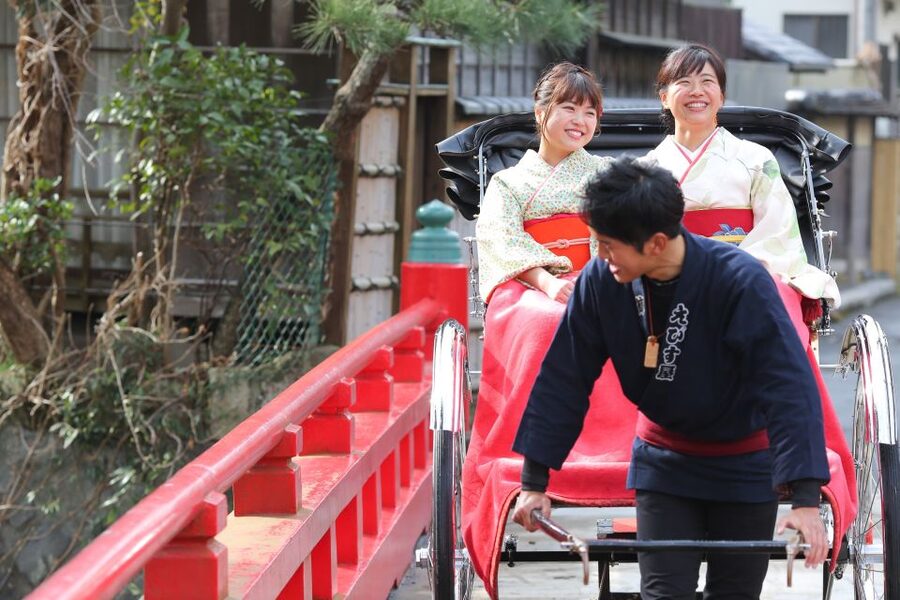
You meet your guide just outside the operator’s office building, less than 90 meters down the street from Tsurugaoka Hachiman-gu Shrine. That’s a nice setup because it keeps things simple: you’re anchored near one of the tour’s main landmarks instead of chasing a faraway pickup point.
One practical note: plan to arrive a few minutes early so you’re not stressed when you hand over time to your guide. Also, since this is a private tour, your timing is more flexible than a group bus day, but you still want to start on schedule so the later photo and walking segments don’t get rushed.
If you’re using Google Maps, the best move is to search directly for the meeting-area reference point (Tsurugaoka Hachiman-gu) and then walk the short distance to the office. The tour’s meeting point is specific enough that you can get there without a complicated scavenger hunt.
Choosing Your Tour Length: 45 Minutes to a Full Heritage Loop
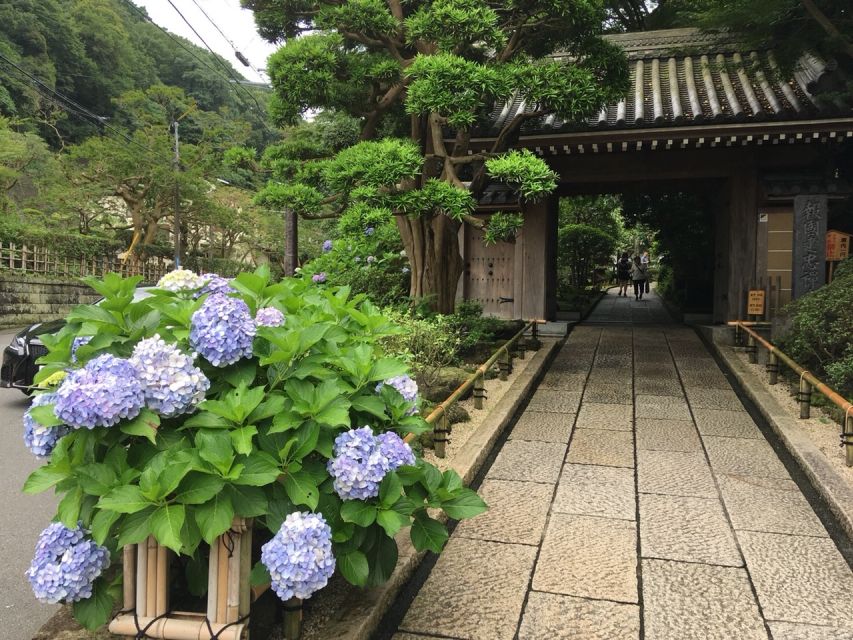
The tour comes in several time options (45 to 190 minutes), and the route structure changes with your selection. Think of the shorter tours as a fast introduction, and the longer ones as a deeper circuit with the most photo-friendly and iconic stops.
45-minute center-town loop
This is the “get oriented fast” option. Your guide leads you through the center of town, passing the Otori Gate, and then brings you to Tsurugaoka Hachimangu Shrine. After that, you return toward the station-area area via quaint side streets, with chances to pass temples that have expansive grounds.
Best for: first-timers, people who want the top highlights without committing a half-day, and anyone who doesn’t want a lot of walking.
Watch-outs: you’ll see a lot by rickshaw, but the shorter schedule means less time for lingering or deeper garden wandering.
1 hour 10 minutes: add Hokokuji Temple gardens
This option builds on the shorter route and adds a stop at Hokokuji Temple. You’ll have time to wander the famous gardens, which is a big reason this duration is popular. Gardens in Kamakura are often where the quiet, refined atmosphere really shows, and a rickshaw + guide format helps you arrive without feeling lost.
Best for: travelers who want a balance of major sights and atmosphere.
Watch-outs: you’ll want to manage your time well at the gardens so you don’t feel rushed at the end.
2 hours 10 minutes: reach the shrine and meet the Great Buddha
Now you start getting into the full “Kamakura postcard” territory. You climb up all the way to Tsurugaoka Hachimangu Shrine for city views, and the route also includes a visit to the Great Buddha Statue. Your guide also includes photo stops, so you’re not just staring at the sights, you’re taking advantage of the angles and timing.
Best for: anyone who wants the classic highlights and a scenic payoff.
Watch-outs: this is longer, so if your legs tire easily, plan your pace and use your rickshaw ride time to reset between short walking stretches.
3 hours 10 minutes: the full mix
This is the longest version and essentially includes the sights across the other options: the Otori Gate and center-town streets, Tsurugaoka Hachimangu with viewpoint time, Hokokuji Temple with garden wandering, plus the Great Buddha Statue close-up. You also get the return through side streets and temple areas, which ties the whole day together.
Best for: travelers who want the full heritage arc and don’t mind spending real time in Kamakura’s historic zone.
Watch-outs: build in mental stamina. This is a true tour day, not a quick taste.
Otori Gate and the Streets That Feel Samurai-Old
One of the tour’s strengths is that it doesn’t treat Kamakura like a single destination. It treats it like a web of places, starting right at the Otori Gate as you head through the center.
Those streets and side routes matter because they’re part of how you understand the past. The town layout and the way temples and shrine grounds expand create a sense of movement, not just a list of monuments. Even when you’re riding, you’re passing through the neighborhoods that connect major heritage stops, so the experience feels like you’re traveling through a historic corridor rather than teleporting between sites.
On the return portion, you’ll move through quaint side streets and pass temples with expansive grounds. This is a nice trick: it keeps you from feeling like you only went one direction. You get a second angle on the town and more chances to spot details your eyes might miss if everything is front-facing and quick.
Practical tip: when you see gates, courtyards, and temple entrances, ask your guide what to look for. On a private tour, you can spend an extra 30 seconds where it’s meaningful instead of wasting time everywhere.
Tsurugaoka Hachimangu Shrine Views and Photo Time
Tsurugaoka Hachimangu Shrine is the anchor for the route, and it’s also where the day turns scenic. Depending on which length you choose, you’ll pass by early on (shorter options) or climb up and enjoy the views over the city (longer options). That difference is the key: the longer tour turns the shrine stop from a visit into a viewpoint moment.
This is also where the photo stops really pay off. The viewpoint angles help you capture the shrine setting with the surrounding city in the frame. And because your tour is private, your guide can time photo breaks around your pace instead of forcing you into a fixed schedule.
I’d also watch for how your guide explains what you’re seeing. A shrine visit in Kamakura becomes more rewarding when you understand what role it plays in the area. That’s where the private format helps: you can ask questions and adjust your route focus.
If you’re serious about photos, skip the selfie stick entirely. Selfie sticks aren’t allowed on this tour, so plan to shoot with a phone hand-held or use the rickshaw and natural viewpoint angles instead.
Hokokuji Temple Gardens: The Calm Break You’ll Be Glad For
If you choose the 1 hour 10 minute option or longer, Hokokuji Temple enters the picture. You’ll have time to wander through the famous gardens, and this is the kind of stop that makes Kamakura feel like more than just famous landmarks.
Gardens work especially well on a guided rickshaw day because you’re not arriving as a stressed stampede. You get guided context, then time on your own to slow down and look. That’s important. Gardens are visual, and the best moments often come when you stop chasing the main point and instead start noticing the layers of paths, views, and design cues.
The likely drawback is simple: if you’re the type who hates meandering, gardens might feel slower than a street-and-temple sprint. In that case, the 45-minute option might fit better. But if you want a Kamakura experience with contrast, Hokokuji is the calm counterweight.
Daibutsu Close-Up: More Than Just a Statue
The Great Buddha Statue is one of those sights people remember because it changes your scale perception. On the longer options (2 hours 10 minutes and 3 hours 10 minutes), the tour includes a visit to the Daibutsu, so you don’t just view it from a distance.
Seeing it up close does two things. First, it makes the monument feel real rather than symbolic. Second, it gives you better photo angles because you’re actually positioned near the subject, not only lining it up from far away.
A private rickshaw format also helps here because you’re not stuck navigating as part of a big crowd loop. You can manage your time on the approach and at the photo moment, then move on without losing your place. That’s a subtle value: less confusion, more calm, and more time for the part you came for.
Good to know: admission fees aren’t included, so if there’s a ticket required on arrival days, you’ll need to budget for that separately.
Rickshaw Comfort, Space, and Who This Fits
This isn’t a long, open-air stroller stroll. You’ll be seated in a rickshaw that’s 21.1 inches (74 centimeters) wide. That width can matter if you’re sharing. The tour also has a maximum of 2 adults per rickshaw, plus up to 2 children aged 5 and under can ride with 2 adults (children under 5 sit on an adult’s lap). If a child under 6 needs their own seat, they must pay adult price.
So for families, it can be workable, but you’ll want to think about comfort and space. If you’re traveling as multiple adults who would feel cramped together, booking individual rickshaws can be more comfortable.
Comfort and suitability notes are important:
- Wheelchair and stroller-friendly is listed, which is a real plus for mixed mobility needs.
- It’s not recommended for expecting mothers in the first 16 weeks of pregnancy.
- It’s not suitable for people with back problems.
If you fall into the back-problem category, I’d focus on the shortest tour length option, or consider a different kind of sightseeing plan altogether. Even with a smooth ride, you’re still seated during segments.
Also note: selfie sticks aren’t allowed, so don’t plan on using one for shots.
Guide Style: Private Pace, Real Explanations, and Photo Stops
The tour runs with a live tour guide in Japanese. In practice, at least one recent tour feedback highlights a guide who was well spoken in English and Japanese, which is reassuring if you don’t read much Japanese. Still, I’d treat Japanese as the main language and prepare basic site names in your phone notes just in case.
What makes the guide role worth it is that you’re not just being moved between stops. Your guide is actively interpreting the sights: what Otori Gate represents, why Tsurugaoka Hachimangu matters, and how the route connects the city’s heritage feel. That kind of context turns a monument visit into understanding.
The photo stops are included, and they’re not just random snap moments. They help you get the angles that match each location, especially at the viewpoint parts and near major landmarks.
One name that comes up in the experience is Satoshi, described as pleasant and friendly while sharing information along the way. That’s the style you should look for: relaxed, informative, and ready to help you get the shot without turning the tour into a lecture.
Value: How the $51 Price Works for Your Day
At $51 per person, this tour lands in the “worth it if you hate hassle” category. You’re paying for a private rickshaw, an included guide, photo stops, and small take-home perks like a souvenir postcard and sticker. What you’re not paying for is transit to Kamakura, food and drinks, admission fees, and hotel pickup/drop-off.
So the value equation looks like this:
- If you want a guided, private route without coordination headaches, $51 can feel fair fast.
- If you already have a plan for public transit and you only want one or two sights, you might spend less on your own. But you’d lose the time-saving “between locations” advantage and the guided interpretation.
Also, because the itinerary is duration-based, you can match spending to your schedule. A 45-minute ride can be a smart buy if you’re using Kamakura as a day stop from elsewhere. The longer options cost the same rate per person, but you’re getting more of the major set pieces and more time for viewpoints and gardens.
Budget tip: since admission fees aren’t included, carry a little extra for site entry. The cost you pay at the counter can depend on the specific sites and rules on the day.
Should You Book This Kamakura Rickshaw Tour?
Book this if you want a private, guided way to see Kamakura’s key heritage sights with less walking stress and more photo-ready viewpoints. It’s especially compelling if you like the idea of moving through the town’s streets between temples and shrines, rather than treating each stop as an isolated photo break.
Skip or reconsider if you have back problems, are in the first 16 weeks of pregnancy, or you hate seated sightseeing. And if your must-see list is only one item (like Great Buddha only), you might save time and money with a shorter or simpler plan.
If you’re choosing between lengths, my practical advice is:
- Pick 45 minutes for orientation and a fast taste.
- Choose 1 hour 10 minutes if gardens matter to you.
- Go 2 hours 10 minutes for the Great Buddha plus shrine views.
- Pick 3 hours 10 minutes if you want the full heritage loop with the fewest compromises.
FAQ
How long is the Kamakura private rickshaw tour?
It runs for 45 minutes up to 190 minutes, depending on the tour duration you choose.
Where do we meet the guide?
Your guide waits just outside the office building, less than 90 meters down the street from Tsurugaoka Hachiman-gu Shrine.
Is this tour private?
Yes, it’s a private group tour.
What’s included in the price?
The tour includes the private rickshaw, photo stops, and a souvenir postcard and sticker.
What isn’t included?
Hotel pickup and drop-off, transportation to Kamakura, food and drinks, and admission fees are not included.
Are selfie sticks allowed?
No, selfie sticks are not allowed.
Is the tour wheelchair accessible?
Yes, it’s listed as wheelchair accessible, and it’s also stroller-friendly.
How many people can ride in one rickshaw?
Up to 2 adults per rickshaw. Up to 2 children aged 5 and under can ride with 2 adults on laps, and children who need their own seat (under 6) must pay adult pricing.
What language are the guides?
The live tour guide language is Japanese.
Is it a good idea for everyone?
It’s not recommended for expecting mothers in the first 16 weeks of pregnancy, and it’s not suitable for people with back problems.