REVIEW · TOKYO
Tokyo: Asakusa tour by rickshaw
Book on GetYourGuide →Operated by Tokyo Rickshaw · Bookable on GetYourGuide
Tokyo’s Asakusa is best seen from higher ground. This short, stress-free rickshaw ride gives you a rare ~2-meter view over crowds, plus guided photo stops where your driver helps you get great shots in front of the big sights. I also love how the guide shares local food and shop tips so you can keep exploring after the ride. One drawback: the tour is only 10 minutes, so it’s more of a fast, memorable introduction than a long walk-through.
The experience feels personal because it’s set up as a private group for up to 2, and the driver keeps the pace manageable in tight streets. If you’re traveling in hot sun, plan for a bit of waiting and watching the weather, and wear comfortable clothes because you’ll be moving through active areas.
In This Review
- Key things to know before you ride
- Why a 10-minute Asakusa rickshaw feels like a smart shortcut
- Where you meet in Asakusa (and how to avoid the usual confusion)
- The route payoff: Senso-ji and Kaminarimon from a higher, easier angle
- How the driver storytelling really changes the experience
- Photo stops that don’t feel like work
- Eating and shopping tips you can use right away
- Comfort, rules, and who this ride really suits
- Price and value: is $70 for a private 10-minute ride worth it?
- Should you book the Asakusa rickshaw tour?
- FAQ
- Where is the meeting point for the Asakusa rickshaw tour?
- How long is the rickshaw tour?
- How much does it cost?
- What languages are the drivers able to speak?
- Is smoking allowed during the tour?
- Is the tour suitable for pregnant women?
Key things to know before you ride
- About 10 minutes total, so it’s a quick hit of Asakusa highlights.
- Private group up to 2 means less waiting and more one-on-one guiding.
- ~2-meter-high views help you see over crowds without doing shoulder-to-shoulder walking.
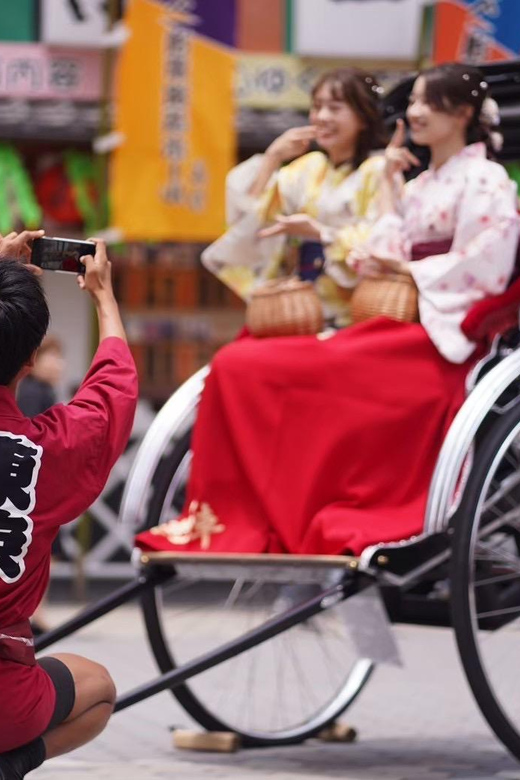
- Photo stops included, with the driver helping position and capturing shots.
- Restaurant and shop recommendations come with the ride, not after you’re tired.
- Guide languages include English, Spanish, Chinese, Japanese, and Traditional Chinese.
Why a 10-minute Asakusa rickshaw feels like a smart shortcut
Let’s be honest: Asakusa can be crowded, especially around the landmarks that people come from all over Tokyo to see. A rickshaw ride solves a very practical problem. You get lifted views, a guided route, and a calmer pace than trying to thread yourself through foot traffic while reading signs.
What makes this version of the experience work is the height. You’re roughly 2 meters up, which changes everything. A lot of your photos suddenly become cleaner because you’re not shooting over the tops of heads. And for sightseeing, seeing the street rhythm from above helps you understand where you are instead of just feeling like you’re being carried along.
Then there’s the format: it’s short. This is not a half-day outing. It’s more like a focused orientation moment. If you’re planning a day around Senso-ji Temple and Kaminarimon Gate anyway, this fills a gap: you get iconic photos and local guidance without burning your whole schedule.
Where you meet in Asakusa (and how to avoid the usual confusion)
You’ll meet at the ticket office in front of exit number 1 at Asakusa Station (Ginza Line). You can recognize the team from their uniforms, so look for that when you come up from the station.
Before you head over, have a few basics ready. The tour info specifically calls out bringing a charged smartphone, plus cash or a credit card. Even if you aren’t paying on the spot, it’s a good habit in Japan because small stops and shops run on different systems.
Also, dress for the weather. You’ll be outside and moving through street level, even if the rickshaw itself is the main ride. Sunscreen and a hat are a smart add-on for sunny days. And if you want photos, bring a camera (your phone works too, but you want it charged and ready).
One more rule that matters: no smoking in the vehicle, and no alcohol or drugs. That’s simple, but it’s worth noting because it affects the overall vibe of the ride.
The route payoff: Senso-ji and Kaminarimon from a higher, easier angle
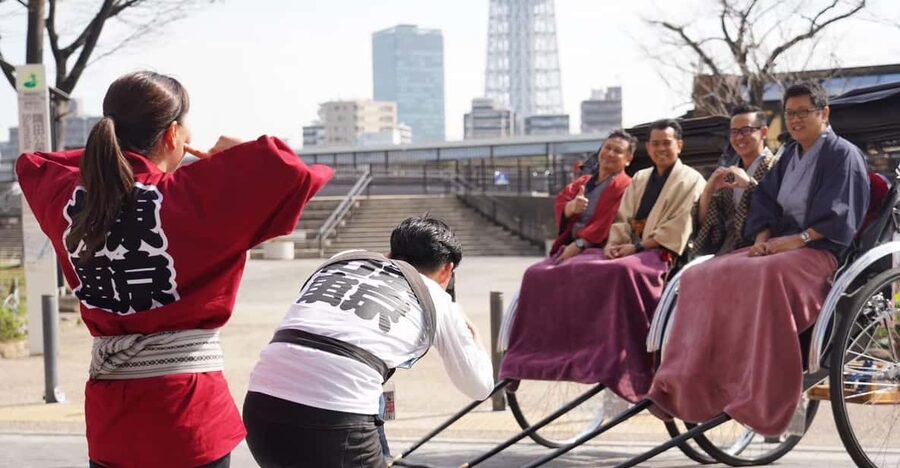
You’ll ride through the Asakusa area with a driver who guides you past the most famous landmarks—especially Senso-ji Temple and Kaminarimon Gate. The big benefit isn’t just seeing them. It’s how quickly you can connect the place you’re looking at with the story your driver tells.
Asakusa is layered. Temples and gateways draw your eyes, but the sides of the streets tell you how people actually live around these attractions. From the rickshaw height, you can catch both: the main landmark in your frame, plus the surrounding streetscape that explains the neighborhood.
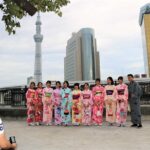
The tour includes a viewpoint photo stop. Think of it as the moment your driver chooses a good angle, helps you pause, and makes sure your photos come out well. That’s a big deal because a lot of sightseeing photos fail for one reason: you’re in the wrong spot or the lighting hits at the wrong time. Here, you get help selecting the moment.
The ride also keeps you from turning your day into a logistics problem. Instead of constantly stopping to find your bearings, you’re carried along while someone else handles direction and timing.
How the driver storytelling really changes the experience
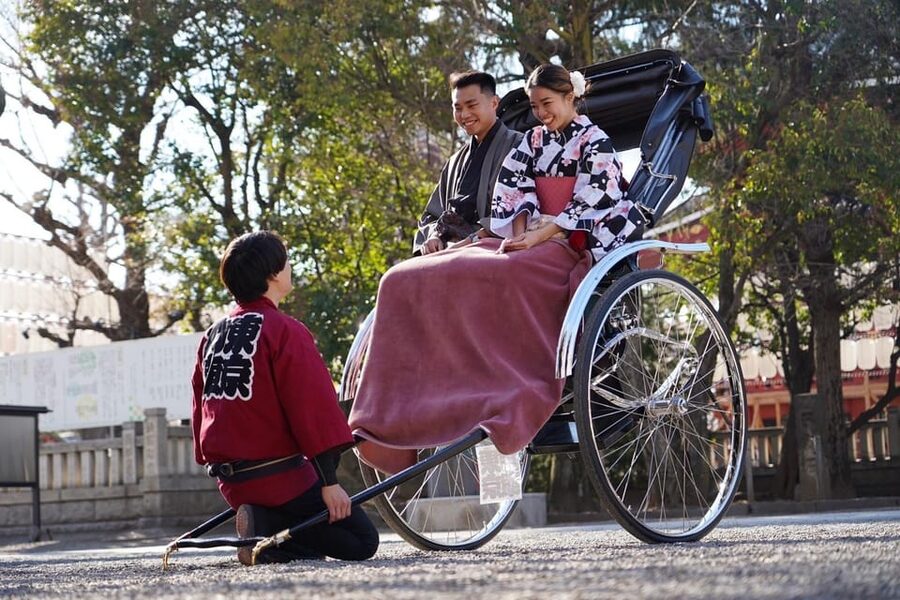
The guide isn’t just moving you from A to B. You’re there for the context. The tour is described as personable, with the driver sharing details about local heritage and what you’re seeing as you pass key sites.
In the reviews, that guidance shows up clearly. A German reviewer praised an incredibly friendly, attentive guide who told lots of interesting stories about Asakusa. Another review from Japan specifically called out a host named Nana as talkative and informative, and said the money felt well spent. That lines up with what you should expect: more than a ride, it’s a short guided conversation about what matters in the neighborhood.
You also get practical recommendations—where to eat and which shops to look for. That’s the kind of information that’s hard to find quickly on your own, especially when you only have a limited window to explore.
Language support is broad too. Drivers speak English, Spanish, Chinese, Japanese, and Traditional Chinese. If you’re nervous about your Japanese, this is a nice safety net.
Photo stops that don’t feel like work
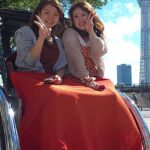
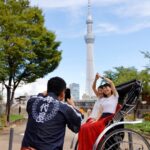
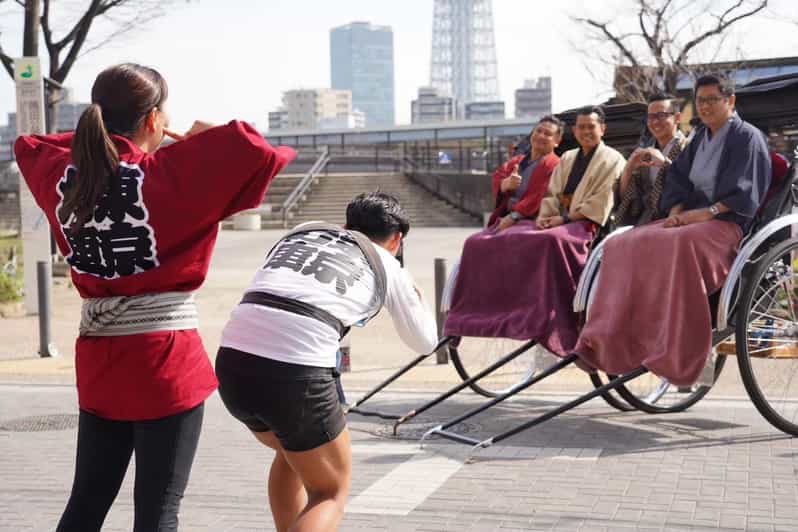
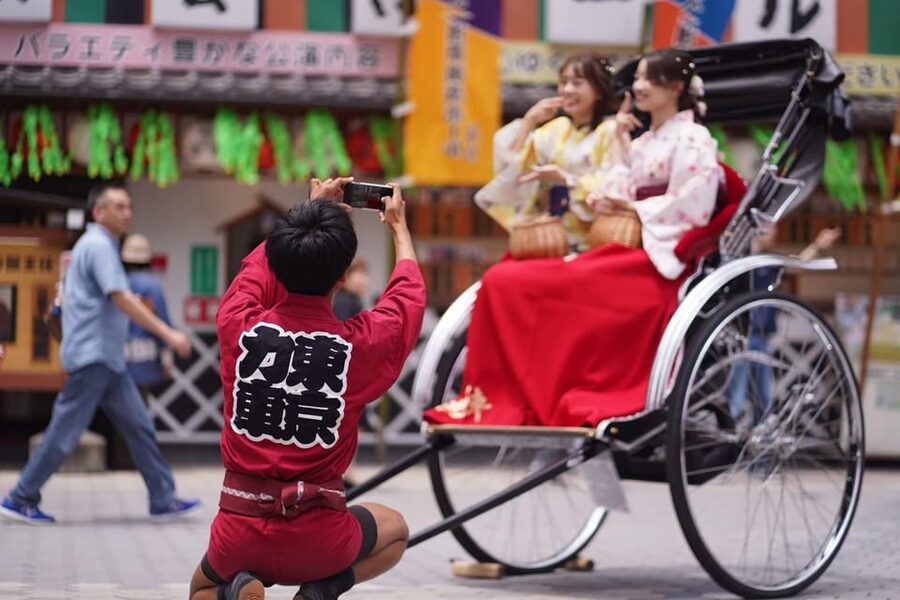
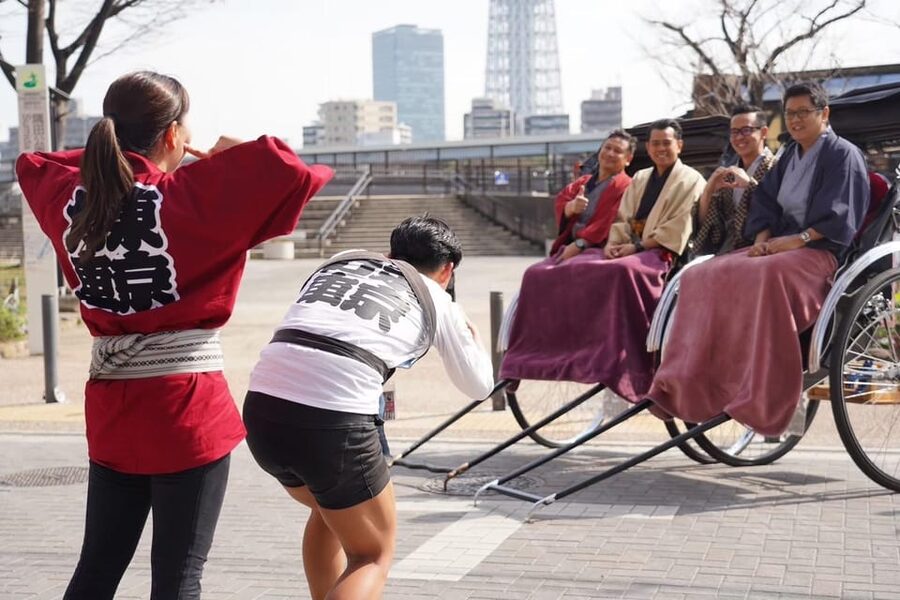
The tour includes photo opportunities, and the design is simple: you stop, you pose, and your driver helps you capture the moment. That sounds basic, but it’s exactly what makes this kind of experience valuable. You don’t need to be a photography expert. You just need to be ready when the stop happens.
The viewpoint stop is especially useful because it’s built into the plan. You’re not scrambling for an angle while other people swarm around you. Instead, the driver guides you to a spot that fits what you’re trying to photograph—an ideal setup for the photogenic rickshaw look and the landmark backdrop.
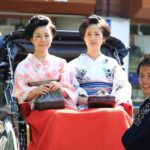
From my perspective, the best part of a rickshaw photo stop is that it adds variety. A normal walking day in Asakusa gives you temple photos, gate photos, and street photos. A rickshaw adds a different perspective—literally. You get that higher viewpoint plus a memorable vehicle presence that instantly signals Tokyo.
Also, the reviews specifically mention that the photo stops were super and that the driver helped produce really nice photos. If that’s a priority for you, this is one of those experiences where your expectations line up well with what you get.
Eating and shopping tips you can use right away
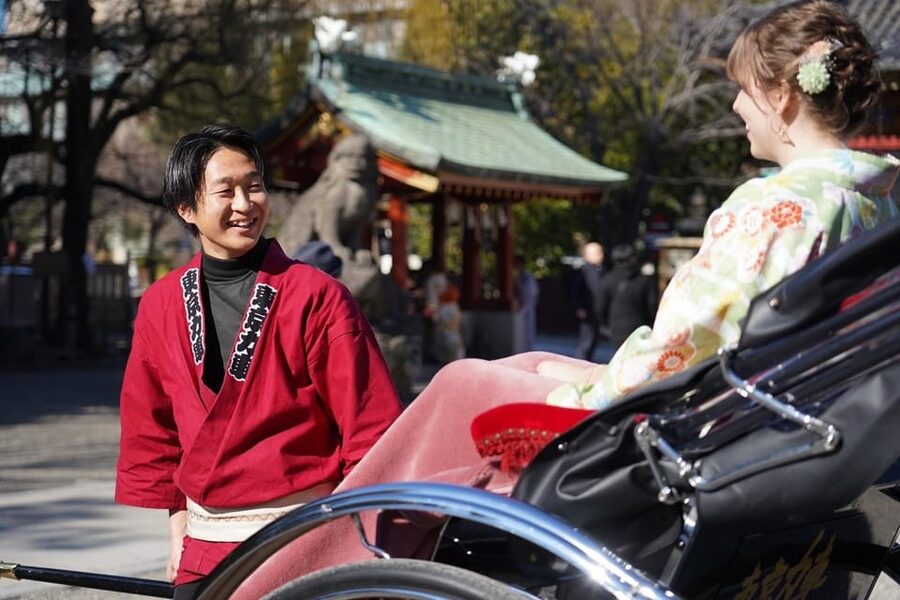
One of the most practical parts of this tour is the local recommendations. The experience includes restaurant suggestions and points you toward eateries and shops after (or during) your sightseeing flow.
This matters because Asakusa’s main streets can make it feel like every shop is trying to sell you the same thing. A good guide’s recommendations help you skip some trial and error. You’re not just collecting souvenirs—you’re planning where to put your time and hunger next.
So how should you use this? Take notes during the ride. Even a quick list in your phone helps. When you get off the rickshaw, you’ll already have a short list of places that the driver thinks are worth your attention, rather than wandering around wondering what’s good.
Comfort, rules, and who this ride really suits
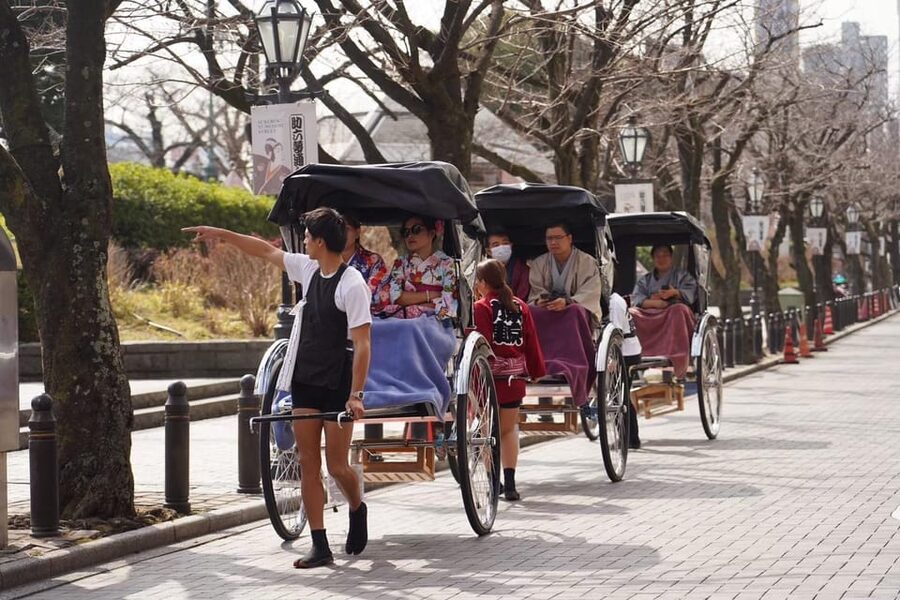
The ride is set for a private group, and the price is per group up to 2. That matters because you can treat it like a couple experience or a small family moment, not a crowded tour scrum.
One review even highlighted it as fun especially with kids. That tracks with the short duration. A 10-minute highlight stop is often easier for children than a longer walking tour where everyone’s energy slowly drains.
That said, there are real limits. The info states it is not suitable for pregnant women. If that applies, you’ll want to choose a different way to see Asakusa.
Weather can also change your comfort. You’ll be outside and exposed to whatever Tokyo is doing that day. Bring comfortable clothes and consider layers if it’s cooler. On hot days, sunscreen and a hat make a noticeable difference.
And remember the rules: no smoking in the vehicle, and no alcohol or drugs. Those are standard, but they help keep the ride calm and respectful.
Price and value: is $70 for a private 10-minute ride worth it?
The cost is $70 per group, for up to 2 people, with a duration of about 10 minutes. It’s not a budget activity. But here’s the value argument that makes sense.
First, you’re paying for perspective plus guidance in a very short window. The height (around 2 meters) plus photo stops means you’re not just paying for transportation. You’re paying for better photos, less crowd stress, and a route that’s handled for you.
Second, you get practical local tips—restaurant and shop recommendations. That’s the type of value that keeps paying off after the ride ends. A walking day can be great, but it can also waste time guessing. Here, you offload some of that decision work to the driver.
Third, it’s private. Even when something isn’t expensive, sharing attention with a bigger group can reduce how useful the guidance feels. Private for up to 2 keeps the experience personal.
When it might not be worth it: if you already love slow walking, don’t care about photos, and have plenty of time to explore without needing shortcuts, you may feel like 10 minutes is too short. But if you want an efficient, guided, photo-friendly introduction to Asakusa, this is one of the cleaner ways to spend money in a busy area.
Should you book the Asakusa rickshaw tour?
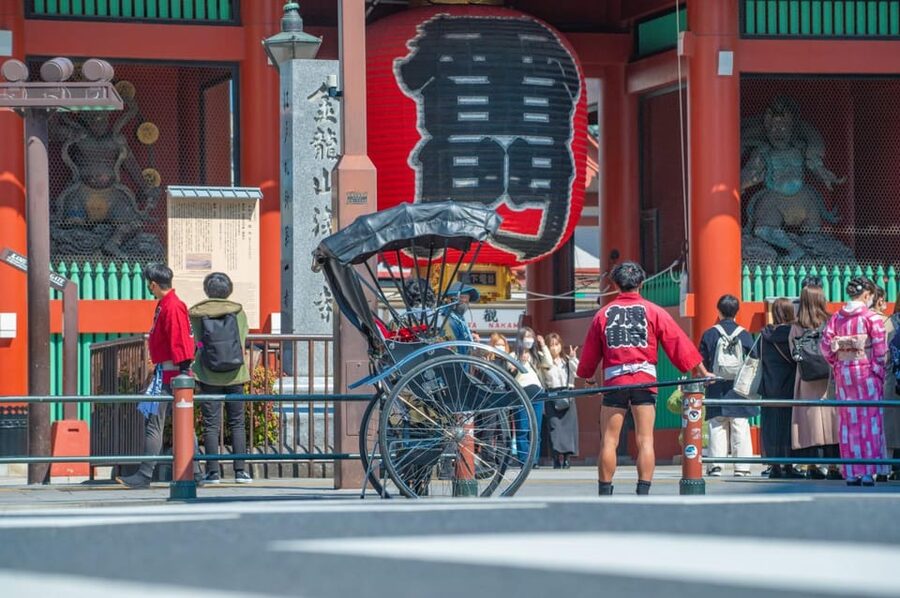
If your goal is a quick, memorable Asakusa highlight with better photos and an easy plan, I’d say yes. The private size, the photo stops, and the restaurant/shopping recommendations make it more useful than a generic ride.
It’s a strong pick if:
- You want iconic sights like Senso-ji and Kaminarimon with less crowd effort.
- Photos matter to you and you want help getting the right angle.
- You appreciate short, guided storytelling and practical local tips.
- You’re traveling with kids and prefer something short and upbeat.
Skip it if:
- You want a longer walking-and-exploring tour (this is 10 minutes).
- The note about being not suitable for pregnant women applies to your group.
Bottom line: book this when you want a high-impact snapshot of Asakusa. You’ll come away with photos that look different from your average temple day, plus a short list of places to eat and shop that can steer the rest of your time in the neighborhood.
FAQ
Where is the meeting point for the Asakusa rickshaw tour?
Meet at the ticket office in front of exit number 1 at Asakusa Station on the Ginza line. You’ll be able to recognize the staff by their uniform.
How long is the rickshaw tour?
The tour duration is 10 minutes.
How much does it cost?
It costs $70 per group, up to 2 people.
What languages are the drivers able to speak?
Drivers offer English, Spanish, Chinese, Japanese, and Traditional Chinese.
Is smoking allowed during the tour?
No. Smoking is not allowed in the vehicle.
Is the tour suitable for pregnant women?
No. It’s listed as not suitable for pregnant women.