REVIEW · TOKYO
Tokyo: Asakusa Highlights Walking (OP : Rickshaw Experience)
Book on GetYourGuide →Operated by Japan Wonder Travel · Bookable on GetYourGuide
Fast rides, big sights, and zero map stress. Asakusa gets easier the moment you swap walking-only for a rickshaw + guide setup. I especially liked the photo stops at Kaminarimon and the guided storytelling that connects what you see to Japanese culture. One watch-out: the tour is still a real walking tour, and in busy crowds it can be harder to hear the guide clearly.
You also get a compact schedule that lasts about three hours, starting and ending at the Asakusa Culture Tourist Information Center. The group stays small (up to 8), and the rickshaw time is short but focused—so you spend energy on the landmarks instead of guessing your route.
One more consideration: it’s not built for wheelchair users or people who struggle with stairs. If that’s you, this can turn from sightseeing into hassle fast, so double-check your mobility needs before you book.
In This Review
- Key things I’d focus on before you go
- Asakusa by Rickshaw: What 20 Minutes Buys You
- Guided Walking That Stops You From Missing the Point
- Stop-by-Stop: From Asakusa Culture Tourist Information Center to Kaminarimon
- Nakaumise, Side Streets, and the Asakusa Atmosphere You Can Still Feel
- Timing and Group Size: Why Up to 8 People Matters
- Price and Value: Is $93 Worth the Rickshaw + Guide Time?
- Who Should Book, and Who Might Want a Different Plan
- Practical Tips: Shoes, Cameras, and Staying With the Plan
- Should You Book This Asakusa Highlights Walking Tour?
- FAQ
- How long is the Asakusa highlights walking tour with a rickshaw experience?
- Where does the tour start?
- How long is the rickshaw ride?
- Is the tour guided and in English?
- What are the main sights you will see?
- Is the tour suitable for wheelchair users?
- What should I bring?
- Does the tour run in bad weather?
Key things I’d focus on before you go
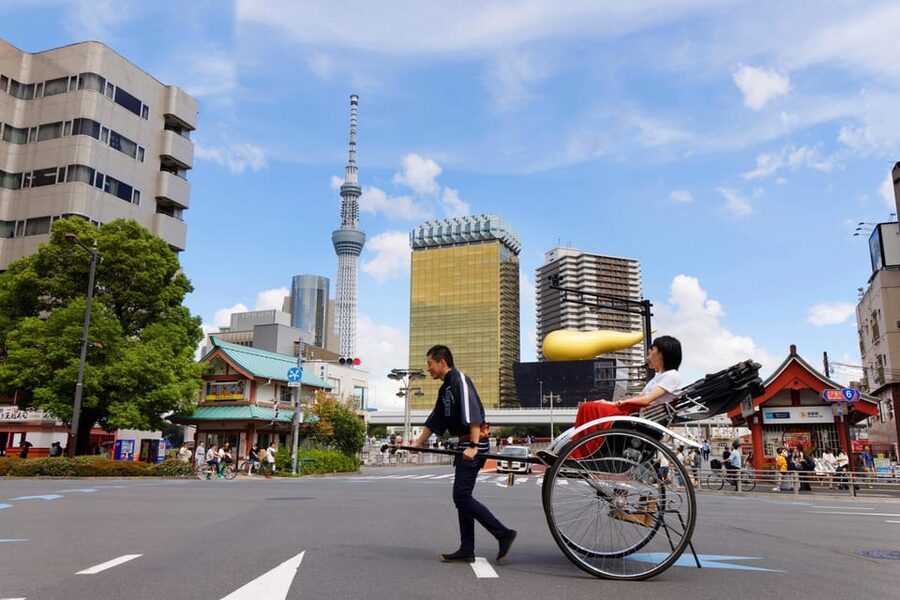
- A reserved 20-minute rickshaw ride meant to reduce waiting time
- Photo stops at Kaminarimon and the Senso-ji area
- Small group size (up to 8) for a calmer, easier pace
- English live guide telling the history as you pass key spots
- Classic Asakusa highlights plus side streets like Nishi Sando and Hoppy Street
Asakusa by Rickshaw: What 20 Minutes Buys You
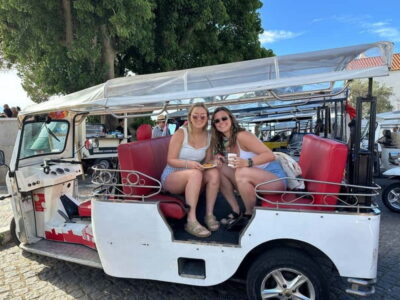
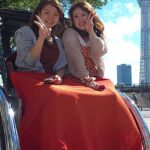
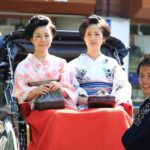
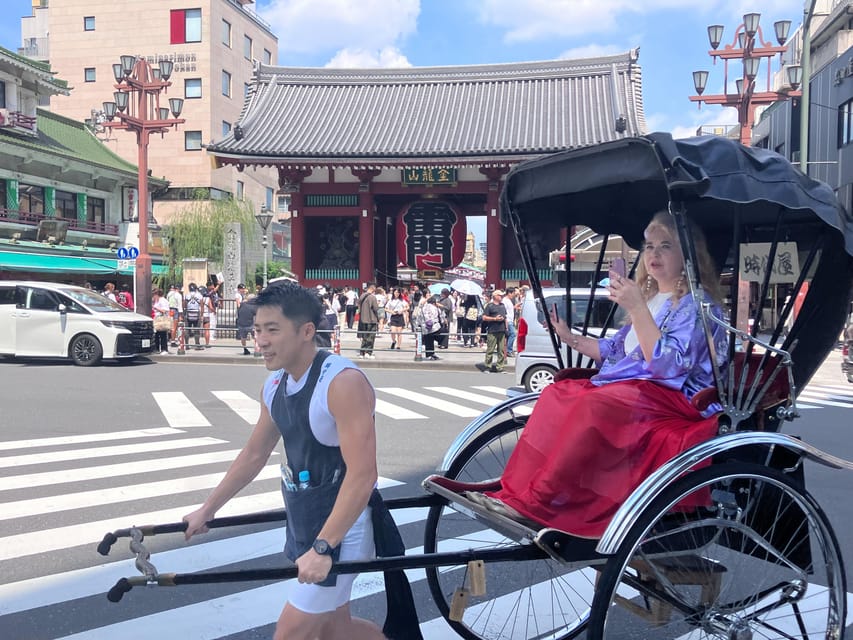
The rickshaw ride here is short—about 20 minutes—but that’s exactly what makes it good value. In a neighborhood packed with people and alleys, a short ride helps you grab the big-picture views and your bearings without exhausting yourself early.
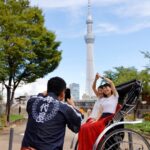
Your driver takes you through the Asakusa area and around several famous photo-worthy spots, including Kaminarimon, Tokyo Skytree, and Sumida Park. You also get time for photos that you’ll actually want to keep, because the route aims at recognizable angles rather than random driving.
The “secret” benefit is pacing. You’re not trying to do everything on foot for three hours straight. You get a break built into the plan, then you continue walking with a guide who keeps you moving between the most important points.
If you’re hoping the whole tour is on a rickshaw, adjust your expectations. This is a walking tour with a rickshaw segment, not a rides-only experience.
Guided Walking That Stops You From Missing the Point
Once you’re off the rickshaw, the tour shifts into what Asakusa is best at: sensory streets, old religious landmarks, and a layout that makes you want to wander. The guide’s job is to keep that wandering from turning into confusion, by narrating what you’re seeing as you pass the main sights.
You’ll cover the core “Asakusa classics,” including Senso-ji Temple and the area around the shopping streets. The narration focuses on the history and Japanese cultural context, which is useful even if you’ve been to Tokyo before. Asakusa feels older in spirit than many other districts, and hearing the story helps you notice details you might otherwise walk right past.
There’s also an important practical angle. Instead of spending your time trying to connect directions to landmarks, you follow a planned route with photo pauses. That matters because Asakusa’s streets can get crowded, and it’s easy to lose time if you’re constantly checking your phone.
The biggest drawback isn’t the walking itself—it’s crowd noise and positioning. If you’re seated or walking near the edges of the group, you may have trouble catching every word from time to time, especially in peak seasons.
Stop-by-Stop: From Asakusa Culture Tourist Information Center to Kaminarimon
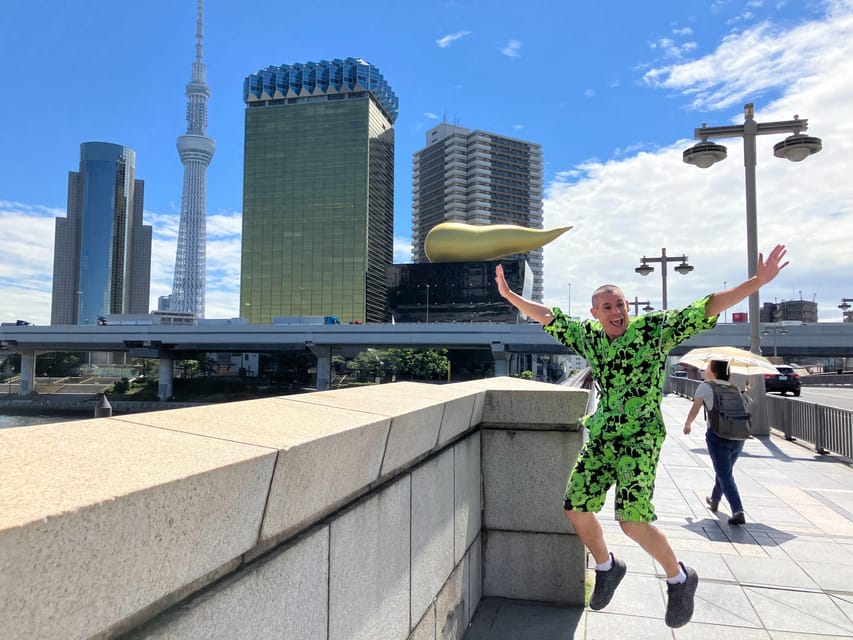
The tour starts at the Asakusa Culture Tourist Information Center, meeting in front of the building. From there, you begin with a guided introduction and photo opportunities right at the start area, which is a smart move. It helps you orient yourself before the streets get busy.
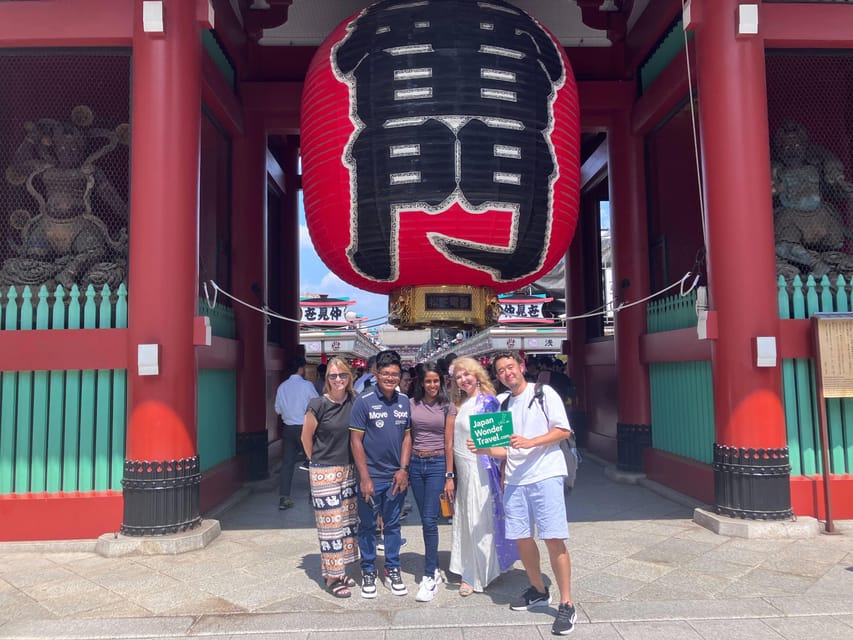
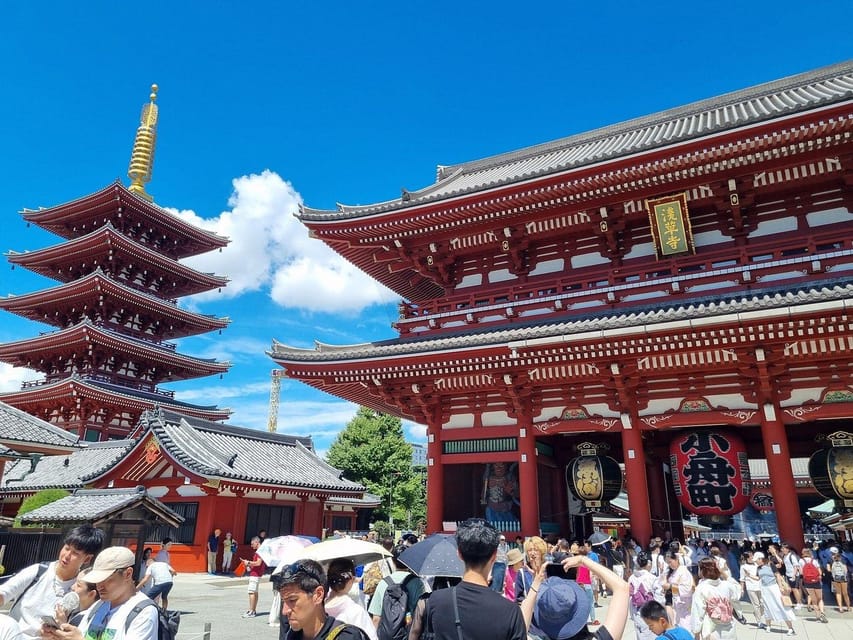
Then you head to Kaminarimon, the famous gate that instantly signals you’re in the Senso-ji area. You get a photo stop plus guided time, and you’ll also have a shorter revisit later. That second Kaminarimon moment works well because it gives you another chance to take photos from a slightly different angle after you’ve walked the surroundings.
Next up is the Nakamise Shopping Street. This is the classic shopping lane people line up for, and it’s also where your guide’s narration can be especially helpful. If you just walk through it without context, it can blur into stalls and crowds. With the history woven in, you’re more likely to notice why this street matters and what the area represents.
After that, you visit Asakusa Shrine, with time for a guided look and learning. This stop adds variety. It’s not only about Senso-ji Temple; it also broadens the view of the neighborhood’s spiritual and cultural identity.
Finally, you circle back to Kaminarimon again for a short guided sightseeing walk. That return helps reinforce the overall geography of the area, so you leave understanding how the streets and landmarks connect.
Nakaumise, Side Streets, and the Asakusa Atmosphere You Can Still Feel
The tour doesn’t just aim at the obvious photo spots. Along the way, you also pass through and get a quick look at other Asakusa streets that help round out the experience, including Nishi Sando Shopping Street and Hoppy Street.
These streets matter because Asakusa is more than one landmark. The main gate and temple get the headlines, but the daily-life rhythm happens one step away in side streets and smaller lanes. Even if you only get a brief view, you come away with a better sense of how the district actually feels at street level.
You’ll also be guided to take in broader city views while you’re moving around. During the rickshaw portion, the plan includes views toward Tokyo Skytree, plus the Sumida Park area. Those moments give you visual contrast: the historic temple zone next to modern Tokyo landmarks.
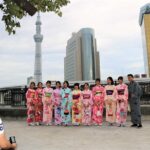
One practical tip: bring your camera and use your photo chances. The tour includes designated photo opportunities at key sights, so don’t skip them thinking you’ll capture everything later. In busy Asakusa, crowds can shift fast and angles can disappear.
Timing and Group Size: Why Up to 8 People Matters
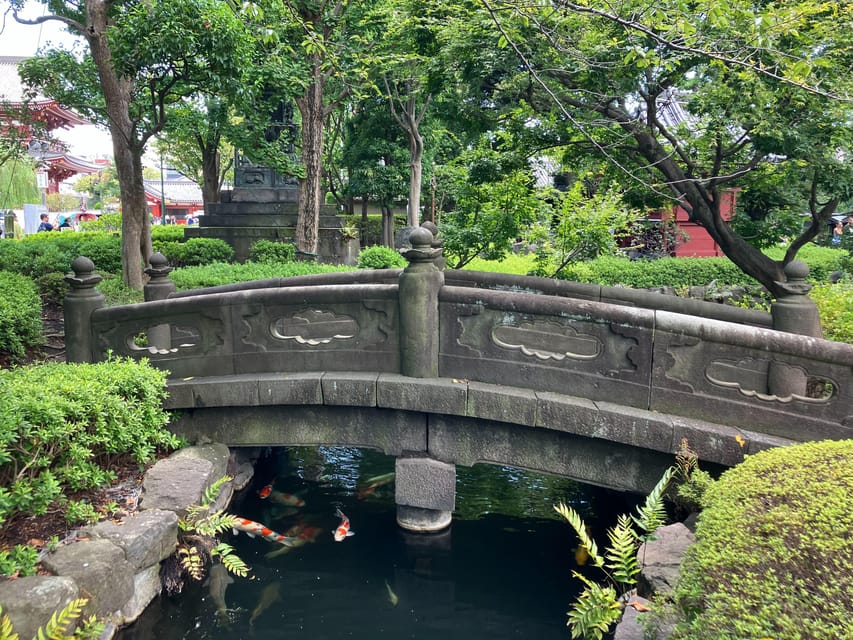
This is a small group tour limited to 8 participants, and I like that for Asakusa. In a place where lines and crowds can pile up, fewer people usually means less jostling and fewer slowdowns.
The schedule is about three hours total, and you’ll move through photo stops and short guided visits rather than lingering for an entire half day. Expect short bursts: look, listen, take photos, walk to the next key point.
The live guide is in English, which is a big help if you don’t read Japanese signage well. Still, understand that English storytelling competes with street noise. If you tend to struggle in loud environments, try to stay closer to the guide’s center as you walk, so you can actually catch the details.
Also note that the tour happens rain or shine. That’s not just a throwaway line—Asakusa can be slippery on wet pavement, and crowded spaces get tighter when umbrellas appear. Wear shoes you don’t mind getting a little damp, and keep your camera accessible.
Price and Value: Is $93 Worth the Rickshaw + Guide Time?
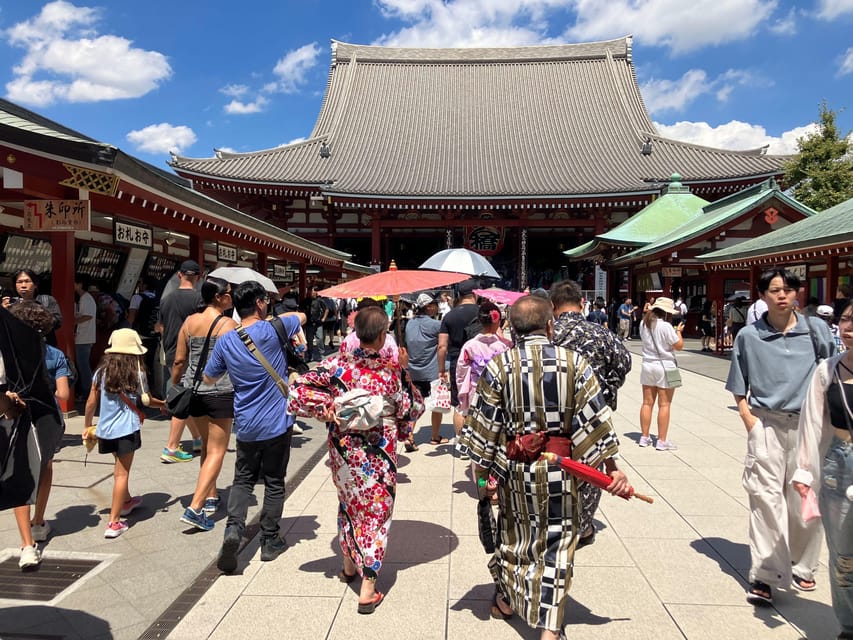
At $93 per person, you’re paying for two things: guided time and a rickshaw ride segment. If you were to piece it together on your own, you’d still spend money on guided help (or time figuring things out) and you’d still pay for rickshaw service separately if you want that experience.
Here’s where the value argument is strongest: the tour is structured so you see recognizable landmarks and still learn something as you go. You’re not just riding; you’re also walking a route that includes Kaminarimon, Nakamise Shopping Street, Asakusa Shrine, and the Senso-ji area.
The reserved option is another value lever. The experience is described as reserved so you can ride without waiting, which can be the difference between enjoying a ride and losing time in line.
That said, consider the trade-off if you mainly want the rickshaw. Because this is fundamentally a walking tour, you may feel like the ride portion is the highlight but not the bulk of the time.
So my take: it’s good value if you want a guided route in a packed area and you like getting a few “best angle” photos. It’s less ideal if you want a long rickshaw tour or you hate walking for stretches at a time.
Who Should Book, and Who Might Want a Different Plan
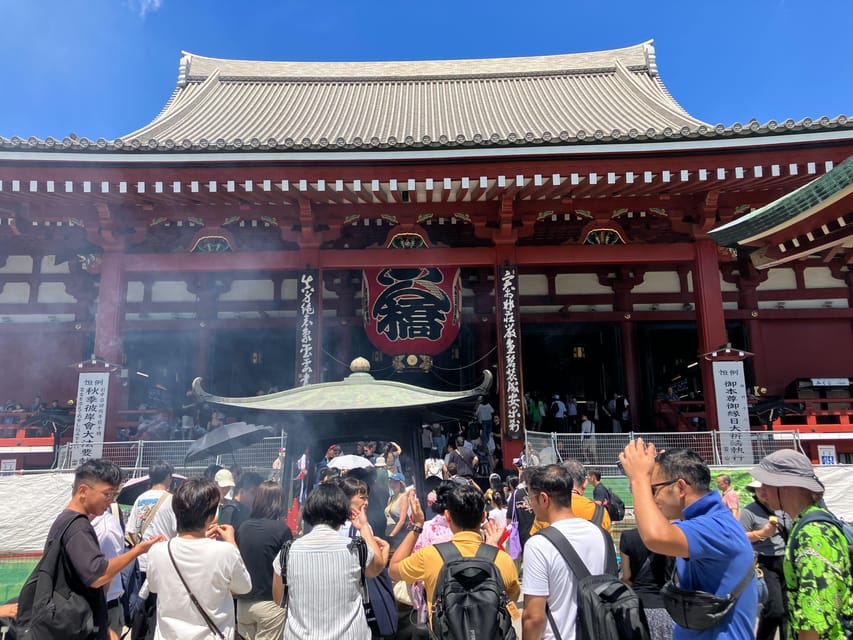
This experience fits best for first-time or return visitors who want a smooth, guided loop through Asakusa’s best-known sights without spending mental energy on navigation.
It also makes sense if you travel as a couple or a small group. With a limit of 8 people, the tour feels more controllable than the giant group options. It’s also appropriate for families, with the note that children must be accompanied by an adult.
If you have mobility limitations, though, take the constraints seriously. The tour is not suitable for wheelchair users and not suitable for people who need to go up and down stairs. It’s also not recommended for people over 95 years. In other words, don’t treat this as a flexible sightseeing plan if you’re physically limited.
One more “good to know” detail: smoking isn’t allowed. That’s typical for many guided experiences, but it’s worth calling out if you’re sensitive to restrictions around groups.
Practical Tips: Shoes, Cameras, and Staying With the Plan
Bring comfortable shoes. You’ll be walking between multiple stops, and the route is designed around short visits and quick photo chances. If your shoes are stiff or unsupportive, you’ll feel it by the time you reach the shopping streets.
Bring a camera, but also bring patience. The tour is paced for photos at key spots, yet crowded conditions can still affect what you capture. Think of the photo stops as opportunities to try, not guarantees of empty streets.
Finally, be ready for crowds and movement. Kaminarimon and Nakamise can get busy, and it helps if you keep close to the group rather than hovering off to the side.
If you’re someone who relies on hearing the guide for enjoyment, position yourself where you can listen. The streets won’t quiet down just because the tour started.
Should You Book This Asakusa Highlights Walking Tour?
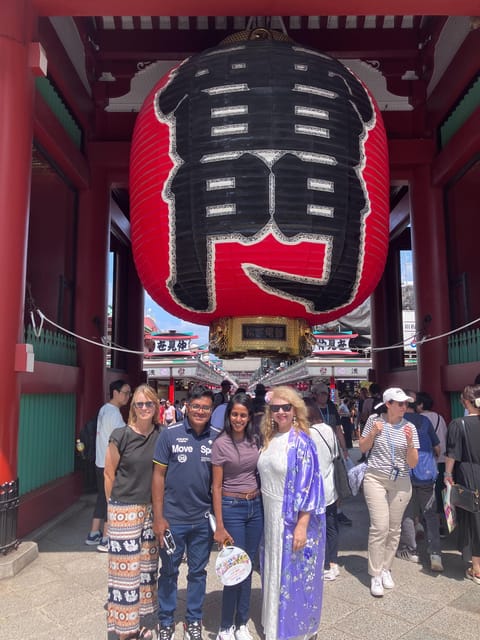
Book it if you want a guided, low-stress way to see Kaminarimon, the Nakamise Shopping Street area, and the Senso-ji zone, plus a reserved rickshaw ride that adds great photos and quick city views. The small group size and English guide are real wins when you’re trying to make sense of a historically layered neighborhood.
Skip it or look for another option if you want a long rickshaw experience, have significant mobility limits, or you know loud crowds make it hard for you to enjoy spoken narration. In those cases, the walking-heavy nature and street noise can be more frustrating than fun.
FAQ
How long is the Asakusa highlights walking tour with a rickshaw experience?
The tour is about 3 hours. You can check availability to see starting times.
Where does the tour start?
Meet in front of the Asakusa Culture Tourist Information Center.
How long is the rickshaw ride?
You’ll have a 20-minute rickshaw ride in Asakusa as part of the experience.
Is the tour guided and in English?
Yes. The experience includes a live English-speaking guide.
What are the main sights you will see?
You’ll see Kaminarimon Gate, Senso-ji Temple, Nakamise Shopping Street, Asakusa Shrine, and you’ll also have photo opportunities at key sights.
Is the tour suitable for wheelchair users?
No. The tour is not suitable for wheelchair users and is not designed for people who need to manage stairs.
What should I bring?
Wear comfortable walking shoes and bring a camera for photos.
Does the tour run in bad weather?
Yes. The tour takes place rain or shine.