REVIEW · TOKYO
Asakusa, Tokyo: Rickshaw Experience and Highlights Walking tour
Book on Viator →Operated by Japan Wonder Travel · Bookable on Viator
The best way to see Asakusa fast is by mixing on-foot streets with a rickshaw glide. This tour gives you temple icons and local shopping lanes in a tight 3.5 hours, with photo stops timed so you’re not just drifting around Tokyo’s famous tourist core. I like that it feels practical, not performative: you get guided context, then plenty of time to look, photograph, and decide what you want to do next.
Two things I really like: first, you start at Kaminarimon Gate with the big red lantern moment, so you immediately get that classic Asakusa look. Second, you get a guided stroll through the food-and-souvenir streets right up to Senso-ji Temple, then you finish with the drink-and-dinner vibe of Hoppy Street. That combo is great if you want more than one kind of experience.
One possible drawback: the ride is short—about 20 minutes—so if your main goal is a long rickshaw tour, you may want a longer option. Also, the rickshaw can be affected by weather or traffic, so it’s smart to plan your day with some flexibility.
In This Review
- Key Highlights You’ll Actually Feel
- Why This Asakusa Rickshaw-and-Walk Combo Works
- Kaminarimon Thunder Gate: A Fast Photo Hit Before the Crowds Swell
- Nakamise Shopping Street: Souvenirs and Snacks Without Guesswork
- Senso-ji Temple: Seeing the Main Gate and Getting the Meaning
- Old-Tokyo Side Streets: Hanayashikidori and Asakusa Nishisando
- Hoppy Street: When Asakusa Turns Into Food and Night-Out Energy
- The 20-Minute Rickshaw Ride and Sky Tree Photos
- Value, Timing, and Who This Tour Fits Best
- Should You Book This Asakusa Rickshaw Experience?
- FAQ
- How long is the Asakusa Rickshaw and Highlights Walking Tour?
- Where does the tour meet?
- Is the tour a group tour, and how many people are in it?
- If I book alone, will I share the rickshaw with other guests?
- Can I choose the rickshaw route?
- What if the rickshaw can’t operate due to weather or traffic?
- Do I need admission tickets for the stops?
Key Highlights You’ll Actually Feel
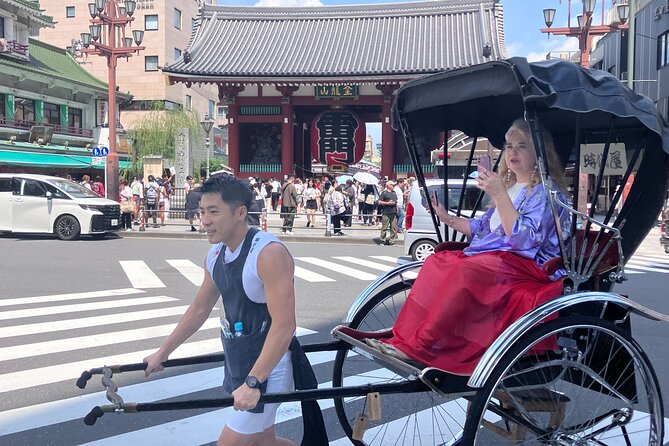
- Thunder Gate (Kaminarimon) gets you oriented fast, with instant photo value at the classic red lantern spot
- Guided temple + street flow helps you move through Asakusa without wasting time guessing what’s next
- Senso-ji area context makes the famous main gate easier to read and enjoy, even if it’s crowded
- Hoppy Street food-and-drink energy gives you a more local night-out feeling beyond daytime sightseeing
- Solo rickshaw privacy: if you book alone, you won’t share a vehicle with strangers
- Sky Tree in your rickshaw photos is built into the experience’s final stretch
Why This Asakusa Rickshaw-and-Walk Combo Works
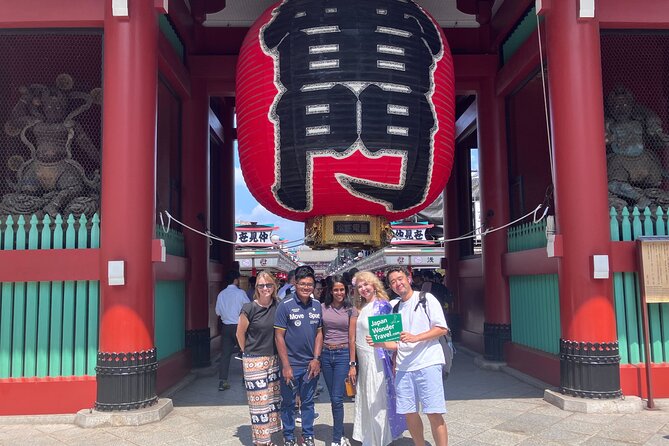
Asakusa can feel like sensory overload—lanterns, snack smells, souvenir shops, temple crowds. What makes this tour work is that it organizes the chaos into a clear sequence: you get iconic landmarks, then you get the street life around them, then you end with a food-and-drink street mood.
You’re with a small group (maximum 8), and the tour runs about 3 hours 30 minutes. That duration is long enough for the main sights, but short enough that you don’t lose your whole day to sightseeing fatigue.
You’ll also like the pacing. You’re not stuck in one place; you keep moving through Asakusa’s layers. And because it’s a group tour that leaves on time, you’ll get a smooth flow instead of waiting around.
Kaminarimon Thunder Gate: A Fast Photo Hit Before the Crowds Swell
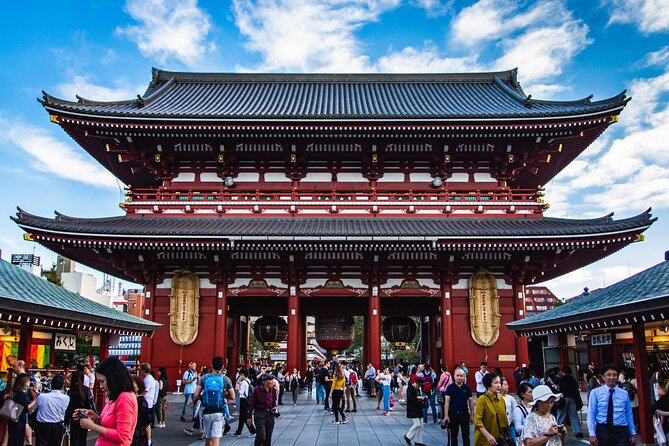
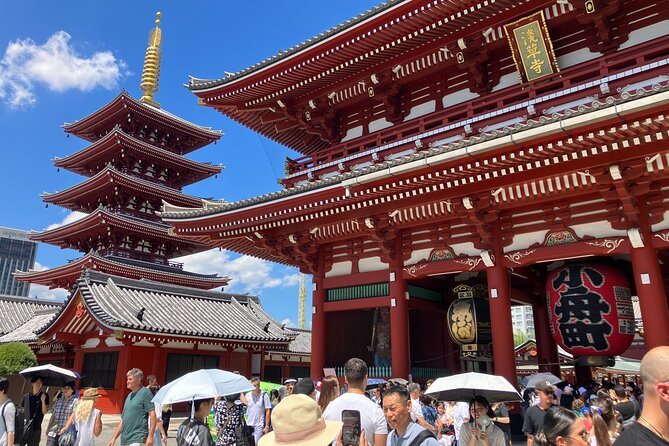
You’ll start at the Kaminarimon area, the iconic Thunder Gate entrance to Senso-ji Temple. This is the spot with the red lantern centered in the gate, plus statues of Fujin and Raijin (wind and thunder gods) standing on either side. It’s the kind of scene that looks great in every light, and the good news is you don’t need special skills to get a strong photo here.
This start point also does something practical. It sets your orientation immediately. From here, Asakusa makes more sense: you can see how the streets funnel visitors toward the temple, and you’ll know what you’re walking toward as you move.
If you end up taking photos nonstop (very easy to do), the nice part is the tour structure still keeps you on track. You’re not just wandering until you run out of time.
Nakamise Shopping Street: Souvenirs and Snacks Without Guesswork
After Kaminarimon, you move into Nakamise Shopping Street, the main approach packed with traditional snack stalls and souvenir shops. This is where you can snack your way through Asakusa without constantly checking your map.
What I like about having this portion guided is that you avoid the awkward moment of standing in a crowd wondering where to go next. You get the flow: what the street is, what it’s known for, and how it connects directly to the temple area.
Practical tip: build in a simple plan for your spending. You’ll likely see lots of small things you want to try—crispy snacks, packaged sweets, and handheld treats. Set a rough budget before you start, because the temptation stacks up fast in a place like this.
Senso-ji Temple: Seeing the Main Gate and Getting the Meaning
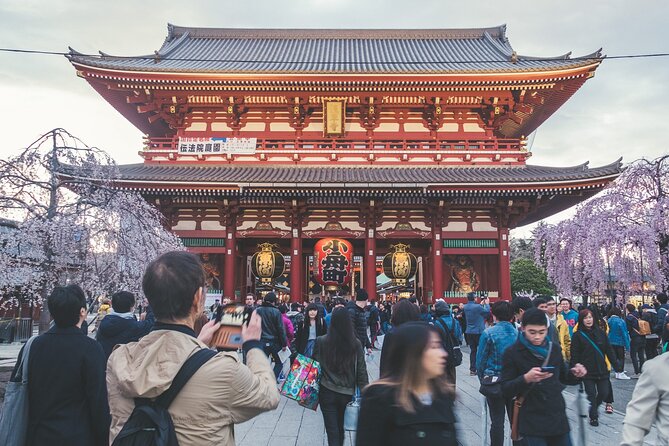
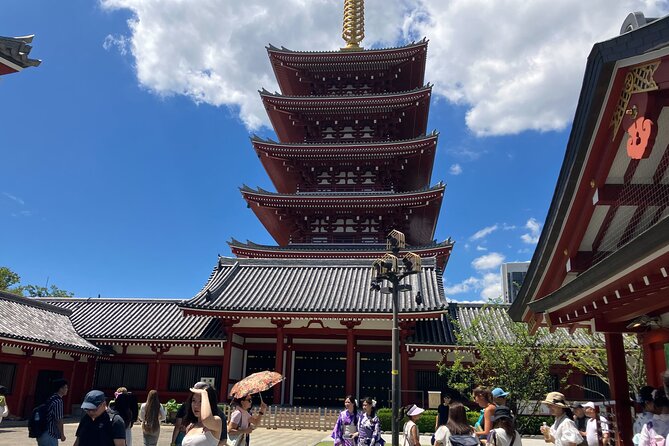
Next comes Senso-ji, one of Tokyo’s best-known temples and dedicated to the goddess of mercy, Kannon. It’s among the oldest and most famous, so yes, you’ll notice crowds. But a guided visit helps you slow down just enough to spot what makes the temple feel like more than a postcard.
The main gate (Kaminarimon) is the famous visual anchor, but the experience is really about understanding why this place pulls people in: it’s both historic and still deeply used as a spiritual center. That’s why the crowds don’t just feel touristy; they feel like a living tradition.
Potential challenge: during peak times, you may not be able to walk everywhere at the exact speed you want. If you want a calmer look, keep your expectations realistic and focus on angles where you can see the architecture and lanterns rather than chasing perfect empty space.
Old-Tokyo Side Streets: Hanayashikidori and Asakusa Nishisando
After the big-name temple areas, the tour shifts into more character-rich lanes.
First, you’ll visit Hanayashikidori, named after Hanayashiki, Japan’s oldest amusement park nearby. Even if you’re not riding anything, the street gives you that nostalgic, old-Tokyo feeling—shops, restaurants, and casual stops where people linger between temple visits and evening plans.
Then you head to Asakusa Nishi Sando (the West Approach), a quieter-feeling shopping street with lantern-lit atmosphere and wooden storefronts. Here, you’ll find traditional crafts, snacks, and souvenirs that feel more like local browsing than just quick gift shopping.
I like this shift because it changes the rhythm. You go from the temple’s iconic set pieces to streets where you can actually browse. If you love photography, these side lanes often give you textures you don’t get in the main gate area—wood, paper lanterns, shop signs, and small contrasts of old and new.
Hoppy Street: When Asakusa Turns Into Food and Night-Out Energy
The tour ends at Hoppy Street, known for its many izakayas (Japanese pubs) serving a local drink called Hoppy. This is one of those streets that makes Asakusa feel like a real neighborhood, not just a sightseeing corridor.
You’ll also pick up what to look for in the food scene. The area is known for classic comfort items like yakitori (grilled chicken skewers) and oden (a hot pot dish). Even if you don’t plan to order right this minute, knowing the signature drink and the kinds of dishes associated with the street helps you read the vibe quickly.
If you want to continue your night after the tour, this is a strong place to start. You’ve already learned what Hoppy Street is famous for, so choosing where to eat becomes way easier.
The 20-Minute Rickshaw Ride and Sky Tree Photos
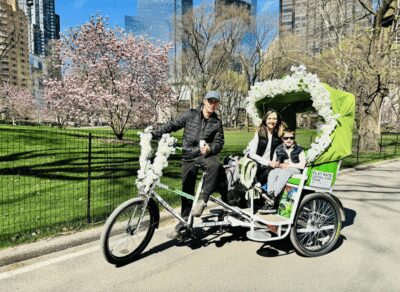
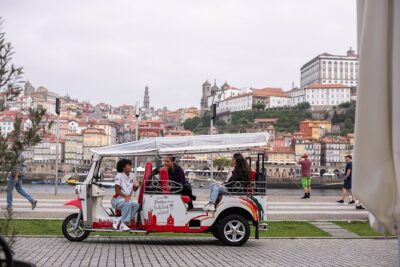
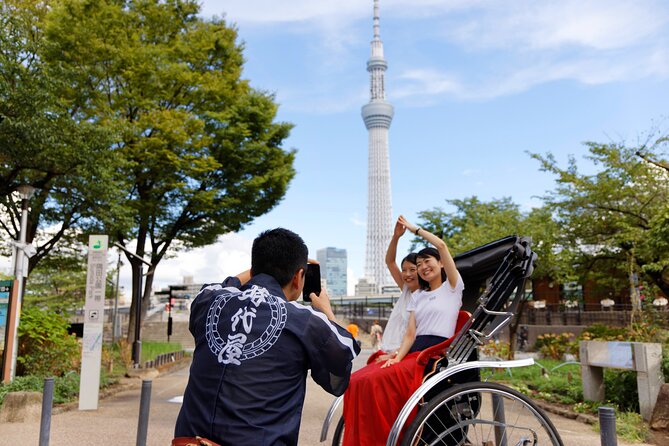
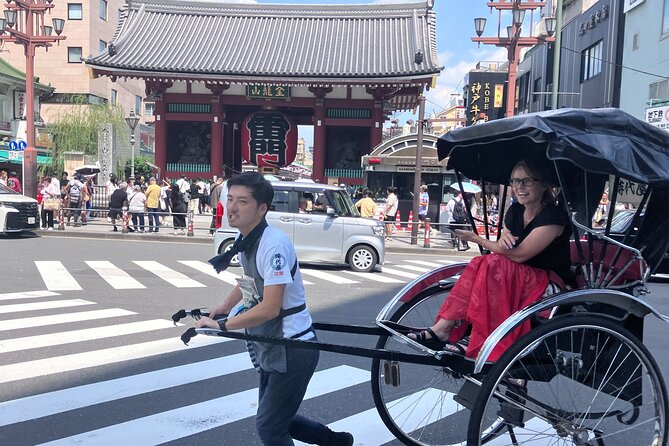
Here’s the part most people come for: a rickshaw ride for about 20 minutes. The rickshaw takes you through the east area of Asakusa, and you get time for photos with the Tokyo Skytree in the background.
Even though it’s short, this ride is worth it because it changes how the streets look and feel. From ground level on foot, crowds and angles can get messy. On a rickshaw, you get a slightly lifted perspective and a smoother glide that makes landmarks easier to frame.
A couple important realities:
- The rickshaw route can’t be specified in advance, since the operator arranges based on your reservation details.
- The rickshaw may not operate due to weather or traffic, and in those cases the tour can be canceled.
One detail I appreciate: the rickshaw is a two-person vehicle. If you book alone, you ride alone—you won’t be forced to share with strangers. That’s a small thing, but it makes the experience feel more comfortable.
Also, be ready to follow the driver’s instructions. Rickshaws move differently than walking, and your driver knows where the best motion and safety cues are.
Value, Timing, and Who This Tour Fits Best
At about $35 per person for roughly 3.5 hours, the value comes from combination. You’re paying for a guided walking circuit plus a short rickshaw ride, with access to iconic Asakusa landmarks and neighborhood streets in one go.
It’s also popular. It’s typically booked around 47 days in advance, and it holds up with an average 4.9 rating from 47 reviews. That usually means the tour works well for the kind of traveler who wants a clear plan and doesn’t want to spend hours researching.
Who it suits best:
- First-timers to Tokyo who want Asakusa’s highlights without getting lost
- People who like photos with context, not just fast sightseeing
- Travelers who want a morning or afternoon activity that still leaves room for dinner plans
- Anyone who prefers a small group experience rather than a big bus tour
Who might hesitate:
- If you want a longer rickshaw ride than 20 minutes, this will feel brief
- If you have a tight appointment right after, note that the end time can run late at times, so give yourself a buffer
Should You Book This Asakusa Rickshaw Experience?
I think you should book this if you want a smart mix of temple landmark time and street-life browsing, with a short rickshaw ride that helps your photos look more interesting than simple walking shots. It’s also a good choice when you’re short on time but still want the Asakusa experience to feel complete.
If you’re the type who enjoys being guided through famous areas and then using the momentum to continue on your own, this fits your style. You start at the classic Thunder Gate, you understand what you’re looking at in Senso-ji, you get to snack-and-shop lanes, and you end at Hoppy Street with a practical sense of where to eat next.
Just go in with one expectation set: the rickshaw is memorable, but it’s not the full day’s centerpiece. The real win is the flow—Asakusa’s highlights stitched together into one easy outing.
FAQ
How long is the Asakusa Rickshaw and Highlights Walking Tour?
The tour is approximately 3 hours 30 minutes, including a rickshaw ride of about 20 minutes.
Where does the tour meet?
The meeting point is 2-chōme-18-9 Kaminarimon, Taito City, Tokyo 111-0034, Japan.
Is the tour a group tour, and how many people are in it?
Yes, it’s a group tour with a maximum of 8 travelers.
If I book alone, will I share the rickshaw with other guests?
No. The rickshaw is a two-person vehicle, and if you participate alone, you ride alone and will not share a rickshaw with other guests.
Can I choose the rickshaw route?
No. The route cannot be specified. The operator arranges a rickshaw according to the number of reservations.
What if the rickshaw can’t operate due to weather or traffic?
The rickshaw may not be able to operate due to weather, traffic conditions, or other reasons. In those cases, the tour may be canceled.
Do I need admission tickets for the stops?
The provided information lists admission ticket details as free for the featured spots along the route (including Kaminarimon, Nakamise areas, Senso-ji Temple, Hanayashikidori, Asakusa Nishisando, and Hoppy Street).