REVIEW · PORTO
3 Hour Tuk tuk Tour in Porto
Book on Viator →Operated by Green Tours · Bookable on Viator
Porto is steep, crowded, and full of corners worth slowing down for. This 3-hour tuk-tuk tour gives you a clean first pass at the city, without the fatigue or the hassle of figuring out routes and timing on your own.
I especially like two things: the private group setup (so you’re not stuck waiting on strangers), and the way the guide weaves commentary into quick stops, from São Bento’s azulejo walls to the overlooks above the Douro. The route is also built for photo timing, not just checklist tourism.
One consideration: it’s still only about 3 hours, and some stops involve choices (walk a bit vs. move on). Also, traffic can affect how many locations you get to fully enjoy, even though the tour is designed to hit major viewpoints efficiently.
In This Review
- Key highlights to look forward to
- Porto in 3 Hours Works Better Than You Think
- Price and Group Size: What You’re Really Paying For
- Meeting Point at Vímara Peres: Easy to Find, Easy to Start
- How the 3-Hour Route Gets You Across Porto and Gaia
- São Bento Railway Station: Porto’s Most Beautiful Welcome
- Porto Cathedral: A Gothic Main Building Worth a Short Look
- Serra do Pilar Viewpoint: Panoramic Porto and Gaia, Fast
- Cais de Gaia and the Douro Side: The “Other Half” of Porto
- Dom Luís I Bridge: Eiffel’s Engineer Link That Makes You Look Twice
- Key Squares and Streets: King Pedro V, Rua de Santa Catarina, and the City’s Pulse
- Bolhão Market: A Real Working Place, Not Just a Photo Stop
- Hidden House Story: Igreja do Carmo and Why It’s Called Hidden
- Avenida dos Aliados: Where Porto Shows Its Main-Avenue Face
- Clérigos Tower and Livraria Lello: Pass-By Icon Stops
- Gardens and Miradouros: Your Best Shot at the Douro View
- Palácio da Bolsa and Prince Henry’s Area: Power, Trade, and Discoveries
- Church Stops That Add Texture Without Taking Over Your Day
- What the Guides Tend to Do Well (Ask for This)
- Should You Book This Porto Tuk-Tuk Tour?
- FAQ
- How long is the 3 Hour Tuk tuk Tour in Porto?
- What’s the price and group size?
- Is the tour private?
- Is lunch included?
- Which attractions have admission not included?
- Where do I meet the guide?
- What’s the weather and cancellation situation?
Key highlights to look forward to
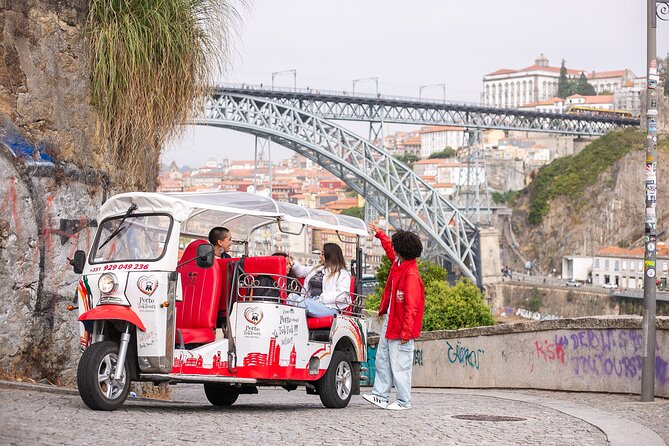
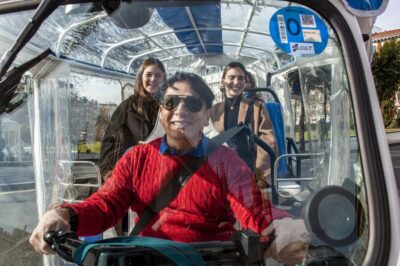
- Private tuk-tuk with just your group so you can go at your pace
- Guided commentary on the move so you learn while you travel
- A tight route across Porto and Gaia with frequent scenic photo stops
- Miradouros planned for viewpoints including Serra do Pilar and sunset-friendly Passeio das Virtudes
- Iconic stops without long lines at several major exterior landmarks
- English available and often paired with a guide who gives practical city tips
Porto in 3 Hours Works Better Than You Think
Porto can be a lot on day one. The streets are hilly, the river views pull you in different directions, and you’ll lose time if you rely on buses plus walking plus figuring out where to stand for photos.
This tuk-tuk format solves the big problem: you get a fast orientation while still stopping in the places that make Porto feel like Porto. You’re not just looking at buildings from afar. You’re getting brief, targeted moments at the sights that anchor the city—stations, cathedrals, bridges, markets, gardens, and viewpoints.
The “best part” is how the guide helps you connect the dots. Guides shown in past tours include Carlos, Machado, Santiago, Tiago, Silvano, Vicente, Murillo, and Juliana—each bringing their own humor and stories—so you’re not stuck with dry facts. You come away knowing what you saw and what to explore next.
You can also read our reviews of more tours and experiences in Porto.


Price and Group Size: What You’re Really Paying For
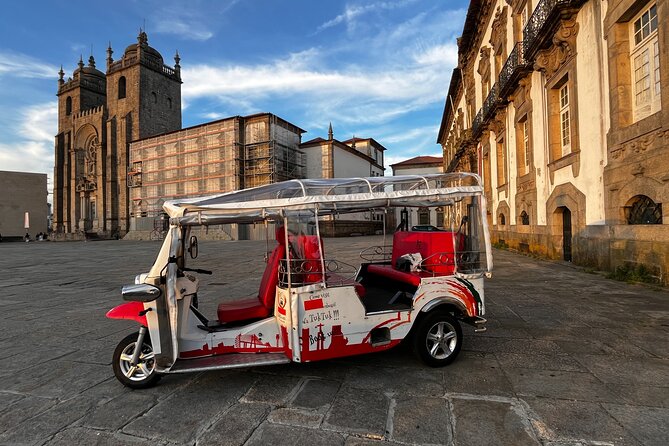
The price is $217.23 per group (up to 3 people) for about 3 hours. That might sound steep until you compare it to the cost of renting a car, paying for multiple taxis, or spending a half-day doing hop-on/hop-off buses plus extra transport.
What you’re buying is time efficiency and reduced friction. In a small city like Porto, that matters. The tuk-tuk gets you to lookouts and viewpoints without you burning energy on steep climbs just to get “in the right spot.”
Also, your group stays together as a unit. One of the most consistent themes from guides is they’ll adjust to what you want: more photos, quicker passing by, or extra time at a viewpoint if you’re chasing light.
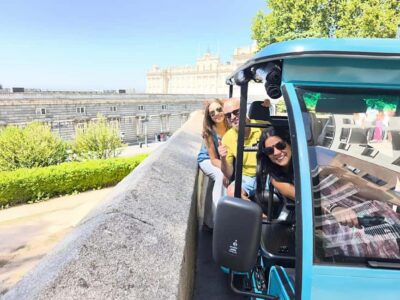
Practical tip: stick to the stated up-to-3 group size. A couple of accounts describe comfort issues when seating got tight, and with hills and quick stops, cramped space becomes annoying fast.
Meeting Point at Vímara Peres: Easy to Find, Easy to Start
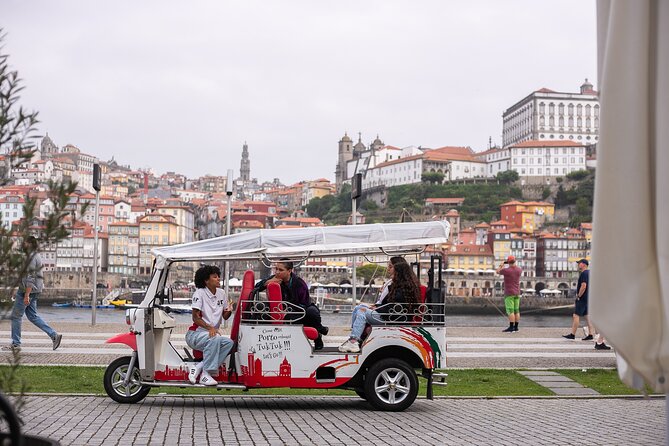
The tour begins and ends at the Statue of Vímara Peres on Calçada de Vandoma, 4000-013 Porto. That matters because you’re not starting in a random neighborhood and then scrambling back later.
The tour is set up as private, and the operator issues a mobile ticket. Service animals are allowed, and the meeting area is near public transportation, which helps if you’re arriving by tram or metro.
Since the tour ends back where it starts, it’s also simple to plan dinner afterward. Porto is full of “where should we eat” moments—this tour gives you a geographic anchor so your evening plans feel less like guessing.
How the 3-Hour Route Gets You Across Porto and Gaia
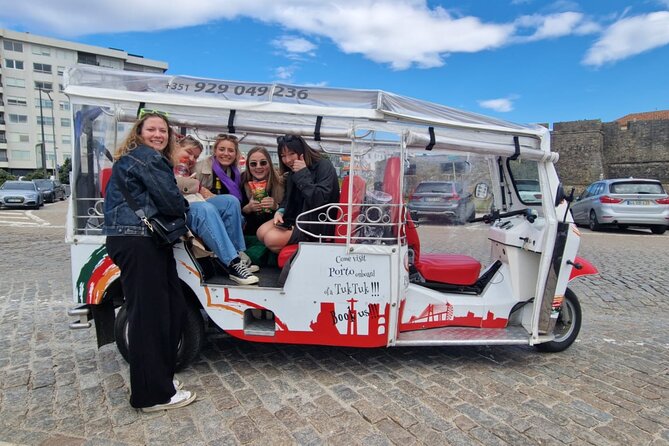
This is not a slow, walking-heavy tour. It’s a driving-and-stopping route built around short breaks (often about 5–10 minutes at major moments) with a guide calling out what to notice.
That structure is perfect for day-one orientation, or for a tight schedule (like a cruise day or a first afternoon before you’re ready to commit to a longer walk). You’ll still walk a little at some stops, but the tuk-tuk reduces the “climb tax” while still putting you at the right viewpoints.
And because the route can shift based on traffic and how long you want at each stop, you’re not locked into a rigid museum pace. The tradeoff is that you should keep an open mind: if roads are slow or you linger somewhere, you may not get equal time at every single point.
São Bento Railway Station: Porto’s Most Beautiful Welcome
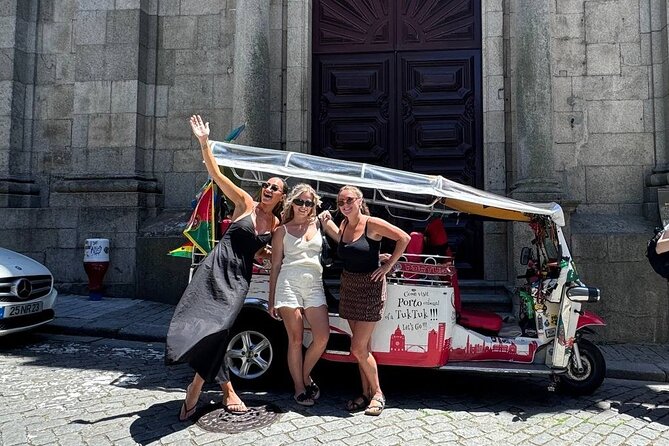
Your first stop heads to São Bento Railway Station, one of the most famous interiors in Porto. The big payoff here is that it’s a quick win: you can get that “wow” moment early without needing hours.
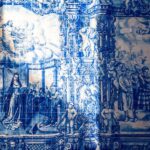
Expect to see the station’s famous azulejo tiles and take photos right away, while your guide frames what you’re looking at—how Porto tells stories in ceramic, and why the station is such a signature of the city’s identity.
If you only have one “must-do” interior in your Porto plan, this is a strong candidate. It’s also a good warm-up for the rest of the tour because it sets the tone: Porto’s art and history are not separate from everyday life here.




Porto Cathedral: A Gothic Main Building Worth a Short Look
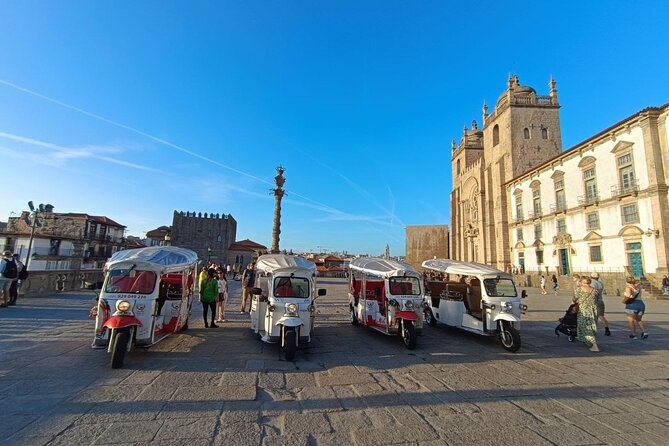
Next up is Catedral do Porto. It’s tied to the Catholic Church in Porto and was built in the Gothic period in the 12th century. The key practical point: the tour includes time to see it, but admission is not included.
That’s actually helpful for your decision-making. You can use the minutes to appreciate the outside and the setting, and if you choose to go in, you can pay your way without feeling like you already “lost” value. Even a brief stop can be memorable here, because the cathedral’s location and architectural mood shift the neighborhood instantly.
Serra do Pilar Viewpoint: Panoramic Porto and Gaia, Fast
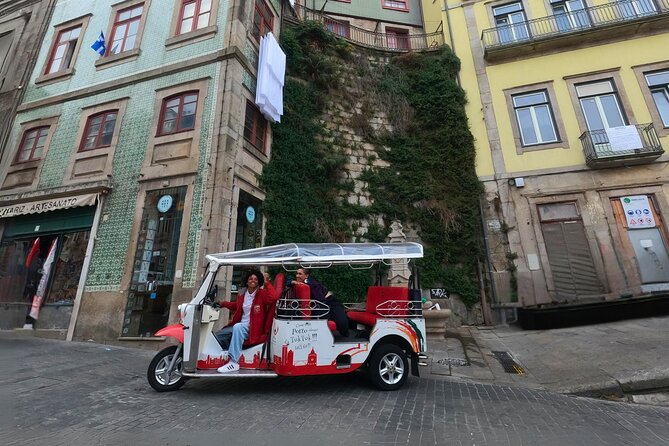
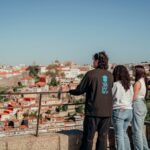
Then you climb to Miradouro Serra do Pilar, a viewpoint with wide-ranging views across Porto and out toward Gaia. This is the kind of stop that turns a map into a memory.
You only get about 10 minutes, so you’ll want to decide early what you’re doing with your time: one set of wide shots, a few angles of the river, and then move on. The guide commentary helps you understand what you’re looking at, so your photos aren’t just pretty—they’re actually “named.”
This is also one of those spots where the tuk-tuk earns its keep. You get the view without spending the whole afternoon hiking to earn it.
Cais de Gaia and the Douro Side: The “Other Half” of Porto
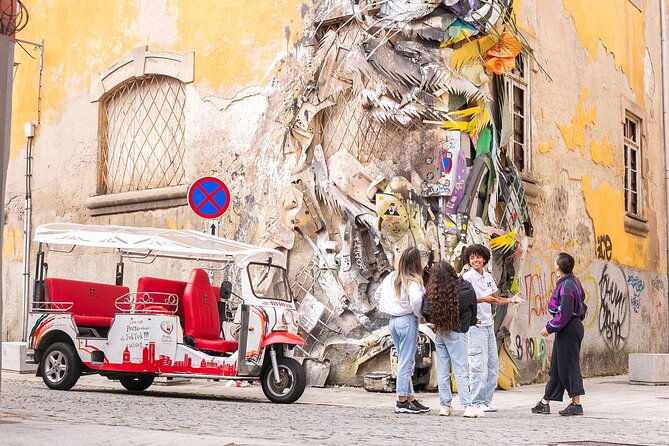
Crossing or looking across at Cais de Gaia puts you on the left bank vibe—terraces, restaurants, and bars—with the historic centre of Porto just opposite. The idea is simple: Porto’s story is incomplete if you only see the north bank.
You’ll have a short stop here (about 5 minutes). It’s meant for quick orientation and photos, not for turning into a full dinner plan. If you want to linger, your guide can point you to where to return for that sunset or evening atmosphere later.
Dom Luís I Bridge: Eiffel’s Engineer Link That Makes You Look Twice
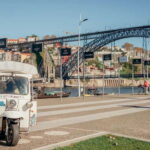
You’ll pass over Dom Luís I Bridge, designed by the same engineer linked to the Eiffel Tower, Gustave Eiffel. This is a classic Porto postcard view—and passing over it (even briefly) anchors the river relationship in your head.
Even if you’ve seen photos already, getting a different angle from the tuk-tuk helps. You start noticing how the bridge organizes movement and sightlines, which makes later self-guided wandering easier.
Key Squares and Streets: King Pedro V, Rua de Santa Catarina, and the City’s Pulse
As the route continues, you’ll pass through central areas that define the feel of the city:
- The square dominated by a monument to King Pedro V, with the São João National Theatre and Cine-Teatro Batalha nearby
- Rua de Santa Catarina, Porto’s most commercial downtown thoroughfare, with a large portion pedestrianized
These sections are less about “getting an indoor ticket” and more about understanding where people actually gather and walk. If you plan to return on your own, this is the groundwork that makes your second day feel smarter.
Bolhão Market: A Real Working Place, Not Just a Photo Stop
A standout stop is Bolhão Market. The market building is a municipal heritage site and preserves the feel of a fresh market that pulses in the city. The point of stopping here isn’t to buy souvenirs—it’s to see how Porto’s daily life mixes with the dramatic architecture of the landmark.
Expect a short break focused on what makes the place distinct: the public energy, the long-running identity of the market, and the sense that Porto still works on its own rhythm.
If you love food cities, this is one of the best “learn the city by watching people” moments you’ll get in a short tour.
Hidden House Story: Igreja do Carmo and Why It’s Called Hidden
One of the more interesting quick stops is Igreja do Carmo and the story connected to the Hidden House. The tour explains that land next to the Carmelite Church was granted in 1752, but building two churches side-by-side wasn’t allowed, so the space between became something unique.
Stops like this are valuable because they train your eye. When you see an odd layout in the city later, you’ll remember there’s often a reason—religious rules, architecture constraints, and local history.
As with other churches on the route, admission is marked as not included, so you’ll mainly take in the outside and the setting unless you decide to pay separately.
Avenida dos Aliados: Where Porto Shows Its Main-Avenue Face
Avenida dos Aliados is Porto’s main avenue and city center. This stop is about vibe as much as sight: the wide street feel, the sense of movement, and the way the city opens up after the narrow lanes.
You’ll be guided on what makes the avenue emblematic, but even without deep detail, it helps you “orient” emotionally. Porto can feel like a maze in the hills. Aliados gives you a baseline.
Clérigos Tower and Livraria Lello: Pass-By Icon Stops
You’ll also reach two major names that define Porto on postcards:
- Torre dos Clerigos (Tower of Clérigos), often called the city’s postcard
- Livraria Lello, described as a standout bookstore you pass by
Both are marked as admission not included. That’s fine. The value here is the chance to align what you’ve seen online with what’s in front of you.
I’d use these moments to do two things: get your angle for future photos, and decide whether you want to plan an additional ticketed visit later. The tuk-tuk doesn’t replace a dedicated visit, but it tells you whether those places are worth adding to your schedule.
Gardens and Miradouros: Your Best Shot at the Douro View
The tour continues into green breaks and high points:
- Jardins do Palacio de Cristal, a pleasant park with panoramic views of the Douro River and the sea
- Miradouro de Santa Catarina, another high viewpoint over the Douro estuary
- A stop near Castelo do Queijo (Cheese Castle), connected to a tradition about a rounded granite rock
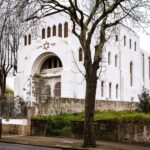
- Miradouro da Vitória, right in the old Jewish quarter area
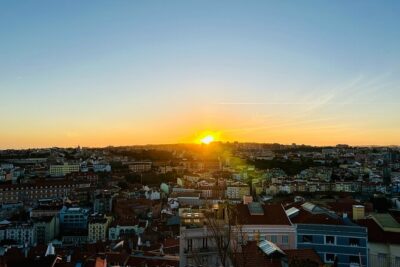
- Passeio das Virtudes, a terrace-and-grass spot built for river views, often great for a sunset feel
These stops are why this tour works for time-tight travelers. The viewpoints are where Porto looks its most dramatic, and tuk-tuk access helps you sample multiple angles in a short window.
Passeio das Virtudes is especially practical. Even if you’re not planning a long linger session, being there gives you a clear sense of where the best “sit and watch” moments are along the river.
Palácio da Bolsa and Prince Henry’s Area: Power, Trade, and Discoveries
Two final cultural anchors show up on the route:
- Palácio da Bolsa, a neoclassical building tied to the Association Comercial do Porto and the laying of its first stone on 6 October 1842
- The area honoring Prince Henry the Navigator, tied in tradition to a birth nearby at the Casa do Infante
These stops matter because they explain Porto beyond its photos. Porto wasn’t just a pretty river city; it was built on trade and the long Portuguese story of exploration.
If you like that context, you’ll appreciate the guide’s commentary here. If you don’t, you can still enjoy it as a short walk-by that makes your city feel more connected.
Church Stops That Add Texture Without Taking Over Your Day
A cluster of church-related stops adds texture without swallowing your schedule:
- Igreja dos Carmelitas (17th-century beginnings; admission not included)
- Igreja do Carmo and the Hidden House story
- Igreja da Trindade behind the Porto Town Hall area, built throughout the 19th century
These are good “micro-moments” where you learn why Porto looks the way it does—how architecture and faith shaped the streets. Since each stop is short, you get variety without committing to a long indoor schedule.
What the Guides Tend to Do Well (Ask for This)
Across the different guide names shared with this tour style, the consistent advantage is how the guide balances stories with practical city advice. Guides like Carlos and Machado have been described as funny, patient, and helpful with navigating, and some have even offered food suggestions at the end of the tour.
If you want to get extra value, ask your guide for two things:
- Where to eat after the tour (a Portuguese pork sandwich and custard tart are the kind of local classics guides have recommended in past experiences)
- A quick plan for your next day: what to do first based on walking levels and best viewpoints
Also, bring your phone battery seriously. One account describes the guide loaning a power pack to keep photos going, which hints that staying charged is a real concern on a long photo day in Porto.
Should You Book This Porto Tuk-Tuk Tour?
I think this tour is a smart booking if you fit one of these profiles:
- It’s your first time in Porto and you want quick bearings fast
- You want to cover Porto and Gaia viewpoints without hiking all afternoon
- Your schedule is tight and you need a route that prioritizes photo stops, bridges, markets, and miradouros
- You want a private experience with an English guide and a flexible pace
I’d skip it (or pick a shorter plan) if:
- You want long, ticketed museum time inside major sites
- You dislike tours where traffic can affect how many stops feel fully “visited”
- Your group is larger than the stated cap, because tuk-tuk seating can feel tight
If you book, go in with a good mindset: this is an orientation tour with great photo anchors, not a slow deep dive into every church and attraction. Use it to map your next moves, and Porto becomes easier to explore on your own right after.
FAQ
How long is the 3 Hour Tuk tuk Tour in Porto?
It runs for about 3 hours.
What’s the price and group size?
It costs $217.23 per group, for groups up to 3 people.
Is the tour private?
Yes. It’s a private tour/activity, so only your group participates.
Is lunch included?
No. Lunch is not included.
Which attractions have admission not included?
Porto Cathedral, Igreja dos Carmelitas, Igreja do Carmo, Torre dos Clérigos, and Livraria Lello are marked as admission not included. Other stops listed are free.
Where do I meet the guide?
The meeting point is the Statue of Vímara Peres on Calçada de Vandoma, 4000-013 Porto, Portugal. The tour ends back at the meeting point.
What’s the weather and cancellation situation?
This experience requires good weather. You can cancel for a full refund up to 24 hours in advance. If it’s canceled due to poor weather, you’ll be offered a different date or a full refund.