REVIEW · PORTO
Porto: Jewish Heritage Private Tour by Tuk Tuk
Book on GetYourGuide →Operated by Portuk Porto · Bookable on GetYourGuide
Porto has a Jewish side most people miss. This tuk-tuk-and-walk tour connects you to medieval neighborhoods, secret synagogue stories, and major landmarks, with a stop for a Kosher Port Wine glass. I like the way the route keeps moving while still giving you time to look closely at street-level clues. One thing to consider: some interiors (museums or synagogue-related sites) may be closed due to holidays or operating hours, so you may have to focus more on what you can see from the outside or through the available exhibits.
The tour starts right in the city center, at Café Batalha, and you’ll gradually work your way through key quarters of Jewish life. You’ll do short walks and there’s a physical stretch: you’ll need to cycle uphill until you reach the bridge for the other side of town. If you’re okay with that pace, this format is a great way to get bearings fast and leave with real context, not just a list of stops.
In This Review
- Key Things I’d Put on Your Shortlist
- A Jewish Heritage Tour That Actually Helps You See Porto
- Meeting at Café Batalha and Feeling the 3.5-Hour Rhythm
- Medieval Porto Origins: São Lourenço Church and the Story in Repurposed Space
- Comércio Street and the Secret Synagogue in an Old Store
- Miragaia: The Second Jewish Quarter Built by Wealthier Families
- Vitória Neighborhood: Main Quarter Life Until the Inquisition
- Holocaust Museum Tickets: Make Them Count If It’s Open
- Kadoorie – Mekor Haim: Impressive Exterior Views and the Limits of Access
- Kosher Port Wine: A Small Sip With Real Context
- Price and Value: Is $104 Worth a Private 3.5-Hour Tour?
- What I Think This Tour Fits Best
- Good to Know Before You Go: Cameras and That Uphill Stretch
- Should You Book Porto Jewish Heritage by Tuk-Tuk?
- FAQ
- Where does the Porto Jewish Heritage tour meet?
- How long is the tour?
- What is included in the price?
- What languages are available for the live guide?
- Can you visit Synagogue Kadoorie – Mekor Haim inside?
- Is there uphill cycling or steep walking?
Key Things I’d Put on Your Shortlist
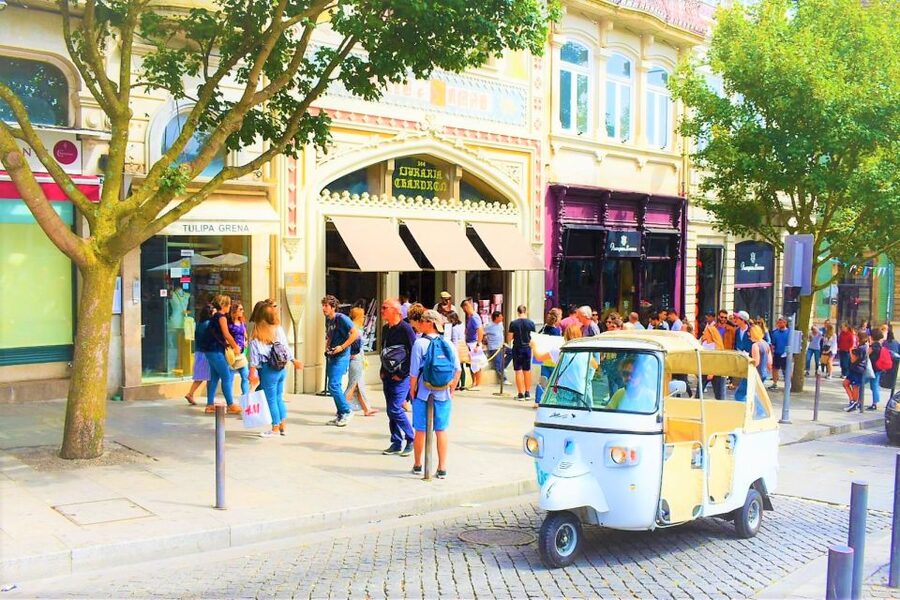
- Tuk-tuk plus short walks to cover multiple Jewish quarters without spending the whole day in transit
- Hidden synagogue stories tied to specific neighborhoods, not vague “old town” talk
- Holocaust Museum entry tickets included to add weight to the historical narrative
- Kadoorie – Mekor Haim exterior viewing so you see the architecture even if interior access isn’t available
- Kosher Port wine glass for a taste of regional culture in a Jewish-heritage context
A Jewish Heritage Tour That Actually Helps You See Porto
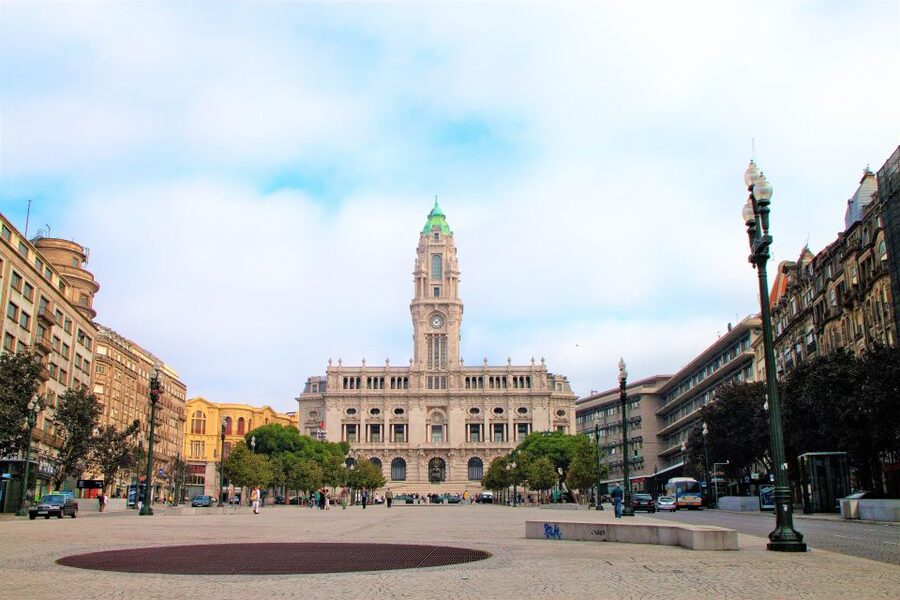
Porto’s famous for its riverfront views and tiled facades. But the city also has layers of identity that show up in architecture, street patterns, and repurposed religious sites. This tour is built for that kind of seeing.
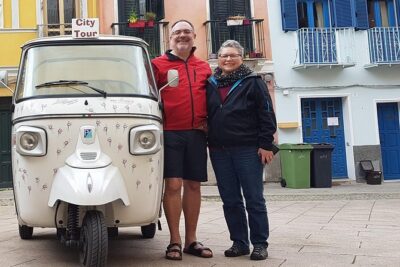
I like the practical balance. You’re not stuck walking long distances, and you’re not stuck bouncing past everything with no time to look. The mix of tuk-tuk movement and short walks means you can get from medieval corners to later neighborhoods while still stopping when something matters.
And then there’s the emotional thread. The Holocaust Museum tickets bring you from medieval community life into the 20th-century reality that shaped Jewish history in Europe. It’s the kind of context that turns “heritage sightseeing” into something you’ll remember.
You can also read our reviews of more tours and experiences in Porto.



Meeting at Café Batalha and Feeling the 3.5-Hour Rhythm
You meet in front of Café Batalha, a very recognizable city-center point. From there, the experience unfolds over about 3.5 hours in a private group, guided in English, Spanish, or Portuguese depending on your selection.
In a private tour, the pacing usually feels more human. Your guide can slow down for questions, explain connections between neighborhoods, and adjust when something is closed. Still, you should expect a steady rhythm: you’re moving between areas on a set route, with a few purposeful stops.
One logistics note that matters: you’ll do an uphill cycling stretch until you reach the bridge that takes you to the other side. It’s not described like a long hike, but it is a real effort step. If you know you’re sensitive to steep uphill climbs, plan for that in your energy level and footwear.
Medieval Porto Origins: São Lourenço Church and the Story in Repurposed Space
The tour begins with Porto’s medieval origins. You’ll walk past places tied to where Jewish communities lived alongside the Christian community. This is one of the most effective ways to learn: instead of treating history like a museum display, you connect it to the living city.
The key stop here is the oldest Jewish synagogue in town, which is now understood through São Lourenço Church, built in the 16th century. That naming shift is important. It reminds you that places can change function over time, while the physical footprint and community memory remain.
As you move through this section, you’re also looking for what people left behind—small marks in the city fabric, street cues, and landmark locations that help explain how communities clustered. For me, this part is where the tour stops being “interesting” and starts becoming “clear.”
Practical tip: bring your camera early. Many of the best clues are visual and happen quickly while you’re in motion.
Comércio Street and the Secret Synagogue in an Old Store
From the medieval core, you pass by Comércio Street, where the Jews had a secret synagogue located inside an old store.
This is the kind of detail that makes the tour feel more than standard sightseeing. A secret synagogue isn’t just a building fact. It signals pressure, limits, and the need to adapt. And because it was hidden in a commercial setting, it also hints at how daily life and survival were interwoven.
On this portion, you’re mostly in “notice mode.” You’ll be passing and seeing key points tied to the story rather than treating it like an all-access building entry. If you’re the type who likes to understand the why behind the where, you’ll probably enjoy this stop the most.
Miragaia: The Second Jewish Quarter Built by Wealthier Families
Next comes Miragaia, described as the second Jewish quarter, built by the richest Jews in the 14th century.
That detail changes how you picture the neighborhood. It’s not just “a place where Jews lived.” It’s a clue that the community wasn’t uniform and that economic status influenced where people settled.
As you explore Miragaia, focus on how the area’s scale and location help you imagine a community with resources. Even when you can’t see anything labeled for you, the street structure and building placement often make the narrative feel more real.
This is also a nice shift in the tour’s tone. After earlier sections tied to older origins and repurposed sacred spaces, Miragaia adds the layer of everyday neighborhood life tied to prosperity.





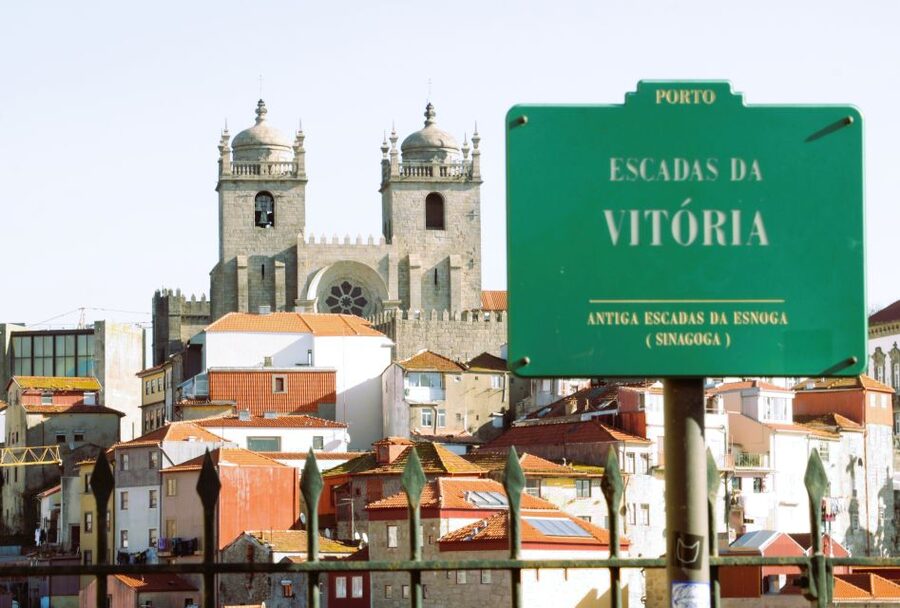
Vitória Neighborhood: Main Quarter Life Until the Inquisition
Then you head to Vitória, the main Jewish quarter in Porto, built in the 14th century. The tour explains that Jews lived here until the Inquisition, and you’ll also explore landmarks connected to that era.
This portion is heavier, and it’s good to let it land. When a tour spells out an end point like that, you can feel the time gap opening in your mind. It’s easy to treat history as a timeline. Here, the “until the Inquisition” framing turns it into a story of forced change.
There’s also mention of a secret synagogue in Vitória that was discovered in this century. That’s another compelling idea for you to keep in your head: the past isn’t just gone. Sometimes it is literally found again—quietly—after centuries.
Like the earlier secret synagogue story on Comércio Street, you’re being trained to notice how places can hold secrets even when signage doesn’t.
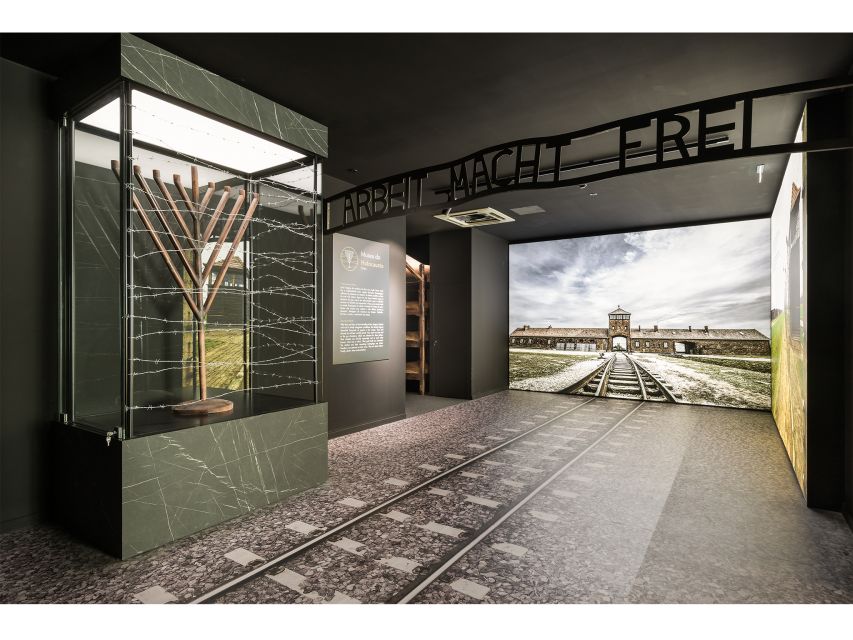
Holocaust Museum Tickets: Make Them Count If It’s Open
Your tour includes entry tickets to the Holocaust Museum. In practice, that means you should plan your mindset for a visit that can be emotionally intense, even if you only spend part of your time there.
Because museum openings are not guaranteed every day (and some sites may be closed), don’t assume you’ll have full access to everything inside. But when it is open, this stop is where the tour connects centuries of community life to modern European history.
If you’re traveling with someone who likes facts, this is often the section that creates the most thoughtful questions. If you’re traveling solo, it’s also the part that tends to stick with you most.
Kadoorie – Mekor Haim: Impressive Exterior Views and the Limits of Access
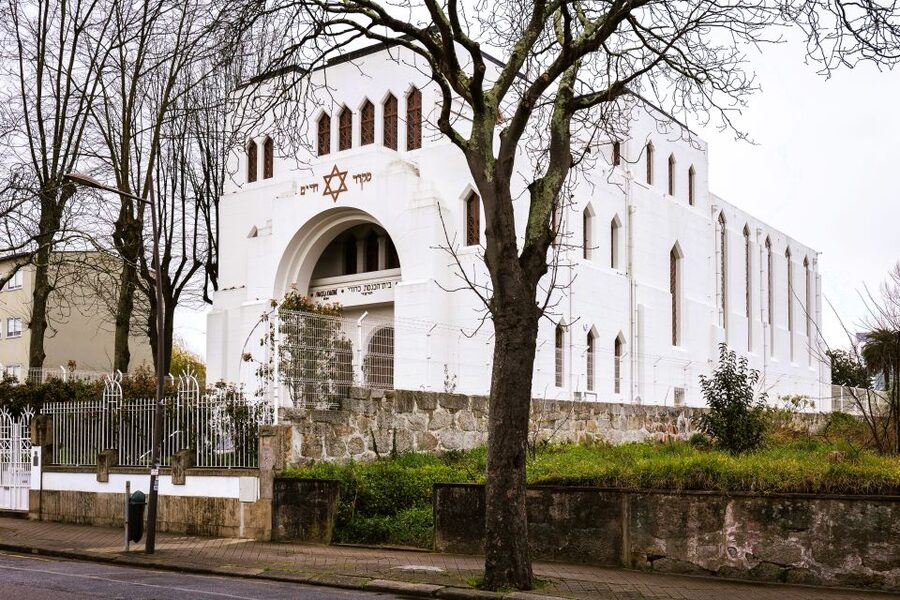
The final major cultural landmark is Synagogue Kadoorie – Mekor Haim. You’ll be able to see it from the outside.
That outside-focused approach is important. It keeps your expectations realistic. One of the reviews notes that the inside of the synagogue is not open to tours, so you should treat exterior viewing as the main experience here. The architecture still matters, though. You’ll get the visual impact without building access.
If you’re hoping for a full inside visit, this is the place to adjust expectations early. Think of it like arriving at a landmark in the city: you’re honoring it, seeing it, and learning what it represents—even if your path doesn’t include a guided interior walk.
Kosher Port Wine: A Small Sip With Real Context
One of the tour highlights is a glass of Kosher Port Wine.
This isn’t just a food-and-drink add-on. It connects Porto’s signature drink culture—Port wine—to Jewish heritage through a kosher lens. You get a sensory way to remember the tour, which can be helpful when so much of the day is about history and place.
I’d treat the sip as a break and a reset. It’s a natural moment to slow down, breathe, and let the stories from earlier quarters settle.
Price and Value: Is $104 Worth a Private 3.5-Hour Tour?
At $104 per person for a private experience, the value depends on how you like to travel.
You’re paying for three things working together:
- a guided route that links multiple quarters into one narrative
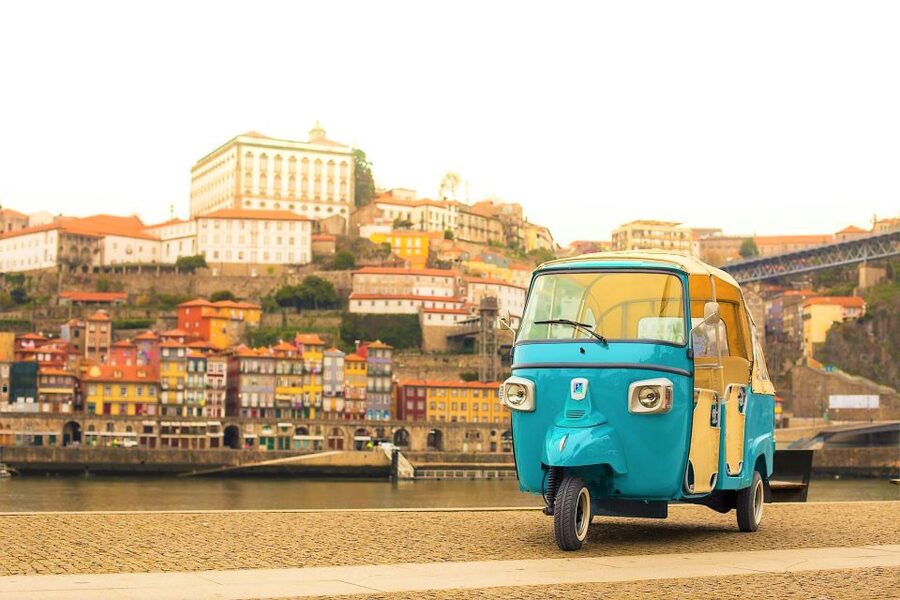
- tuk-tuk time that reduces dead travel between neighborhoods
- included extras like the Kosher Port Wine glass and Holocaust Museum entry tickets
If you were to try this alone, you’d likely spend time figuring out where to go, which sites have changed function, and what connections tie them together. This tour does that thinking for you and compresses it into a few hours.
The only real value risk is the timing of closures. If multiple museum or site interiors are unavailable, you might feel like the tour turned more into sightseeing passes than hands-on learning. Still, the structure is built around neighborhood context and exterior landmarks, so there’s usually a lot you can keep even when access changes.
What I Think This Tour Fits Best
This is a strong choice if:
- you want Porto’s Jewish heritage explained through specific neighborhoods
- you prefer a guided route with a mix of riding and short walking
- you like the idea of adding the Holocaust Museum context rather than skipping it
It may be less ideal if:
- you dislike any uphill physical effort (because of the uphill cycling stretch)
- you expect guaranteed interior access to every stop on every date
- you prefer long, slow museum-style time rather than a paced city-route format
Good to Know Before You Go: Cameras and That Uphill Stretch
Two practical items to plan around:
- Bring your camera. Many of the key points are visual and you’ll want to capture street-level landmarks.
- Expect cycling uphill until you reach the bridge that takes you to the other side. Wear shoes you trust on uneven city ground, and don’t schedule a marathon afterward.
Also, because you’re in a private group, you’ll benefit from asking direct questions as you move. If you want clearer connections between quarters, this is the moment to ask.
Language note: the guide can work in English, Spanish, or Portuguese, which is great if your group includes mixed-language comfort levels.
Should You Book Porto Jewish Heritage by Tuk-Tuk?
I’d book it if you want a guided route that turns Porto’s neighborhoods into a story, not just a checklist. The combination of tuk-tuk convenience, secret synagogue neighborhood context, a Holocaust Museum stop, and the Kosher Port wine touch makes it feel like a complete package for people short on time.
I’d pause and double-check your expectations if you are traveling during a time when sites could be closed, or if your plan depends on entering every building. If you can accept that some parts may be limited and you’ll focus on what’s accessible, this tour is still a smart way to learn.
If your schedule is tight, it’s also worth knowing the tour is designed as a steady 3.5-hour experience, so you’ll get a lot of connected information without needing a full day.
FAQ
Where does the Porto Jewish Heritage tour meet?
The meeting point is in front of Café Batalha.
How long is the tour?
The duration is 3.5 hours.
What is included in the price?
The tour includes a guided tuk-tuk experience, a glass of Kosher Port Wine, and entry tickets to the Holocaust Museum.
What languages are available for the live guide?
The live tour guide offers English, Spanish, and Portuguese.
Can you visit Synagogue Kadoorie – Mekor Haim inside?
You’ll see Synagogue Kadoorie – Mekor Haim from the outside on this tour.
Is there uphill cycling or steep walking?
Yes. You’ll cycle uphill until you reach the bridge that takes you to the other side, plus there are short walks as you move between stops.