REVIEW · PORTO
Historic Porto by Private Electric Tuk Tuk to Top Landmarks
Book on Viator →Operated by Living Tuk Tuk · Bookable on Viator
Porto is best first seen from a moving viewpoint. This private 100% electric tuk-tuk tour gives you a quick hit of the city’s big landmarks, so you can plan the rest of your days with confidence. I especially like the way guides turn street corners into stories, and how the ride covers hilly ground without tiring your legs. One thing to consider: new rules and traffic can limit how close tuk-tuks get in the historic center, so your route may shift toward wider viewpoints like Gaia.
Because it’s private, you’re not squeezed into a big group. You get a driver-guide who can adjust pace and focus to your interests, and you’ll get that helpful “where am I?” context fast. Guides whose names have come up include Miguel, Andreas, Diego, Johanna, Nicole, Beatriz, Helena, and Ana, and the common thread is storytelling tied to what you’re actually seeing outside.
The tour runs about 50 minutes, ends where it starts, and uses a mobile ticket. It’s booked as a first-day, orientation-style outing—but don’t pack your next plans too tight, since the city can slow things down.
In This Review
- Key takeaways before you go
- Why a 100% electric tuk-tuk fits Porto so well
- Meeting point at R. do Corpo da Guarda 18, and how the 50 minutes play out
- São Bento Station: seeing why it’s famous without getting stuck
- Aliados Avenue: Porto’s central spine in one guided stretch
- Carmelitas Church: a 17th-century story you can see on the facades
- Clérigos Tower: the postcard landmark and what your guide points out
- Cobblestones, small restaurants, and Douro views from higher points
- When old Porto access changes: what to expect and how to stay happy
- Your guide matters: storytelling names I’d look for on the day
- Included walking tours: how you can get more Porto for your money
- Price and value: is $42.33 worth it?
- Who should book this private electric tuk-tuk tour
- Quick reality check: what this tour is not
- Should you book Historic Porto by Private Electric Tuk-Tuk?
Key takeaways before you go
- Electric tuk-tuk comfort: easier on the body than walking steep streets, and the ride stays clean and quiet compared with louder alternatives.
- Landmark-first route: you’ll target São Bento Station, Aliados Avenue, Carmelitas Church, and Clérigos Tower for instant Porto context.
- Guide storytelling at street level: from Miguel to Ana, guides often mix history with practical tips you can use right after.
- Photo stops and viewpoints: you’ll get chances for wider skyline views, including from higher points over the river.
- Know the route may adapt: vehicle restrictions around old Porto can change how close you get, with Gaia views sometimes taking the lead.
Why a 100% electric tuk-tuk fits Porto so well
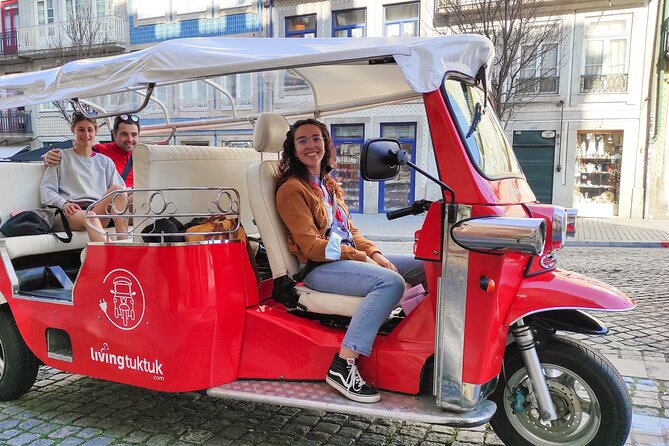
Porto’s center can feel like a workout. Even on a “short” day, the hills stack up fast, and you end up walking slower than you want. An electric tuk-tuk solves that. You cover ground between the places you’ve come for, then you can switch back to walking later with more direction.
I also like that the ride is private with a small cap (up to 6 per tuk-tuk). That matters in a city where sound carries and vehicles move through tight streets. You’ll spend less time waiting, and more time actually looking at what your guide is pointing out.
The electric aspect isn’t just feel-good. It tends to make the ride calmer, which helps if you’re trying to listen to commentary while you’re moving. Some riders noted audio can be tricky if you’re not positioned close to the guide, so if you care about hearing every detail, sit where you can hear clearly.
You can also read our reviews of more tours and experiences in Porto.



Meeting point at R. do Corpo da Guarda 18, and how the 50 minutes play out
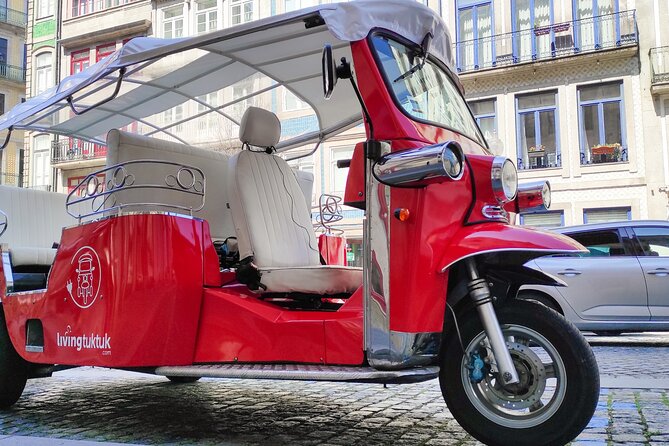
Your tour starts at R. do Corpo da Guarda 18, 4000-069 Porto, and it ends back at the same meeting point. That “loop back” format is convenient: no hunting for a new pickup spot after your ride.
Check-in is typically quick, but a few people found the meeting spot a bit hard to locate at first. I’d treat it like this: open your map before you arrive, be ready to show your mobile ticket, and plan to arrive a few minutes early so you don’t start the ride stressed.
Expect about 50 minutes, but the real timing can shift with traffic. If you’re planning a tight lunch reservation or a timed museum visit right after, leave a cushion. Porto can run late when vehicles, pedestrians, and city rules all collide.
São Bento Station: seeing why it’s famous without getting stuck
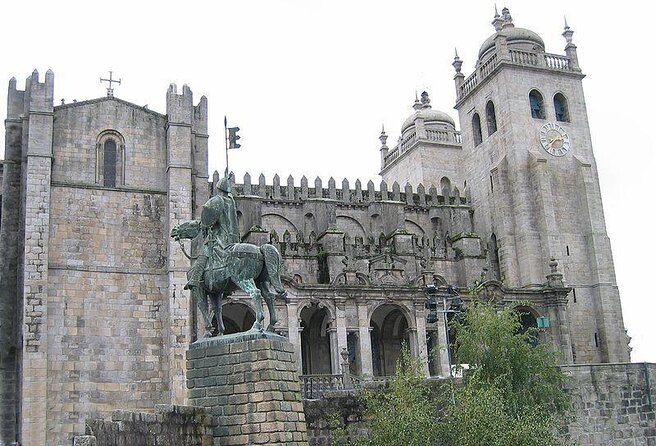
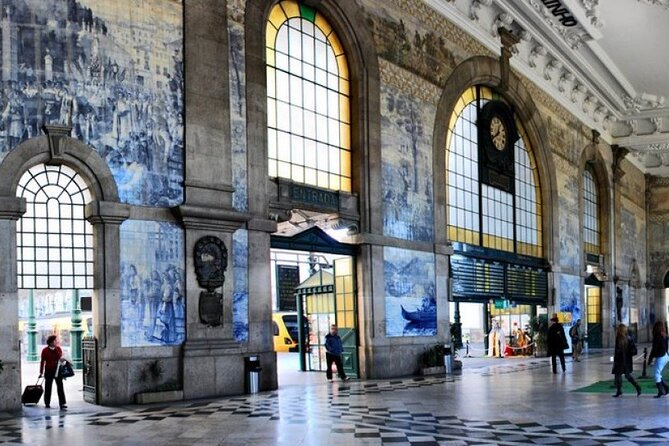
One of the first big stops is São Bento Train Station. It’s widely described as one of the most beautiful stations in the world, and even if you don’t do an in-depth visit, seeing it as part of a route gives you instant Porto orientation.
Here’s what makes this start smart: a station stop sets a tone for the entire city. It’s a point where architecture, history, and movement meet, and it helps you understand Porto isn’t just hills and river views. It’s also a city with identity built into public spaces.
Practical note: the tour is built for viewing and learning, not for timed entry into museums or monument interiors. So if a “must-see” for you is something that requires a ticketed entry, plan that separately.
Aliados Avenue: Porto’s central spine in one guided stretch
Next up is Aliados Avenue, Porto’s main avenue and city center. This is where your guide can do a lot of the “map talk.” When you start your Porto trip at landmark scale, the rest of the day becomes easier to navigate.
Why Aliados works on this kind of tour:
- It’s a natural landmark for orientation.
- It’s a corridor where you can understand the city layout quickly.
- You get context for where you’ll want to walk later.
If you like photos with “big city” energy, this stretch is often a good one. And because it’s part of a guided route, you’re not just moving through it—you’re learning what makes it emblematic.
Carmelitas Church: a 17th-century story you can see on the facades
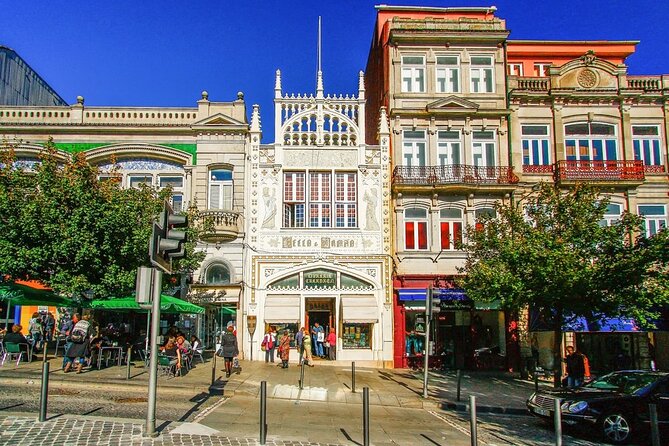
Carmelitas Church is a highlight built around one key fact: construction began in the 17th century. That gives the stop a clear hook, and your guide explains what you’re looking at while you observe the facades.
What I like about this stop is the way it turns architecture into a timeline. You’re not just reading plaques later—you’re learning the “why” while the building is in front of you. That’s one reason people come away feeling like they understand Porto instead of just collecting pictures.
If you’re a “buildings tell stories” person, this is a good match. If you only care about views, you might find this stop more about context than scenery—but it’s still valuable.





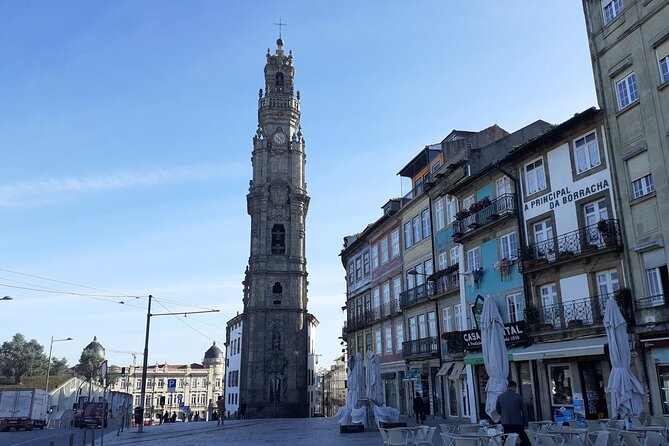
Clérigos Tower: the postcard landmark and what your guide points out
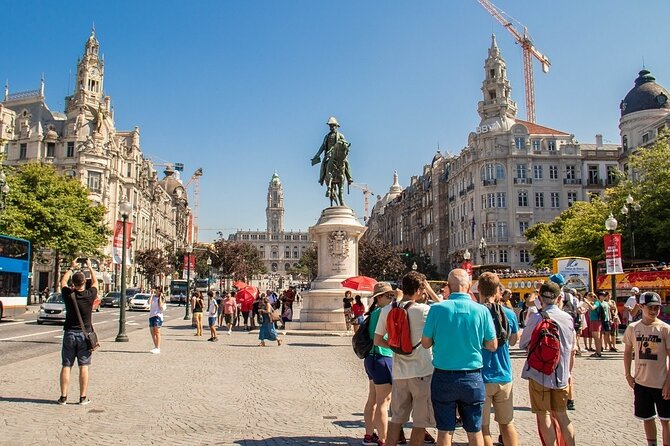
Then comes the Tower of Clérigos, often considered Porto’s postcard. It’s part of a broader architectural ensemble, and that matters: this isn’t just one tower in isolation. It’s a recognizable silhouette and a landmark that anchors how you think about the city center.
On a short tuk-tuk outing, this is exactly the type of stop you want. It gives you a reference point for later. After you see it from the road (and hear the explanation), you’ll notice it again in your later wandering, even if you never do a tower climb.
A heads-up: the tour can’t replace paid monument entries. Tickets to monuments and museums aren’t included. So if climbing or interior access is on your list, you’ll need a separate plan.
Cobblestones, small restaurants, and Douro views from higher points
A major part of this experience is the “feel” of Porto: cobbled streets and traditional Portuguese food spots clustered along the lanes. Even if you don’t stop for a meal during the ride, you’ll get a sense of where locals would go when they want something simple and good.
You’ll also get views of the Douro River from higher points. That’s a big value add. From streets level, Porto can look complicated—stairs everywhere, turns that hide the view you wanted. From viewpoint height, it clicks. Your brain finally maps what your eyes have been seeing.
This is also where route changes can matter. When vehicle rules limit access to the tightest parts of old Porto, your guide may lean more into viewpoints. The goal stays the same: help you understand the city, even if you can’t drive right up to every iconic corner.
When old Porto access changes: what to expect and how to stay happy
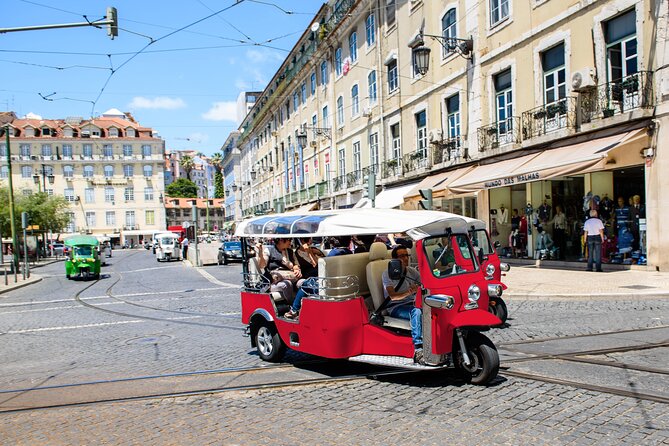
Here’s the honest reality. In 2024, there were reports that tuk-tuks could be restricted from operating right in the historic center. When that happens, the tour may shift toward Gaia and viewpoints across the river instead of getting close to some of the most central walking lanes.
This is the most important consideration for your expectations:
- The tour can still be useful for orientation and photo-worthy views.
- You may not get the exact same “drive-by close to everything” experience you pictured.
- You can lose time that would otherwise go inside the dense historic core.
The good news is that the operator includes a Porto City Walking Tour available from the day after your experience. And they also promote a separate free shared walking tour with Living Tours (daily departures at 9:30 a.m. and 4:30 p.m.). So even if the tuk-tuk route ends up more viewpoint-heavy, you can make up for it on foot afterward.
My advice: if Porto’s historic center is your top priority and you have limited time, build your schedule with flexibility. Plan your ticketed museum or monument visits based on what you still want after the ride, not before.
Your guide matters: storytelling names I’d look for on the day
The guides are where this tour turns into more than a ride. People have highlighted guides such as Miguel, Andreas, Diego, Johanna, Nicole, Beatriz, Helena, and Ana for making stops feel alive.
What stands out across the names:
- Friendly pacing and humor that keeps you engaged.
- Explanations tied directly to what you can see outside.
- Practical suggestions—especially what to do next after the tuk-tuk.
One smart feature: some guides ask what you care about and adjust the tour accordingly. If you tell your guide you want architecture, viewpoints, or quick local food context, it can shape the route and photo stops.
If you’re sensitive to sound or you sit farther back, consider positioning yourself where you can hear the guide best. A few people reported it was hard to hear over the ride, so that’s not something to ignore if you came for the stories.
Included walking tours: how you can get more Porto for your money
This experience doesn’t end when the tuk-tuk stops. You also get a Porto City Walking Tour available from the day after your experience. That’s a strong add-on because it fills the gap that exterior-only driving can’t cover.
Walking is where you slow down enough to notice details: doorways, street patterns, small squares, and the kind of old-world shortcuts Porto is famous for. The tuk-tuk helps you choose where to walk. Then the walking tour helps you understand what you’re looking at once you’re there.
If your tuk-tuk route gets altered toward Gaia, a follow-up walking tour is a smart way to still reach the historic center’s core atmosphere on foot.
Also, the company advertises a free walking tour (shared) with Living Tours at 9:30 a.m. and 4:30 p.m., departing from Rua Mouzinho da Silveira 352. That’s another helpful option if you want extra context without spending more.
Price and value: is $42.33 worth it?
At about $42.33 per person for roughly 50 minutes, you’re paying for three things:
- Private, electric transport in a city where getting around can be slow and tiring.
- A guide who explains landmarks on the move, so your first day isn’t just wandering.
- Value-added walking tour support after the ride.
This can be a great deal if you’re:
- Visiting for a short time and want fast orientation.
- Not excited about uphill walking for hours.
- Traveling with a small group and want personal attention.
It may feel less worth it if you expected ticketed museum time or close access to areas you can only reach on foot. Remember: tickets to other activities and entries to museums and monuments are not included. This tour is about topside views, facades, and city context—not paid interior access.
Also, if your ride ends up more viewpoint-focused due to vehicle restrictions, you’ll want to lean on the next-day walking tour to get the deeper historic experience.
Who should book this private electric tuk-tuk tour
I’d point you to this tour if you want:
- A first-day Porto orientation that helps you plan the rest of your trip.
- A low-effort way to see major landmarks like São Bento, Aliados Avenue, Carmelitas Church, and Clérigos Tower.
- A guided route without long stretches of hilly walking.
- A small-group experience with plenty of attention from the guide.
It’s also a reasonable choice if you care about photo stops and river views. The Douro viewpoint angles can be a big payoff.
If your trip is tightly scheduled and you need guaranteed access into the densest parts of old Porto by vehicle, keep flexibility. City rules can shift, and your route can adapt.
Quick reality check: what this tour is not
To avoid disappointment, know what the experience is built to do—and what it won’t.
- It’s not a museum ticket bundle. Monument and museum entries are not included.
- It’s not a long, deep walk through the historic center. You’ll get highlights and context, then you’ll expand on foot later.
- It’s not guaranteed to drive right to every historic doorstep in the old center if restrictions apply.
When you match your expectations to that, the tour becomes a smart first step rather than a box-checking exercise.
Should you book Historic Porto by Private Electric Tuk-Tuk?
Yes, I think this is a solid booking for many first-timers—especially if you value orientation, guided landmark context, and easier movement through Porto’s hills. The private format and electric ride make it feel efficient, and the included next-day walking tour is a real “do more with less friction” advantage.
Book it with one condition: plan your schedule with a little breathing room, because route access can change and timing can be affected by traffic. If you treat the tuk-tuk as a way to learn where to go next (and then rely on the walking tour to go deeper), you’ll get your money’s worth.