REVIEW · TOKYO
Ride a rickshaw wearing a kimono in Asakusa! Enjoy authentic traditional culture!
Book on Viator →Operated by 浅草着物レンタル華雅 · Bookable on Viator
Asakusa looks different when you wear a kimono. This experience pairs a pro dressing setup with a rickshaw ride and a photo moment, so you’re not just sightseeing—you’re dressed for it. The main catch: kimono sizing can mean an extra 1,000–2,000 yen fee depending on your size.
I like how the shop handles everything as a true rental, not a DIY project, and keeps the process organized and hygiene-focused. There can be a small challenge finding the place, but Google Maps and clear directions help, and you’ll be rewarded with a very “Tokyo in a storybook” walk afterward.
In This Review
- Key Highlights You’ll Care About
- Why This Asakusa Kimono-and-Rickshaw Combo Works
- Price and What You Actually Get for $52.17
- Step-by-Step at HANAKA: From Meeting Point to Ready-to-Ride
- Hair, Accessories, and Shoe Rules (Read This Before You Go)
- The Rickshaw Ride: Getting to Kaminarimon and Sensoji by Choice
- Your Asakusa Time Until 6pm: How to Use It Well
- Sizing Reality Check: When You Pay More for a Better Fit
- Timing, Getting There, and What to Expect When You Land
- Should You Book This Asakusa Kimono-and-Rickshaw Experience?
- FAQ
- What’s included in the kimono rental?
- Do I need to bring anything?
- How long does it take to get dressed?
- How long is the rickshaw ride?
- Where will we get off to explore?
- Can I choose my kimono?
- Is there an extra fee for larger kimono sizes?
- Is a yukata used instead of a kimono at certain times?
- What should I bring for weather?
- What’s the cancellation and refund rule?
Key Highlights You’ll Care About
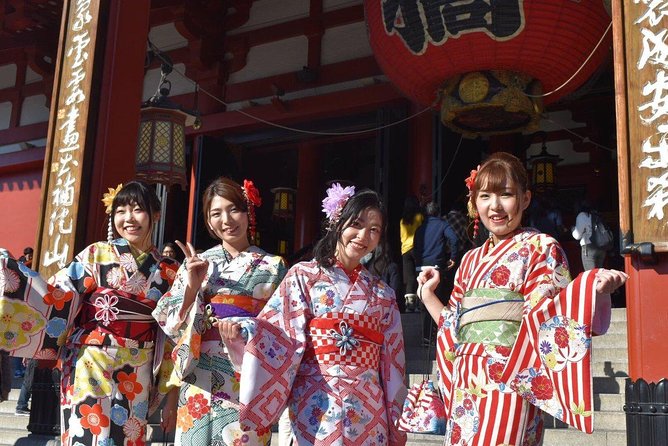
- Full kimono + styling included: hair, accessories, and sandals/clogs are part of the deal
- Photo time built in: you’ll get a commemorative shot before you ride
- Safety-first rickshaw experience: a dedicated driver plus tourist-style info on the car
- Small group size: capped at 5 travelers, so it stays personal
- Season switch: yukata is used from June to September
Why This Asakusa Kimono-and-Rickshaw Combo Works
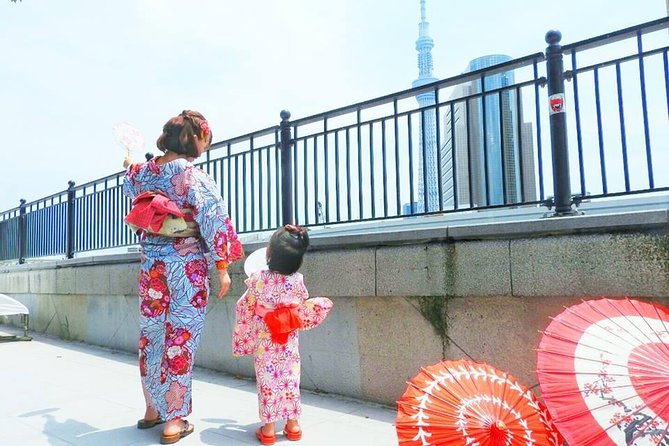
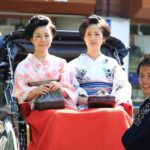
Asakusa is one of the easiest places in Tokyo to feel like you stepped into older Japan. The kimono rental turns that area from a normal walking day into something more tactile: the fabrics, the silhouette, the way you move a little differently, and the photos you’ll want to take as you pass landmarks.
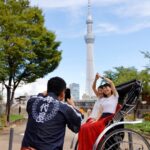
What makes this combo especially smart is that the rickshaw isn’t just transportation. You get picked up in front of the shop, snap a commemorative photo, and then discuss where to get off with the driver. That means you can steer your day toward the Asakusa sights you actually care about, rather than getting dumped at a random drop-off.
One more thing I really like: the staff setup is clearly designed to prevent chaos. You’re starting at a dedicated rental shop, and the rickshaw side is framed around safety and keeping the ride smooth—important when you’re dealing with unfamiliar clothing, unfamiliar sidewalks, and camera-ready moments.
The only real downside is the kimono sizing reality. If you need a larger fit, the price can rise that day, and it’s not optional.
Price and What You Actually Get for $52.17
At about $52.17 per person, the value here comes from what’s included, not the sticker price. You’re paying for a full outfit experience: the kimono rental itself plus hair styling and accessories, and then a rickshaw ride that puts you near major Asakusa sights.
Also included are practical basics: a drawstring bag and sandals (or summer clogs during the warm months). Those items matter more than you’d think. Comfortable, correct footwear helps you enjoy the walking portion instead of spending the day worrying about blisters or slipping.
What’s not included is also useful to know in advance:
- Rain gear and cold protection (plan to bring your own)
- Photography equipment or accessories for photos
So the “true cost” isn’t just the advertised amount. If your body size needs a larger kimono, expect an extra 1,000 to 2,000 yen paid directly on the day.
If you’re the type who wants the full moment—wear the outfit, get styled, ride the rickshaw, then wander—this is one of the more complete ways to do it in Asakusa.
Step-by-Step at HANAKA: From Meeting Point to Ready-to-Ride
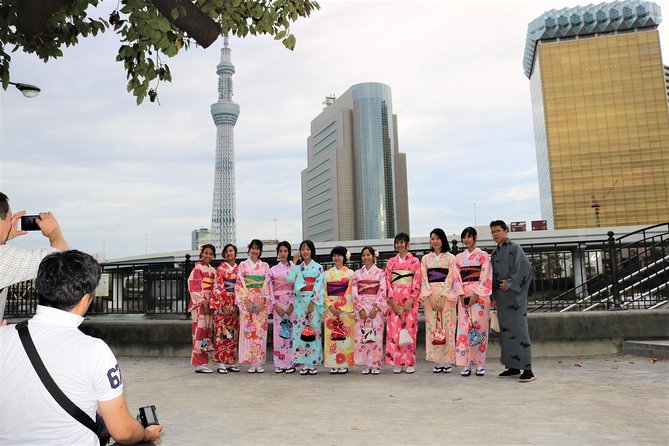
You meet at HANAKAJapan, 111-0034 Tokyo, Taito City, Kaminarimon, 2-chōme37 Dwell Asakusa IV 4F. The shop hours shown run from 11:00 AM to 2:00 PM across the year, and the experience totals about 6 hours.
Once you arrive, you’ll start with the kimono rental and dressing process at the meeting point, at about 30 minutes. The tour is set up so you don’t bring much with you—this is a complete rental. You also won’t have to worry about sourcing hair tools or accessories; those are included as part of the styling.
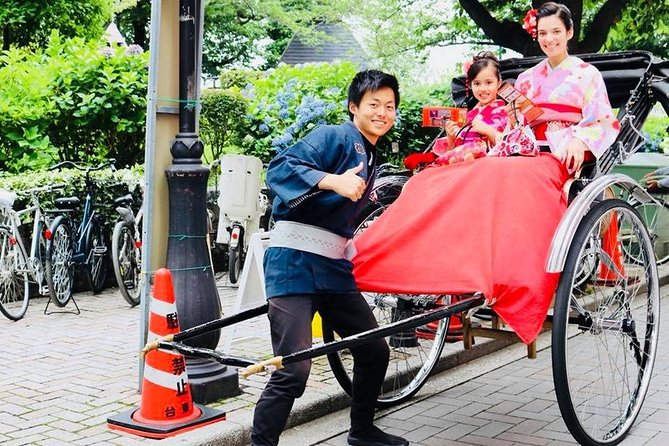
After you’re dressed, a rickshaw will come to pick you up right in front of the shop. Before you board, there’s a commemorative photo moment. Then you hop on and get underway for roughly 12 minutes before you reach the area near Kaminarimon and Sensoji Temple.
That sequence is the practical win. You’re not spending half the day hunting down an outfit shop, then another half figuring out how to wear it. You get a timed flow: change, style, photo, ride, explore.
Hair, Accessories, and Shoe Rules (Read This Before You Go)
The styling part is where many “kimono day” plans fail, because it turns into a rushed scramble. Here, you’re working with a professional kimono dressing instructor and a hairdresser with a national qualification. The hair setup includes what you’d expect—hair styling and accessories—plus the shop notes hygiene management is managed firmly since the hairdresser is a full-time shop.
One practical note that you’ll feel immediately once you’re there: footwear rules. You can’t bring your shoes inside the actual store, and you’ll be directed on what to do with your own footwear. They provide sandals/clogs as part of the rental, and they’ll manage shoe handling for you.
If you like photos, this setup is also designed for them. You’ll do a commemorative photo before the rickshaw ride, and then you’ll have the time window afterward to take more pictures while exploring.
Language can be a factor. In some cases, staff may not speak a lot of English. That’s not a dealbreaker, but you should be ready to follow instructions quickly and use simple questions or point to where you want to get off.
The Rickshaw Ride: Getting to Kaminarimon and Sensoji by Choice
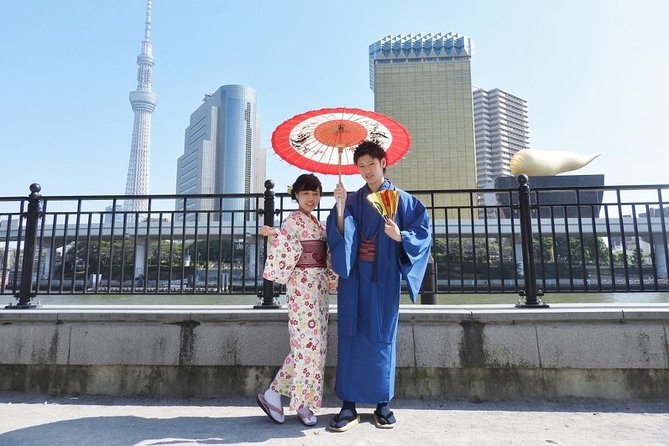
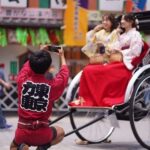
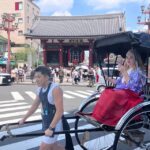
The rickshaw part is short by design—about 12 minutes—but it hits the mood of Asakusa in a big way. You’ll be picked up in front of the shop, snap a commemorative shot, and then the driver takes you toward the big landmark area.
What I like most is the flexibility. After boarding, you can discuss where to get off with the driver. That means you’re not stuck doing a one-size-fits-all route. If your priority is the area around Kaminarimon and Sensoji Temple, you’ll be set up for that right away.
This is also where the “tour color” comes in. The rickshaw has tourist information built in, so the ride isn’t silent and awkward. You still get that slow-travel feel, but with enough guidance to understand what you’re seeing.
Safety is emphasized. Rickshaws can look intimidating at first if you’re not used to them, but the experience is described with safety-first operations, which matters when your outfit is delicate and you’re wearing garments you don’t normally wear.
Your Asakusa Time Until 6pm: How to Use It Well
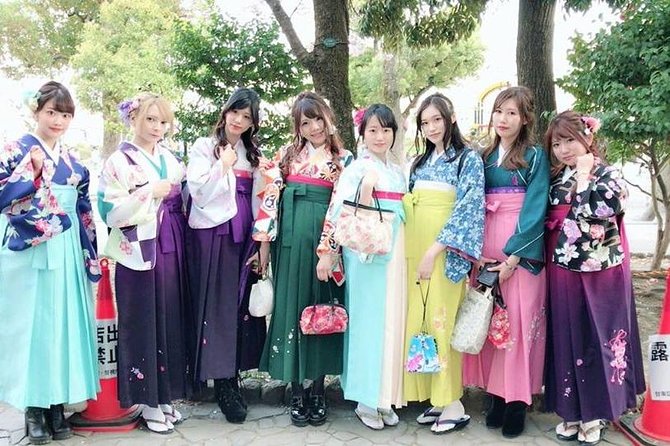
After you get off near Kaminarimon and Sensoji Temple, you’re free to explore until the return time at 6pm. That time window is where you turn the outfit into memories: photos, snacks, shopping, and strolling the old-street vibe.
Here’s a simple way to plan your wandering so you don’t feel rushed. Pick one main goal you can accomplish without stress, like taking photos near the gate area, then add one food stop you’re craving. If you go too broad, you’ll spend the evening trying to fit everything in.
Also, treat the kimono like a scheduling tool. You might move a bit slower, and you’ll want to keep your route simple. That’s not a complaint—it’s part of the charm. It makes you slow down and actually look at storefronts and side streets.
Don’t forget you’re in a kimono rental day, not just a ride. The rental shop will end the experience back at the meeting point, so after your exploring, plan a smooth walk back and avoid leaving it until the last minute.
If you want extra ride time, one review example mentioned an add-on: an extra half-hour ride for 10,000 yen for two rickshaws. That kind of upgrade may be possible depending on your day and availability, so ask on-site if you want more.
Sizing Reality Check: When You Pay More for a Better Fit
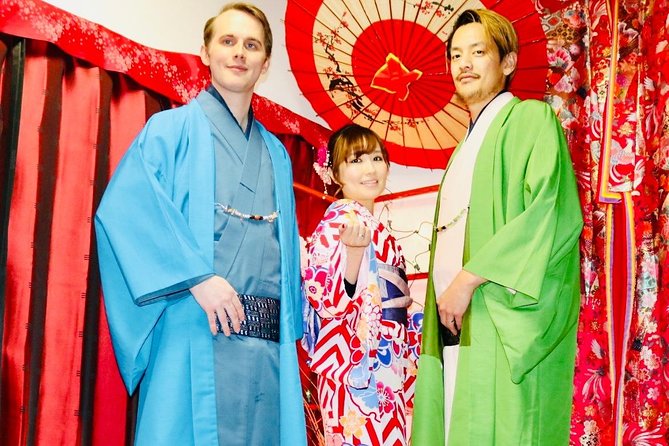
This is the part I think you should read twice before booking.
Kimonos come in standard Japanese sizing, and if you need a larger fit, there’s an additional fee of 1,000 to 2,000 yen paid directly on the day. The shop also shares guidance on height minimums for sizing needs: women should be at least 168 cm, and men should be at least 175 cm. You might still be fine outside those ranges, but the point is clear: sizing isn’t automatic for every body type.
The reason this matters isn’t just money. A too-small kimono can make you uncomfortable, and uncomfortable turns into photos you don’t love and a day you rush through. A better fit keeps the outfit looking right and makes walking far more enjoyable.
If you’re worried, do a quick self-check before you go: are you likely to need more room in the bust or waist? The shop notes that sizing depends on more than height and weight. That means you shouldn’t rely only on scale numbers.
One more real-world detail from experience accounts: some people felt the extra fee based on body measurements could be frustrating. If you’re concerned about extra charges, ask questions ahead of time when you book, and be ready to confirm your fit during the process.
Timing, Getting There, and What to Expect When You Land
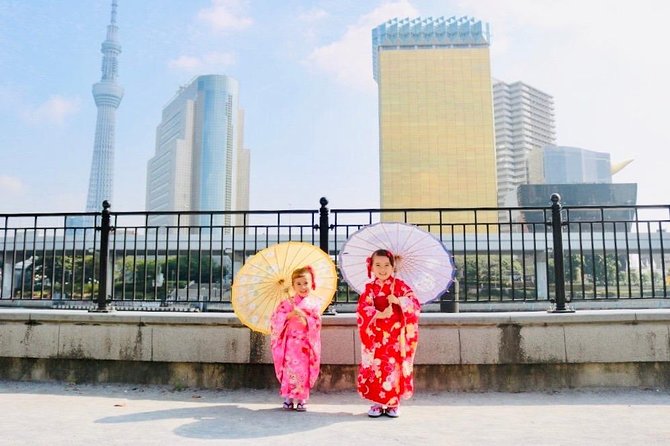
The experience runs about 6 hours, and the shop opens for check-in between 11:00 AM and 2:00 PM. That’s a wide window, which is good because it gives you flexibility in the day. It also means you’ll want to plan your Asakusa exploring around that kimono schedule, not the other way around.
The meeting place can be a little hard to spot. It’s located in a building above a street-level area, and reviews mention it’s in an alley and visible from the Asakusa subway line exit. If you rely on Google Maps, it’s usually manageable, but give yourself extra buffer time the first time you find it.
Group size is small—maximum 5 travelers—which is a strong reason to choose this over larger outfits. Less crowding means less waiting and less stress while you’re getting dressed.
Communication may be limited in English, so bring a calm mindset. You’ll do best if you follow instructions quickly and treat the staff directions as the main plan.
Weather matters too. Since rain gear and cold protection aren’t included, your comfort depends on what you bring. A kimono day is beautiful, but it’s still Tokyo weather.
Should You Book This Asakusa Kimono-and-Rickshaw Experience?
I’d book it if you want a full kimono day that includes the styling, not just the clothing. You’re paying for the whole package: kimono + hair + accessories + sandals/clogs + a rickshaw ride with a photo moment, plus a built-in block of time to explore near Kaminarimon and Sensoji Temple until 6pm.
You should think twice if kimono fit is a big unknown for your body size, because the larger-size fee can add up on the day. If you’re sensitive to that risk or you hate last-minute cost changes, contact the shop ahead of time and ask how sizing will work for you.
If you want one “high impact” day in Asakusa—cultural, photogenic, and guided without being overly complicated—this is a solid value. The small group setup and organized flow mean you’ll spend your time enjoying the look and the streets, not wrestling the process.
FAQ
What’s included in the kimono rental?
The package includes the kimono rental, complete hair styling and accessories, and sandals (or summer clogs in summer). You also get a drawstring bag.
Do I need to bring anything?
No. This is described as a complete rental, and you don’t need to bring anything for the dressing and styling portion.
How long does it take to get dressed?
The kimono and hair process takes about 30 minutes.
How long is the rickshaw ride?
The rickshaw pick-up and the ride portion are described as about 12 minutes.
Where will we get off to explore?
You can discuss where to get off with the rickshaw driver, and you’ll get off near Kaminarimon and Sensoji Temple.
Can I choose my kimono?
Yes. You can choose a kimono with peace of mind before you go.
Is there an extra fee for larger kimono sizes?
Possibly. If a larger size is needed, there may be an additional 1,000 to 2,000 yen fee paid on the day. Women should be at least 168 cm and men at least 175 cm for some sizing expectations.
Is a yukata used instead of a kimono at certain times?
Yes. Yukata is used from June to September.
What should I bring for weather?
Rain gear and cold protection are not included, so you’ll want to bring what you need for the weather.
What’s the cancellation and refund rule?
Free cancellation is allowed up to 24 hours in advance for a full refund. Canceling less than 24 hours before the start time isn’t refundable.