REVIEW · TOKYO
Sushi Making Tokyo with Traditional Rickshaw Ride Tour in Asakusa
Book on Viator →Operated by Sushi Making Tokyo Cooking Class in Japan · Bookable on Viator
Sushi, a rickshaw, and Asakusa magic. This Tokyo experience mixes a hands-on sushi-making class with a traditional rickshaw ride through Asakusa so you get both food and atmosphere in one smooth plan, all led in English. It’s also been recognized as a Travelers’ Choice Best of the Best type of activity, with standout rankings for gourmet and popular things to do.
I love two parts most: the sushi-making class with an English-speaking instructor who keeps it friendly and clear, and the rickshaw ride where the guide talks as you glide through Edo-period style streets. The one drawback to plan around is that there’s no hotel pickup, so you’ll want to be comfortable reaching the Kaminarimon meeting spot on your own.
In This Review
- Key Highlights You’ll Actually Feel
- Sushi and a Rickshaw: The Asakusa Combo That Makes Sense
- Step-by-Step Sushi Making in an English-Led Class
- The Kaminarimon Meeting Point: Easy to Find, No Hotel Pickup
- Glide Through Asakusa by Rickshaw (About 1.5 Hours)
- Weather Matters: When the Tour Can Shift
- Why the English-Only Format Works (and For Who It’s Best)
- Price and Value: Does $156.77 Add Up?
- Timing and What the 3.5 Hours Feels Like
- Staff Hospitality: The Human Part You Can’t DIY
- Who Should Book This and Who Should Skip It
- Should You Book This Sushi-Making Tokyo with Traditional Rickshaw Ride?
- FAQ
- How long is the sushi-making and rickshaw tour?
- Is the tour conducted in English?
- What’s included in the price?
- Is hotel pickup and drop-off included?
- Where do I meet, and when does the tour end?
- What’s the group size limit?
- Is the meeting point near public transportation?
- What happens if the weather is poor?
- Can I cancel for a full refund?
Key Highlights You’ll Actually Feel
- English-led sushi class with ingredients and a meal included
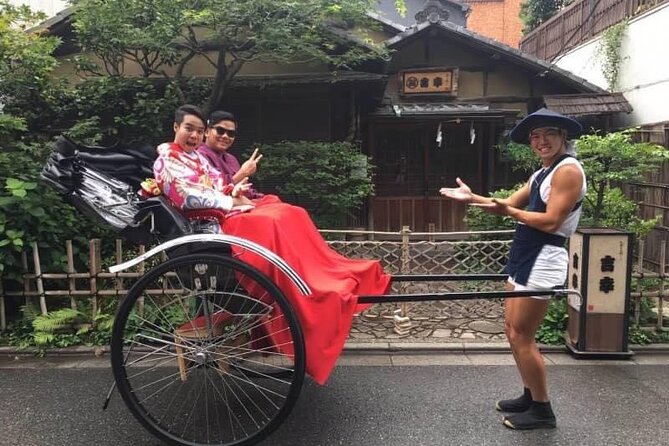
- Traditional rickshaw ride that takes about 1.5 hours and stays guided
- Asakusa, Edo-period atmosphere with an English-speaking host walking you through it
- Top-tier local hospitality—names like Shogo and Hero come up for warmth and knowledge
- Small group feel with a maximum of 30 people, so it doesn’t feel like a cattle car
Sushi and a Rickshaw: The Asakusa Combo That Makes Sense
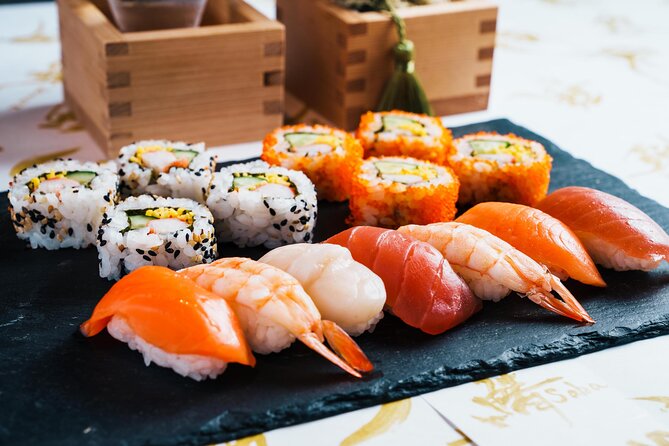
This tour works because it’s not just one “Tokyo activity,” it’s a matched set. You start with food—your hands, your choices, your finished sushi—and then you slow down with a rickshaw ride through an area built for wandering. In a city where you can easily spend the whole day chasing trains and schedules, this gives you a clear rhythm.
Asakusa is the kind of neighborhood where the streets feel like they’re trying to time-travel. The ride and the guiding are designed to lean into that Edo-period vibe, with stories and context while you’re outside seeing real streets—not just photos.
There’s also a real-world reason this format is attractive: you get the cultural side and the meal side together. If you’ve done Tokyo “looking only” before, this one gives you something tangible to take home—literally, in the form of what you make and eat.
Step-by-Step Sushi Making in an English-Led Class
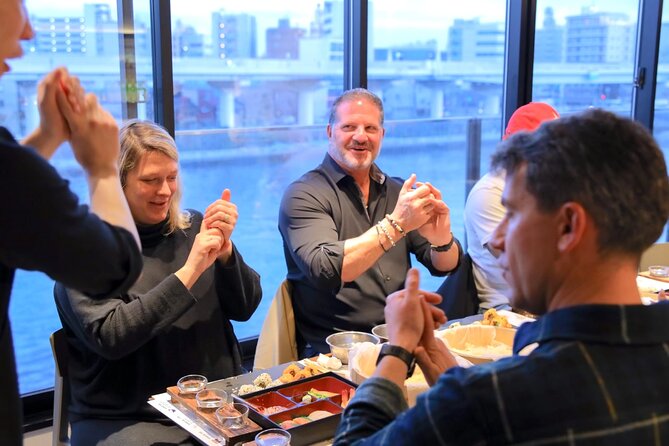
The centerpiece is the sushi-making class. You’re taught by an English-speaking instructor, and the course includes the ingredients plus the meal. That matters because cooking classes can vary a lot—some are more demo than hands-on, and others don’t include everything you expect. Here, you’re covered on the essentials.
The teaching format is built around comfort and clarity. The local staff are presented as having overseas experience, and the tone in the ride and class is described as genuinely hospitable rather than stiff. If you’re worried about not understanding every Japanese term, you’ll still get through because the instruction is conducted in English.
What you should expect is a practical session: you’ll learn how to craft sushi (not just watch someone do it), and you’ll eat what you make. Even if you don’t become a sushi chef afterward, you’ll leave with a better sense of how the pieces fit together—how presentation and technique matter, and why sushi is treated as more than just food on a plate.
One more detail I like: this experience positions itself as a top cooking class option in Japan, using the No1 cooking class in Japan claim in its own description. That kind of marketing can be fluff, but it usually signals they’ve put effort into how the class runs and how they handle non-Japanese speakers.
The Kaminarimon Meeting Point: Easy to Find, No Hotel Pickup
You meet at 2-chōme-17-9 Kaminarimon, Taito City, Tokyo 111-0034, Japan, and the activity ends back at the same meeting point. That’s convenient in one way (you’re not sent off into the night), but it also means you control the last-mile logistics.
Hotel pickup and drop-off aren’t included, so plan on using public transportation. The good news: the meeting location is described as near public transportation, so you won’t be fighting Tokyo transit with a map from 2012.
If you’re the kind of person who likes to arrive, check in, and get started without extra waiting, this setup fits. You’ll still want to be ready to move—this tour is built for a smooth 3.5-hour block rather than a half-day wander.
Glide Through Asakusa by Rickshaw (About 1.5 Hours)
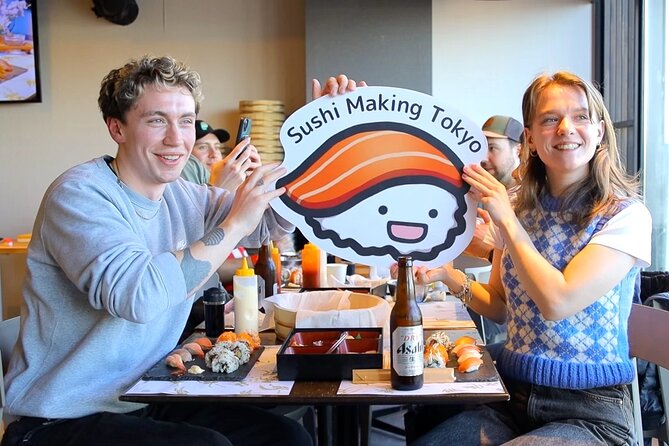
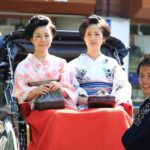
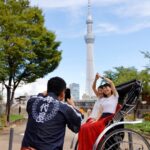
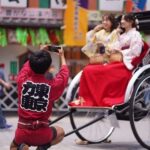
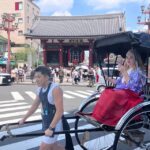
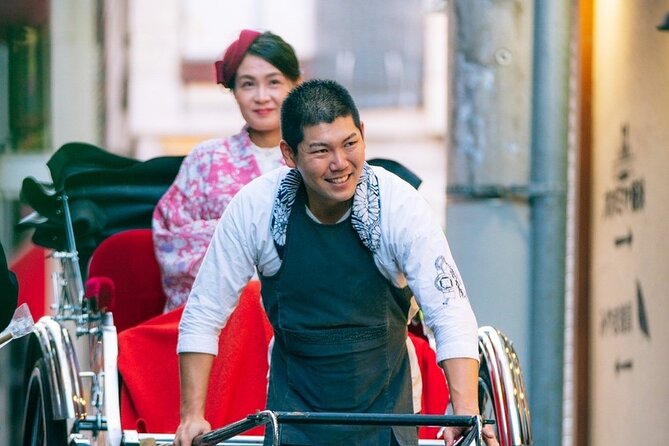
After the cooking portion, you switch gears to the traditional rickshaw ride. The ride time is listed at about 1.5 hours, and it’s guided. That’s a sweet spot: long enough to feel like more than a quick photo stop, but not so long you’re cooked by the end.
The guiding focus is Asakusa itself, including the area described as reminiscent of the Edo period. In practice, that usually means you’re not just staring at buildings—you’re hearing how the neighborhood developed and what you’re seeing in the moment. It’s the kind of narration that helps you notice details you’d otherwise miss.
Some of the most memorable moments in similar experiences come from the human factor: a driver or guide who enjoys the conversation and shares stories at a comfortable pace. In the feedback for this tour, rickshaw drivers and staff named Shogo and Hero show up for being friendly, knowledgeable, and fun to talk to. Even if you don’t meet those exact names, it’s a signal that hospitality is part of the product, not an afterthought.
Practical note: rickshaws are outdoors, so you’ll want comfortable clothing and an eye on conditions. Which leads to the next big planning point.
Weather Matters: When the Tour Can Shift
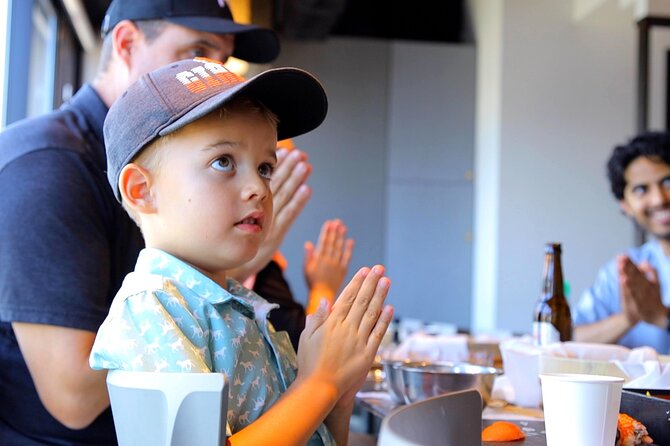
This experience requires good weather. If it’s canceled due to poor weather, you’ll be offered either a different date or a full refund. That’s a clear “don’t ignore this” item because rickshaw rides are weather-dependent by nature.
My advice is to look at the forecast once you’re close to your date, not days and days earlier. If weather is iffy, have a backup plan for how you’ll fill the time if the tour moves or cancels.
Comfort-wise, dress for walking and sitting outdoors. Tokyo can be very changeable, so a light layer can save you. The tour is short, around 3 hours 30 minutes, but you’ll still feel the weather if you underdress.
Why the English-Only Format Works (and For Who It’s Best)
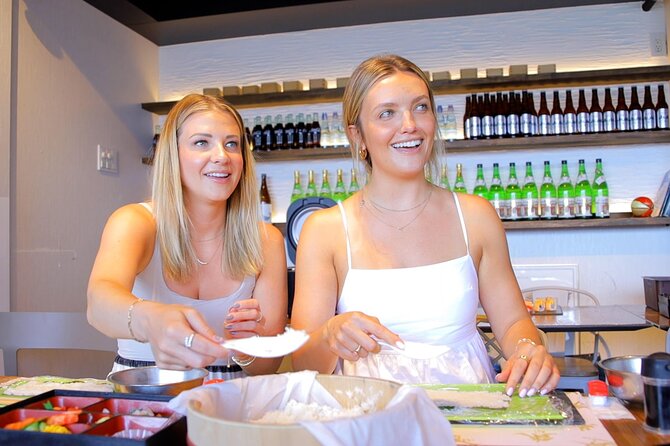
The entire tour is conducted in English, from the cooking class through the Asakusa guidance. That’s a big deal if you’ve ever been on a tour where you understand 40% and then spend the rest of the time smiling politely while hoping the rest is optional.
Because the staff are described as having extensive overseas experience, the way they communicate tends to stay at “you can follow along” level rather than “good luck, Google Translate.” That also affects the vibe: people can ask questions, react in the moment, and actually participate instead of only watching.
This is the kind of tour that fits well if you:
- want hands-on food without needing Japanese cooking skills first
- like a structured plan but still want real street-level Tokyo time
- are traveling with mixed interests (some like food, some like sights)
It’s also a solid choice if you’ve already seen the major temples and want something that feels more personal than sightseeing photos.
Price and Value: Does $156.77 Add Up?
$156.77 per person is not cheap, so let’s be honest about the math.
You’re paying for a combo that includes:
- an English-speaking instructor for the sushi-making session
- ingredients for the class and a meal
- a guided traditional rickshaw ride through Asakusa
In Tokyo, standalone cooking classes can cost a lot on their own, and rickshaw experiences also aren’t bargain-priced. What makes this pricing feel more reasonable is that the tour bundles the two into one experience and keeps it guided, rather than leaving you to figure out transport, timing, and separate bookings.
Also, the class and ride are designed for a maximum group size of 30 people. Smaller groups often mean fewer awkward moments and more attention—especially in a hands-on activity like making sushi.
So who gets the best value? People who really want both sides: they want to eat what they make and also want a guided street-level experience afterward. If you only care about one of those (just the sushi, or just the rickshaw photos), you might feel the price more strongly.
Timing and What the 3.5 Hours Feels Like
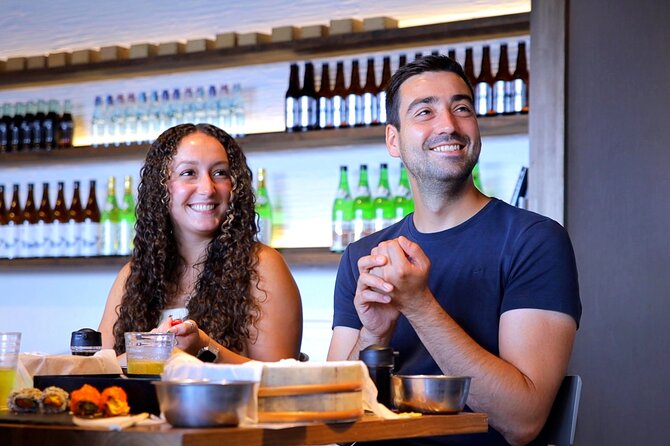
The duration is listed at about 3 hours 30 minutes. In that time, you’re doing two main blocks: sushi making and the Asakusa rickshaw ride experience.
The cooking session is listed at roughly 1 hour 50 minutes, then your Asakusa/rickshaw time runs around 1.5 hours based on the ride duration. The schedule isn’t built for lingering. It’s a “do it, learn it, enjoy it” pace.
That pacing is great if you’re sightseeing efficiently and don’t want to commit a whole day. It’s also a reminder that if you’re sensitive to being on a set schedule, you’ll want to treat this as a focused activity slot rather than casual wandering time.
Staff Hospitality: The Human Part You Can’t DIY
Tokyo has plenty of great food, but this tour adds something you can’t easily copy on your own: the people factor. The descriptions emphasize local staff with overseas experience and top hospitality, and the names Shogo and Hero show up in the feedback as examples of guides who were kind and knowledgeable, and who made the experience fun.
That matters most during the sushi-making portion. If you’re learning technique, clarity and encouragement keep you from feeling clumsy or lost. Then during the ride, a friendly host makes the street stories land because you’re moving through the place being discussed.
This is the part that makes the experience feel more like a guided evening with locals than a “ticket experience.”
Who Should Book This and Who Should Skip It
This tour is ideal for:
- food lovers who want hands-on instruction and to actually eat what they make
- people who want an Edo-style Asakusa experience with narration
- non-Japanese speakers who prefer everything in English without guessing
- anyone who likes a compact, high-impact 3.5-hour plan
I’d suggest skipping or thinking twice if:
- you strongly prefer to explore at your own pace with no fixed meeting point
- you dislike outdoor activities or you’re booking during a period of likely bad weather
- you’re on a tight budget and would rather do a lower-cost cooking class or a shorter Asakusa walk
Should You Book This Sushi-Making Tokyo with Traditional Rickshaw Ride?
If your ideal Tokyo day includes eating well and learning something practical, this is a very solid choice. The strongest reasons to book are straightforward: English-led sushi making, a meal included, and a guided traditional rickshaw ride through Asakusa that turns the neighborhood into an experience instead of just scenery.
If you’ve got the budget and you’re comfortable meeting at Kaminarimon (no hotel pickup), I think this is the kind of tour you’ll remember for both the food and the feeling of being in the streets with a guide.
If you want, tell me your travel month and what else you have planned in Asakusa. I can suggest where this fits best in your day.
FAQ
How long is the sushi-making and rickshaw tour?
The total duration is about 3 hours 30 minutes.
Is the tour conducted in English?
Yes. The entire tour is conducted in English.
What’s included in the price?
It includes an English-speaking instructor, plus the ingredients for the cooking class and the meal.
Is hotel pickup and drop-off included?
No, hotel pickup and drop-off are not included.
Where do I meet, and when does the tour end?
You start at 2-chōme-17-9 Kaminarimon, Taito City, Tokyo 111-0034, Japan, and the tour ends back at the meeting point.
What’s the group size limit?
The tour has a maximum of 30 travelers.
Is the meeting point near public transportation?
Yes, it is near public transportation.
What happens if the weather is poor?
This experience requires good weather. If it is canceled due to poor weather, you will be offered a different date or a full refund.
Can I cancel for a full refund?
Yes. Free cancellation is available if you cancel up to 24 hours in advance for a full refund, based on the experience’s local time.