REVIEW · TOKYO
Tokyo: Asakusa Sightseeing Tour by Rickshaw
Book on GetYourGuide →Operated by Ebisuya Rickshaw · Bookable on GetYourGuide
Rickshaws turn Asakusa into a story you ride. You’ll glide through classic temple lanes and everyday back streets, guided by a local who points out what matters instead of rushing you past it.
I really like the private pace. You’re not squeezed into a crowd bus plan, so you can slow down for details like the rituals around incense and shrine behavior, plus quick photo stops. The trade-off: it’s not suitable for pregnant women, and there’s also a warning for people in their first 16 weeks of pregnancy.
Another thing I love is the “small-to-meaningful” feel of the route. You’ll see Asakusa Shrine near the area’s oldest temple, pass Buddhist landmarks like Bentendo Hall, then roll toward Sumida Park and the Sumida River. One more reality check: the rickshaw space is limited (it’s 74 cm wide), so if you want maximum comfort, you may prefer booking separate rickshaws.
In This Review
- Key things I’d plan around
- Riding From Asakusa Station: Meeting Point and How the Ride Feels
- Asakusa Shrine and Bentendo Hall: The Spiritual Stops That Make Sense
- Hanakawado Shoe District Lanes: Shopping Streets With Local Rhythm
- Sumida Park and the Sumida River: Trees, Gardens, and Seasonal Timing
- Rokku Ward Details: Tanuki-Doori, Adult-Theater Area, and Hanayashiki
- Denpoin Street Back to the Start: A WWII Time-Capsule Feel
- What the Best Guides Do: Names to Watch For and Questions to Ask
- Price and Value: Does $35 Make Sense for Tokyo?
- Best Itinerary Fit: Who This Tour Will Make Happy
- Should You Book This Asakusa Rickshaw Tour?
- FAQ
- Where is the meeting point for the rickshaw tour?
- How long is the Tokyo Asakusa rickshaw sightseeing tour?
- Is this a private tour or a shared group?
- What language will the guide speak?
- Are selfie sticks allowed?
- What are the rules for children riding on the rickshaw?
Key things I’d plan around
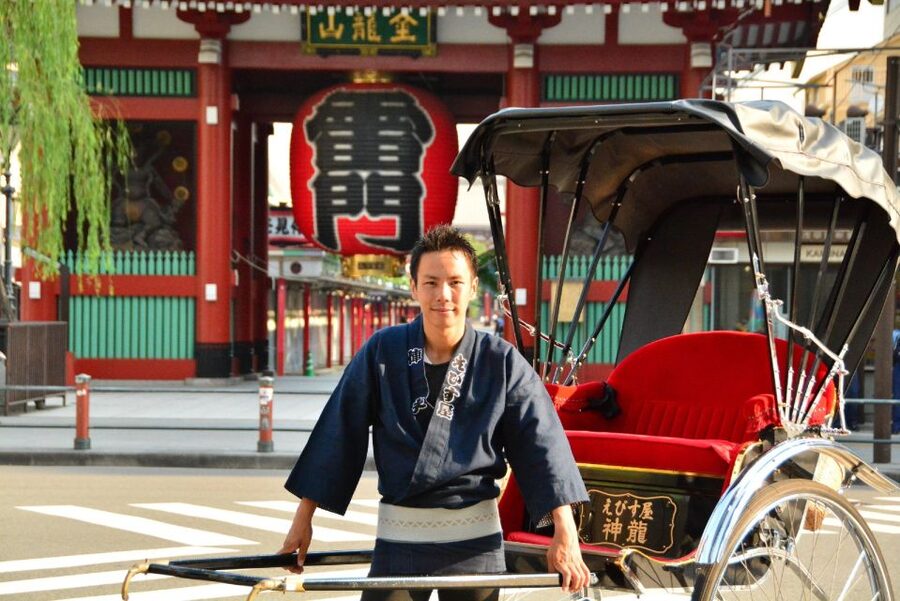
- Private rickshaw time with local English/Japanese guidance so you actually understand what you’re seeing
- Temple-and-street mix: Asakusa Shrine area, Hanakawado shopping lanes, quirky alleys, then river views
- Sumida Park seasonal payoff with spring cherry trees (and garden/tree scenery even outside peak season)
- Photo-friendly guides who take good pictures and help you choose stops at the right moments
- Denpoin Street as a WWII time-capsule vibe where the street feel changes less than you’d expect
Riding From Asakusa Station: Meeting Point and How the Ride Feels
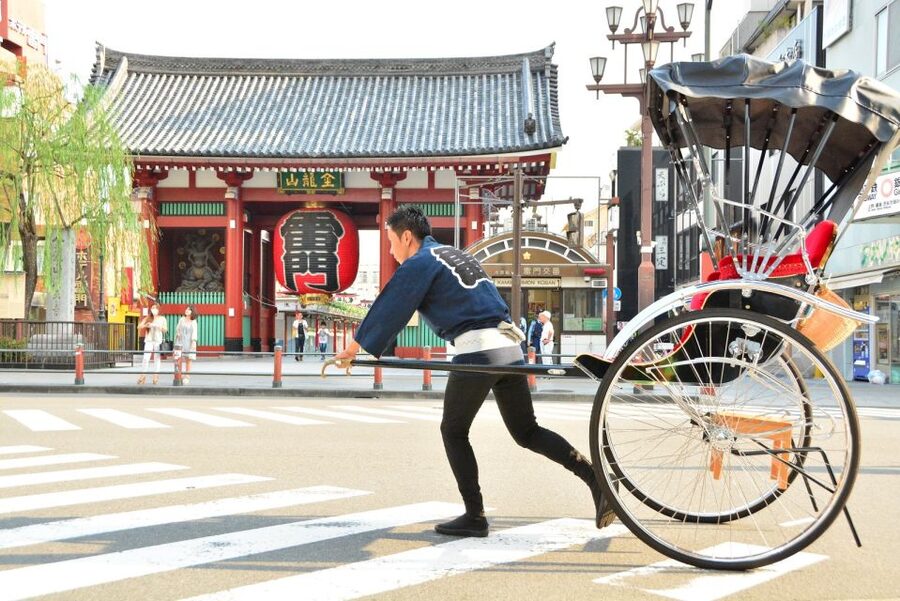
The tour starts at a rickshaw stand just outside Asakusa Station on the Tokyo Metro GINZA line, specifically outside exit #1. One important thing: Asakusa Station names can overlap across subway lines, so confirm you’re at the right station line before you walk out. From the exit, you still need to walk a few meters to the rickshaw stand along the street.
This is a private group experience. That matters because the ride is slow enough for conversation and small stops, not a rapid drive-by. You’re also limited by the rickshaw capacity: a maximum of 2 adults per rickshaw. If you’re traveling with a group larger than that, you’ll want to check how you’ll be split up.
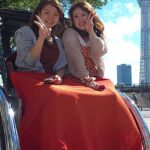
Comfort is good, but it’s real-world comfort. The rickshaw is 74 cm wide, so two adults can feel snug. If your party values personal space, I’d lean toward booking individual rickshaws for each passenger.
Practical note: selfie sticks aren’t allowed, so plan to use your phone normally, or rely on your guide’s photo help. Also, this activity is wheelchair and stroller friendly, which is a big plus for families and anyone who needs easier movement.
Asakusa Shrine and Bentendo Hall: The Spiritual Stops That Make Sense
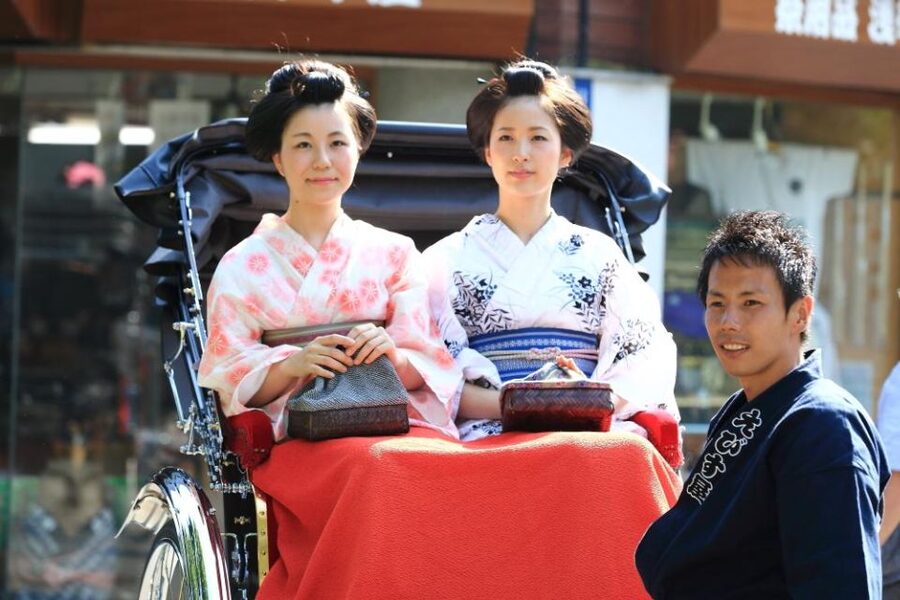
Asakusa works best when you connect the landmarks to daily life. This route does that. You’ll ride past famous sites in the temple-and-shrine zone, including Asakusa Shrine (right by the area’s oldest temple) and Bentendo Hall.
What makes these stops worthwhile isn’t just the architecture. It’s the way a guide can explain the “why” behind small actions. In reviews, guides described ritual basics like hand washing and mouth cleansing, and also explained reasons for incense and how people gather it. Even if you’ve read about Shinto and Buddhist practices, hearing the steps in plain language makes it feel less like museum etiquette and more like how people actually worship.
Expect quick moments where you can look around, snap photos, and then move on before the area gets too crowded. Since you’re in a rickshaw, you don’t need to fight the flow of pedestrians to get a decent angle.
Hanakawado Shoe District Lanes: Shopping Streets With Local Rhythm
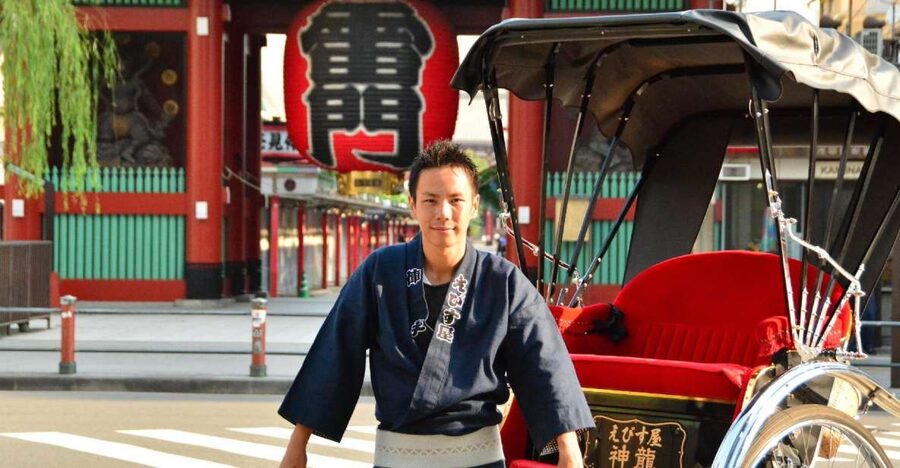
One of the smarter parts of this tour is that it doesn’t treat Asakusa like a theme park. You’ll pass through everyday lanes on the way to the famous Hanakawado shopping area, described as a shoe shopping district.
This is where the tour becomes useful even if you’re not a shopper. You get to see the rhythm of the neighborhood: storefronts, signage styles, and the way people move through side streets. It’s the kind of street-level Tokyo that helps you understand what you’ll later look for on your own.
Also, this is a route where you’ll get souvenir photos along the way, not just landmark selfies. People mention guides taking great pictures with their phones and helping frame shots at the right stops, which makes a difference if you want memories without constantly stopping your ride.
Sumida Park and the Sumida River: Trees, Gardens, and Seasonal Timing
Sumida Park is the scenic anchor of the tour. You’ll ride inside Sumida Park, and the big season payoff is spring, when thousands of cherry trees can be in bloom. That said, the value isn’t only the blossoms. Reviews and highlights also point to beautiful gardens and “glorious trees,” plus the overall atmosphere of the river area.
If you’re in Tokyo in colder months, plan layers and don’t assume you’ll be chilly-free. Some riders reported blankets and heated seat pads during winter conditions, which makes the ride much easier to enjoy when the weather turns. (I’d still bring a warm layer just in case.)
The Sumida River view also changes how you see the neighborhood. Temples and shop streets are tightly packed; the river side gives you a breather and helps you feel oriented. That’s a big reason I like this tour for first-timers.
Rokku Ward Details: Tanuki-Doori, Adult-Theater Area, and Hanayashiki
Asakusa isn’t only temples. You’ll also move through the quirky, character-heavy parts of the area, including spots tied to Tanuki-doori and the Rokku Ward.
Here’s what to know: you’ll be shown the historic Rokku Ward area described as having adult theaters. The tour data doesn’t spell out details, so keep your expectations on atmosphere and location, not a walkthrough of anything explicit. If you’re traveling with kids, I’d consider whether that part of the route will feel comfortable.
Two other highlights make this section fun:
- Tanuki-doori: a quirky street vibe that’s very Asakusa—small, playful, and photogenic.
- Hanayashiki, noted as the oldest amusement park in Japan. It’s the kind of stop that gives your ride a “Tokyo nostalgia” flavor without turning it into a long detour.
If your family is traveling with teens or you’re into pop culture references, you may get extra interest here. Some guides were described as adding anime-related spots, which can turn a straightforward sightseeing ride into a more personal memory.
Denpoin Street Back to the Start: A WWII Time-Capsule Feel
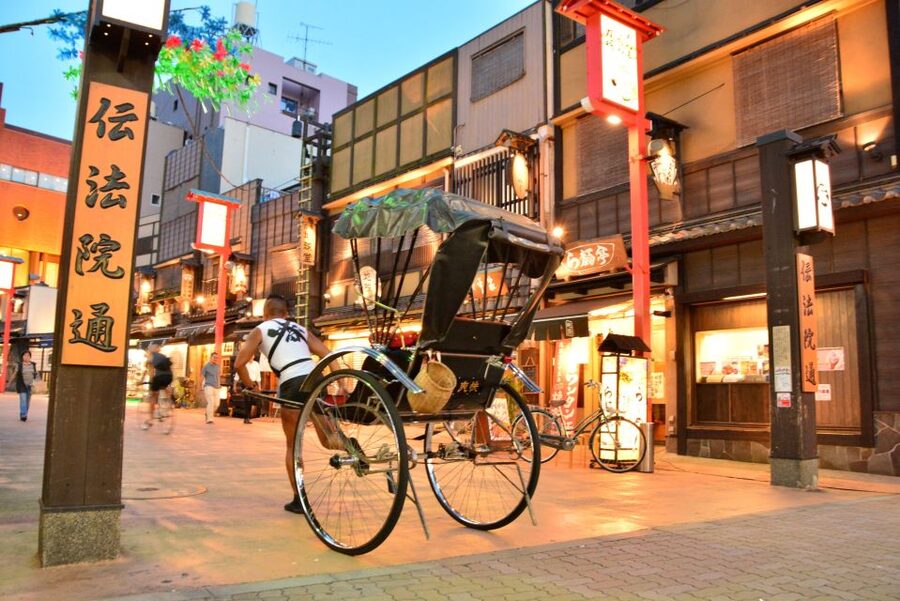
The ending stretch is one of the most interesting for me because it’s about how Tokyo keeps parts of its past in the layout.
You’ll ride down Denpoin Street, described as a place where little has changed since World War II as you make your way back to the starting point. That means you’ll notice the “street feel” more than the big photo monuments. It’s narrower, more human-scale, and less about postcard angles.
This is also where your guide’s pacing matters. If the ride has been slow and thoughtful, you’ll have enough energy to actually look at storefronts and street details instead of being mentally done after the temple stops.
What the Best Guides Do: Names to Watch For and Questions to Ask
The experience stands or falls on the guide. In the reviews, the most praised guides were the ones who combine three things: strong navigation skills in busy pedestrian streets, friendly humor, and clear explanations.
You’ll see names like Tashi and Taisei, Taku, Shima, Ryu Buchi, Sho, Issy and Shin, Matcha, Masa, Kazu, Yuki, Oscar, KoKo, and Koto show up again and again in positive reviews. The pattern is consistent: guides take the job seriously and still act like it’s fun to share Asakusa.
Here’s what I’d do if you want the most out of your ride:
- Ask your guide what this area looked like before it became so famous.
- If you care about photos, ask them to choose the best angle stops, not just landmarks.
- If you’re into specific interests, ask for customization. The tour can be tailored to your interests.
Even if you don’t speak Japanese, you’re in good shape. Tours list English and Japanese as supported guide languages.
Price and Value: Does $35 Make Sense for Tokyo?
The price is listed as $35 per person, with durations ranging from 30 to 190 minutes. It’s not a cheap souvenir-type activity, but it can be good value depending on what you’re comparing it to.
Here’s the practical way to think about it:
- You’re paying for a private ride in a vehicle you can’t easily replicate on your own.
- You’re also paying for local context: why incense rituals happen, what you’re looking at near key shrines, and how the neighborhood connects.
- And you’re saving energy. Walking Asakusa from temple to temple to shopping lanes takes time and stamina. A rickshaw compresses that effort into a guided flow.
Where value drops a bit is in two situations:
- If you book the shortest option, you’ll get a slice, not the full route feeling. You might love it, then wish you had more time.
- Snacks and drinks are not included, so you’ll still want a plan for food.
One more cost-value twist: because the rickshaw is 74 cm wide, two adults might be snug. For comfort, separate rickshaws can feel worth it even if it costs more overall.
Best Itinerary Fit: Who This Tour Will Make Happy
This tour is a great match if you want a guided orientation to Asakusa. It’s especially good for:
- First-timers who want to see temples, shrines, and street life without navigating every turn
- People who like photos and want help getting them at the right spots
- Families traveling with kids who can sit on an adult’s lap (more on that below)
- Wheelchair and stroller users, since it’s listed as friendly for both
It’s not for everyone. The tour data says it’s not recommended for people in their first 16 weeks of pregnancy and not suitable for pregnant women. Also, the rickshaw is a real physical container, so if claustrophobic discomfort is a concern, plan accordingly.
And for timing: many reviews mention the ride can be enjoyable in different weather, with blankets and heated pads reported in cold conditions. Still, the experience is typically more pleasant in spring or autumn, when the weather is kinder for slow outdoor sightseeing.
Should You Book This Asakusa Rickshaw Tour?
If you’re deciding between “see Asakusa on my own” and “get a guided, photo-friendly overview,” I’d lean toward booking this—especially if it’s your first time in the neighborhood. It gives you the temple-and-shrine meaning, the street-life texture, and the scenic break near Sumida Park in one outing, without turning it into a marathon.
Book it if:
- You want private pacing
- You’re happy with a route that mixes big landmarks with smaller street moments like Tanuki-doori and Denpoin Street
- You value having a guide take care of the story and the stops
Skip or rethink if:
- You’re traveling during the pregnancy window restrictions
- You need lots of walking time and prefer to explore purely on your own schedule
- You strongly prefer open-air sightseeing with no vehicle constraint
FAQ
Where is the meeting point for the rickshaw tour?
You meet at the rickshaw stand just outside exit #1 of Asakusa Station on the Tokyo Metro GINZA line. From the exit, you still need to walk a few meters to reach the stand along the street.
How long is the Tokyo Asakusa rickshaw sightseeing tour?
The duration ranges from 30 minutes up to 190 minutes, depending on the option you choose. Starting times depend on availability.
Is this a private tour or a shared group?
This is listed as a private group experience.
What language will the guide speak?
The live guide is available in English and Japanese.
Are selfie sticks allowed?
No. Selfie sticks are not allowed on this activity.
What are the rules for children riding on the rickshaw?
Adult pricing applies to those aged 6 and over. Children 5 and under can ride for free if they sit on an adult’s lap (one child per adult; up to two adults and two children per rickshaw). If a child age 5 has their own seat, it must be booked as an adult.
If you want, tell me your travel month and whether you’re traveling with kids or anyone needing extra comfort, and I’ll help you pick the best duration option for your day in Asakusa.