REVIEW · BEIJING
Summer Palace, Hutong Rickshaw, Lama and Confucius Temple Tour
Book on Viator →Operated by Beijing Meitu Travel Agency Co., Ltd. · Bookable on Viator
One day can cover Beijing’s big ideas fast. You’ll move from imperial gardens to everyday Hutong life, with temples that explain how faith and learning shaped the city. I love the stress-free hotel pickup and drop-off, and I love that admission fees plus a Peking duck lunch are folded into the price. One possible drawback: it’s an 8-hour day, so you’ll want comfortable shoes and a realistic pace.
This is a private tour for your group, with a professional guide in English, Spanish, French, or German and a mobile ticket for convenience. You won’t be figuring out transport, tickets, or timing between stops—you just follow the route and learn as you go.
I think this plan works best if you want a first-or-second-day Beijing overview that still feels hands-on. It also helps if you care about meaning, not just photo ops, because each stop comes with specific stories to watch for while you’re walking around.
In This Review
- Key highlights to look forward to
- Why This Route Works: Imperial Gardens, Hutongs, and Two Temple Worlds
- Price and Logistics: What You Get for $180.90
- Summer Palace (Yiheyuan): The Cixi Stories Hidden in Plain Sight
- Hutong Rickshaw Through Old Beijing: Courtyards, Yin Ding Bridge, and a Different Pace
- Lama Temple (Yonghegong): The Arhats, the 26-Meter Buddha, and Why It Matters
- Temple of Confucius and Guozijian Museum: Learning as a System
- The Roast Duck Lunch: One Meal, Less Decision-Making
- Your Guide Makes the Day: Susan, Nancy, Cathy, and Diego in Real Practice
- Pacing Tips for an 8-Hour Beijing Day
- Should You Book This Summer Palace and Temples Tour?
- FAQ
- FAQ
- What’s the start time for the tour?
- How long is the tour?
- What attractions are included?
- Is hotel pickup and drop-off included?
- Are entrance fees included?
- What lunch is included?
- Does the tour include a guide?
- Is it a private tour?
- Are gratuities included in the price?
- Can I cancel for a full refund?
Key highlights to look forward to
- Hotel pickup and drop-off so your day starts and ends with less hassle
- All entrance fees included, which keeps the budget cleaner
- Summer Palace highlights tied to Cixi, including the painted corridor and Kunming Lake
- Hutong rickshaw time plus photo chances around Hou Hai and Yin Ding Bridge
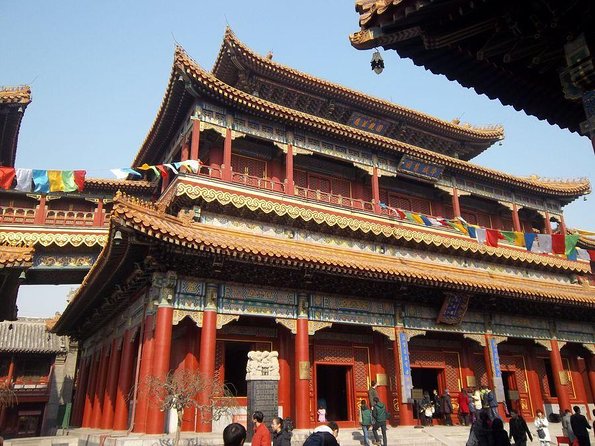
- Lama Temple wonders like the 26-meter sandalwood Buddha and the Arhats area
- Confucius Temple and Guozijian Museum for a calmer, less crowded learning vibe
Why This Route Works: Imperial Gardens, Hutongs, and Two Temple Worlds
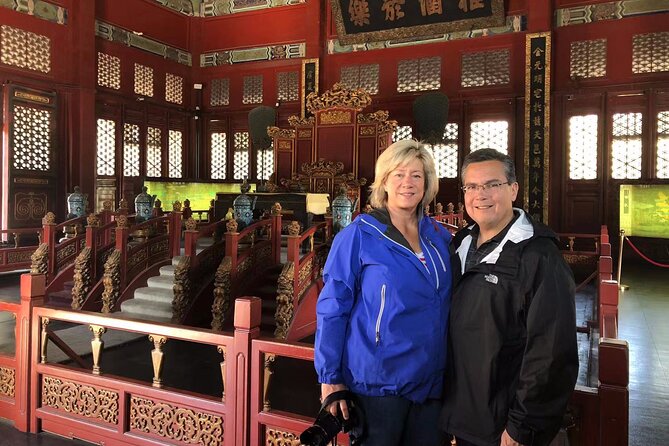
Beijing can feel like two cities: the formal, palace-built world and the neighborhood world that runs on courtyards, alleys, and routine. This tour connects both in one day.
You start with the Summer Palace, where the drama is built into the design—water, long corridors, and spaces linked to court life. Next you switch gears to the Hutongs by rickshaw, where the scale changes and your view is closer to real street life. Then you move into two different spiritual themes: Lama Temple with its Tibetan-style architecture and major Buddha figures, and the Temple of Confucius paired with the Guozijian Museum, which focuses on education and governance around classical learning.
The best part is the pacing through themes. You’re not bouncing between random stops; each location adds a new lens on how Beijing has organized power, belief, and daily culture.
Price and Logistics: What You Get for $180.90
At $180.90 per person, the value comes from how much is bundled in. You get:
- A professional guide (English/Spanish/French/German)
- Hotel pickup and drop-off
- Air-conditioned car transfers between sites
- Entrance fees for every stop listed
- A Peking roast duck lunch
- Bottle of water
- Mobile ticket convenience
That package matters because major Beijing sights usually add up fast once you factor in guide time, site tickets, and transit. Here, you’re paying for a full day of structure, so you can spend your energy walking and looking instead of planning.
One practical note: you’re on the clock for each segment. The itinerary allocates about 2 hours at the Summer Palace and about 1.5 hours at each of the three remaining stops. That’s enough time to see the essentials, but it’s still a day with forward motion.
Summer Palace (Yiheyuan): The Cixi Stories Hidden in Plain Sight
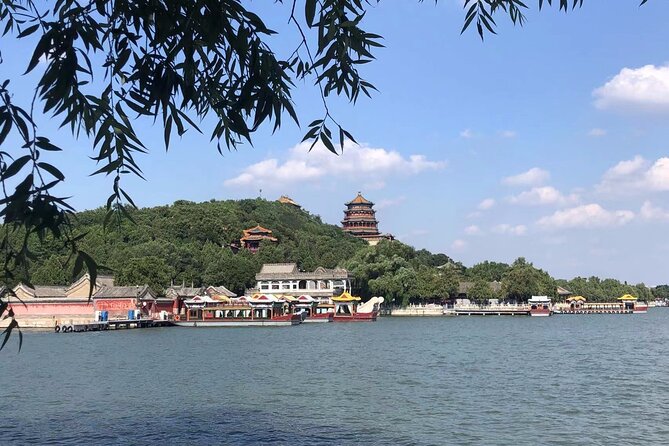
Your afternoon starts at the Summer Palace, labeled as one of the best-preserved imperial gardens. The big historical thread to remember is the timeline: it was built in 1750, burned in 1860, and rebuilt in 1888. That cycle of destruction and restoration helps explain why the site still feels intentional and polished rather than accidental.
Your guide’s job here is to point out what to notice. This isn’t just walking through pretty lakes and halls. You’ll follow the story of Empress Dowager Cixi—why she loved this place so much and what the palace spaces were used for in her life. Watch for the way the design supports court rituals, not just scenery.
Expect to focus on stand-out features:
- The longest painted corridor, which is a visual experience even if you only look at a section at a time
- The opera house tied to court entertainment
- Birthday celebration rooms, which turn a landmark into a timeline
- Kunming Lake, the central water element that sets the mood for the whole garden
Why this stop is so worth your attention: it turns into a living explanation of how imperial power used leisure as a system. If you only take photos, you’ll miss that. If you listen for the specific connections your guide makes, the place starts to feel like a document written in architecture.
Practical tip: since the tour starts in the afternoon, plan for changing light as you move between open areas by the lake and indoor spaces. Bring sunscreen even if it looks mild, and keep water in mind even though the tour includes bottles.
Hutong Rickshaw Through Old Beijing: Courtyards, Yin Ding Bridge, and a Different Pace
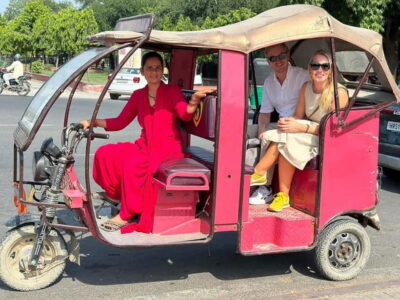
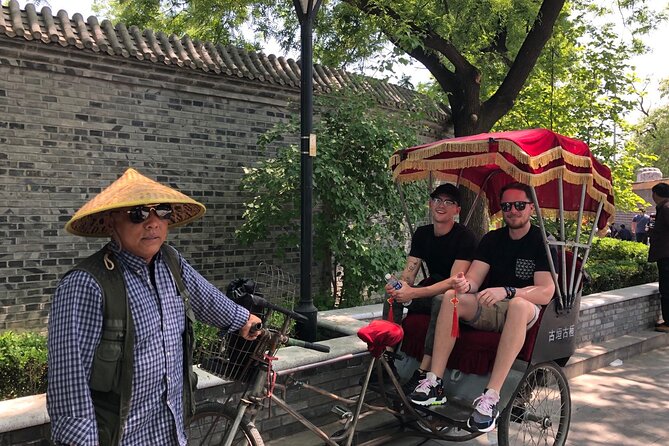
After the palace, you switch to Hutong life by rickshaw. This segment is where Beijing changes scale from grand and curated to close and human.
You’ll ride through old Beijing Hutongs and get a feel for how people lived in the older courtyard pattern. The tour also includes a visit to a representative square courtyard, plus explanations of the culture behind it. That courtyard time is key. It gives context for what you see—why buildings are arranged a certain way and how daily life worked inside tight blocks.
Then there’s a photo moment built into the route: a stop at Yin Ding Bridge in the Hou Hai Lake area. It’s a smart way to blend scenic views with neighborhood texture. You’re not just passing through streets; you’re given a point to pause.
What to consider: rickshaws can be bumpy and exposed. If you’re sensitive to motion or weather, bring a light layer and take your time when the rickshaw slows for viewpoints. Also, if you’re traveling with camera gear, keep it secure—this is a moving ride through a real neighborhood.
This is also the segment that makes the day feel personal. The palace is impressive, but the Hutongs are where you start thinking, Oh, that’s what everyday Beijing looked like before redevelopment changed the look of everything.
Lama Temple (Yonghegong): The Arhats, the 26-Meter Buddha, and Why It Matters
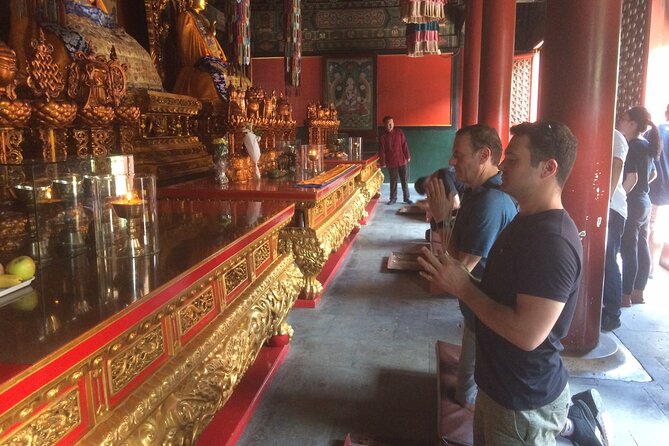
Next up is the Lama Temple, known for its Tibetan-style features. The core story your guide frames is the temple’s origin: it was built in 1694 by the emperor Kangxi for his fourth son, Yin Zhen. Later, the emperor Qian Long was born here too, which is why it’s described as a blessed land for two emperors.
The best way to experience Lama Temple is to treat it like a set of three visual anchors, each with its own kind of awe:
- The area described as Five hundred Arhats mountains
- The 26-meter high sandalwood Buddha, listed in the Guinness World Book in 1900
- The nan mu Buddha niches, which are detailed carved spaces worth slowing down for
Your guide’s explanations matter a lot here because these are not generic statues. They’re tied to how devotion was organized, how scale communicates importance, and how materials and layout shape the feeling of worship.
Practical note: plan for quiet respect in temple spaces. Move steadily and don’t rush your viewing. If you have only a small amount of time, focus on the largest figure first, then spend the remaining minutes on the smaller niche details where you can see carving patterns and arrangement.
This stop is often the most emotionally intense part of the day. You’re going from lakeside imperial elegance to a religious world that feels focused and symbolic.
Temple of Confucius and Guozijian Museum: Learning as a System
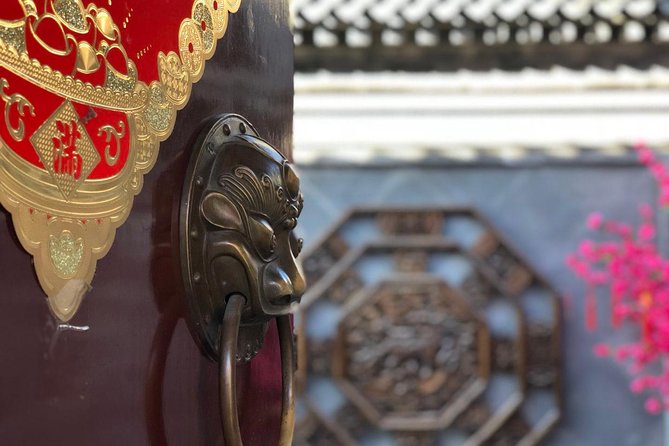
After Lama Temple, the tour crosses the street to the Temple of Confucius, built in 1302 during the Yuan dynasty. This is your switch from religious iconography to cultural philosophy and public ideals.
Your guide will point out that the Temple of Confucius is a place for worshiping Confucius in ancient China. It can also feel less crowded than other major sights, partly because it’s not always the first stop on every day-trip list.
Right after that, you continue to the Guozijian Museum, the imperial college. The key detail here is why it’s special: it’s described as the only preserved and complete site of the highest institution and administration for managing education across the Yuan, Ming, and Qing dynasties.
That’s a big idea for a museum visit. You’re not just looking at old buildings; you’re stepping into the logic of how education was structured and governed. If you like learning how societies organized exams, teachers, and authority, this is the segment that rewards you.
Why I think this works on the same day as the Summer Palace and Lama Temple: you see power in three forms. Imperial power builds ceremonial space at the Summer Palace. Spiritual power expresses itself through temples and monumental figures at Lama Temple. Education power runs through the Confucius and Guozijian site.
Tip: slow down and read what you can. Even short explanations will help you connect what you’re seeing to the themes your guide mentions.
The Roast Duck Lunch: One Meal, Less Decision-Making
At midday, you’ll enjoy a Peking roast duck lunch at a popular duck restaurant. The value here is simple: you’re not hunting for food between stops, and you’re not gambling on timing at a crowded place.
Lunch is also a helpful reset. Even though the day is structured, the meal gives you a chance to sit, rehydrate, and adjust your energy. The tour includes bottled water, which is a small detail that makes the day feel smoother.
If you’re sensitive to spice or have dietary restrictions, don’t wait until the restaurant to mention it. Ask your guide when you have the chance, before you place orders.
Your Guide Makes the Day: Susan, Nancy, Cathy, and Diego in Real Practice
A tour can have a great route and still feel mechanical. The difference here is the guide. The format includes a professional English/Spanish/French/German speaking guide, and the best moments tend to be the ones where the guide brings the places to life with specific stories.
Some guide examples that show up in service highlights include:
- Susan, praised for picking up on time and for giving detailed historical insights in clear English
- Nancy, recognized for strong teaching style and for adding extra cultural touches like calligraphy, tai chi, and a drum performance
- Cathy, mentioned as an operator guiding the day with great information
- Diego, noted for being kind and collaborative, including support in Spanish or English
What I take from that: you’re not just receiving a script. You’re getting someone who can adjust explanations to your pace and keep you moving without turning the day into a race.
In temple and palace settings, the extra context matters. A painted corridor is nice. A painted corridor connected to Cixi’s world of celebration rooms and opera spaces becomes memorable.
Pacing Tips for an 8-Hour Beijing Day
This tour runs about 8 hours. That’s not short, so you’ll enjoy it more if you prep smart.
Here’s what I’d do before you leave:
- Wear comfortable walking shoes. You’ll be on your feet at multiple major sites.
- Bring light sun protection. Afternoon palace time means open areas and glare.
- If you get motion sick, keep it in mind for the rickshaw segment. Go slow at photo stops.
- Keep expectations realistic: each site has a fixed time window. You’ll see the main highlights, not every hidden corner.
Also, you’re in a private group with hotel pickup, so the day feels controlled—but you’ll still want to follow the guide’s timing so you don’t lose the flow between stops.
Should You Book This Summer Palace and Temples Tour?
Book it if you want a one-day Beijing overview that mixes imperial culture, neighborhood life, and two major philosophical/religious themes. It’s a good fit for first-timers because you get the big visual landmarks without having to build a transportation plan yourself.
Skip it if you’re the type who wants to linger for hours per site, or if you’re visiting and prefer a slower pace with fewer stops. This is built for movement and learning, not for drifting.
My quick decision rule: if you like structure, stories, and not thinking about logistics, you’ll likely love the way this day flows.
FAQ
FAQ
What’s the start time for the tour?
The tour starts at 9:00 am.
How long is the tour?
The duration is about 8 hours.
What attractions are included?
You’ll visit the Summer Palace, take a Hutong rickshaw tour, visit Lama Temple, and also see the Temple of Confucius and the Guozijian Museum.
Is hotel pickup and drop-off included?
Yes. Hotel pickup and drop-off are included, along with transfers by air-conditioned car.
Are entrance fees included?
Yes. Entrance fees for all included sights are included.
What lunch is included?
The tour includes a Peking roast duck lunch at a popular duck restaurant.
Does the tour include a guide?
Yes. A professional English/Spanish/French/German speaking guide accompanies you.
Is it a private tour?
Yes. It’s private, so only your group participates.
Are gratuities included in the price?
No. Gratuities are recommended, but they’re not included.
Can I cancel for a full refund?
Yes. You can cancel up to 24 hours in advance for a full refund. If you cancel less than 24 hours before the start time, the amount paid is not refunded.