REVIEW · BEIJING
Beijing Old Hutongs Tour by Rickshaw
Book on Viator →Operated by Hantang International Travel Service · Bookable on Viator
Pedicabs, tea, and real hutong life. I like the rickshaw ride through narrow lanes, and I like the chance to step into daily life with a Chinese family, then slow down with tea tasting at a tea house. The main thing to keep in mind: parts of the day can feel light on hands-on culture and heavier on shopping stops, so manage expectations.
You start with hotel pickup by air-conditioned vehicle, then you hit the big landmarks—Bell and Drum Towers—before the hutong wander. Some days the flow feels smooth and the English guide brings the place to life; other days the experience depends on timing and what the group actually fits in. Still, for a first taste of old Beijing, this is a solid way to spend about 3 hours.
In This Review
- Key Points Before You Go
- The Value of a 3-Hour Hutong Circuit for First-Time Beijing
- From Hotel Pickup to Drum Tower Views: How the Day Gets Moving
- Rickshaw Time in the Hutongs: Narrow Lanes Beat Long Speeds
- Visiting a Local Home: How to Make It Meaningful
- Tea Tasting at the Tea House: A Cultural Pause, with Shop Energy
- Bell and Drum Towers: The Climb, the Views, and the Timing Factor
- Silk Factory or Silk Shop Stop: Useful to See, Not Always in the Spirit of It
- Guide Quality and Group Flow: What to Expect When English Guides Lead
- Who This Tour Suits Best (and Who Should Skip It)
- Should You Book the Beijing Old Hutongs Tour by Rickshaw?
- FAQ
- How long is the Beijing Old Hutongs Tour by Rickshaw?
- What does it cost?
- Is hotel pickup and drop-off included?
- What if my hotel is outside the 4th ring circle?
- What’s included in the tour besides the rickshaw ride?
- Is food included?
- Do I have to buy tickets for the towers?
- Does the tour always include a silk factory visit?
- Can I cancel for a full refund?
Key Points Before You Go

- Hutong pedicab time: You get a real sense of narrow alleys, not just a drive-by photo stop
- Local home visit: A family greeting is built into the schedule, but the depth can vary
- Tea house tasting: You get tea samples in a decorated setting, then you can buy if you want
- Drum Tower views: There’s a climb for an overhead look at old Beijing
- Silk stop may appear: A silk factory or related shop can happen depending on interest
- Guide quality varies: Many guides earn praise for English and pacing, but a few hiccups do show up
The Value of a 3-Hour Hutong Circuit for First-Time Beijing
At $77 per person for about 3 hours, this tour is priced for people who want more than a quick photo walk. You are paying not just for the rickshaw, but for the whole package: hotel pickup/drop-off (for hotels inside the 4th ring), a professional English-speaking guide, admission tickets for the tower stops, plus tea tasting.
What makes it feel like good value is the mix. Beijing can be overwhelming for first-timers. This itinerary is built to give you a fast orientation to old-city geography: where the hutongs sit, what the towers look down over, and how people live in small lanes off the main roads. If you are short on time, that matters.
The trade-off is that a 3-hour format leaves less room for deep, slow learning. Several experiences can feel more like highlights plus curated stops than an in-depth deep dive into architecture or neighborhood history. If you want the most intensive hutong study possible, you’ll likely want an alternative longer tour. But if you want an efficient, mostly enjoyable taste of old Beijing, this hits the sweet spot.
From Hotel Pickup to Drum Tower Views: How the Day Gets Moving
Most starts begin with pickup in a comfortable, air-conditioned vehicle. After that, you roll to the Drum and Bell Tower area to begin the tour. This part of the day is important because it sets the geography. Hutongs are easier to understand when you first see how they connect to the larger city grid.
Then comes the Drum Tower climb. The pace is tour-friendly, but the stairs can be steep, especially in cold weather. If you plan to visit in winter or you tend to get chilled easily, wear something warm under layers. One practical tip: arrive mentally ready for a vertical moment. It’s short, but it can catch you off guard.
The towers are not just dramatic views. They also give you context for why hutongs were built where they were—dense, walkable communities that fed off the wider ceremonial and administrative zones nearby. Even if you do not love climbing, the top-down perspective can help you picture the old Beijing street system instantly.
Rickshaw Time in the Hutongs: Narrow Lanes Beat Long Speeds
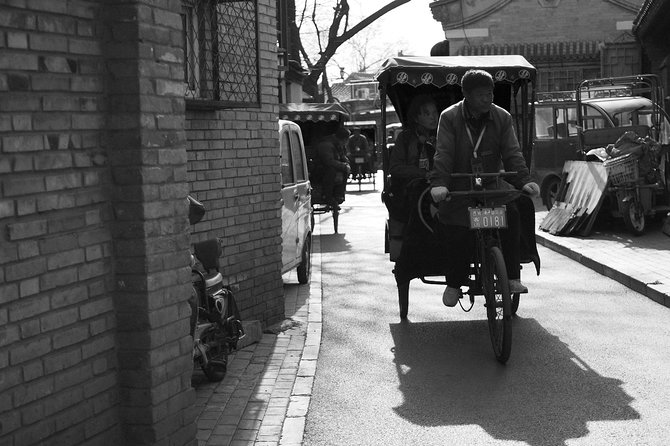
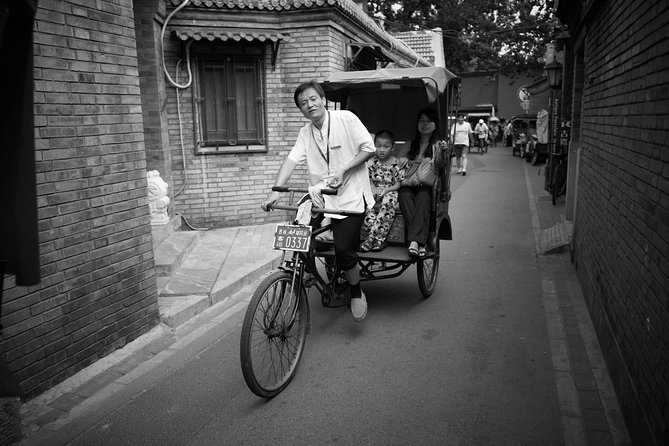
The centerpiece is the hutong tour by rickshaw, built around Beijing’s small, winding alleyways. You’ll weave through narrow lanes designed for foot traffic, not buses. That’s the point. A rickshaw is slow enough to notice details you’d miss on a sidewalk stroll, and it turns a neighborhood into a moving story.
In a perfect version of this tour, the hutong part feels like a real ride through working daily life. The alleys can be quiet and residential—so you’re not constantly surrounded by tour crowds. In a less perfect version, the ride may feel short or pass through areas that feel less active. The good news is you still get the hutong context plus the tower views, which gives the whole day structure even if the rickshaw portion feels brief.
A key practical note: cold days can make rickshaw time feel sharper. Even if the tour vehicle handles the travel between stops, the pedicab part is exposed. Dress for wind and time outdoors, not just for the temperature you see on your phone.
If you’re hoping for a long rickshaw adventure as your main event, treat this tour as a hutong taste rather than a full-day pedicab marathon.
Visiting a Local Home: How to Make It Meaningful
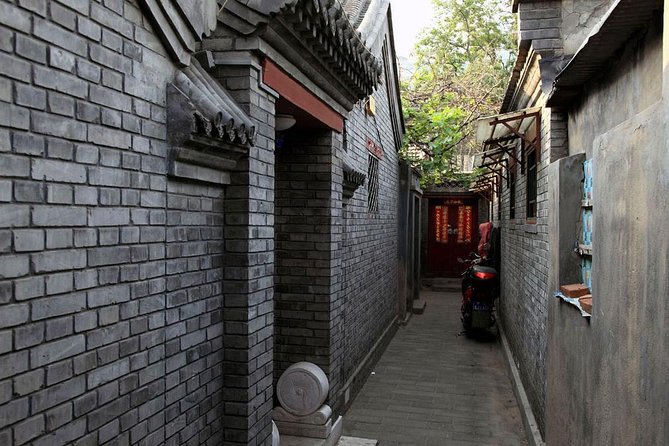
One of the best parts of this tour is the local home visit. You greet a Chinese family and get a glimpse of traditional daily life. This is the part that can feel the most personal because you’re not just looking at buildings—you’re seeing how homes function as lived-in spaces.
The experience can vary. Some visits feel warm and conversational, with real personality and lots of small details that make the home feel like a home. Other versions may feel more like a demonstration visit, where the host’s role is partly structured around showing you a few things rather than a full family interaction.
How to get the most from it:
- Ask simple questions about daily routines, not big test questions about history
- Notice what they show you—room layout, objects, family practices—and connect it to what you saw in the hutong streets
- Keep your tone respectful and slow. This is not a museum checklist
If you do not mind that the home visit may be brief, this stop is still a highlight. If you want maximum time inside, plan your expectations around a short, curated introduction rather than an all-access, hour-long family hang.
Tea Tasting at the Tea House: A Cultural Pause, with Shop Energy
After the hutongs, you head to a traditional tea house for freshly brewed tea tasting. This is a nice reset after the walking and the tower climb. Tea is part of social culture in China, and the tea house stop also gives you a chance to slow down and regroup.
The tasting itself is typically the point: you try different types and learn how they are served. In some versions, the tasting feels like a proper tea ceremony experience rather than just a sample flight. Then there’s the reality of the setting: there is usually a shop attached, and tea and tea accessories are available for purchase.
So here’s my practical take: treat purchases as optional. If you find a tea you genuinely love, buy a small amount as a souvenir you’ll actually drink. If you don’t, enjoy the tasting and move on. One caution from past guests: the tea and related items can be pricey, and the tone can feel more sales-forward than you’d expect from a cultural moment.
If you’re the type who gets irritated by shopping stops, go in knowing you may be given lots of chances to buy.
Bell and Drum Towers: The Climb, the Views, and the Timing Factor
The schedule centers on Bell and Drum Towers, with a climb involved for the Drum Tower. These landmarks are not random add-ons. They are visual anchors for old Beijing, and they help you understand the street maze that follows.
The climb is also part of the deal. You’ll be high above the hutong grid, looking down and tracing alley patterns. That overhead moment can make the rest of the day click, even if you only remember a handful of facts.
Timing matters, and it can affect your experience. Cold weather and stairs can feel tougher if you arrive late or the group gets behind. One traveler noted having to run for tower timing, and that’s the kind of detail that can flip a good day into an uncomfortable one.
If you hate rushing, plan to arrive a few minutes early anywhere you’re told to meet back up. And if you’re traveling with kids, keep a close eye on energy levels on the stairs.
Silk Factory or Silk Shop Stop: Useful to See, Not Always in the Spirit of It
The itinerary sometimes includes a silk factory visit, though it can depend on interest. In some versions of the day, this is an informative look at silk-related items and production. You may see silk worm cocoons or related displays, and you might also have the chance to see finished products.
Here’s the balance. Even when the process is interesting, silk stops can turn into shopping-heavy segments. Some visitors have found these stops to feel less like a cultural workshop and more like a sales push. If you’re not into buying high-priced souvenirs, you can still learn something from the visuals and demonstrations, but you’ll want to keep your wallet instincts switched on.
My advice: treat the silk stop like a short museum-style detour. If you want to buy something, buy what you truly want. If you do not, enjoy the viewing and politely decline purchases without drama.
Guide Quality and Group Flow: What to Expect When English Guides Lead
This tour includes a professional English-speaking guide, and guide quality can make or break the experience. Many guides are praised for clear explanations and smooth pacing. Names you might see associated with strong tours include Gale, William, Cynthia, and Michael.
But there can be friction in the real world: delays, mismatched guide pairings, or even missed pickups on rare occasions. You can protect yourself a bit by doing two things:
- Confirm the pickup time and meeting instructions the day before (especially if you are outside typical pickup areas)
- Keep your phone charged so you can contact the local operator if anything feels off
If you get a great guide, you’ll likely walk away with a better mental map of old Beijing than you had at the start. If the guide explanation feels thin, you can still get value from the rickshaw streets and the tower views—those are the core geography pieces.
Who This Tour Suits Best (and Who Should Skip It)
This is a good fit if you:
- Want a first-timer hutong introduction without planning logistics
- Like tea culture and want a guided tasting moment
- Enjoy seeing local neighborhoods from the inside, not just the big-ticket sights
- Are traveling with kids who specifically want a rickshaw ride
It’s not the best choice if you:
- Only care about one specific mansion or attraction and you’re short on time
- Hate shopping stops and think every stop should be purely cultural
- Want a long, deep hutong exploration where the home visit is the main event
Also, this tour is short enough that it works well as a supplement to bigger Beijing highlights. If your schedule allows only a couple of activities in the old city, this one can be a solid “bridge” between major landmarks.
Should You Book the Beijing Old Hutongs Tour by Rickshaw?
I’d book it if you want an efficient old-Beijing taste: hutongs by rickshaw, a guided orientation at Bell and Drum Towers, a local home greeting, and a calm tea tasting stop. At $77, it’s fair for a guided tour that includes admission tickets and pickup/drop-off—assuming you’re okay with some curated shopping energy.
I would hesitate if you’re expecting a long pedicab journey, heavy hands-on time with a family, or a day that’s purely non-commercial. Also, pay attention to the fact that parts like the silk stop can vary, so don’t anchor your hopes on one optional add-on.
If you’re cold-sensitive, dress warmly. If you’re schedule-sensitive, double-check pickup timing. And if you’re the type who wants to buy souvenirs, keep some cash handy for small items—but let the tasting earn the purchase, not the sales pressure.
FAQ
How long is the Beijing Old Hutongs Tour by Rickshaw?
The tour lasts about 3 hours.
What does it cost?
The price is $77.00 per person.
Is hotel pickup and drop-off included?
Yes. Pickup and drop-off are included for hotels located within the 4th ring circle highway.
What if my hotel is outside the 4th ring circle?
If your hotel is outside the 4th ring circle, you join the tour at Prime Hotel at 08:30AM or 01:00PM (No. 2, Wangfujing Ave., Tel: +86-10-65136666).
What’s included in the tour besides the rickshaw ride?
You get a professional English-speaking guide, tea tasting, and admission tickets (including the tower stops). Food and beverages are not included.
Is food included?
No. Food and beverages are not included.
Do I have to buy tickets for the towers?
No. Admission tickets are included.
Does the tour always include a silk factory visit?
A visit to a silk factory may happen depending on interest.
Can I cancel for a full refund?
Yes. Free cancellation is available up to 24 hours in advance for a full refund.