REVIEW · MADRID
Madrid: TukTuk Tour experince with Spanish Fair Decorations
Book on GetYourGuide →Operated by tukitukimadrid · Bookable on GetYourGuide
Madrid looks better from a tuk tuk. On this Spanish-decorated ride with tukitukimadrid, you get a comfortable, character-filled way to see key sights while your local guide adds history and street-level culture.
I also love the built-in photo moments at viewpoints and quieter spots locals know, so you come away with more than the usual postcard shots. The one thing to consider: this is a short overview route (about 1–3 hours), so it’s better for highlights and narration than for long museum time at places like the Prado or the Royal Palace.
In This Review
- Key Things I’d Bet On
- Why a Spanish-Decorated Tuk Tuk Makes Madrid Feel Personal
- The 1–3 Hour Flow: A Route Designed for Highlights (Not Line Waiting)
- Starting at Plaza de la Villa: Get Oriented Fast
- Mercado de San Miguel and Plaza Mayor: Classic Madrid, Guided
- Narrow Streets Like Calle de Cuchilleros and Cava Baja
- La Latina / Mercado de Cebada and San Isidro: Neighborhood Madrid
- Cine Doré and Mercado Antón Martín: City Culture Without the Crowds
- Atocha Station to Paseo del Prado: Moving Into the Big-Monument Zone
- Museo del Prado, Neptune Fountain, and Palacio de Cibeles: The Monument Line You Can Actually Follow
- Royal Palace and Almudena Cathedral: Finish With Big Views
- Hidden Spots, Photos, and Rain-Proof Comfort
- Price and Value: $105 for a Private Group Up to 4
- Meeting Up Smoothly: What to Do Before You Roll
- Who This Tuk Tuk Tour Fits Best (And Who Should Skip It)
- Should You Book This Madrid Spanish Tuk Tuk Tour?
- FAQ
- How long is the tuk tuk tour?
- Where do we meet the guide?
- What language options are available?
- Is this a private group tour?
- Are photos included?
- Is the tour suitable for small children?
Key Things I’d Bet On
- Spanish-themed tuk tuk comfort: blankets and plastic covers help you stay warm and dry when it rains
- Live commentary in your language: Arabic, English, French, or Spanish with a guide who explains as you go
- Photo stops included: you get pictures plus stops at viewpoints and less-touristy corners
- A mix of icons and real neighborhoods: classic squares plus local markets and streets
- Private group up to 4: easier pacing and a more personal feel than bigger group tours
Why a Spanish-Decorated Tuk Tuk Makes Madrid Feel Personal
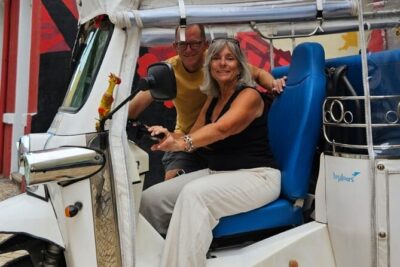
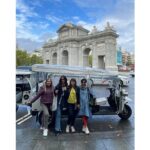
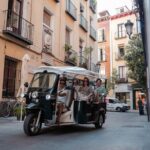
Madrid can be walked to death—beautiful, yes, but after a few hours you’re ready for a break. This tour trades that grind for a ride with style. The tuk tuks are white with Spanish decorations (red flowers plus a shawl at the front and back), and the whole point is that it feels like Madrid, not a generic vehicle tour.
You’ll also notice the practical side right away: even though you’re moving through central areas, the setup is built for comfort. When weather turns, the tuk tuk includes blankets and plastic covers, so the tour doesn’t fall apart the moment clouds show up. That matters if you’re visiting in shoulder season or you’re getting that classic Madrid “one-minute rain” situation.
And because it’s a private group up to 4, the pacing is calmer. You can take a photo without everyone sprinting to the next stop, and your guide can steer the conversation toward what you actually care about—history, neighborhood character, or just getting the best angles.
You can also read our reviews of more tours and experiences in Madrid.


The 1–3 Hour Flow: A Route Designed for Highlights (Not Line Waiting)
The tour length is flexible—listed as 1 to 3 hours—and it’s structured as a guided loop that threads through major landmarks and several neighborhood streets. That timing is a big part of the value. You’re not trying to do everything on your own schedule while carrying bags, checking maps, and guessing which alleys are worth stopping for.
Instead, you’re riding between points and learning as you go. The itinerary moves from Plaza de la Villa toward markets and historic squares, then out through local neighborhoods, and finally into the grand “museum and monuments” stretch around Paseo del Prado.
Just keep expectations realistic. This is not a “spend the afternoon inside” experience. Even though the route includes major places such as the Museo del Prado and the Royal Palace of Madrid, the tour is still built around sightseeing and guide commentary, not extended museum or palace hours.
Starting at Plaza de la Villa: Get Oriented Fast
The tour starts at Plaza de la Villa, which is a smart choice for orientation. Getting your bearings early in a city like Madrid helps everything later. You’ll see how the streets and plazas connect, and you’ll start picking out the kind of architecture and street energy you’ll notice again over the next stops.
This is also where you’ll likely feel the tour’s tone: your guide isn’t just driving past. The plan includes guided history and culture, so you’re not only watching landmarks—you’re learning what to pay attention to as you move.
Practical tip: when you meet your guide, look for the white tuk tuks with Spanish decorations (red flowers and the shawl). The meeting guidance also asks you to show the Boucher and confirm before entering the tour.
Mercado de San Miguel and Plaza Mayor: Classic Madrid, Guided
From Plaza de la Villa, the route goes to Mercado de San Miguel. This is one of those stops where the guide can turn “a market” into a quick cultural lesson. Even if you don’t linger for shopping, you get context for how Madrid’s food culture and daily life show up in central locations.
Then you roll into Plaza Mayor, Madrid. It’s the kind of place where standing still for a minute helps your brain lock onto the city’s layout. Your guide’s job here is to make that square feel understandable—not just impressive. You’ll get commentary tied to the way people used to move through the area and what it says about Madrid’s identity.
One small advantage of doing this by tuk tuk: you avoid the “arrive, look around, immediately feel lost” problem. You’ll already have the story threads your guide is connecting.
Narrow Streets Like Calle de Cuchilleros and Cava Baja
Next up are the street stops: Calle de Cuchilleros and Calle de la Cava Baja. These are the kinds of streets that instantly look more interesting when you’re seeing them from the right angle—not rushing past them with your phone at forehead height.
Because the tour is guided, you’re not just walking a route—you’re learning how these lanes fit into the wider city. That’s where a good guide changes the experience. The narration helps you notice details you’d otherwise skip: street rhythm, the way storefronts and pedestrian flow shape the area, and why these streets became “go-to” paths in the first place.
In short: you’ll trade generic sightseeing for more specific city reading.





La Latina / Mercado de Cebada and San Isidro: Neighborhood Madrid
After the central square-and-street stretch, the itinerary leans into lived-in Madrid. You’ll pass through La Latina / Mercado de Cebada, then head toward San Isidro, Madrid.
This part of the route is valuable if you’re tired of only seeing the highlight version of Madrid. Markets and surrounding streets tend to show you what a city feels like beyond the monuments. Even if you don’t plan to stop and buy anything, these stops help you understand how local life clusters around everyday places.
The guide’s commentary is what keeps it from becoming “just another walk-by.” You’ll get culture and history framing that connects neighborhoods to the bigger Madrid story.
Cine Doré and Mercado Antón Martín: City Culture Without the Crowds
Then you’re at Cine Doré and Mercado Antón Martín. This is a nice pairing because it balances older-city character with day-to-day urban energy.
Cine Doré is the kind of stop that benefits from a guide’s interpretation. From outside, it’s visually interesting; with commentary, it becomes a point in Madrid’s cultural map rather than a random facade.
Mercado Antón Martín does the same job for the neighborhood side. Markets are where you see how locals think about food, habits, and everyday rhythm. For many visitors, this becomes the “oh, Madrid is more than museums” moment.
And because the tour includes photo stops, this is also where you’re likely to get some of the more memorable angles—especially if your guide steers you toward quieter spots rather than the busiest camera corners.
Atocha Station to Paseo del Prado: Moving Into the Big-Monument Zone
Next is Atocha Railway Station, then Paseo del Prado, followed by stops connected to major institutions like the Museo del Prado.
Atocha works as a transition point. It’s a sense-of-the-city moment: Madrid isn’t only about static monuments—it’s also about movement, transit, and daily connections. Then the route shifts into the broader, more monumental corridor.
If you like the idea of seeing how Madrid organizes its “grand” side, you’ll enjoy this shift. Your guide can explain what to focus on as the streets open up and the architecture gets more statement-like.
One consideration: because you’re traveling through major zones, there may be more traffic and pedestrian density at peak times. The tuk tuk helps, but you’ll still notice city flow around these famous corridors.
Museo del Prado, Neptune Fountain, and Palacio de Cibeles: The Monument Line You Can Actually Follow
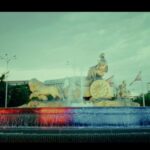
The itinerary then points you toward some of Madrid’s most recognizable public-space landmarks: Museo del Prado, Neptune Fountain, and Palacio de Cibeles.
This is a strong segment for visitors who want a “greatest hits” view without doing it in a sprint. The tuk tuk makes it feel connected, like you’re following a storyline rather than checking boxes.
Your guide can also help you pace your attention. Instead of you trying to guess what’s important, you’re told why these spots matter and what to watch for when you’re photographing. And since the tour includes photos and plans stops at viewpoints, you’re more likely to get a few standout shots than if you just roam alone.
Royal Palace and Almudena Cathedral: Finish With Big Views
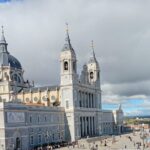
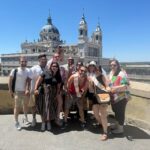
The tour continues toward the Royal Palace of Madrid and Almudena Cathedral. This closing run makes sense because these are top-of-the-list landmarks for most first-timers, and they naturally give you a strong “final impression” of the city.
What I like here is the way it ties together the tour’s tone. Early on, you see markets and old streets. Later, you see Madrid’s official, monumental identity. If you’ve been trying to understand Madrid’s personality, this ending helps you connect the dots.
If it’s rainy, the covered tuk tuk setup is especially helpful here. You won’t feel forced to cut the tour short just because visibility or comfort drops.
Hidden Spots, Photos, and Rain-Proof Comfort
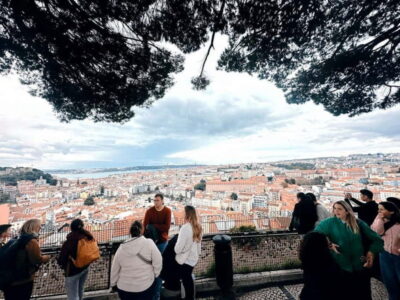
One of the most praised parts of the experience is the way the guide turns the route into something more visual and memorable. The tour includes photographs and is designed around picture stops at viewpoints and other beautiful places—the kind of spots that don’t always show up in a basic search.
Your guide also adds anecdotes and context. That combination is what makes photo time worth it. You’re not just snapping shots; you’re learning what you’re looking at while you pause.
Then there’s the weather solution: blankets and plastic covers. That’s not glamorous, but it’s practical. It means your plans don’t collapse if clouds move in. Madrid in the rain can still be manageable—you just need the right setup.
Price and Value: $105 for a Private Group Up to 4
At $105 per group up to 4, the cost is easiest to judge by how you travel.
- If you’re a duo or small family, you likely get strong value because you’re paying once for private guide + photographs + a guided route.
- If you’re traveling solo, it can feel more expensive per person compared to big shared tours, because the price is group-based.
Still, there’s real value in the mix you get here:
- Live guide commentary in Arabic, English, French, or Spanish
- Photo service included
- A route built to cover both monuments and non-touristy corners
- Comfort features for rain
This is a good “first days in Madrid” option when you want a structured orientation and a few great photos, then follow up later on your own for deeper time.
Meeting Up Smoothly: What to Do Before You Roll
The meeting instructions are clear and worth following closely so you don’t lose time.
- Find your tukitukimadrid guide.
- Look for the white tuk tuks with Spanish decorations—red flowers and shawls.
- Show the Boucher to the driver and confirm before stepping in.
Also, make sure you state what language you speak when booking. The guide is available in Arabic, English, French, and Spanish, but the tour asks you to provide your language needs so you get the right guide.
Who This Tuk Tuk Tour Fits Best (And Who Should Skip It)
This tour is a great fit if:
- you want a short guided overview instead of planning a long self-guided day
- you enjoy photo stops and want help finding angles
- you like mixing famous areas with neighborhood character
- you prefer the comfort of a tuk tuk rather than extended walking
It’s less ideal if:
- you want hours inside major museums or a deep “study session” at a single site
- you need a tour specifically designed for very young kids (it’s not suitable for children under 2)
For most first-timers, it’s also a smart companion to later sightseeing. Think of it as the route that helps you decide what to return to on your own.
Should You Book This Madrid Spanish Tuk Tuk Tour?
I’d book it if you’re aiming for smart time use: 1–3 hours, guided storytelling, and included photos with stops at viewpoints and quieter spots. The rain-ready setup is a real bonus, and the private-group feel keeps it from turning into a rushed checklist.
I’d skip it only if you’re looking for a long museum day or you want to control every minute without a prepared route. Otherwise, this is a fun, practical way to get a clear sense of Madrid—streets, monuments, and the parts in between.
FAQ
How long is the tuk tuk tour?
The duration is listed as 1 to 3 hours, depending on starting times and availability.
Where do we meet the guide?
The starting location is Plaza de la Villa. You’ll need to find the tukitukimadrid guide and confirm before entering.
What language options are available?
Live guides are available in Arabic, English, French, and Spanish.
Is this a private group tour?
Yes. It’s a private group with a maximum of up to 4 people.
Are photos included?
Yes. Photographs are included as part of the experience.
Is the tour suitable for small children?
The tour is not suitable for children under 2 years old.