REVIEW · MADRID
Madrid: Tour with Tuk Tuk Zero: Bernabéu and the Golden Mile. 1h 15min
Book on GetYourGuide →Operated by TUK TUK ZERO · Bookable on GetYourGuide
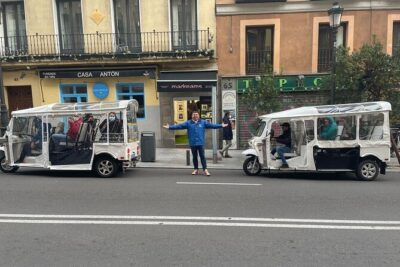
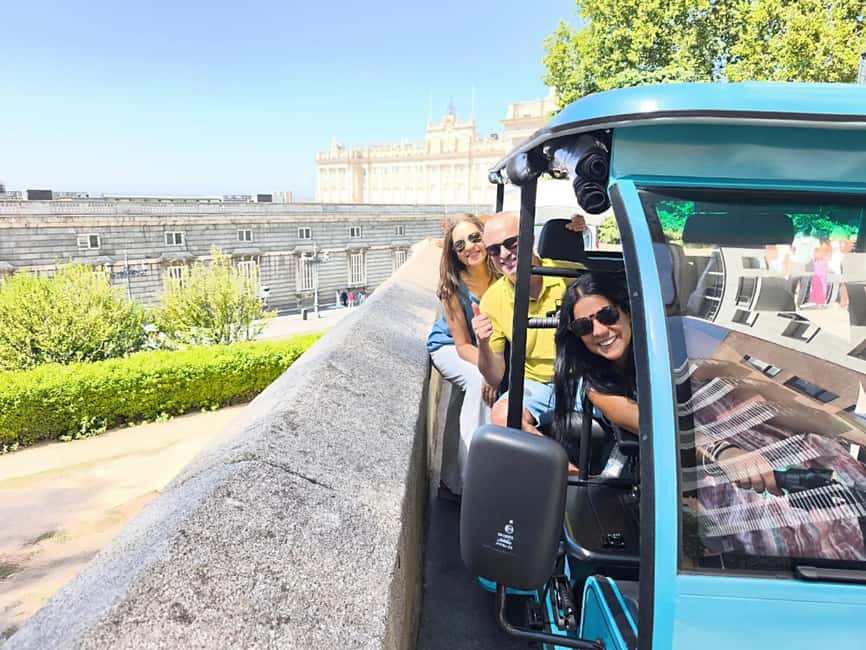
Madrid from a tuktuk feels oddly perfect. In just 75 minutes with Tuk Tuk Zero, you bounce between monumental fountains, Madrid’s power centers, and the Golden Mile shopping streets, with a guide who also brings visual support in many languages. I especially love the private group setup and the small comfort wins like bottled cold water and a mobile phone charging point. One thing to keep in mind: this is a guided sight-seeing route, and tickets to monuments are not included, so you won’t automatically be going inside everything.
You start at Plaza de Canovas del Castillo at the Neptune Fountain, then work your way toward Cibeles, the financial district around AZCA and the Stock Exchange, and finally Real Madrid territory at the Santiago Bernabéu area, with Salamanca and El Viso luxury thrown in for contrast. The route is built for people who want to understand Madrid’s mood swings fast: serious money, serious football, and serious style.
In This Review
- Key highlights you’ll feel right away
- How this Tuk Tuk Zero route gives you Madrid’s “three personalities”
- Starting at Neptune Fountain: bearings, fans, and the city’s grand boulevard feel
- Cibeles Fountain: where Madrid’s football stories play out in public
- Plaza Colón and the AZCA skyline: Spain’s history meets Madrid’s finance machine
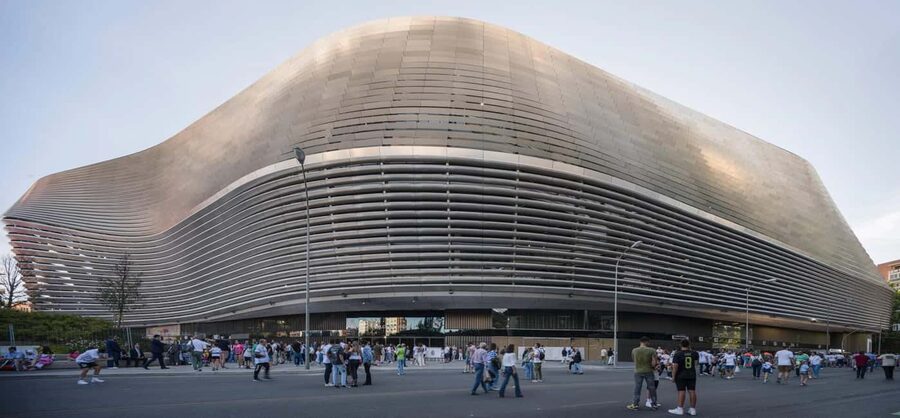
- Santiago Bernabéu: the football temple stop (and how to make the most of it)
- Plaza de la República Argentina, then the luxury turn: finding Salamanca and El Viso
- Calle Serrano and the Golden Mile: shopping street, but also city identity
- Puerta de Alcalá and Retiro Park: icon + calm, right next to each other
- Madrid Stock Exchange: the financial heart you can actually see
- What’s included (and why those extras matter on a short tour)
- Price and value: is $70 worth it for Bernabéu + Golden Mile in 75 minutes?
- Who this tour fits best
- Should you book this Tuk Tuk Zero Bernabéu and Golden Mile tour?
- FAQ
- How long is the Tuk Tuk Zero Bernabéu and Golden Mile tour?
- What does the tour cost?
- Where do we meet for the tour?
- Do I need to buy tickets for monuments during the tour?
- Are skip-the-line tickets included?
- What’s included in the price besides the guide?
- Is the tour available in multiple languages?
- Is the tour wheelchair accessible?
- Do you have child seating?
- What’s the cancellation policy?
Key highlights you’ll feel right away
- Tuktuk time savings: you cover a lot of ground in 75 minutes without feeling rushed through one neighborhood only
- Sports + style combo: Bernabéu stops paired with the Salamanca and El Viso look
- Fountain photo moments with context: Neptune Fountain (Atlético fans) and Cibeles (Real Madrid victories)
- Phone-friendly touring: bottled cold water, charging point, and free Wi‑Fi
- Kid-ready extras: booster seat included in the vehicle
- Built for clarity: inclusive tour format with visual text and image resources
How this Tuk Tuk Zero route gives you Madrid’s “three personalities”
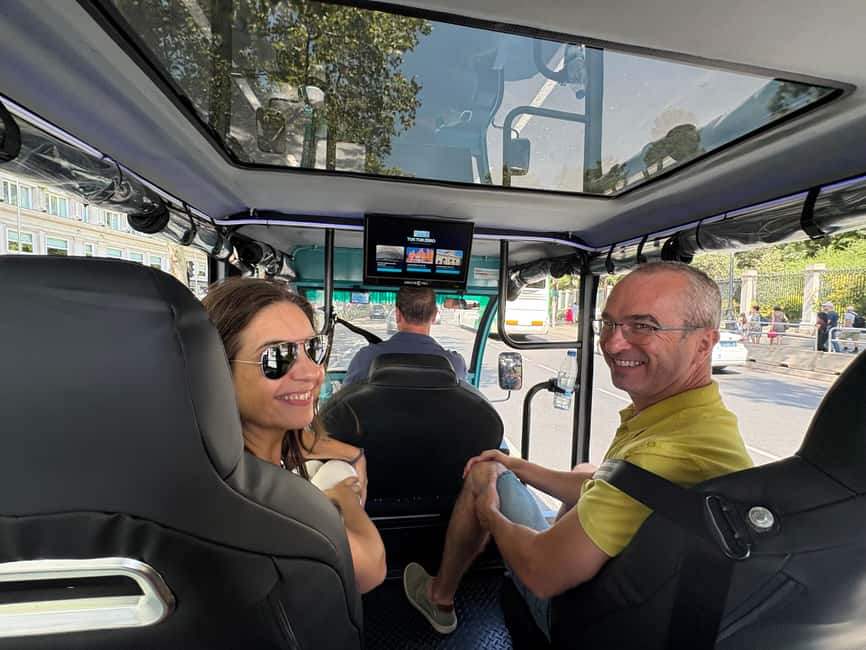
This tour is basically a fast decoder ring for Madrid. You’re not just sightseeing; you’re seeing how the city changes its clothes depending on who’s in charge: sports heroes, business power, and the people who shop or live in the most polished streets.
That’s why the route feels satisfying even when you’re only out of the tuktuk for short stretches. You’ll start on the Paseo del Prado side with the Neptune Fountain area, then pivot to the famous fan-and-celebration landmarks around Cibeles. From there, you angle into Madrid’s “modern authority” zone with the AZCA business district and the neoclassical Madrid Stock Exchange building. Then it shifts again into the high-end residential and shopping world of Plaza de la República Argentina, Salamanca, El Viso, and Calle Serrano’s Golden Mile.
The big practical win is pacing. With a 75-minute format, you get breadth without needing to commit an entire day to only one theme.
You can also read our reviews of more tours and experiences in Madrid.



Starting at Neptune Fountain: bearings, fans, and the city’s grand boulevard feel
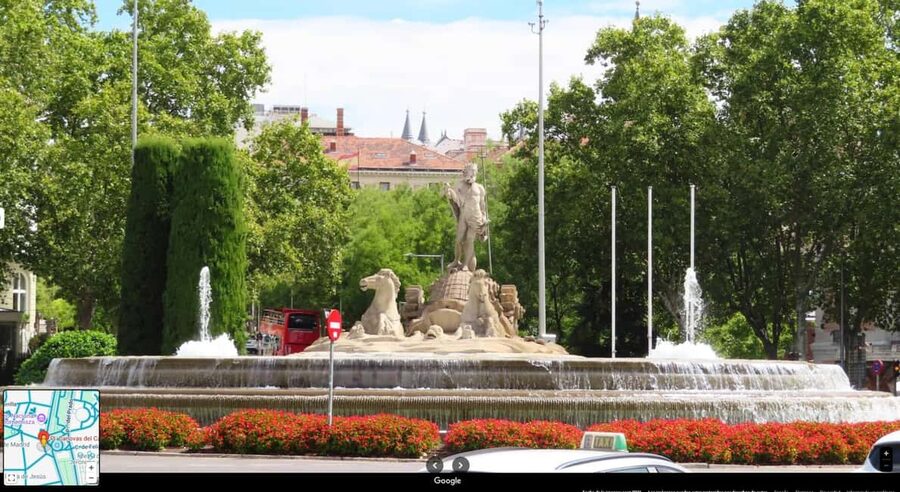
Your meet-up is at Plaza de Canovas del Castillo, at the Neptune Fountain by the Thyssen-Bornemisza National Museum. It’s also in the street area where parking is allowed, so you’re in the right spot to jump into the tuktuk quickly.
Neptune Fountain matters more than it looks. This is one of those Madrid landmarks tied to fan culture—Atlético de Madrid supporters gather here. That small piece of context helps you see the fountain as part of everyday city life, not just a postcard backdrop.
If you like getting oriented fast, this is a smart way to do it. You’re starting in a central, easy-to-find hub with metro Lines 1 and 2 nearby, plus multiple buses.
Cibeles Fountain: where Madrid’s football stories play out in public
Next up is Cibeles Fountain, one of the city’s most recognizable meeting points. It’s also strongly linked with Real Madrid celebrations—this is where fans gather around victories. When you see the square as a “stage,” you start noticing how Madrid builds meaning into public space.
From a touring standpoint, Cibeles also works as a natural checkpoint. It’s where you’re transitioning from the monumental boulevard vibe into the more structured “power map” of Madrid: business, money, and then the grand football landmark later.
The guide’s role here is important. Instead of just naming the fountain, they help you read what you’re looking at—why this spot carries so much emotion for locals.
Plaza Colón and the AZCA skyline: Spain’s history meets Madrid’s finance machine
As the tour moves along, you’ll pass Plaza Colón, known for its tribute connected to the Discovery of America and the imposing Spanish flag presence there. This stop is quick, but it gives you a historical anchor so the rest of the route doesn’t feel like only sports and shopping.
Then you shift into AZCA, Madrid’s business district. AZCA is defined by modern skyscrapers, so it’s a visual break from older monumental areas. The contrast is the point. Madrid doesn’t hide its eras—it stacks them side by side.
Why this matters for you: if you’re trying to understand why Madrid feels like it does, AZCA is the proof. The city isn’t only a museum. It’s a working financial center with a skyline that turns the volume up on “future-facing” Madrid.
Santiago Bernabéu: the football temple stop (and how to make the most of it)
At Santiago Bernabéu Stadium, you’re stepping into the legend zone. This is the home of Real Madrid C.F., and the tour treats it as a must-see epicenter, not just a landmark with a name.
A practical note: the tour includes guided viewing, but tickets to monuments and attractions are not included. So you should plan for outside-area touring rather than assuming you’ll be going inside the stadium itself.
Still, don’t treat it as just a photo stop. If you’re a football fan, the stadium area carries its own kind of atmosphere even before you enter. And one of the strongest examples of guide service comes from a real situation: a Real Madrid fan was taken out of the strict route and helped with a drop-off toward Bernabéu after the tour, because it was far from the end point for the rest of the group. That suggests the guides can be flexible when possible—so if you’re visiting on a match-adjacent day, it’s worth asking about the best way to get where you need to go.





Plaza de la República Argentina, then the luxury turn: finding Salamanca and El Viso
After Bernabéu, you’ll pass Plaza de la República Argentina, a distinctive fountain area that leads you toward Madrid’s more exclusive residential zones. The route then sets up the “style chapter” of the day: Salamanca and El Viso.
Salamanca is where you get luxury, diplomacy, and stately architecture vibes. El Viso has a similar polished feel, but it tends to read more as refined residential Madrid—quiet streets and elegant façades rather than only public spectacle.
Why I like this part for travelers: it gives you a reality check on where the “Madrid postcards” actually live. You’re not just watching famous sites; you’re seeing the neighborhoods that shape the city’s social life.
Also, if you’re the type who likes to compare neighborhoods, this is a clean progression. You go from a sports mega-landmark into the neighborhoods that symbolize power and prestige.
Calle Serrano and the Golden Mile: shopping street, but also city identity
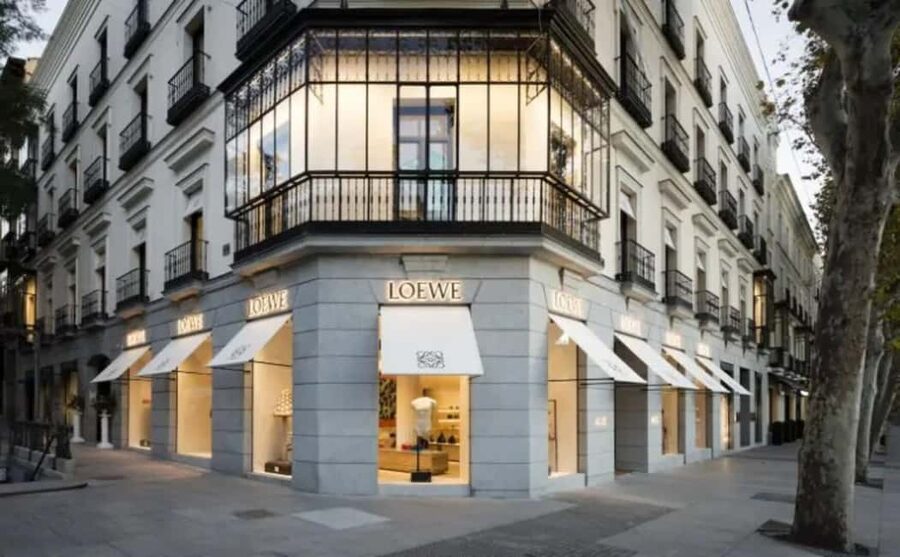
Then comes the Golden Mile on Calle Serrano. This is Madrid’s flagship luxury shopping avenue, tied to major brand names. Yes, it’s a shopping stop. But the bigger value is how it anchors what the city means by “elegance” and “status” in real street form.
You’ll feel the difference in how the streets look and how people move. Even if you’re not planning to buy anything, you’ll learn what kind of city Madrid is at the high end.
Practical tip: if you want to do one smart shopping walk later, take note of the exact area your guide points out here. You’ll have context for how far the luxury stretch goes when you return on foot.
Puerta de Alcalá and Retiro Park: icon + calm, right next to each other
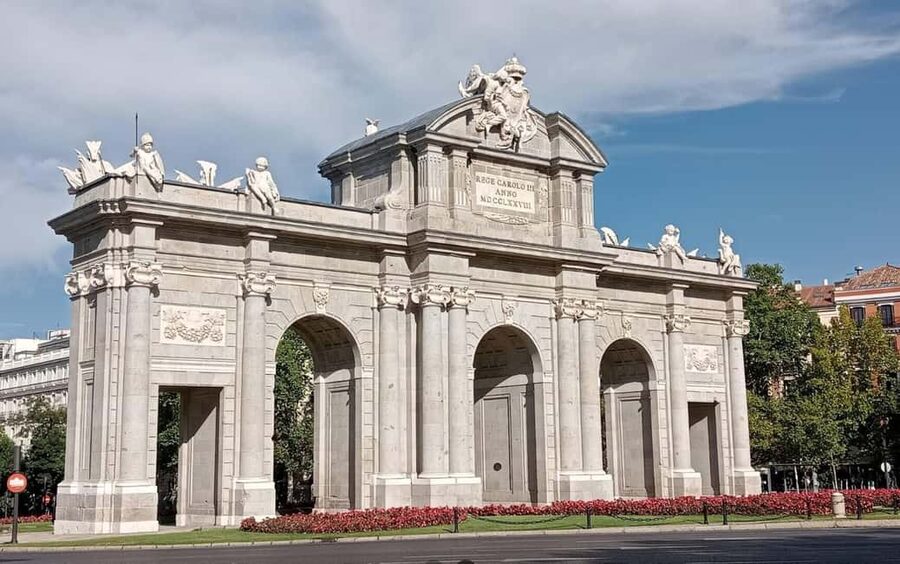
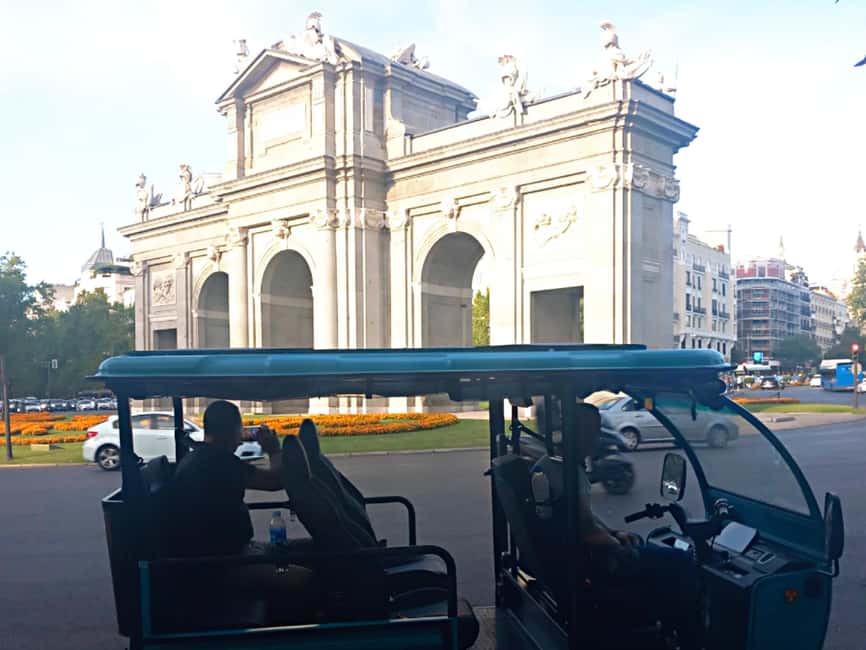
One of Madrid’s most beloved monuments, Puerta de Alcalá, is next. This is an iconic gate, and the tour connection matters: it’s next to Retiro Park. The pairing is ideal because it makes you see two sides of Madrid’s identity in a short distance—grand monument energy and then the green reset of a “city lung.”
Retiro Park is where the tour shifts to a calmer tone. Think of it as a breathing space after the intensity of sports talk and the sharp lines of business and shopping areas.
Even if you don’t have time for a deep walk in Retiro during this 75-minute format, it helps to see the space as the park locals treat like a daily escape.
Madrid Stock Exchange: the financial heart you can actually see
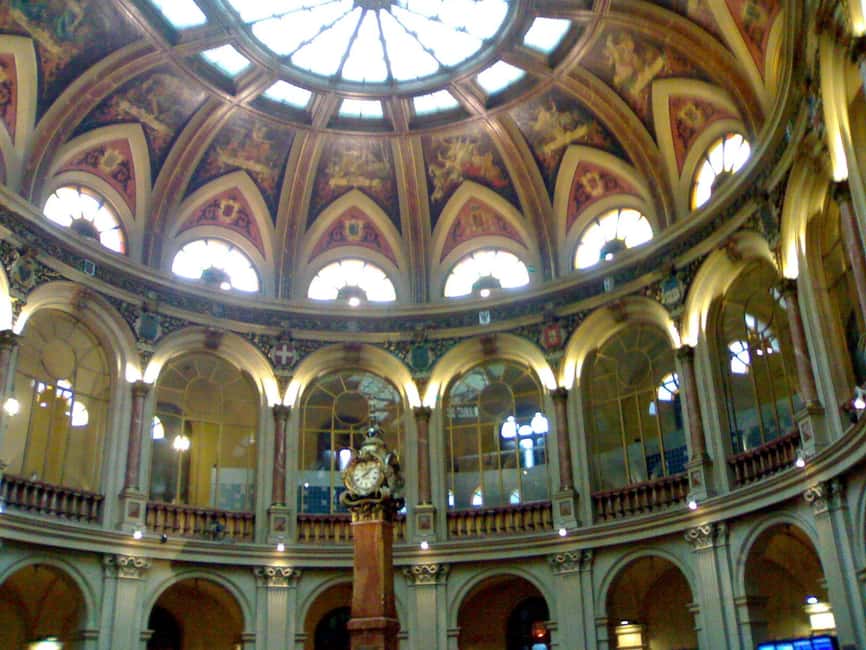
The last key landmark is the Madrid Stock Exchange. The building is described as a historic neoclassical palace, and it’s presented as the heart of Spain’s financial power.
This is a meaningful stop because it turns “finance” from an abstract idea into architecture you can point at. Neoclassical design tends to feel formal and authoritative, and that’s exactly how the city wants its money to look.
If you like tours that teach you how the city functions, this is a good closer. You’ve seen the modern AZCA skyline, then the formal financial symbol. It’s a nice two-part lesson.
What’s included (and why those extras matter on a short tour)
For a short, 75-minute route, the inclusions are more valuable than you might think. You’re not just paying for driving and photos; you’re paying for comfort and clarity.
You get:
- bottled cold water
- mobile phone charging point
- free Wi‑Fi
- inclusive tour with visual text and image resources
- child booster seat
- a live tour guide (Dutch, English, French, German, Italian, Japanese, Polish, Portuguese, Russian, Spanish, Traditional Chinese)
Those sound like small perks, but on a fast schedule they affect your experience. Cold water matters when you’re moving around in warm weather. Charging matters when you’re using your phone for maps and photos nonstop. And the visual resources can be a big deal if you prefer learning with images rather than only listening.
The tour is also listed as wheelchair accessible, which is a plus for travelers who need more than just step-friendly routes.
Price and value: is $70 worth it for Bernabéu + Golden Mile in 75 minutes?
The price is $70 per group up to 4 for 75 minutes. So the real cost isn’t “per person.” It’s per group.
That can be good value if:
- you’re traveling as a small group (friends, family, or parents with kids)
- you want a guided route that stitches together several Madrid “themes” without spending hours planning
- you’d rather pay for orientation and convenience than try to connect all stops on your own in a short time window
Where it may not be the best value:
- if you’re a solo traveler and the rest of your day is already full of museums and paid entrances, you might prefer a less structured free-form hop-on route
- if you specifically want stadium interior access or monument entry, you’ll still need separate tickets because tickets are not included
My take: for a 75-minute, private-group tuktuk plan that combines Bernabéu-area football identity with Salamanca/Golden Mile style and the AZCA/Stock Exchange money side, it’s a solid use of time—especially if it’s your first or second day and you want the big picture fast.
Who this tour fits best
This is a great fit if:
- you want sports + luxury + finance in one pass
- you like guided context for famous spots like Cibeles, Neptune Fountain, and Puerta de Alcalá
- you’re short on time but want to cover a lot of Madrid geography (from Paseo del Prado to Retiro area and the business zones)
It’s also a good choice for families thanks to the booster seat and the quick pacing.
If you’re the kind of traveler who wants lots of time inside major attractions, you’ll likely treat this as the “street-level orientation” piece, then pair it later with a longer museum or monument visit.
Should you book this Tuk Tuk Zero Bernabéu and Golden Mile tour?
I’d book it if you want a first-pass Madrid sampler that actually connects the dots: football landmarks like Santiago Bernabéu, neighborhood prestige in Salamanca and El Viso, shopping identity along Calle Serrano, and the city’s economic spine around AZCA and the Madrid Stock Exchange. The comfort touches (water, charging, Wi‑Fi) make a short tour feel easier.
I’d skip or rethink it if your priority is monument interiors, stadium access, or long time in one neighborhood. Since tickets aren’t included, plan separate visits if you want to go inside.
If you do book, arrive early—10 minutes before your agreed time—so you can start smoothly from Plaza de Canovas del Castillo at the Neptune Fountain.
FAQ
How long is the Tuk Tuk Zero Bernabéu and Golden Mile tour?
The tour lasts 75 minutes.
What does the tour cost?
It costs $70 per group, up to 4 people.
Where do we meet for the tour?
Meet at Plaza de Canovas del Castillo, at the Neptune Fountain, in the street area where parking is allowed, right in front of the Thyssen-Bornemisza National Museum.
Do I need to buy tickets for monuments during the tour?
No. Tickets to monuments and attractions are not included.
Are skip-the-line tickets included?
The tour notes that it can skip the ticket line, but monument and attraction tickets themselves are still not included.
What’s included in the price besides the guide?
Included features are a mobile phone charging point, bottled cold water, free Wi‑Fi, and an inclusive tour with visual text and image resources.
Is the tour available in multiple languages?
Yes. The live guide is offered in Dutch, English, French, German, Italian, Japanese, Polish, Portuguese, Russian, Spanish, and Traditional Chinese.
Is the tour wheelchair accessible?
Yes, it’s listed as wheelchair accessible.
Do you have child seating?
Yes. A child booster seat is included in the vehicle.
What’s the cancellation policy?
You can cancel up to 24 hours in advance for a full refund.