REVIEW · COLOMBO
Colombo local Food Tour &City Tour by TukTuk All food Included
Book on Viator →Operated by Glory Tour By Tuk Tuk · Bookable on Viator
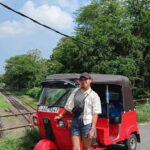
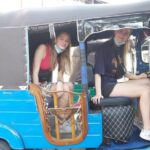
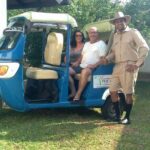
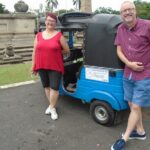
Colombo tastes better by tuk-tuk. This 3-hour loop pairs temples and tea with serious local eating, guided by Starlin as you roll through neighborhoods, parks, and the coast.
What I like most is the way the tour turns sightseeing into a food-and-culture checklist. You get all local street food included plus extras like king coconut water, hoppers, a tea tasting stop, and lunch or dinner—so you can plan your day around it. I also like that it feels flexible: Starlin explained the city in a way that worked for different needs, including families with little ones, without rushing.
One thing to consider: the tour notes that temple ticket fees are not included, even though some stop descriptions say admission is included. Translation: bring a bit of cash just in case you’re asked to pay a small fee on site, and you will be fine.
In This Review
- Key highlights at a glance
- Tuk-tuk logic: why this is a smart way to see Colombo
- Timing and pacing: what 3 hours after 3 PM really means
- Gangaramaya Temple: a cultural stop that’s more than a photo break
- A Hindu temple and Viharamahadevi Park: contrast without changing cities
- Tea at Ceylon Tea Supermarket: what you learn matters because you’ll taste it
- Pettah king coconut water: the hydration stop you’ll be glad you took
- Aluthkade street food: where the tour earns its keep
- Colombo festival sweets (season-dependent): a fun bonus if the calendar lines up
- Galle Face Green: sunset snacks and the ocean breeze finish
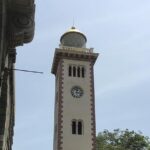
- Colombo Lighthouse: short coast time even if climbing is closed
- What you get for $35: value math that actually adds up
- Who should book this tuk-tuk food-and-city combo
- Should you book this tour or choose something else?
- FAQ
- How long is the Colombo local Food Tour & City Tour?
- What is the price per person?
- Does the tour include food?
- Are temple admission fees included?
- What time does the tour run?
- Is the Colombo Lighthouse climb possible?
Key highlights at a glance
- Tuk-tuk city loop that links temples, neighborhoods, and the Galle Face coast in one shot
- Starlin’s guidance with practical local context tied directly to what you’re seeing and eating
- Tea tasting at Ceylon Tea Supermarket with a chance to sample different tea types and learn about grading and brewing
- Pettah king coconut water break that actually helps you keep going
- Aluthkade street food time with classic Sri Lankan items like kottu roti and parathas in rotation
- Galle Face Green sunset snacks plus a short stop at the Colombo Lighthouse coastline
Tuk-tuk logic: why this is a smart way to see Colombo
Colombo is a city you understand with your senses. And a tuk-tuk fits that best. You’re not doing a stop-and-start walk that turns into one long traffic negotiation. Instead, you get a smooth, compact route where the guide can explain what matters while you’re still close to the action.
This matters for food tours because the city’s eating scene is quick and local. Street food isn’t a single museum exhibit you can linger over. It’s a rhythm—smells, steam, sizzling pans, and vendors calling out what’s fresh. A tuk-tuk helps you stay on schedule and reach the next spot without feeling like you spent your trip in transit.
You’ll also get a very Colombo feel at night. The Galle Face Green portion works especially well if your tour lines up with late afternoon into evening, when the promenade is busy with people and snack vendors. Even if you’re not chasing nightlife, it’s the easiest way to catch the city’s mood change in a few hours.
You can also read our reviews of more tours and experiences in Colombo.
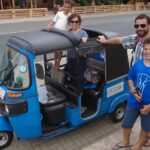
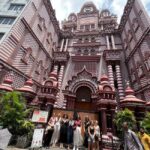
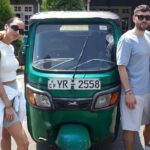
Timing and pacing: what 3 hours after 3 PM really means
The tour is designed for late-day energy. The schedule note says it starts after 3 PM, and one of the most common time windows you’ll see is roughly 3 PM to 7 PM.
That timing is a win for two reasons. First, temples and parks are easier to handle in cooler light. Second, street food tastes better when you’re hungry and the city is gearing up for evening.
The pacing also looks intentional. Most stops are short (10–30 minutes), so you’re constantly moving from one experience type to another:
- a temple visit for context,
- a tasting stop to reset your palate,
- a street-food area for the main eating,
- then the coast for photos and final snacks.
The trade-off is that you won’t linger like a day-long temple circuit. If your goal is slow, deep museum-style time at one place, this isn’t built for that. It’s built for variety and value.
Gangaramaya Temple: a cultural stop that’s more than a photo break
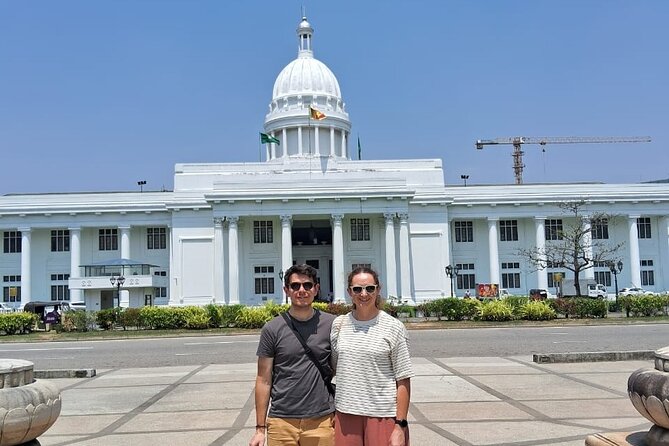
Your first major stop is Gangaramaya Temple, one of Colombo’s important Buddhist sites. Expect a cultural mix in the architecture, with influences noted as Sri Lankan, Thai, Indian, and Chinese. That blend is part of why this works as an early stop: it gives you a visual framework for what you’ll keep noticing around the city.
You’ll spend about 30 minutes here, with temple time set aside for viewing and context. Admission is listed as included in the stop description, but remember the earlier caution about potential temple ticket fees not being fully covered. Either way, you’re not walking in blind—your guide sets expectations before you get there.
Practical note: temples are active places. Even if you’re visiting respectfully for sightseeing, be ready for a moment where the pace becomes slower. That’s normal and it’s part of the point.
A Hindu temple and Viharamahadevi Park: contrast without changing cities
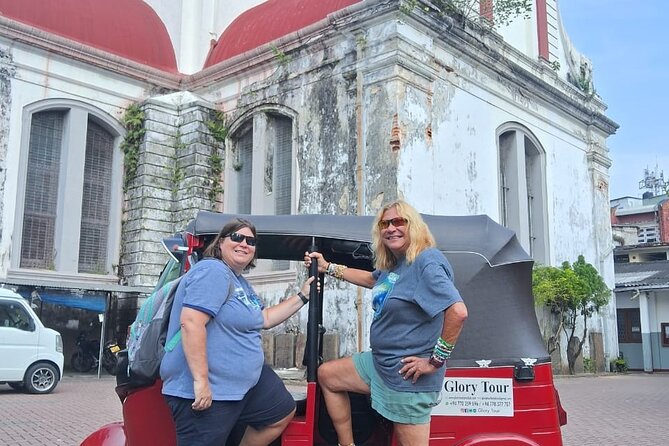
Next up is Temple Of Sri Kailawasanathan Swami Devasthanam Kovil, described as one of the oldest and one of the more vibrant Hindu temples in Colombo, dedicated to Lord Shiva and Lord Ganesha. This stop is about 15 minutes and is heavy on visual detail: colorful carvings and towers, plus devotional rituals you might see while you’re there.
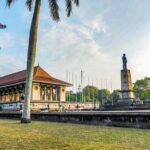
Then you shift gears to Viharamahadevi Park. The tour describes it as once a cinnamon plantation and now a prestigious neighborhood area with embassy and luxury homes nearby. It’s a 15-minute breathing space—shaded walking, calmer streets, and a change of tempo before you jump back into eating.
Why that contrast is smart: after temple stops (where you’re taking in meaning), the park helps you reset your body and eyes. It also helps you avoid feeling like you’re stacking too many intense sights back-to-back.
Tea at Ceylon Tea Supermarket: what you learn matters because you’ll taste it
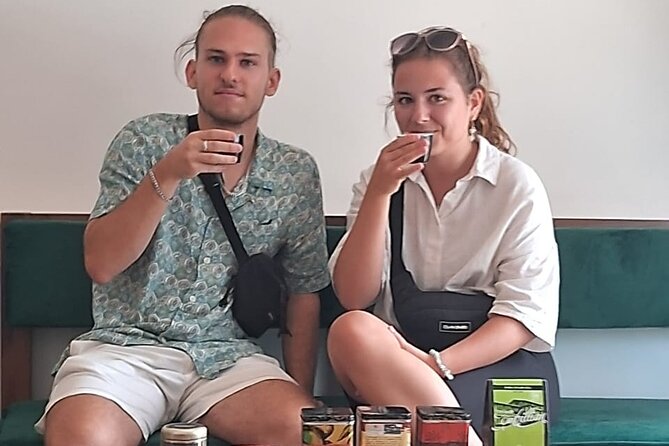
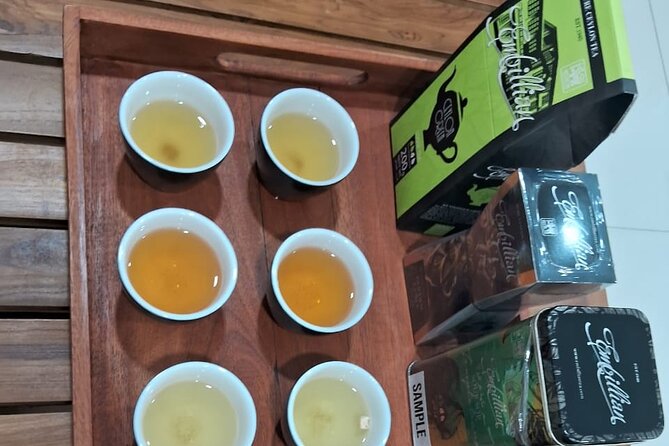
The tour includes a tea stop at Ceylon Tea Supermarket with a tasting session. You’ll sample different types—black, green, and herbal—and you’ll learn about tea grading and brewing techniques.
This is one of those stops where the value isn’t only in the taste. It’s in the quick education that makes your next cup less random. If you’re the type who buys tea later and wonders what the labels actually mean, this is a useful checkpoint.
You also get a Ceylon taste banana at this stage. It’s a small thing, but it helps break up flavors as your food journey continues into street stalls.
If you’re trying to keep your stomach comfortable, this tea stop is a good anchor point. It’s earlier than the biggest street-food block, so you’re not only relying on deep-fried snacks to carry you.
Pettah king coconut water: the hydration stop you’ll be glad you took
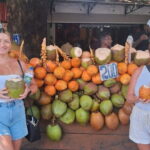
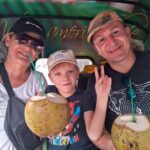
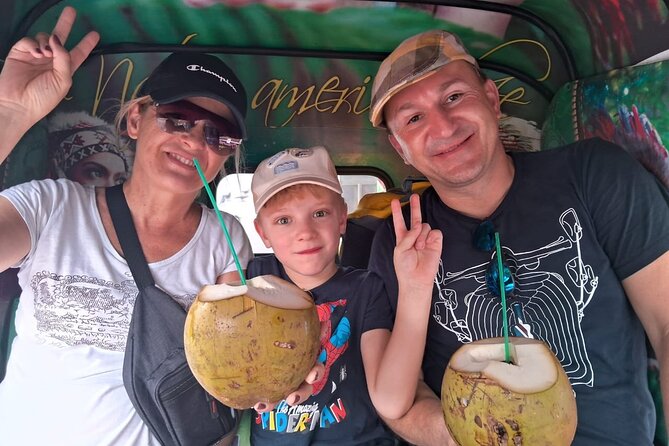
In Pettah, you’ll taste freshly harvested king coconuts (Thambili), described as sweet and mineral-rich. The tour includes king coconut water, and this is a smart move if you’re doing a food tour on a warm day.
Here’s why I like this stop: it’s not just a drink break. It’s a palate reset. After tea and before street food gets intense, your mouth gets a clean, tropical refresh. You also get a local food rhythm—small tastings rather than one big sit-down meal from start to finish.
It’s only about 10 minutes, so it won’t steal time from the main event. It’s the kind of stop that makes you feel prepared for what comes next.
Aluthkade street food: where the tour earns its keep
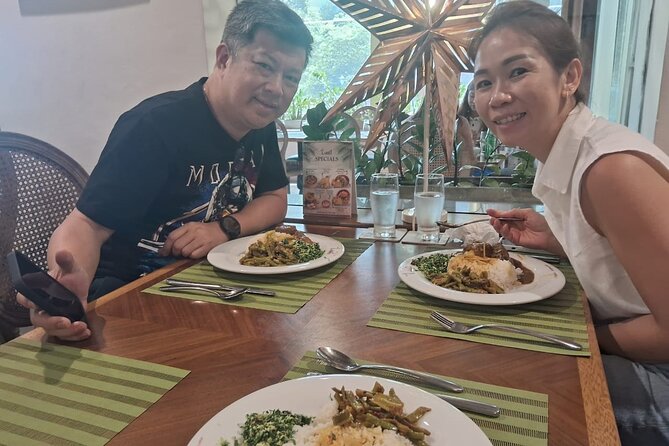
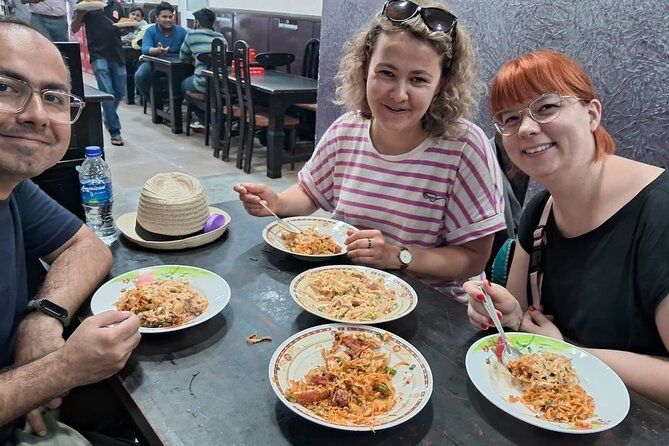
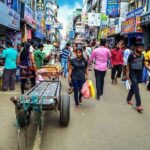
This is the heart of the experience. Aluthkade Streetfood is where you spend around 40 minutes, and it’s built around the street-stall style that Colombo is known for.
The tour highlights night-time food stalls and specific Sri Lankan favorites. You might see options like:
- kottu roti
- chicken rolls
- parathas
- faluda
What makes this section feel worth it is the structure: you’re not wandering hungry hoping you’ll pick right. The guide helps connect the food to local culture, and you get enough time to sample rather than just grab one snack and leave.
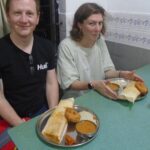
Also, the tour includes egg hoppers or plain hoppers as part of the included food. Those are the kind of items that can easily become your new travel favorite if you’ve never had them. One review specifically called out the hopper as the best they’d had so far, which matches how hoppers usually hit: crispy edges, soft center, and a flavor that pairs well with spicy sides.
Come hungry. And if you’re sensitive to heat, you can still eat well here—just tell your guide what you can handle, because street food portions tend to be bold.
Vegetarian or non-vegetarian is offered as a customer option, so you don’t have to guess whether you’ll be fed. In practice, that matters more than people expect on food tours.
Colombo festival sweets (season-dependent): a fun bonus if the calendar lines up
One stop is designed around the city coming alive during major local festivals like Vesak or Sinhala and Tamil New Year. In those moments, the streets can fill with stalls selling traditional sweets such as kavum, kokis, and milk rice.
On a normal day, you’re likely still in a food area, but the specific festival items depend on timing. The upside is that you’re in the right part of Colombo for that possibility.
This is a good section if you like to eat something that feels seasonal and local. It’s also a reminder that Sri Lankan food isn’t only a menu; it’s tied to calendar moments.
Galle Face Green: sunset snacks and the ocean breeze finish
After eating through neighborhoods, the tour lands at Galle Face Green, a coastal promenade loved by locals and tourists. You’ll spend around 20 minutes here, which is just enough time for snacks and photos without turning into a long sit.
Expect vendor-style treats along the walkway, including items like isso wade (shrimp fritters), achcharu (spicy fruit pickles), and spicy cuttlefish. The tour includes admission for this stop, and it also includes snacks as part of your included food experience.
This is also a great place to take a breath. You’ve been inside temple and street-food energy; now you get open air. If your tour falls during late afternoon into evening, it’s the ideal setting for Colombo’s shift in pace.
One practical tip: if you’re taking photos, the sea breeze can flip small adjustments fast. So keep your phone steady and give yourself a moment before you frame the shot.
Colombo Lighthouse: short coast time even if climbing is closed
The final structured viewing stop is Colombo Lighthouse. The listing notes that climbing is closed, but you still get value: you can take scenic photos, feel the ocean breeze, and soak in the coastal atmosphere.
You’ll spend about 10 minutes here, so it’s not a long lighthouse visit. Think of it as a punctuation mark at the end of the tour, tying your route together with the city’s coastline.
If you were hoping to climb, plan for alternatives on your own time. But even without climbing, the exterior area is a nice closing photo.
What you get for $35: value math that actually adds up
At $35 per person for about 3 hours, the headline question is whether you’re paying for driving and instruction—or for food.
Here’s the value logic: this tour includes all local street food, bottled water, king coconut water, tea tasting entry, plus entry at the Colombo Lighthouse. It also includes lunch or dinner, and you can choose vegetarian or non-vegetarian, with hoppers included. That’s a lot of meal-cost you normally pay separately on your own.
If you’re trying to estimate the cost yourself, imagine building the same day solo:
- You’d pay for temple admissions (and possibly multiple times).
- You’d pay for a tea tasting experience.
- You’d pay for multiple street snacks.
- You’d pay for a proper meal.
- Then you’d still need transport across town.
In other words, the price feels fair because it bundles tastings, meals, and a guided route that keeps you moving between areas instead of backtracking.
It’s also described as a private tour, meaning only your group participates. That usually improves the experience because Starlin can pace the route around your interests—something helpful if you’re traveling with kids or have picky eaters.
For context on planning, the tour is often booked around 19 days in advance on average. If your schedule is tight, booking earlier gives you more options.
Who should book this tuk-tuk food-and-city combo
You’ll like this tour if you want:
- a short, guided intro to Colombo with food as the main thread,
- a manageable route with multiple cultural stops,
- a guide who can explain what you’re eating and seeing in plain terms,
- plenty of food without having to plan each meal spot.
It also sounds like a decent fit for mixed groups because Starlin is described as patient and accommodating, including a family traveling with a 10-month baby. If you’re traveling with family and want structure but not stress, that’s a big plus.
You might skip it if:
- you hate street food or don’t eat spicy food at all,
- you want a deep, slow visit to temples or parks,
- you’re only in Colombo for a very early day window, since the tour starts after 3 PM.
Should you book this tour or choose something else?
Yes, I’d book it if your goal is to eat well and get oriented quickly. The best reason is the combination: you’re not only tasting food, you’re also seeing the places that shape how that food culture shows up—temples, neighborhoods, tea culture, and the seaside promenade.
Before you confirm, do two simple checks:
- Expect to eat a lot, so plan a lighter breakfast or late lunch earlier in the day.
- Bring a little extra money in case temple ticket fees are requested on site.
If you want a Colombo day that feels local, guided, and food-centered without turning into a scavenger hunt, this tuk-tuk tour is a strong choice.
FAQ
How long is the Colombo local Food Tour & City Tour?
It runs for about 3 hours.
What is the price per person?
The price is $35.00 per person.
Does the tour include food?
Yes. The tour includes lunch or dinner, bottled water, all local street food, king coconut water, and listed food items such as egg hoppers or plain hoppers, plus items tied to the tea tasting stop. Vegetarian or non-vegetarian is available as an option.
Are temple admission fees included?
The details are mixed: some temple stops list admission tickets as included, but there is also a note that temple ticket admission fees are not included and may need to be paid on site. Bring a bit of cash to be safe.
What time does the tour run?
The schedule information says the tour starts after 3 PM. One commonly described window is 3 PM to 7 PM.
Is the Colombo Lighthouse climb possible?
Climbing is noted as closed, but you can still visit the area for photos and views.