REVIEW · COLOMBO
Colombo: Local Food Tour & Sightseeing by Tuk-Tuk with Meals
Book on GetYourGuide →Operated by Sri Lanka Car Hire with Driver · Bookable on GetYourGuide
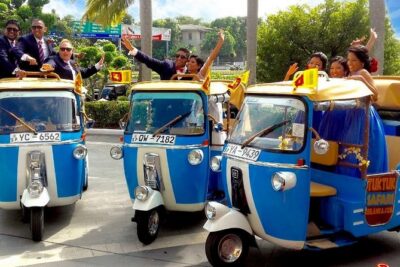
Colombo tastes better at tuk-tuk speed. This private ride mixes street-food sampling with just enough sightseeing to help you understand what you’re eating and where it fits in everyday Colombo life. You’re guided through neighborhoods at a pace that’s way more practical than trying to hunt down tiny food stalls on your own.
I especially like the way the tour builds flavor context with Ceylon tea and coffee tastings, then follows that up with Sri Lankan classics you can recognize on a menu afterward. I also like the structure: a hotel pickup, guided stops, and then focused time in the Pettah area so you’re not stuck driving in circles without anything to show for it.
One thing to consider: it can feel more like a mix of sightseeing plus food than a strict all-food crawl, and the food quantity and timing can vary by route and appetite. If you’re specifically trying to eat a full lunch’s worth of food during the tour window, ask the guide up front what you’ll actually get to eat and how many stops you’ll have.
In This Review
- Key points I’d plan around
- Entering Colombo by tuk-tuk: why it works
- What you eat in the Colombo street-food run
- A realistic note on portion expectations
- Ceylon espresso and tea stops: what you’re learning
- What to do with this knowledge
- Pettah market: where street snacks meet shopping lanes
- Practical tip: pace yourself
- Sightseeing without killing your appetite
- My advice for balancing both
- Price and value: is $40 a fair deal?
- Who should book this Colombo tuk-tuk food tour
- Should you book it
- FAQ
- FAQ
- How long is the Colombo local food and sightseeing tuk-tuk tour?
- Is this a private tour?
- What languages is the guide available in?
- Does the tour include hotel pickup and drop-off?
- What food items are included during the tour?
- Are drinks included?
- Is tea and coffee tasting part of the experience?
- Where does the tour spend time for street food and markets?
- Is luxury dining included?
Key points I’d plan around
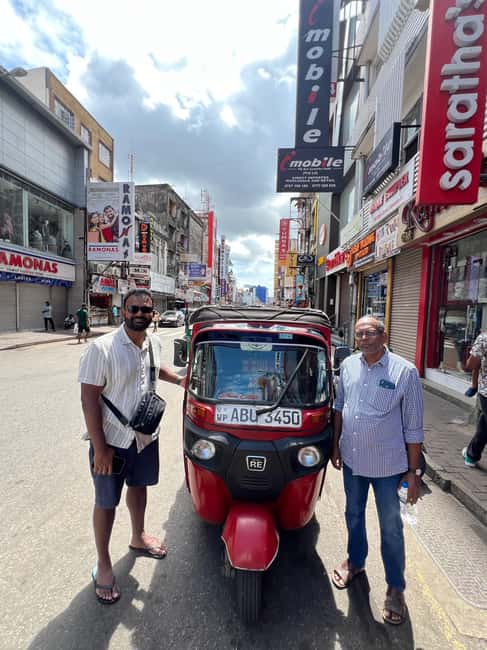
- Private tuk-tuk transport with hotel pickup and drop-off inside Colombo (up to the city limit listed).
- Ceylon tea and coffee tasting stops that explain why Sri Lankan brews taste different.
- Pettah market time for street snacks, shopping browsing, and a food-market feel.
- A menu of Sri Lankan comfort food like cheese kottu, pittu, chapati, curry, and desserts.
- Guide-led flexibility based on what you want to see, not just a rigid script.
- One possible mismatch to watch for: some routes may include less food time than you expect.
Entering Colombo by tuk-tuk: why it works
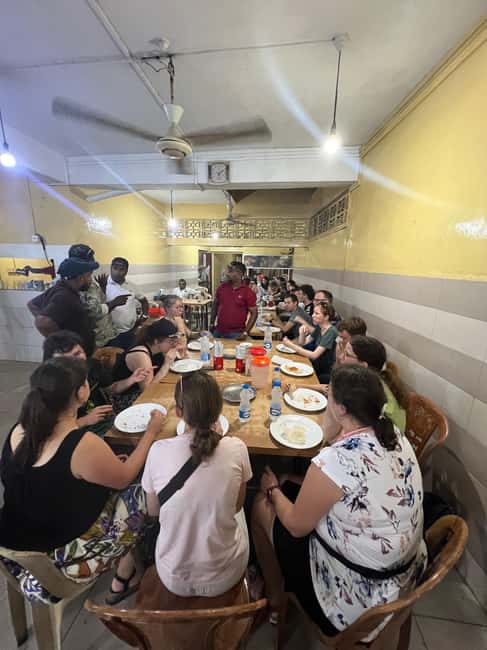
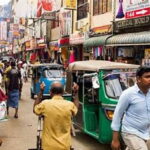
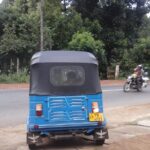
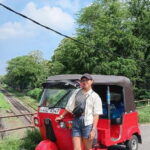
The best part of doing Colombo by tuk-tuk is the effortless “yes, go there” factor. You get the freedom to move through traffic and short distances quickly, then stop exactly where the food is. That matters in Colombo because the interesting stuff isn’t spread out like a museum route—it’s in small pockets, often near busy lanes, markets, and food counters.
It also keeps your day from turning into a logistics puzzle. Your pickup and drop-off are handled, and you’re with a local guide who can move you from one tasting to the next without you having to figure out what’s safe to eat, where to stand, and what to order. Even if your schedule is tight, you’re not spending that precious time walking in the wrong direction.
The route can include a mix of stops—photo moments, short walks, and viewpoints—so it’s not purely a “sit down, eat, repeat” routine. That’s a plus if you want the city context. It’s a drawback if your only goal is maximum food quantity.
You can also read our reviews of more tours and experiences in Colombo.
What you eat in the Colombo street-food run
This experience is built around Sri Lankan street favorites and a few familiar “supporting cast” items that help you fill out the meal. The included foods list points to items you can usually find at local counters, while the tour description adds extra street staples like crab curry and sambal.
Here’s what to expect, in plain terms:
- Kottu: You may see cheese kottu in the street-food mix. It’s a classic Colombo snack-style dish, chopped ingredients griddled fast, usually with a savory punch.
- Egg hoppers: These small bowl-like pancakes are part of Sri Lanka’s breakfast and snack culture. They’re quick, warm, and best when you eat them freshly made.
- Pittu: Steamed rice flour mixed with coconut and salt—often described as a traditional breakfast item. It helps you taste something that isn’t just curry-on-rice.
- Chapati + curry combos: You can expect chapati and a potato curry stop. This matters because you’ll get different textures, not only saucy dishes.
- Rice and curry (Sri Lanka tradition lunch): This is the “meal anchor.” It’s one of the biggest value parts if you’re hungry and want something more filling.
- Seafood choice (crab curry): If you like seafood, this is the standout option in the tasting lineup. Crab curry is very Colombo-coded and easy to understand once you’ve tasted the sauce.
- Prawns & dhal wade: These round out the savory side, giving you a mix of ocean and comfort-lentil flavors.
- Sambal + other roadside tastes: The tour description highlights sambal. Expect it as part of the street-food flavor profile—spicy, sharp, and meant to wake up each bite.
- Dessert stops: Falooda (a cold dessert made with vermicelli) shows up at the sweet-shop stage. The description also mentions ice cream as part of the street-food flavor variety.
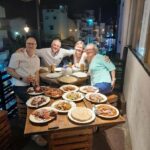
I like how this food list creates variety across the tasting—griddled snacks, curry bowls, rice-based dishes, and sweets. That’s how you avoid the common street-food tour problem where everything tastes similar because you only keep hitting one kind of shop.
A realistic note on portion expectations
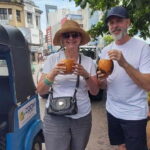
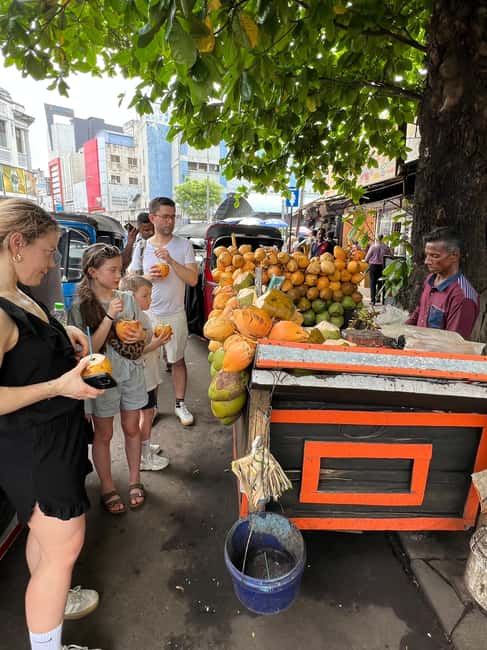
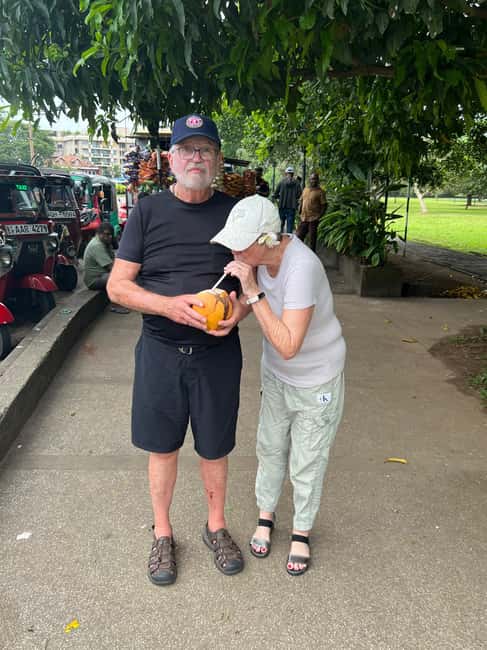
The food focus is the big promise, but the experience can land differently depending on the day. One guide instance included extra drinks—like a king coconut purchased and offered by the guide—yet the same situation also had limited food volume for the tour length.
So here’s my practical advice: if you’re booking with the expectation of a heavy lunch-type meal, message or ask directly how many actual tasting stops you’ll make for the time you have. That single question can save you from leaving hungry.
Ceylon espresso and tea stops: what you’re learning
A lot of food tours stop at “tastes good.” This one adds a bit of explanation through drink tastings, and that’s genuinely useful because Sri Lankan tea and coffee aren’t just the same product with a new label.
You’ll stop at:
- A local coffee shop where you try an Italian-style Ceylon espresso.
- A tea shop where you learn about the history of tea in Sri Lanka.
Even if you’re not a coffee nerd, you’ll notice the difference in how these drinks feel—aroma first, then flavor. And the tea lesson helps you connect why tea shows up everywhere, from everyday households to roadside stalls.
This also keeps the tour from being only hot, spicy bites back-to-back. Coffee and tea give you a break that resets your palate before the next curry or snack.
What to do with this knowledge
After this tasting, you’ll be able to order with confidence later. You won’t just ask for tea or coffee—you’ll understand that Sri Lanka has its own tea identity, plus coffee is treated with its own style. That helps when you’re back on your own and choosing where to sit.
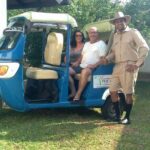
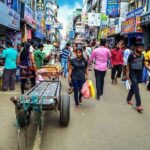
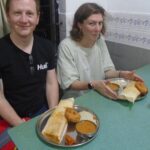
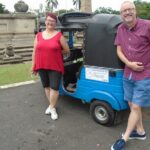
Pettah market: where street snacks meet shopping lanes
Pettah is the part of Colombo that feels most like a working city. It’s also the most sensory stop in the whole experience, because you get food-market energy plus browsing.
On your time in Pettah, you can expect:
- Street food tasting
- A wine tasting stop (as listed in the itinerary block)
- Shopping browsing
- A food market visit
A key thing here: Pettah is where you’ll start seeing how Colombo people actually live—buying ingredients, snacks, and everyday items in tight spaces. It’s also where you can spot the difference between tourist-focused food and regular-life food.
Practical tip: pace yourself
This stop can be a lot for the senses. If you’re the type who gets overwhelmed by crowds and noise, give yourself a small plan: choose one savory snack you want to repeat, and one sweet you want to compare later. Otherwise you’ll snack on everything and then feel “stuffed but not satisfied.”
Also, because the itinerary includes shopping time, you’ll want to keep an eye on the balance. If you came for food, gently steer the guide back to tastings if the shopping tempo picks up.
Sightseeing without killing your appetite
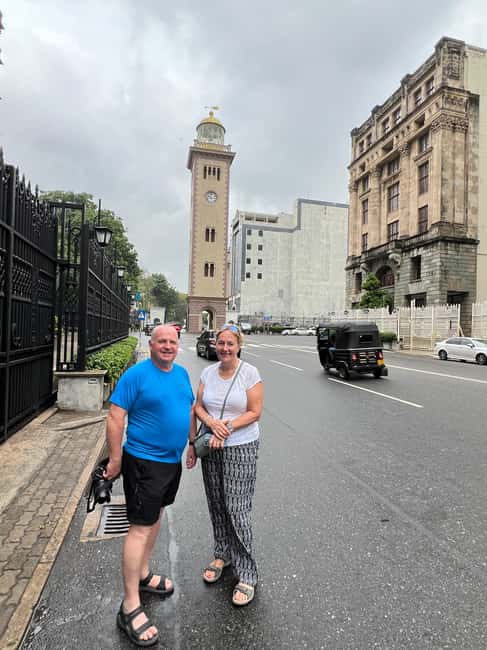
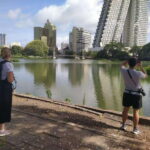
The sightseeing component is built around a guided tour plus short visual moments. You’ll have time for a photo stop, guided tour, walk, and a tea ceremony. The schedule also mentions an aerial view and scenic drive.
This is the “why it’s worth it” part of the tour if you want more than plates of food. You get glimpses of how Colombo looks from different angles, and you’ll understand a bit of the city’s layout while you’re already out and moving.
The potential drawback is that sightseeing time can eat into food time. One account described the experience as more of a sales-style outing than a true food-and-meals focus, and cut out after stops where food didn’t appear for a while. While that’s not guaranteed, it’s enough to treat the food schedule seriously.
My advice for balancing both
If you want this to stay a food tour in practice, ask your guide for the sequencing: which meals and snacks are first, and how many tastings come before any shopping or other stops. A good guide can adjust the order to keep you fed.
Price and value: is $40 a fair deal?
For a private tour priced around $40 per person, the value depends on two things:
1) How much of the time is actually spent eating. The tour name and meal-forward descriptions set that expectation.
2) Whether you get the “meal anchor” stops like rice and curry, plus multiple street-food tastings and sweets.
When it hits the sweet spot, you’re getting:
- Private tuk-tuk transport
- Hotel pickup and drop-off
- Multiple savory tastings (including items like kottu, egg hoppers, pittu, and curry)
- Drinks (mango/wood apple/avocado juice are listed)
- Tea and coffee tastings
- Dessert like falooda
But if the route shifts toward shopping and show-and-sale stops (without enough food along the way), the “$40” can start to feel like you paid for driving and explanations more than eating.
So the smartest move is to confirm your appetite match before you book. If you want a lunch-worthy food crawl, ask for the exact number of food stops you’ll make, not just the list of dishes included.
Who should book this Colombo tuk-tuk food tour
This tour is a strong fit if you want:
- A private guide and driver who can tailor stops based on what you care about
- A mix of Sri Lankan street-food tasting plus drink tastings (tea and coffee)
- A combination of city orientation and food, not only one or the other
It may be less ideal if:
- You’re arriving specifically around lunch time and want a full meal with lots of food quantity guaranteed
- You dislike shopping-heavy stops
- You’re extremely sensitive to being delayed between tastings
One review-highlight detail I’d take seriously: the guide can adjust sights to your preferences (in one case, a guide—Ahilan—changed the route to avoid repeating sights). That flexibility is a big value if you like control. It’s also a reason to communicate early: tell the guide what you want most (food quantity, seafood, spicy sambal, desserts, etc.).
Should you book it
I’d book this if you want a private tuk-tuk day slice that includes real Sri Lankan flavors, tea and coffee tastings, and time in Pettah. The mix of street snacks, a traditional rice-and-curry meal, plus dessert gives you a good chance of leaving satisfied.
But if your #1 priority is a strict, heavily food-focused route with lots of eating time, do a quick sanity check before you go. Ask what portion of the tour will be spent on tastings, and confirm your lunch expectations. If the guide plans well, this can be a fun way to taste Colombo without worrying about directions or where to eat.
FAQ
FAQ
How long is the Colombo local food and sightseeing tuk-tuk tour?
The activity is listed as lasting 3 hours, but the route plan includes several time blocks for driving and sightseeing, so it’s worth checking the exact schedule for your departure time.
Is this a private tour?
Yes. It’s described as a private group with a live tour guide.
What languages is the guide available in?
The live guide is available in English, Hindi, and Tamil.
Does the tour include hotel pickup and drop-off?
Yes. Pickup and drop-off are included in Colombo, including hotels within the stated distance limit, and pickup is also listed from the railway station.
What food items are included during the tour?
The included foods list mentions Kottu, Egg Hoppers, Pittu, Prawns & Dhal Wade, and a Sri Lanka tradition lunch rice and curry. The tour description also highlights items like crab curry, sambal, chapati, potato curry, and falooda (plus ice cream mentioned in the overview).
Are drinks included?
Yes. Mango juice, wood apple juice, or avocado juice are included (as listed).
Is tea and coffee tasting part of the experience?
Yes. There’s a stop at a local coffee shop for an Italian-style Ceylon espresso, and a tea shop stop focused on the history of tea in Sri Lanka.
Where does the tour spend time for street food and markets?
There’s a Pettah stop specifically for street food, a food market visit, plus shopping time.
Is luxury dining included?
No. The tour notes that luxury restaurant food is not included.