REVIEW · COLOMBO
Colombo Foods Tour by Tuk Tuk ( Food chargers included )
Book on GetYourGuide →Operated by Travel with Lenin · Bookable on GetYourGuide
Colombo’s best bites happen on a tuk-tuk ride. You’ll hop from market chaos to griddle sizzles, tasting three types of hoppers and pittu with crab curry along the way. The food comes in guided tastings, not a slow sit-down meal, so you get variety fast. One heads-up: if you don’t handle spicy flavors well, the sambols and curry can hit with heat.
I like that this tour is built around real street ingredients, starting with a vegetable and fruit market and then rolling into Pettah for quick snacks. You also get included bottled water plus an umbrella for sun or rain, which sounds small until you’re standing in the middle of Colombo weather.
You’ll travel with an English-speaking guide (past groups have had hosts like Caviar and Ricky), and the route is designed for walking and quick tasting stops rather than restaurant time. It’s a smart way to see more of Colombo’s food rhythm without getting lost in it.
In This Review
- Key things I’d plan around
- Tuk-Tuk Colombo Street Food Tour: What Makes It Different
- Price and What You’ll Actually Get for $25
- The Vegetable and Fruit Market Stop: Where Flavor Starts
- Pettah Passing Snack: Cheese Ball and Samosa on the Move
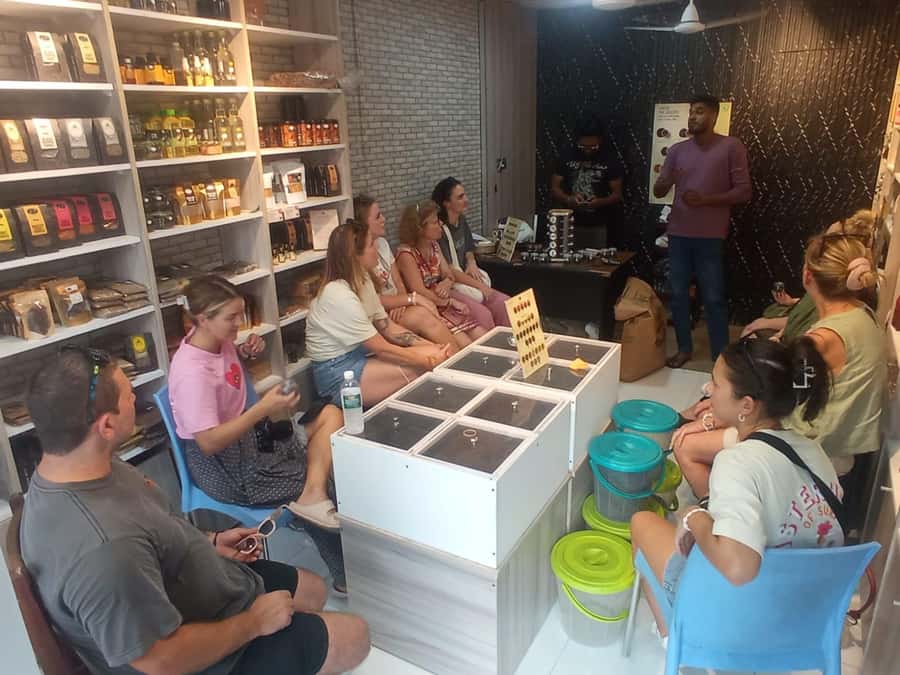
- Ceylon Tea and Spice Tastings: The Flavor Map Lesson
- Three Types of Hoppers: Crispy Meets Soft
- Pittu With Crab Curry and Sambols: Comfort Food With Character
- Chicken Kottu Roti Finale: The Sizzle Stop
- Morning Menu Variations: If You Catch the Other Line-Up
- Tuk-Tuk Ride Reality: Traffic, Weather, and Pacing
- Hygiene, Portions, and What to Expect From the Tasting Style
- Who This Colombo Food Tour Is Best For
- Should You Book This Tuk-Tuk Street Food Tour?
- FAQ
- How much does the Colombo Foods Tour by Tuk Tuk cost?
- What’s included in the tour price?
- Are any drinks included?
- What food will I try during the tour?
- Is there a market stop?
- Is there any alcohol allowed during the tour?
- Can I record audio during the tour?
- What should I bring?
- What language is the tour offered in?
- Is it suitable for very elderly travelers?
Key things I’d plan around
- Market-first start: see produce up close before you eat
- Pettah street snack timing: cheese ball and samosa while you’re on the move
- Ceylon tea and spice tastings: learn what makes Sri Lankan flavors tick
- Three hopper styles: crispy and soft textures in different varieties
- Crab curry with pittu and sambols: comfort food with spice control options
- Chicken kottu roti finale: the griddle finish you’ll remember
Tuk-Tuk Colombo Street Food Tour: What Makes It Different
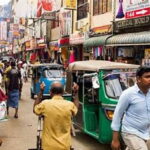
A Colombo food tour can either feel like a checklist or like learning how people actually eat. This one leans toward the second option. The big idea is simple: ride through neighborhoods by tuk-tuk, stop briefly at food highlights, then keep moving so you sample a lot without turning your day into a long meal marathon.
What you’re really tasting is variety: crunchy hoppers, steamed pittu, and the sound-and-smell show of chicken kottu roti being cooked. You also get a market component, which matters because Sri Lankan cooking starts with ingredients. When you see the produce first, the flavors in the food stops make more sense.
Another smart detail is that snacks and tastings are included, and you’re not pushed into buying extra food at every stop. That helps you control your budget while still eating like you mean it.
You can also read our reviews of more tours and experiences in Colombo.


Price and What You’ll Actually Get for $25
The cost is $25 per person, which is fairly reasonable for a half-day style street food experience that includes multiple tastings plus a tuk-tuk ride. You’re not just paying for food; you’re paying for the guidance, the route, and the logistics of moving through Colombo efficiently.
Included in the price:
- bottled water
- tasty local snacks (the tastings across the tour)
- an umbrella for sun or rain
- a first aid kit
- all fees and taxes covered
Not included:
- additional beverages and foods, except that refreshing soft drinks and fresh juices are mentioned as outside the included items
- alcoholic drinks (also not allowed on the tour)
Practical takeaway: if you’re budgeting, eat what’s included, then only buy the drinks you truly want. If you’re tempted to add sides at every stop, that’s when the total cost climbs.
The Vegetable and Fruit Market Stop: Where Flavor Starts
The tour begins at a vegetable and fruit market, where you’ll see the color and variety that Sri Lanka relies on daily. This isn’t just sightseeing. Market stops help you understand why certain dishes taste the way they do: the sweetness, acidity, and aromatic herbs all start with what’s fresh and available.
What to expect here:
- You’ll browse through piles of vegetables and fruits and get a feel for local produce.
- You’ll likely notice that some ingredients are familiar (onion, chili), while others might be new to your palate.
What you should watch for:
- Don’t overthink it and try to identify everything. The goal is your nose and eyes, not a produce quiz.
- If you’re sensitive to strong smells, markets can be intense. A quick mindset shift helps: this is normal, and it’s part of the experience.
Why I like this stop: it makes the later tastings feel connected instead of random. Once you’ve seen ingredients up close, hoppers, sambols, and curry start to feel like one food system rather than separate snacks.
Pettah Passing Snack: Cheese Ball and Samosa on the Move
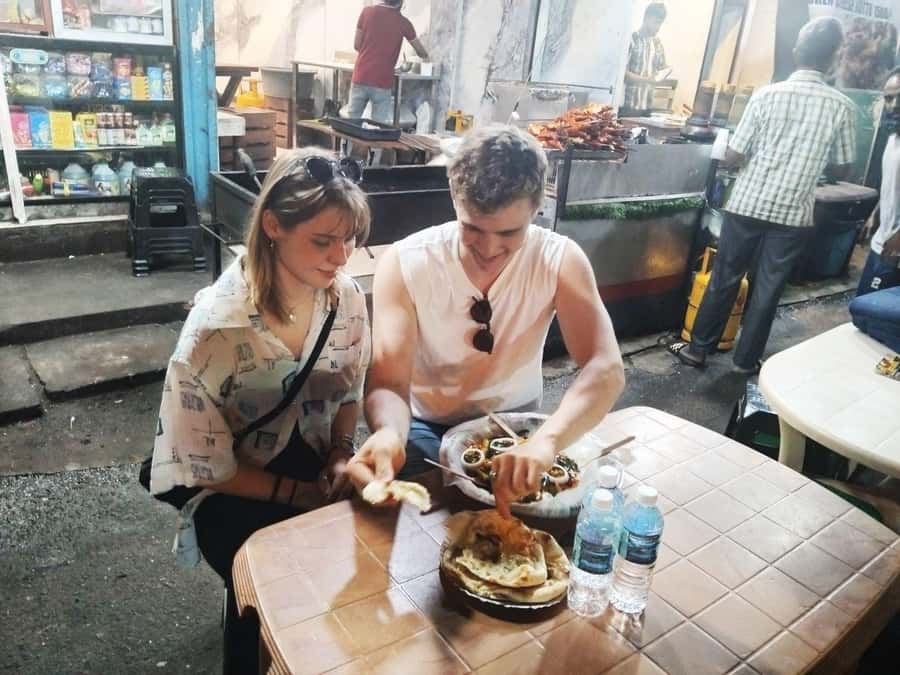
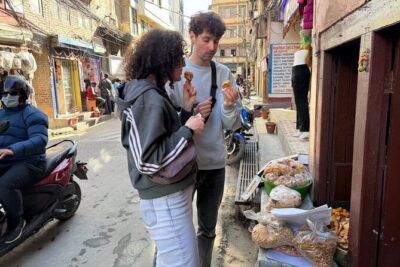
After the market, the tour passes through Pettah Market, and you get a quick local bite: cheese ball or samosa. This is a short stop with no restaurant pause. It’s designed for speed because the rest of your day is packed with tastings.
This part is about the street texture:
- crispy outsides
- spiced fillings
- easy handheld eating
The practical value: you’re not waiting around. You get a snack that keeps your energy up so the later dishes land well, especially the hoppers, pittu, and kottu roti.
One consideration: since it’s eaten while moving, you’ll want to be comfortable with quick, casual food handling. If you prefer slow sit-down meals, this section might feel a little fast—but it also keeps the tour flowing.
Ceylon Tea and Spice Tastings: The Flavor Map Lesson
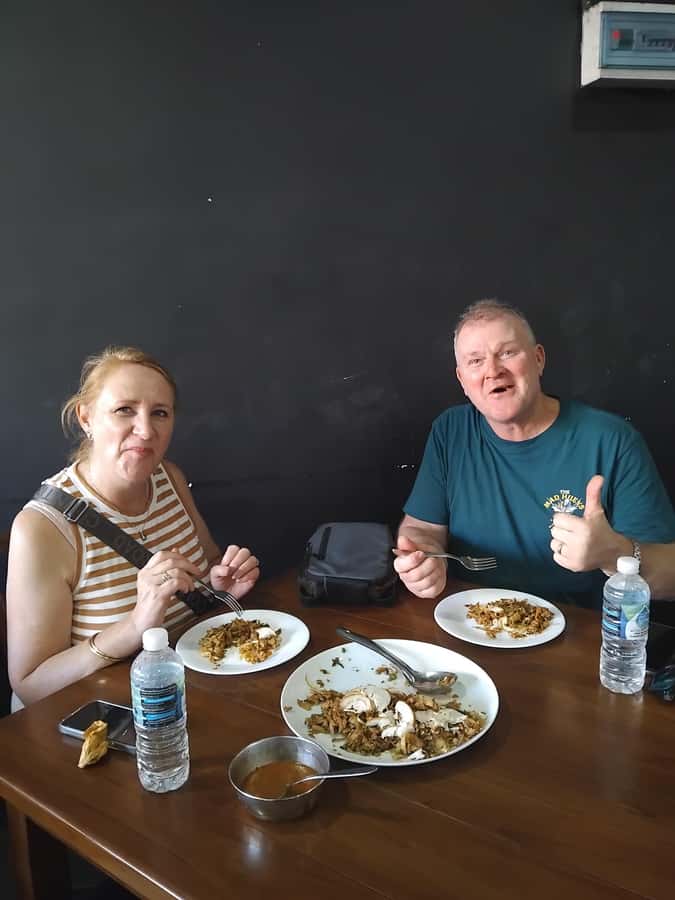
Next up is a Ceylon tea and spice tasting. This stop is where the tour quietly becomes more than food. Tea and spices are the language of Sri Lankan cooking, and tastings help you connect the dots between what you’re eating and why it tastes the way it does.
What you’ll likely notice:
- Ceylon tea has its own aroma profile that can be light or bold depending on the blend.
- Spices aren’t just heat; they bring fragrance and depth.
Why this stop is worth your time: it helps you keep learning after the tour. Even if you can’t name every spice, you’ll start recognizing flavors and understanding how dishes balance heat with sweetness and savory notes.
Tip for your day: if you’re taking a camera (recommended), this is a good time to capture labels, cups, and spice textures while your guide is explaining what’s being tasted.


Three Types of Hoppers: Crispy Meets Soft
Then the tour hits its signature zone: three types of hoppers. Hoppers are Sri Lanka’s iconic bowl-shaped pancakes made from fermented batter and cooked until the edges go crispy or stay soft, depending on the style.
Expect a texture range:
- crispy versions
- softer versions
- different varieties that change the bite
This section is a highlight for a reason. When you taste multiple styles back-to-back, you learn something you can’t get from eating one type in isolation: how cooking temperature and batter shape affect crunch, softness, and flavor.
If you love breakfast foods, hoppers can feel familiar in spirit but different in technique. If you’re new to Sri Lankan cuisine, this is a great starting point because it’s a core dish and easy to compare.
One small reality check: hoppers can be light at first, then pack flavor quickly. Don’t assume you can ignore lunch afterward. By the time you reach pittu and kottu roti, your appetite will catch up fast.
Pittu With Crab Curry and Sambols: Comfort Food With Character
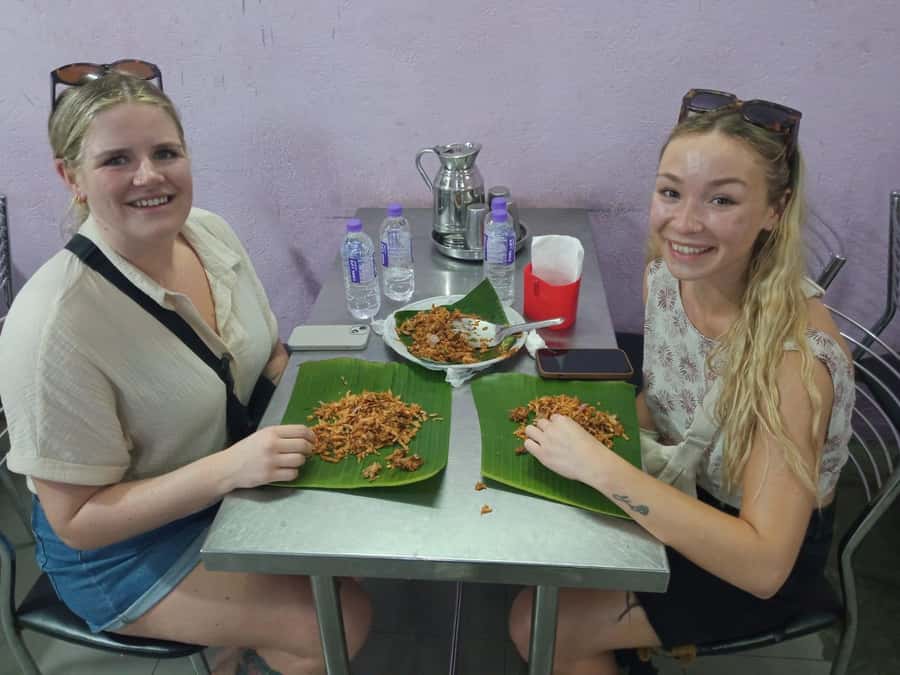
After hoppers, you’ll eat pittu served with crab curry and traditional sambols. Pittu is steamed and typically paired with rich, spicy accompaniments. The combination of crab curry and sambols gives you that classic Sri Lankan balance: seafood depth, spice, and bright flavor notes.
What makes this stop memorable:
- The curry brings warmth and body.
- The sambols add sharpness and heat so the whole plate doesn’t taste flat.
If you’re deciding how to manage spice, this is a good place to speak up. You can’t change the dish, but you can adjust how much you load onto bites. This is also a moment where I’d slow down, because it’s one of the most filling tastings on the route.
If you’re thinking about allergies, the tour data doesn’t list ingredient details beyond crab curry, so treat this as a “double-check with your guide” moment if you have any seafood concerns.
Chicken Kottu Roti Finale: The Sizzle Stop
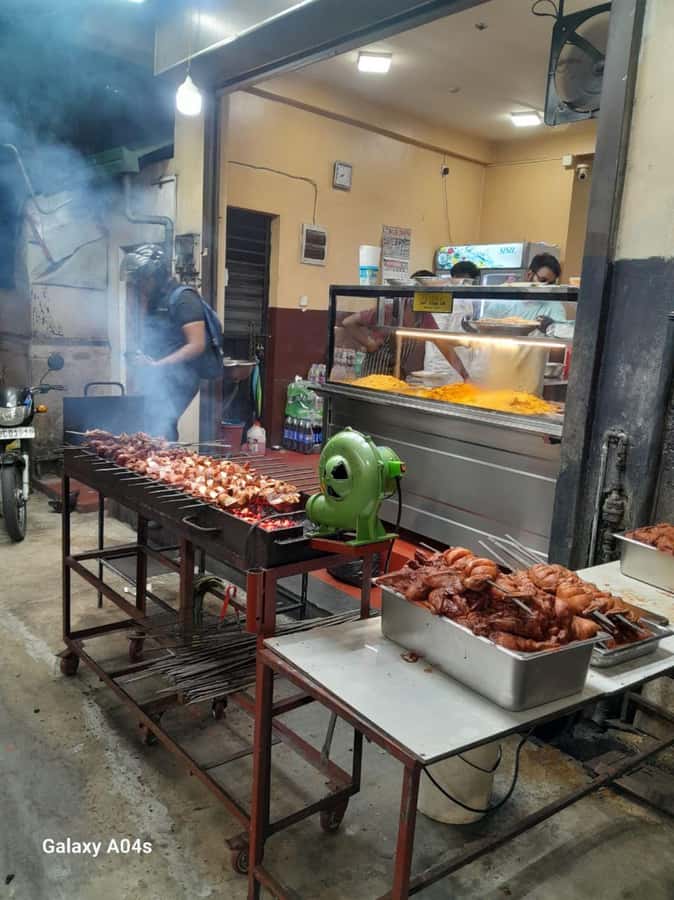
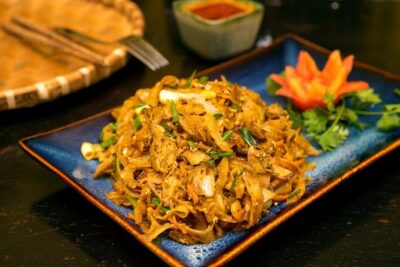
The tour ends with chicken kottu roti, described as the most popular street dish. Kottu roti is cooked on a hot griddle by chopping and stirring batter and fillings until everything turns aromatic and cohesive.
This final stop works as a payoff:
- you get that smoky, hot-griddle smell
- you get a hearty bite after the earlier lighter items
- you finish your food day with something recognizable and crowd-pleasing
A practical tip: if you’re sensitive to strong cooking smoke, stand just a bit back while your guide positions you. You still get the experience without getting blasted by heat.
Based on what people emphasize in their feedback, this griddle ending is often the moment that makes the tour stick in memory—especially when the traffic ride has been chaotic enough to work up your appetite.
Morning Menu Variations: If You Catch the Other Line-Up
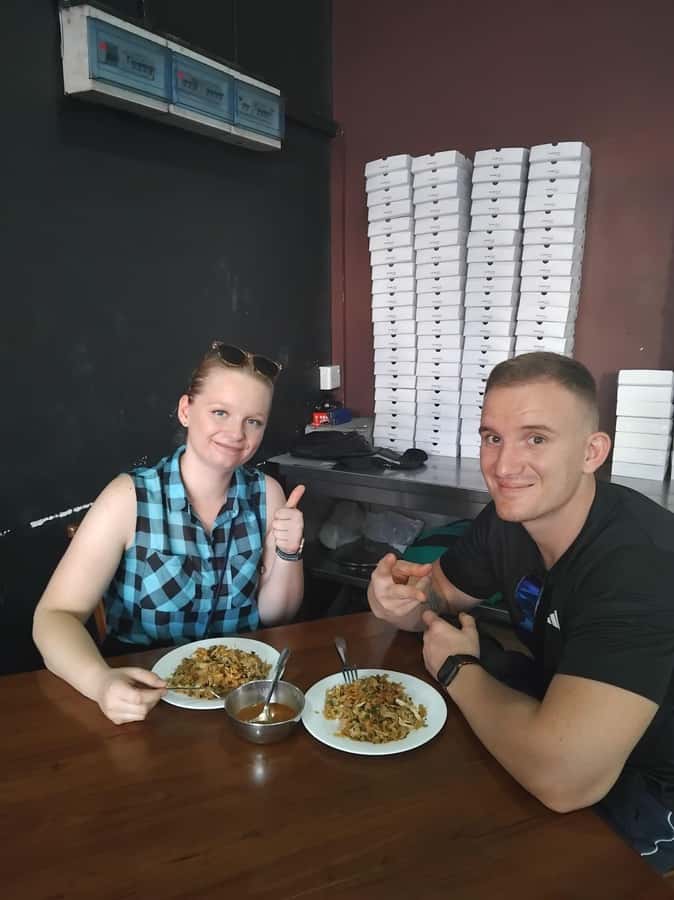
The tour notes that a morning food tour menu can include items such as:
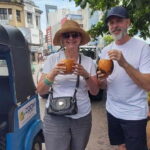
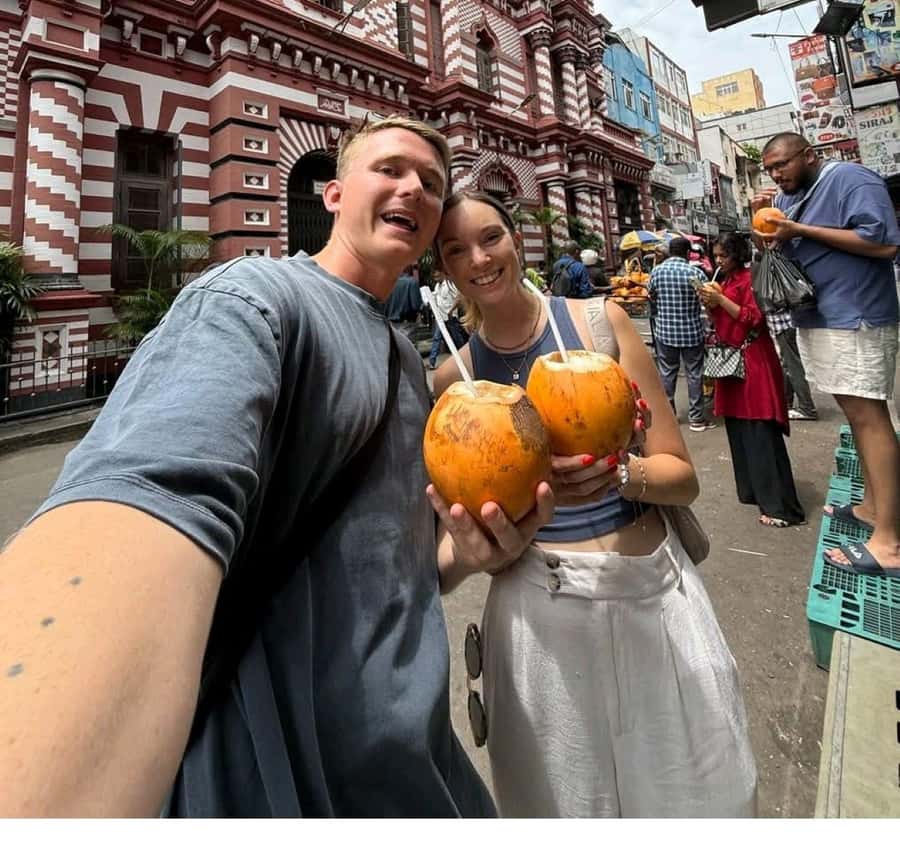
- king coconut
- string hoppers
- rotti with spicy sambal
- cassava & potatoes with coconut sambol
- milk rice
- cheese ball with samosa
If you’re choosing between departures, this matters. The core structure remains market and tastings, but the specific foods can shift depending on the schedule. That’s a good thing for repeat visitors and for food lovers who want to sample different corners of the menu.
Tuk-Tuk Ride Reality: Traffic, Weather, and Pacing
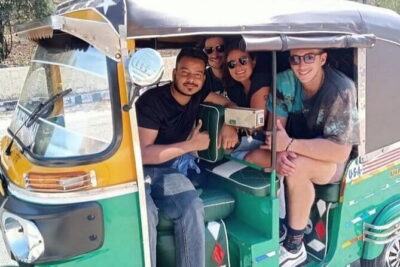
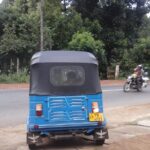
One of the joys of a tuk-tuk food tour is that the ride is part of the story. Colombo traffic can be intense, but it also keeps you moving through the city’s energy instead of spending your time waiting on transfers. A tuk-tuk helps you cover ground quickly and reach the next bite without making the day feel too rigid.
Also, the tour includes an umbrella for sun or rain, which is genuinely useful. Colombo weather can shift fast, and you don’t want to be hunting for shade or shelter mid-route.
Your best approach:
- Wear comfortable shoes since you’ll likely do short walks between stops.
- Carry your camera, as it’s recommended.
- Don’t over-plan what you’ll do immediately after the tour. You’ll probably be full.
Hygiene, Portions, and What to Expect From the Tasting Style
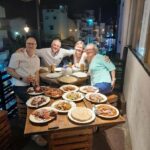
From what I’d expect based on how this tour is structured, the food is presented as tastings rather than full restaurant plates. That’s why the tour can offer variety: multiple dishes, different textures, and different flavors, all within one outing.
The portions are described as generous in past experiences, and people also specifically noted the food as hygienic and delicious. You should still use your own common-sense rules: try your first bite confidently, then adjust based on how your stomach feels. If something is especially spicy, take smaller bites at first.
One more practical note: since you’ll have multiple items in a row, ordering your strategy matters. Eat what’s included, take water breaks, and save your strongest preferences for later stops like crab curry and kottu roti.
Who This Colombo Food Tour Is Best For
This tour fits best if you want:
- a guided way to eat Sri Lankan street food without guessing
- multiple dishes in one day (hoppers, pittu, crab curry, kottu roti)
- a market experience that supports the food, not just photos
It’s also good for people who enjoy learning through tasting. The tea and spice stop isn’t just extra; it helps you understand why the food tastes the way it does.
If you’re traveling with limited time in Colombo and you don’t want to spend the whole day hopping between restaurants, this is a strong option.
It’s not suitable for people over 95 years, and if you have mobility limitations, you’ll want to think carefully about the walking and movement between stops.
Should You Book This Tuk-Tuk Street Food Tour?
Book it if you want an affordable, food-heavy way to experience Colombo. At $25 per person, you get a market start, Pettah street snacks, tea and spice tastings, and a finish at chicken kottu roti. The included bottled water, umbrella, and first aid kit make it feel set up for real-world weather and day-travel needs.
Skip or reconsider if:
- you dislike spicy sambols and curry flavors
- you hate fast-paced food stops with quick transitions
- you want only sit-down restaurant dining
If your goal is to eat your way through Colombo’s core flavors, this tour is the kind of day that gives you stories you can taste. And yes, the tuk-tuk ride helps.
FAQ
How much does the Colombo Foods Tour by Tuk Tuk cost?
It costs $25 per person.
What’s included in the tour price?
Included are bottled water, tasty local snacks, an umbrella for sun or rain, a first aid kit, and all fees and taxes covered.
Are any drinks included?
Bottled water is included. Additional beverages are not included, aside from refreshing soft drinks and fresh juices being mentioned as not part of the included items. Alcoholic drinks are not included and are not allowed.
What food will I try during the tour?
You’ll taste hoppers in three types, pittu with crab curry and sambols, chicken kottu roti, and quick Pettah snacks like cheese balls and samosas, plus Ceylon tea and spice tastings.
Is there a market stop?
Yes. You visit a vegetable & fruit market and pass by Pettah Market for a quick snack.
Is there any alcohol allowed during the tour?
No. Alcohol and drugs are not allowed.
Can I record audio during the tour?
No, audio recording is not allowed.
What should I bring?
Bring a camera.
What language is the tour offered in?
The tour is offered in English.
Is it suitable for very elderly travelers?
It is not suitable for people over 95 years.