REVIEW · KATHMANDU
Kathmandu: Food, Drink and Shopping Rickshaw Tour
Book on GetYourGuide →Operated by Maha Nepal Trips Pvt. Ltd. · Bookable on GetYourGuide
Follow your nose through Thamel’s snack lanes. This food tastings and bargaining help tour is a fun way to learn Kathmandu’s market rhythm fast, with a guided route that mixes street food, quick drink breaks, and hands-on souvenir shopping in central areas. I like that it’s built for people who want to eat first, shop second, and get better at spotting real Nepali goods along the way.
One possible drawback: the shopping experience may feel slightly more flexible than the name suggests, with some stops working like add-ons once the main food loop wraps up—so come with a clear idea of what you want to buy (and your budget), not just hope.
In This Review
- Key takeaways before you go
- A 3-Hour Food and Souvenir Sprint Through Thamel
- The Rickshaw Ride: Quick, Fun, and Actually Useful
- Food Stops You’ll Actually Remember (and what to watch for)
- Drink Breaks: Tea, Coffee, and Sugarcane Freshness
- Shopping Smarter: Pashmina, Masks, Thangkas, and Bargaining Tips
- How the Stops Fit Together (So You Don’t Feel Like You’re in a Rush)
- Pricing and Value: What $28 Gets You (and Why It Can Be Worth It)
- Where You’ll Meet and How the Tour Moves
- Who Should Book This Tour (and who might skip it)
- Quick Packing Checklist (Read This, Save Yourself Stress)
- Should You Book the Kathmandu Food, Drink and Shopping Rickshaw Tour?
- FAQ
- How long is the Kathmandu Food, Drink and Shopping Rickshaw Tour?
- How much does it cost?
- Where does pickup happen?
- Where do you get dropped off?
- What’s included in the tour price?
- What is not included?
- Do I need to bring cash?
- Do I need comfortable shoes?
- What languages are available for the live guide?
- Can I cancel for a full refund?
Key takeaways before you go
- A 3-hour plan built around eating: you sample multiple local dishes and desserts rather than just one meal stop.
- Guided shopping that teaches you what’s worth it: learn how to tell authentic items from tourist-trap stuff.
- Rickshaw time is part of the fun: it’s not just walking; you also get a ride through the streets.
- Bargaining assistance: the guide helps you negotiate in a friendly, practical way.
- Cash makes life easier: not all vendors take cards, so bring some ready money.
A 3-Hour Food and Souvenir Sprint Through Thamel
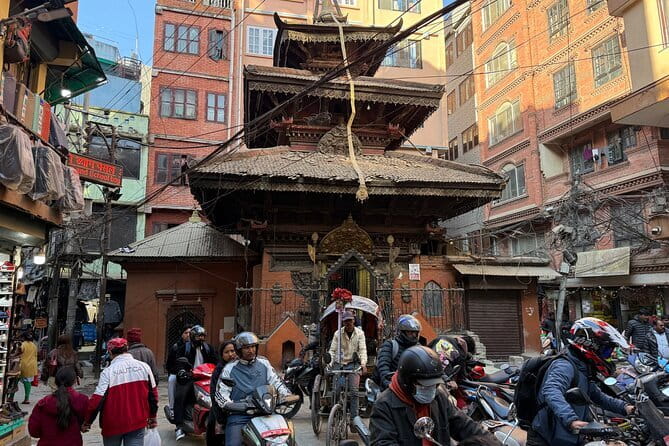
Kathmandu is a city where you can get lost fast—in a good way. But if you’re only here for a short window, you need a route that makes sense. This 3-hour rickshaw tour does that by focusing on one concentrated area and keeping the pace moving: eat, sip, shop, repeat.
What I like most is the structure. You’re not wandering randomly through stalls and trying to decode menus, spice levels, and prices on your own. The guide’s job is to translate the market for you: which stalls are selling what you think they’re selling, which items are worth your attention, and how to talk money without turning it into a stressful negotiation.
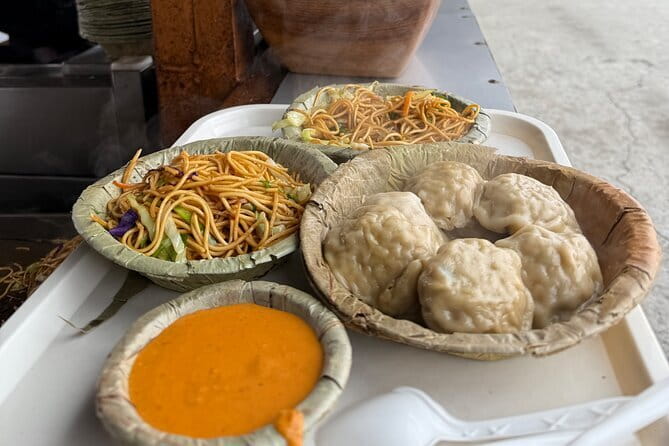
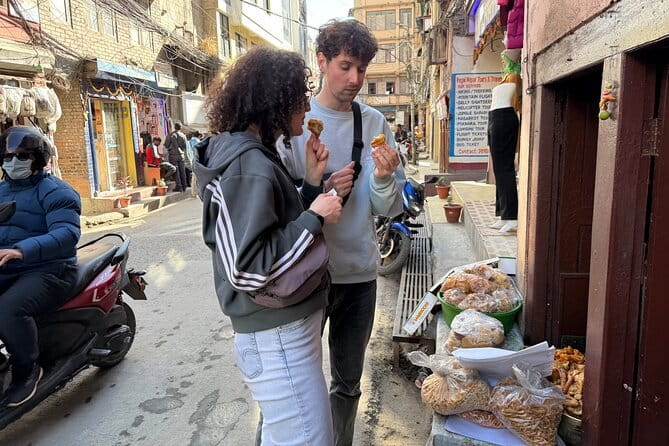
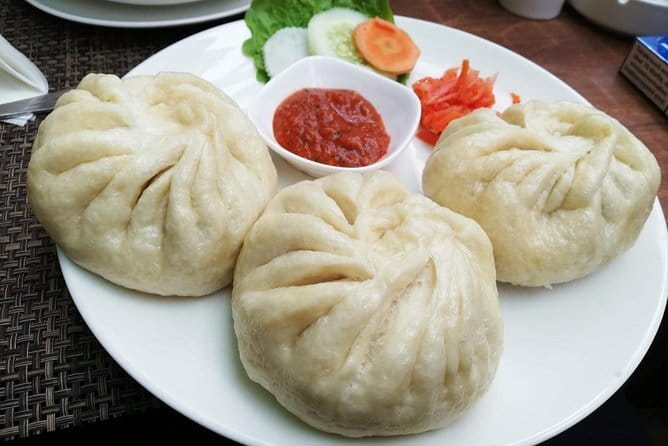
The food side also has real range. You’re not stuck with one type of snack. Expect classics like momo and samosas, plus things that are less common outside Nepal, like panipuri (often spelled panipuri/pani puri depending on the vendor) and sel roti. If you’re the type who wants to try several bites in one afternoon, this format is exactly right.
The Rickshaw Ride: Quick, Fun, and Actually Useful
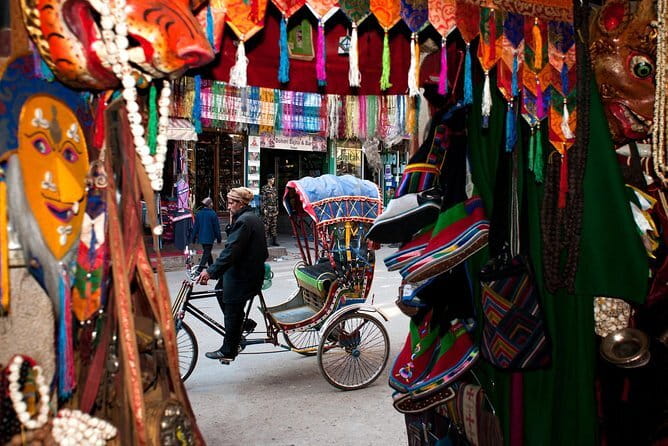
This isn’t a long carriage ride where you watch from a distance. It’s a guided rickshaw experience designed to keep you moving through traffic and narrow streets without wearing yourself out.
In one recent tour run, the ride portion was around 30 minutes, which is enough time to feel like you changed scenery without losing the snack momentum. The practical win here is visibility. From the rickshaw, you get a feel for street layout and how market streets connect. That makes it easier if you want to self-explore later.
It also adds a little energy. Kathmandu markets can feel intense if you’re tired, hungry, and trying to read signs. The ride gives you a reset, plus a built-in photo moment so you’re not doing everything with your phone in one frantic hand.
Food Stops You’ll Actually Remember (and what to watch for)
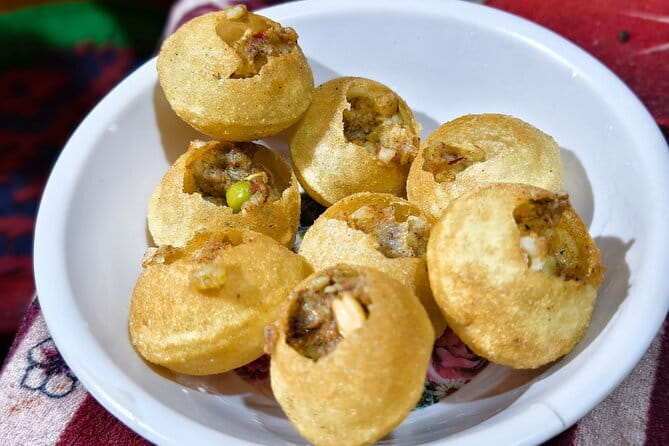
The best thing about this tour is that it’s built around eating multiple items, not “one big meal plus drinks.” The sampling list can include a mix of hot and cold snacks, savory bites, and sweets, and it rotates through common favorites in the Thamel area.
Here are the kinds of dishes you may run into during the food route:
- Momo (steamed dumplings), including chicken options in some runs
- Samosa, sometimes vegetarian
- Bara (a savory snack)
- Thukpa (noodle soup), which is often a favorite because it’s warming and filling
- Chatamari, a Nepali-style dish you might not see elsewhere
- Panipuri, known for popping textures and flavored filling
- Sel roti, a sweet, fried ring bread made for Nepal’s food culture
- Thekuwa/Khajuri (Thekuwa), a crunchy sweet snack
- Sugarcane juice with lemon, a refreshing street drink
- Masala milk tea and other local coffee/tea stops, depending on the day
A quick caution: Nepal’s street food can be spicy. On at least one tour run, the food mix included items that were hotter than an English palate expected. If you’re spice-sensitive, tell your guide early. You don’t need to suffer to enjoy the experience—you can ask for milder versions and focus on the comforting dishes like noodle soup.
Drink Breaks: Tea, Coffee, and Sugarcane Freshness
This tour doesn’t treat drinks as an afterthought. It’s part of the pacing. When you’re eating multiple snacks back-to-back, you need small refresh moments, not just water.
Expect traditional options like masala tea and local coffee on the route. And there’s often a standout stop for sugarcane juice, where you can get something cool and bright from lemon. It’s one of those drinks that cuts through spice and makes the next bite more enjoyable.
If you’re the type who always wonders what to order in a new country, this is also helpful. You’ll see what locals pick and when they choose tea versus something sweet. That alone makes the tour useful even if you don’t buy anything afterward.
Shopping Smarter: Pashmina, Masks, Thangkas, and Bargaining Tips
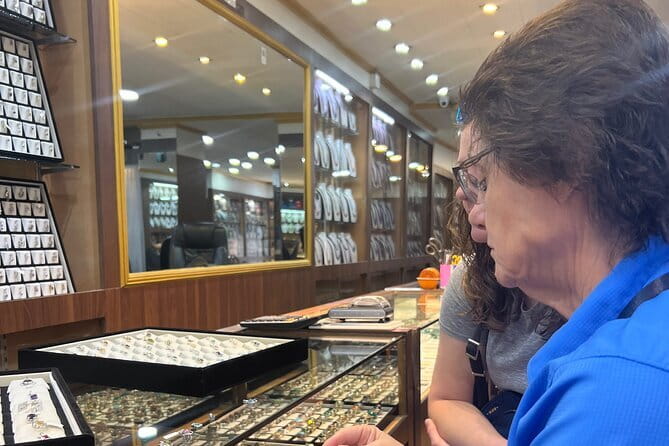
The shopping part is the other half of the value. Kathmandu has plenty of souvenir options, but you can waste money fast if you don’t know how items are sourced, priced, and labeled.
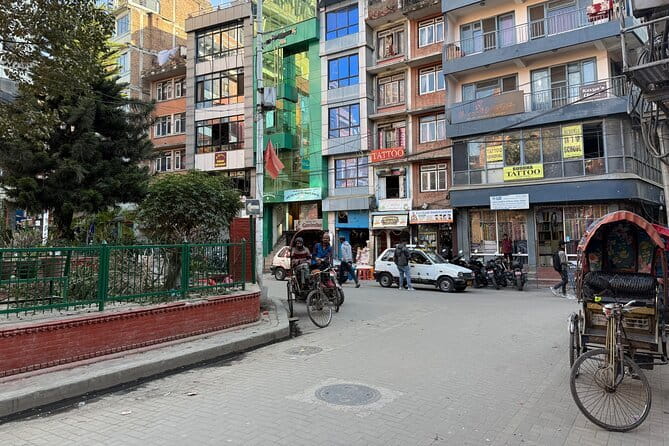
On this tour, your guide helps you shop with a purpose. You’ll likely spend time around the Thamel district and see stops connected to:
- Pashmina shawls
- Wooden masks
- Thangka paintings
- Other arts-and-crafts items sold by market stalls and craft centers
You’ll also get practical bargaining support. That means the guide can help you negotiate in a way that feels normal—not confrontational. And you’ll learn the basic skill of asking questions like a local: what it’s made from, why prices differ, and what kind of quality signals you should look for.
One important note for your shopping brain: come with a mental shortlist. If your plan is to wander first and figure it out later, you may feel rushed when the main food loop ends and some of the shopping route shifts. If you already know you want one shawl and one mask in a specific style, you’ll get more out of the time you have.
How the Stops Fit Together (So You Don’t Feel Like You’re in a Rush)
A good tour avoids two extremes: it’s not just one restaurant with a long wait, and it’s not constant sprinting with no breaks. This one leans toward short, efficient stops so you’re tasting constantly, but you still get downtime.
You’ll be on your feet through market streets, with photo moments and walking sections between food and shopping. That walking matters. It’s how you actually see what’s sold and how the area feels. But it also explains the biggest comfort requirement: comfortable shoes.
If you’re recovering from jet lag, this tour’s pace can help. On one recent booking, someone called it a practical way to hit the ground running—exactly what you want on day one when sleep schedules are broken.
Pricing and Value: What $28 Gets You (and Why It Can Be Worth It)
At $28 per person for a three-hour tour, the value mostly comes from bundling. You’re not paying just for a “guide walking beside you.” You’re paying for:
- A guided rickshaw ride
- Guided market navigation and shopping assistance
- Stops that include local food and drinks
- Negotiation help for purchases
- Time built around Thamel and craft-focused stops
If you were to eat the same variety on your own—plus pay for transport and struggle through ordering—costs add up quickly. Also, this tour helps you avoid the common beginner mistakes: buying the wrong thing, overpaying because you don’t understand price ranges, or missing the best snack options that are easy to overlook.
The price is also a good fit if you want structure without locking into a full-day excursion. Three hours is long enough to feel like you did something meaningful, but short enough to still have energy for dinner afterward.
Where You’ll Meet and How the Tour Moves
Pickup includes options around central Kathmandu, including Kaiser Library. The tour also lists two drop-off options, including back to Kathmandu and Kaiser Library, so you’re not forced to find your way across town after you finish.
Expect some communication ahead of time. The tour notes that pickup is included and you should be ready for phone calls, messages, or email updates.
For the shop-and-food mix, cash is your friend. The tour specifically recommends bringing cash, since not all vendors accept credit cards. Even if some do, having cash prevents “pause and scramble” moments when you find something you actually want.
Who Should Book This Tour (and who might skip it)
This is a strong choice for:
- First-timers in Kathmandu who want a fast introduction to markets
- People who like street food and want variety without planning every stop
- Shoppers who want help negotiating and avoiding low-quality tourist goods
- Anyone who wants a fun activity that mixes culture, food, and shopping in one block
You might skip it if:
- You only want a pure shopping tour and aren’t interested in multiple tastings
- You dislike walking through busy market streets
- You want complete control over your schedule with zero guidance (this tour is designed to manage time and route)
Quick Packing Checklist (Read This, Save Yourself Stress)
Bring:
- Comfortable shoes (you’ll walk through market streets)
- Cash (for purchases)
If you’re sensitive to spice, consider telling your guide early. And if shopping is a priority, bring a rough idea of what you want before you arrive. That way, you’re not deciding under pressure.
Should You Book the Kathmandu Food, Drink and Shopping Rickshaw Tour?
I think you should book it if you want the smart, low-effort path into Kathmandu’s street-food world and you’re also shopping for Nepali crafts like pashmina shawls, wooden masks, or thangkas. It’s a good use of a half-day because it packages tasting, drink stops, rickshaw fun, and bargaining practice into one route.
Skip it if you already have a food plan and you’re only chasing shopping. The tour is built around eating and guided guidance, so the shopping part is best viewed as part of that whole experience, not the main event.
Bottom line: at $28 for three hours, with food, drinks, a guide, and a rickshaw ride included, it’s a practical way to get your bearings and leave with both memories and souvenirs that feel like they belong in your trip.
FAQ
How long is the Kathmandu Food, Drink and Shopping Rickshaw Tour?
The tour lasts 3 hours.
How much does it cost?
The price is $28 per person.
Where does pickup happen?
Pickup is offered at two options, including Kaiser Library, Kathmandu.
Where do you get dropped off?
Drop-off is listed at two locations: Kathmandu and Kaiser Library.
What’s included in the tour price?
Included items are the guided rickshaw ride, a guide shopping tour, visits to the Thamel district and local handicraft centers, fair-trade stores, help negotiating prices, and local food and drinks.
What is not included?
Transportation to and from the meeting point and personal expenses are not included.
Do I need to bring cash?
Yes. The tour recommends bringing cash, since not all vendors may accept credit cards.
Do I need comfortable shoes?
Yes. The tour includes walking through busy market areas, so comfortable shoes are recommended.
What languages are available for the live guide?
The guide is available in English, Nepali, Hindi, Chinese, Russian, Japanese, Korean, Spanish, German, and French.
Can I cancel for a full refund?
Free cancellation is available up to 24 hours in advance for a full refund.