REVIEW · KATHMANDU
Thamel Rickshaw tour
Book on GetYourGuide →Operated by Holyland Adventure Tours and Travels Pvt Ltd · Bookable on GetYourGuide
A rickshaw is the fast lane to old Kathmandu. I like how this tour pairs Ason Market breakfast culture with UNESCO sights at Kathmandu Durbar Square, including a shot at seeing the Living Goddess depending on timing. The big trade-off: entry fees and most food aren’t included, so plan on extra spending if you add stops like the $5 Food Challenge.
The payoff is the way the streets feel at human speed, with a private group and a driver who handles the pacing. At $14 per person for about 3–4 hours, the value is strongest when you’re happy to explore on your feet for short stretches and let street food be pay-as-you-go. If you’re counting on everything being fully covered, you’ll want to budget a little extra.
In This Review
- Key takeaways
- Why This Thamel Rickshaw Loop Feels Like Kathmandu
- Starting in Thamel: Pickup, Timing, and How the 3–4 Hours Lands
- Ason Market: Breakfast Culture, Temples, and the City’s Daily Rhythm
- Kathmandu Durbar Square: UNESCO Sights and the Kumari Ghar Timing Test
- Freak Street and the Optional $5 Food Challenge
- Shree Gha Stupa: A Calm Break with Tibetan Flavors
- The Rickshaw Ride Through Thamel (and the Ride Home)
- Price and Value: What $14 Really Buys You
- Driver-First Tourism: Why This Tour Isn’t Just Sightseeing
- Comfort, Rules, and Who Should Skip This Tour
- Should You Book This Thamel Rickshaw Tour?
- FAQ
- Where is the pickup for the Thamel Rickshaw tour?
- How long is the tour?
- What time does the tour start?
- Is the cycle rickshaw included?
- What is included in the $14 price?
- Are entry fees or food included?
- Is the $5 Street Food Challenge included?
- What items are not allowed during the tour?
Key takeaways
- Cycle rickshaw streetside views with a driver who explains key stops
- Ason Market morning food + temples in one easy loop
- Kathmandu Durbar Square landmarks, including Kumari Ghar timing windows
- Optional $5 Food Challenge with named snacks and places like Freak Street and Indrachowk
- Shree Gha Stupa for Tibetan flavor stops near Thamel
- Driver-first tourism that helps rickshaw livelihoods through direct bookings
Why This Thamel Rickshaw Loop Feels Like Kathmandu
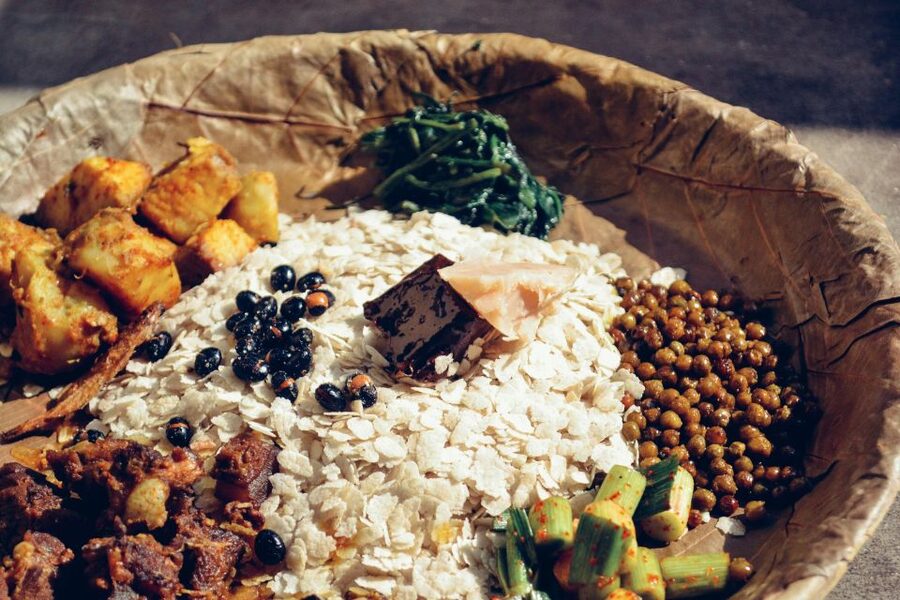
This isn’t a checklist sprint. It’s a short, street-level ride that mixes markets, temples, and a major UNESCO square, all while you’re moving the way locals move through the city.
Two things make it work well. First, you start in the energy of Thamel and nearby older-town areas, so you get context fast. Second, the route is built around “see it, then taste it,” with plenty of places to try snacks (on your own dime) rather than waiting for a formal meal.
The rickshaw part matters too. In Kathmandu, you learn the city by how it flows—tight turns, quick crossings, and street-side life—so sitting low and traveling slowly gives you better city awareness than a vehicle-only tour.
Starting in Thamel: Pickup, Timing, and How the 3–4 Hours Lands
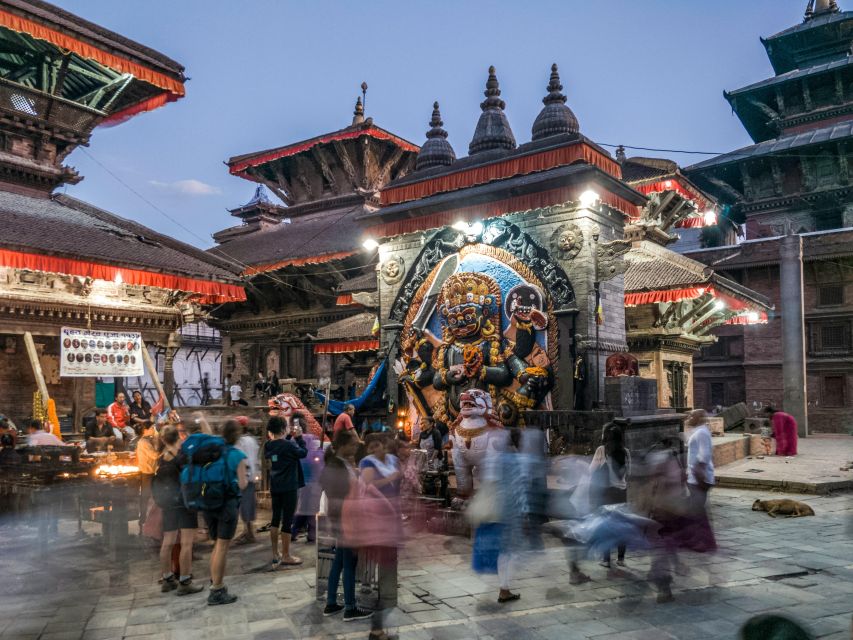
You’ll meet your guide or representative at your Thamel hotel or a nearby pickup point. The tour start time is flexible, typically within 09:30 am–12:30 pm, and the overall duration is 3–4 hours.
That morning window is not random. It can line up with one of the most time-sensitive moments on the route: the Living Goddess (Kumari) viewing from the Kumari Ghar balcony, which is listed for 9–11 AM and 4–6 PM. Since this tour is morning-focused, the 9–11 slot is the one you’ll most likely be aiming for.
Also, this is a private group. That usually means you can move at a pace that fits your attention span—slow enough for photos at the key points, quick enough that you’re not stuck in one spot too long.
Ason Market: Breakfast Culture, Temples, and the City’s Daily Rhythm
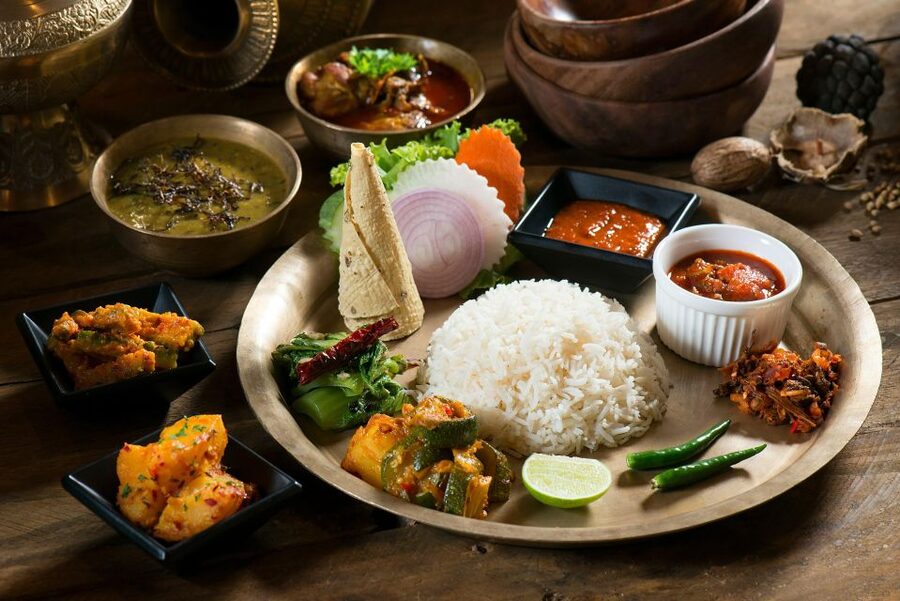
Your first big stop is Ason Market, one of Kathmandu’s oldest and liveliest market areas. Expect narrow alleys filled with everyday goods—produce, spices, and handmade items—so you’re not just seeing souvenirs. You’re watching commerce that looks like it’s been happening for generations.
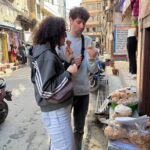
From here, the tour is set up for a simple breakfast-and-sight mix. You’ll have a chance to try traditional Nepalese items like sel roti (rice doughnuts), samosas, and a cup of masala chai, plus quick temple exploration around the area like Annapurna and Ganesh.
What I like about this section is the pacing. You get to eat and look without needing museum tickets or long walks. If you enjoy wandering markets, Ason is a strong start because you’ll understand what you’re seeing before you jump into the formality of the Durbar Square.
Kathmandu Durbar Square: UNESCO Sights and the Kumari Ghar Timing Test
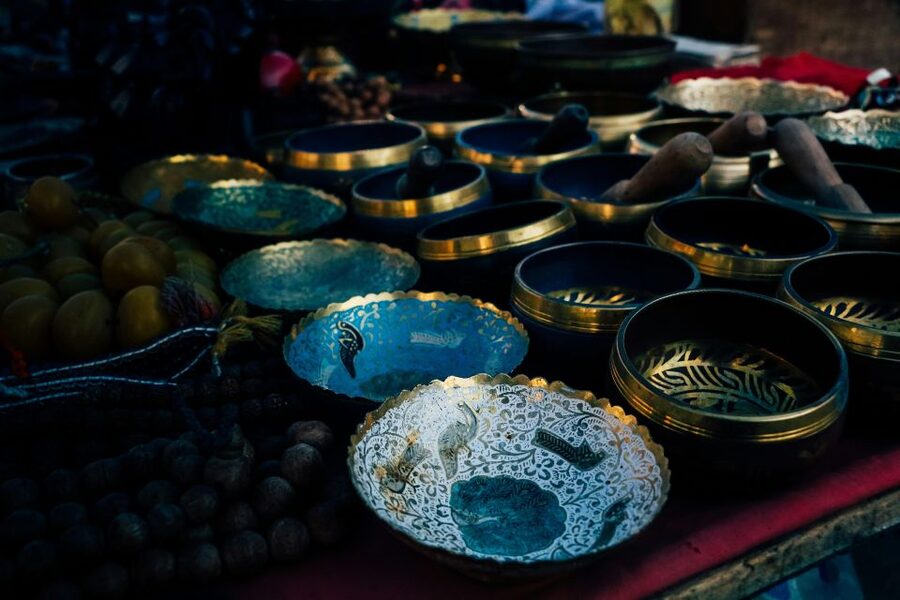
Next comes Kathmandu Durbar Square, a UNESCO World Heritage Site and a key royal and religious hub. This is where the tour shifts from market energy to architecture and ritual spaces.
Here are the main landmarks you’ll focus on:
- Hanuman Dhoka Palace, including the palace museum area
- Kumari Ghar, where you can spot the Living Goddess from her balcony if timing matches
- Kasthamandap, an ancient wooden structure tied to the square
- Taleju Temple, associated with the Malla kings’ worship
- Gaddi Baithak, a neoclassical building that reflects a later layer of history
- Freak Street, tied to Kathmandu’s hippie-era past and now a lively local/tourist area
The big consideration is timing for Kumari. The viewing windows are 9–11 AM and 4–6 PM, and this tour’s start typically sits in the morning range, which makes the 9–11 AM window realistic. Still, don’t assume you’ll see everything perfectly—public viewing can be strict and timing-dependent.
If you like history but also like being practical, this is a good balance. You’re not stuck reading plaques. You’re walking the spaces where people worship and gather, then moving on before you get bored.
Freak Street and the Optional $5 Food Challenge
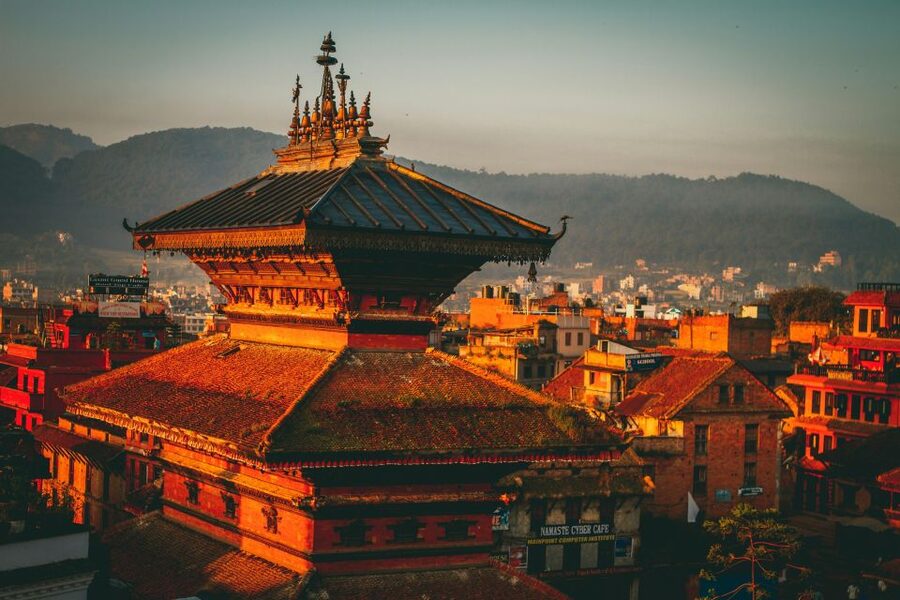
If you want the most fun “side quest” moment, add the $5 Street Food Challenge (extra cost). This is where the tour leans into the street-food side of Kathmandu: quick bites, multiple stops, and a little strategy—because you’re trying to spend a set budget.
The challenge focuses on areas like Freak Street and Indrachowk, with specific snack ideas such as:
- momos (dumplings) and pani puri
- Snowman Cafe for cake
- Suju Corn Dog
- Janakpur Dahi Lassi Bhandar for lassi
- Bhatti Restro for Newari cuisine
- Mama Chiya for tea
I like this format because it turns “food wandering” into something structured. You still get choices, but you’re not stuck trying to figure out what’s worth your time when you’re hungry and jet-lagged.
The drawback is simple: food costs are not included in the base price, and the challenge is a personal expense. If you’re on a tight budget, you can still do the tour and skip the challenge entirely.
Shree Gha Stupa: A Calm Break with Tibetan Flavors
After the Durbar Square area, you head toward Shree Gha Stupa, a smaller, peaceful spot near Thamel and Kathmandu Durbar Square. This stop adds a quiet contrast to the market and major-square energy.
At Shree Gha, you can do the classic ritual actions:
- light butter lamps
- spin prayer wheels
- enjoy Tibetan street food options like laphing (cold noodles) and keema noodles
- try kulfi (traditional Nepali ice cream)
What makes this stop valuable is the variety. You’re not only eating Nepali classics anymore—you’re also sampling Tibetan-influenced street food. That makes Kathmandu feel less like one uniform culture and more like a place shaped by many neighbors.
Also, it’s a good moment to slow down. Even if you’re taking lots of photos, this is a spot where you can breathe, reset, and then finish with the Thamel ride.
The Rickshaw Ride Through Thamel (and the Ride Home)
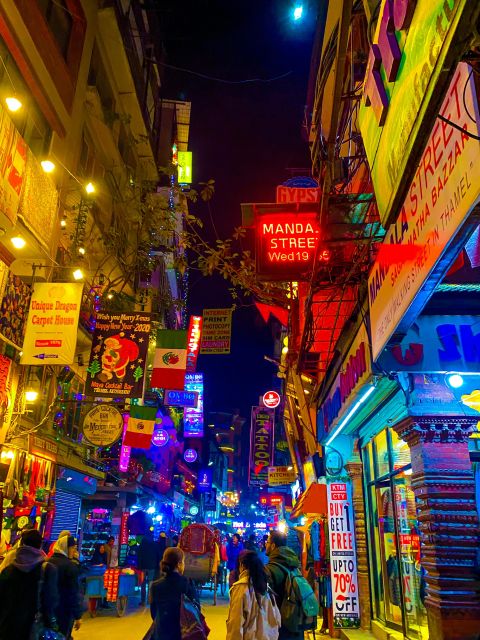
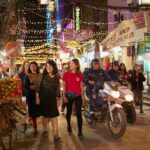
Once you’ve hit the key sights and food stops, you get a leisurely cycle rickshaw ride through Thamel. This is Kathmandu’s main tourist area, so you’ll see colorful shopfronts, cafes, and street life as your rickshaw moves along.
Then it’s back to your hotel or a pre-arranged drop-off point near where you started. The ride home matters because it turns the day into a full loop: you begin with a local market vibe, hit major cultural landmarks, and then end back in the neighborhood you can navigate afterward.
If you’re someone who likes to keep your bearings after a big first day, this last stretch helps. You’re not just dropped off—you’re returned with context.
Price and Value: What $14 Really Buys You
At $14 per person for around 3–4 hours, the value is in the transportation and planning support. The tour includes rickshaw pick-up and drop, allowances, and all taxes and service charge.
What’s not included is where your budget needs attention:
- entry fees
- tour guide (the data lists guide as not included)
- foods
- the $5 Food Challenge (extra personal expense)
This pricing is fair if you treat food and any ticketed entry as optional add-ons. It’s also smart for people who want the core experience—market + UNESCO square + rickshaw movement—without paying for heavy extras.
If you do plan to eat, build a rough extra budget so you don’t feel surprised mid-day. And if you dislike uncertainty, you might skip the Food Challenge and just pick a couple of items you truly want.
Driver-First Tourism: Why This Tour Isn’t Just Sightseeing
There’s a bigger purpose tied to this tour’s model. The operator explains that rickshaw drivers were previously major contributors to tourism, but digital platforms changed how clients find drivers, leaving many struggling to earn a stable living.
This tour’s approach is to support direct bookings for local rickshaw drivers, with better pay than they usually get. There’s also an effort to improve communication skills so interaction with tourists goes smoother.
In practical terms, it means your money has a clear local destination: livelihoods, not just a transportation transaction. It’s also why a private, driver-led format can feel different. The driver isn’t just moving you; they’re working their way back into sustainable income.
Comfort, Rules, and Who Should Skip This Tour
This one rides on a cycle rickshaw, so comfort and physical limits matter. The tour notes it is not suitable for:
- children under 5
- people with back problems
- mobility impairments
- wheelchair users
- heart problems
- high blood pressure
- people over 243 lbs (110 kg)
- people over 95 years
- hearing-impaired people
- people with lactose intolerance
If any of those apply, it’s best to choose a different Kathmandu option.
There are also clear behavior and safety rules:
- no luggage or large bags
- no alcohol or drugs
- no littering
- no jumping
- no alcoholic drinks in the vehicle
- no making fire
These rules aren’t there to be fussy. They keep the ride safe and keep public spaces respectful while you’re moving through active areas.
Should You Book This Thamel Rickshaw Tour?
Book it if you want a short Kathmandu introduction that mixes markets, UNESCO architecture, and food stops without spending half a day in transit. It’s especially good for first-timers who like structure but still want the street feel.
Skip it if you need step-free access, have health limits that conflict with cycle-rickshaw riding, or you don’t want to think about extra costs for entry fees and food. Also, if you dislike eating as an optional add-on, you might feel the pace is built around snack opportunities.
If you do book, go in with a simple plan: decide whether you want the optional $5 Food Challenge, and treat it as the day’s biggest budget lever. Then just enjoy the ride—Kathmandu looks different when you’re not traveling at dashboard speed.
FAQ
Where is the pickup for the Thamel Rickshaw tour?
Pickup is from Thamel, either directly at your Thamel hotel or a nearby pickup point. You’ll meet a representative at the meeting location listed in your booking confirmation.
How long is the tour?
The tour runs for about 3–4 hours.
What time does the tour start?
The tour timing is flexible, typically starting between 09:30 am and 12:30 pm.
Is the cycle rickshaw included?
Yes. The experience includes a traditional cycle rickshaw ride, along with rickshaw pick-up and drop.
What is included in the $14 price?
The price includes rickshaw pick-up and drop, allowances, and all taxes and service charges.
Are entry fees or food included?
No. Entry fees and foods are not included. The tour’s food stops are places to buy/taste items, and you’ll pay for them separately.
Is the $5 Street Food Challenge included?
No, it’s listed as an extra and it’s your personal expense.
What items are not allowed during the tour?
You cannot bring luggage or large bags, and alcohol and drugs are not allowed. There are also rules against littering, jumping, alcohol in the vehicle, and making fire.