REVIEW · KATHMANDU
Kathmandu at Sunset: Explore the City on Rickshaw
Book on GetYourGuide →Operated by Intrepid Urban Adventures - Asia · Bookable on GetYourGuide
Sunset in Kathmandu has a rhythm. I love how this rickshaw tour turns the city from something you pass through into something you use—Thamel backstreets, spice smells at Asan, then temple squares around Durbar Square. The two things I’d book it for are the local rickshaw pace (not a rushed bus stop circuit) and the chance to sit and watch Kathmandu Durbar Square come alive as evening sets in.
One thing to plan around: the time on the ground can run shorter than you expect. The tour is listed as 2.5–3 hours, but it can tighten depending on how the group moves and how things are flowing around the sites.
In This Review
- Key things to know before you go
- Why a Sunset Rickshaw Through Thamel and Durbar Square Works
- Meeting at Hotel Marshyangdi and Getting Around by Pedicab
- Thamel at Golden Hour: A Short Stop for Bearings
- Asan Market for Spices, Produce, and the Annapurna Temple View
- Kathmandu Durbar Square: Watching Daily Life in a UNESCO World Heritage Site
- Sigal Shrine Break: A Quiet Buddhist Pause in a Side Alley
- Price and Group Size: Is $49 Worth It?
- What to Expect From the Full 2.5–3 Hour Flow
- How to Plan Your Evening Like a Local
- Should You Book This Sunset Kathmandu Rickshaw Tour?
- FAQ
- How long is the Kathmandu at Sunset rickshaw tour?
- Where does the tour start and end?
- What stops are included during the tour?
- What’s included in the price?
- Are food and drinks included?
- What should I expect to pay aside from the tour price?
- Is the tour suitable for children?
- Is the tour carbon neutral?
Key things to know before you go
- Rickshaw time is the point: the pedicab ride is part of the experience, not just transport.
- Small-group walking attention (up to 12) helps you get answers as you go.
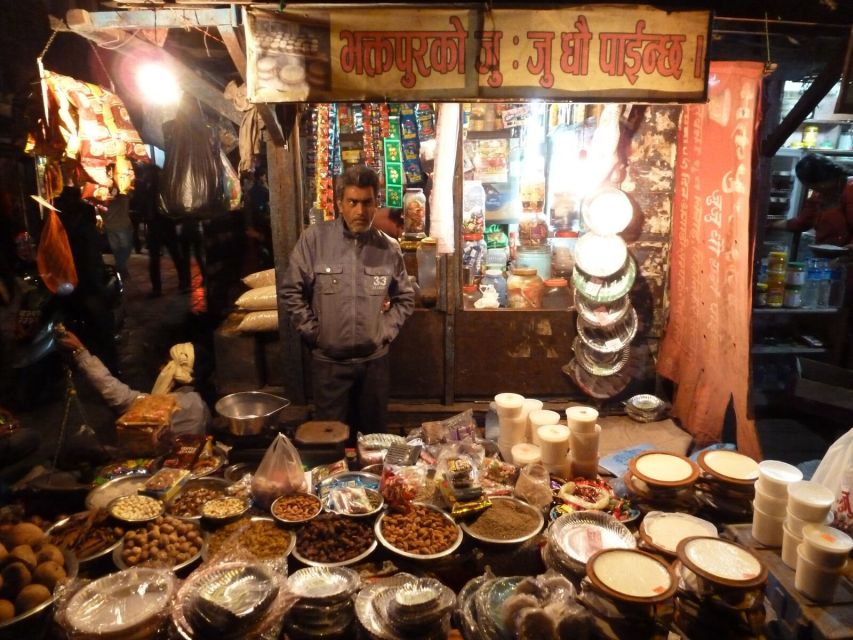
- Asan Market is about senses: vegetables and spices you can actually see and smell up close.
- Durbar Square is for people-watching: chai, prayer, and daily routines in a UNESCO World Heritage setting.
- Sigal shrine adds a quiet pause in a side alley after the busier streets.
Why a Sunset Rickshaw Through Thamel and Durbar Square Works
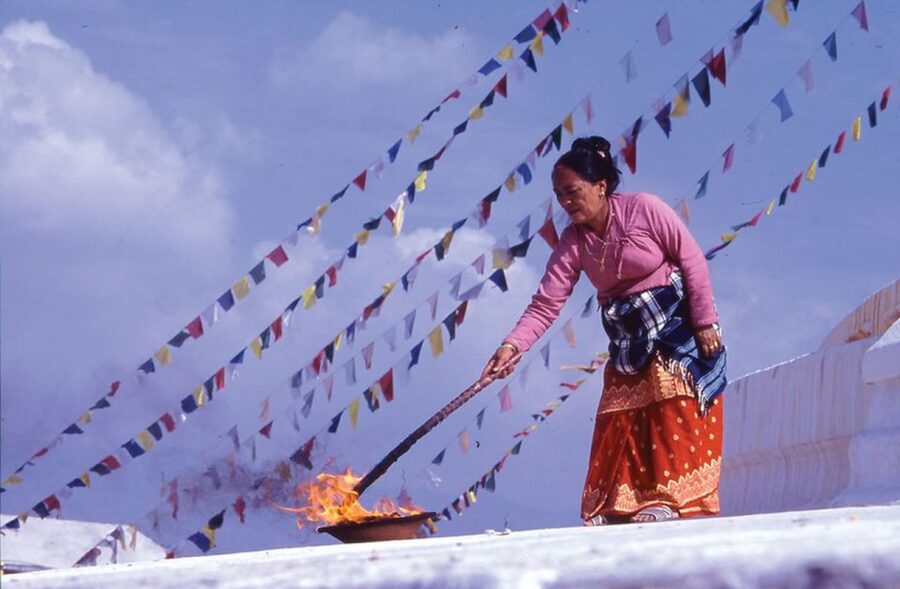
Kathmandu at sunset is a shift, not a stop. The light changes on carved stone, shopfronts start to glow, and the streets feel more like a lived-in neighborhood than a sightseeing checklist. This tour leans into that. Instead of sprinting temple to temple, you ride through lanes, hop out for short visits, then linger at the places where people actually gather.
The rickshaw itself matters. Kathmandu’s streets have plenty of motorbikes and cars now, but rickshaws still create a slower, more human pace. And because the tour hires rickshaws directly from drivers, you’re supporting local work rather than only watching the city from a distance. That’s one of the quiet value-adds that makes the whole evening feel purposeful.
You’ll also like the mix of viewpoints. You get market energy in Asan, then a wide, open-feeling moment at Durbar Square, then a smaller spiritual pause at Sigal. It’s a good flow for first-timers who want “the classic” without feeling trapped in one bubble.
Meeting at Hotel Marshyangdi and Getting Around by Pedicab
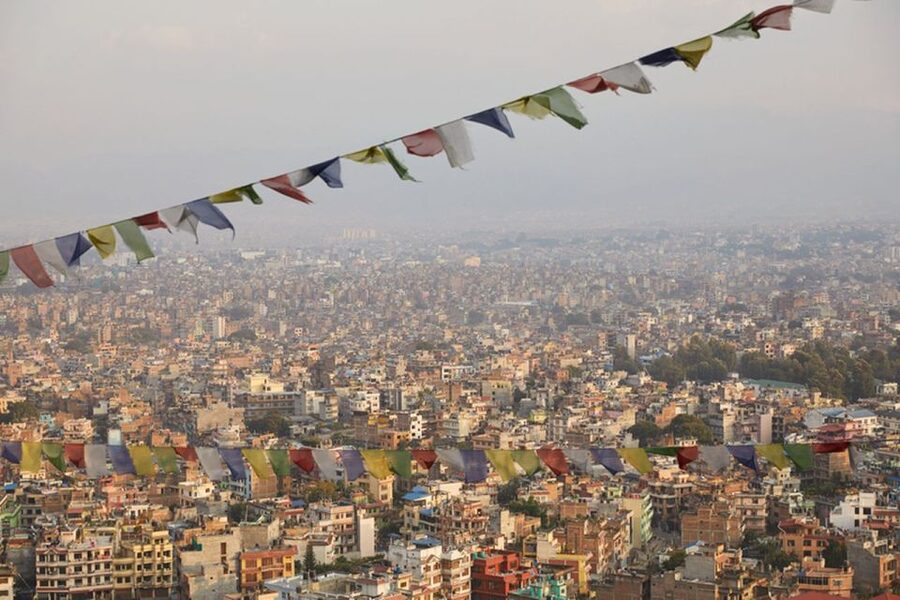
You start at Hotel Marshyangdi, in Chaksibari Marg near Thamel. This is helpful because Thamel is where most visitors already are, so you don’t need extra navigating before the tour begins.
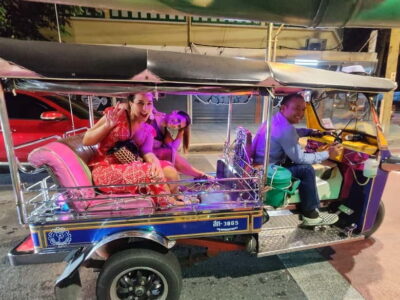
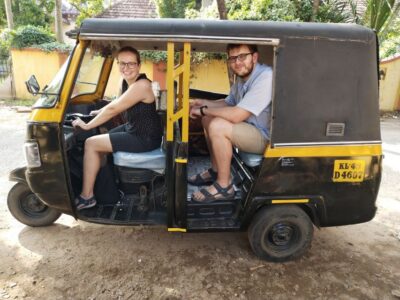
Once you’re set up, you’ll spend about an hour on the pedicab/rickshaw. That ride time is built in for a reason: it gives you a sense of Kathmandu’s street layout—turns you’d miss walking, alleys that cut between bigger routes, and the way crowds move at evening. It’s also a practical advantage. Your feet get a break, which means you can still enjoy Durbar Square without arriving exhausted.
A quick reality check: you won’t get to see everything. This is a focused evening, so you’re choosing depth over breadth. If you have a tight schedule after the tour, give yourself a buffer—since some departures end up closer to the shorter end of the listed time.
Thamel at Golden Hour: A Short Stop for Bearings
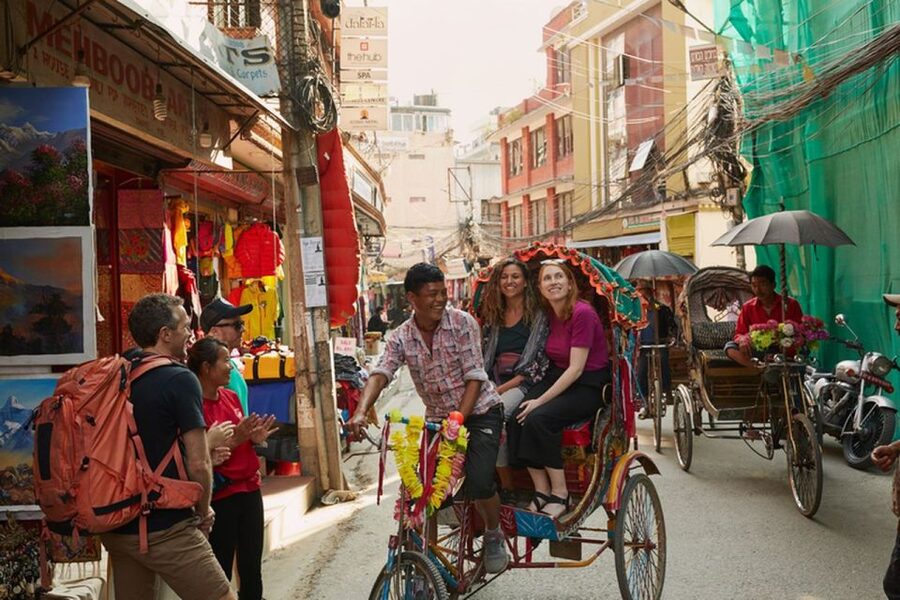
Thamel is the tourist center, but that doesn’t mean it’s worthless. Your brief visit (around 15 minutes) is really about orientation—where you are, how the pedestrian side streets connect, and what kind of street life you’ll run into as you go deeper.
This is a good stage to watch how the neighborhood changes as the sun drops. You’ll see the mix of souvenir shopping, side stalls, and people just moving through their evening routines. It’s busy, yes, but it’s the kind of busy that helps you understand Kathmandu’s rhythm before you reach the more sacred sites.
Don’t expect a long “Thamel tour” here. The value is the transition. Once you leave Thamel behind, the smells and sounds shift, and the streets start feeling more local than tourist-focused.
Asan Market for Spices, Produce, and the Annapurna Temple View
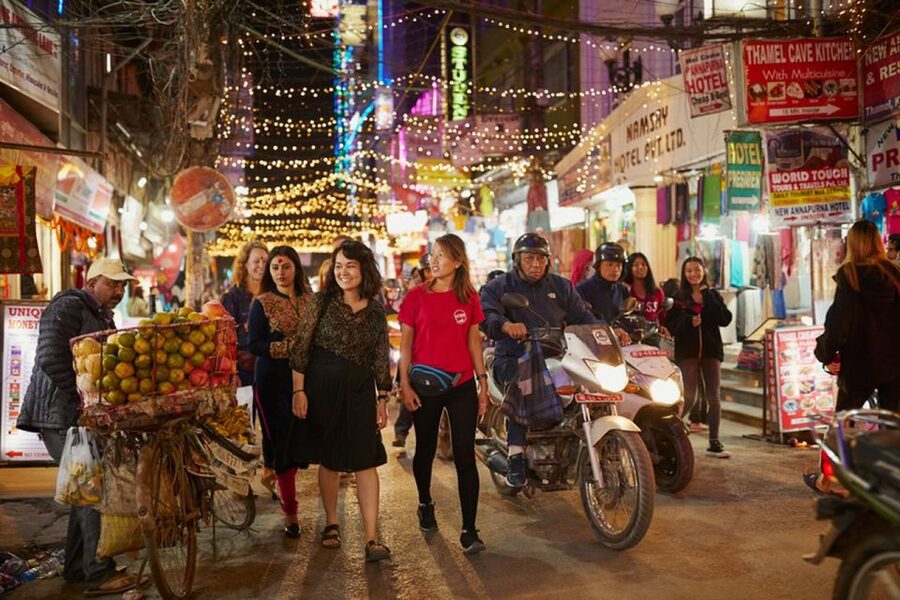
Asan is where Kathmandu stops being a visual postcard and turns into a sensory experience. You’ll spend about an hour there, and it’s centered on the market life: vegetables and spices you can actually see up close, with food sellers and shoppers shaping the scene.
One detail I’d pay attention to: Asan is described as being overlooked by Annapurna Temple. That means you’re not just walking among stalls—you’re also getting a sense of how religion and daily commerce share the same space. In many places, temples feel separate from “real life.” Here, they sit above it, watching it.
Practical tip: markets are best when you let your guide do the pointing. Instead of trying to interpret every stall yourself, listen for what the guide connects—what’s being sold, why it matters, and how to read the layout. It turns “wandering” into understanding.
If you’re the type who loves food culture, this is your anchor stop. If you’re not, you still get something valuable: a window into how locals shop and snack before evening temple-time.
Kathmandu Durbar Square: Watching Daily Life in a UNESCO World Heritage Site
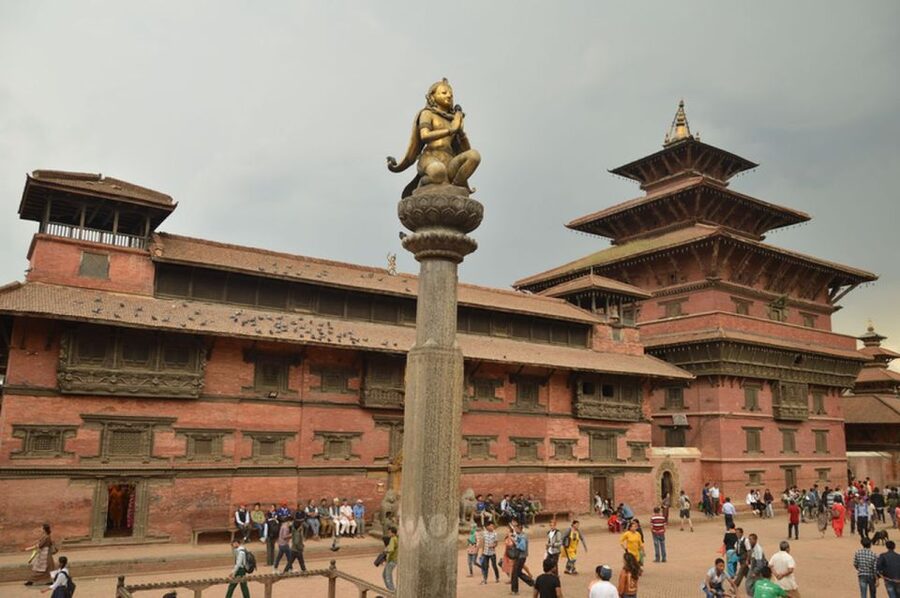
Durbar Square is the big centerpiece, with about 1.5 hours on site. This is where the tour becomes more than sightseeing. You’ll park yourself in temple squares and take in the scene as it changes with the light.
What I like about this portion is that it’s not only about buildings. It’s about what happens around them: locals sipping hot chai, devotees in prayer, and pigeons fluttering through the busy edges of the square. That mix of daily habit and spiritual focus is exactly why Durbar Square feels different from a photo stop.
UNESCO World Heritage status sounds formal, but your experience will feel human. You’ll be standing where people have been gathering for a long time, with ceremonies and errands happening side by side. If you’ve only seen Durbar Square from pictures, this is the moment you’ll understand why people keep coming back.
One consideration: Durbar Square areas can get crowded, especially as evening progresses. If you’re the type who needs lots of breathing room, plan to step aside with your guide when it gets tight, and focus on the quieter angles within the square.
Sigal Shrine Break: A Quiet Buddhist Pause in a Side Alley
Right after you leave the most tourist-heavy flow, you’ll hop off the rickshaw for a visit to Sigal, a Buddhist shrine tucked just a few steps inside an alley. This is a small stop, but it’s placed well. It gives your evening a reset before the bigger wave of Durbar Square.
This shrine moment is valuable because it slows the pace without turning into a long lecture. You’re in a calmer pocket of the city—something you rarely get when you’re only doing long walking tours. It also adds variety: the market is about commerce and color, Durbar Square is about public gathering, and Sigal is a more contained spiritual space.
If you like to learn by contrast, this is the right stop. It helps you see how Kathmandu’s sacred spaces fit into everyday street life—even when the alley feels quiet.
Price and Group Size: Is $49 Worth It?
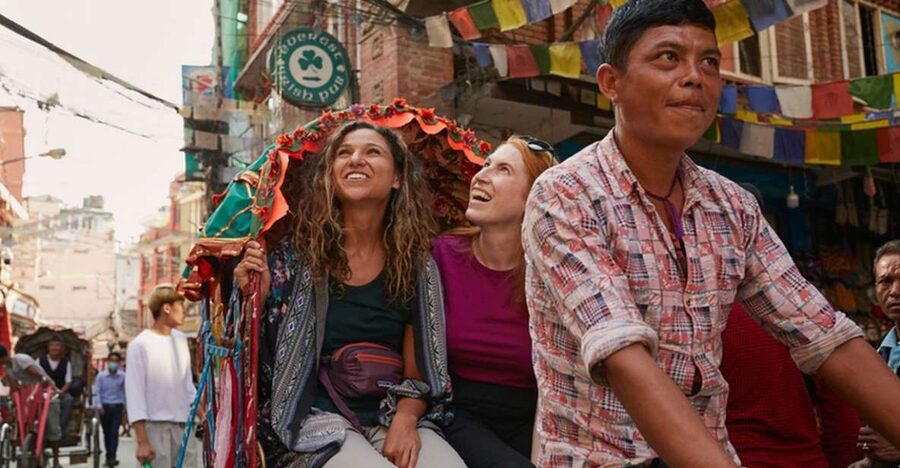
At $49 per person, the value comes from three areas: guided interpretation, rickshaw time, and the most expensive entry component.
Included in the price are:
- Rickshaw hire
- An English-speaking Nepali guide
- Entrance fee to Kathmandu Durbar Square
- Sigal shrine visit
Food and drinks aren’t included, so budget for a quick chai or snack if you want one. But the big win here is that you’re paying for a guided route that links sites in a way you likely can’t reproduce on your own without extra effort—especially at sunset, when it’s harder to navigate calmly.
The tour is set up for a small group—walking is for up to 12 people with personalized attention. That matters in Kathmandu. When you’re in a larger crowd, you spend more time waiting and less time learning. Here, you’re more likely to get direct answers while you’re actually standing in the right spot.
Also worth noting: the tour is described as carbon neutral, operated by a B Corp certified company committed to using travel as a force for good. That won’t change your ride comfort, but it’s a real point of principle, especially if you prefer companies that try to make their operations cleaner.
What to Expect From the Full 2.5–3 Hour Flow
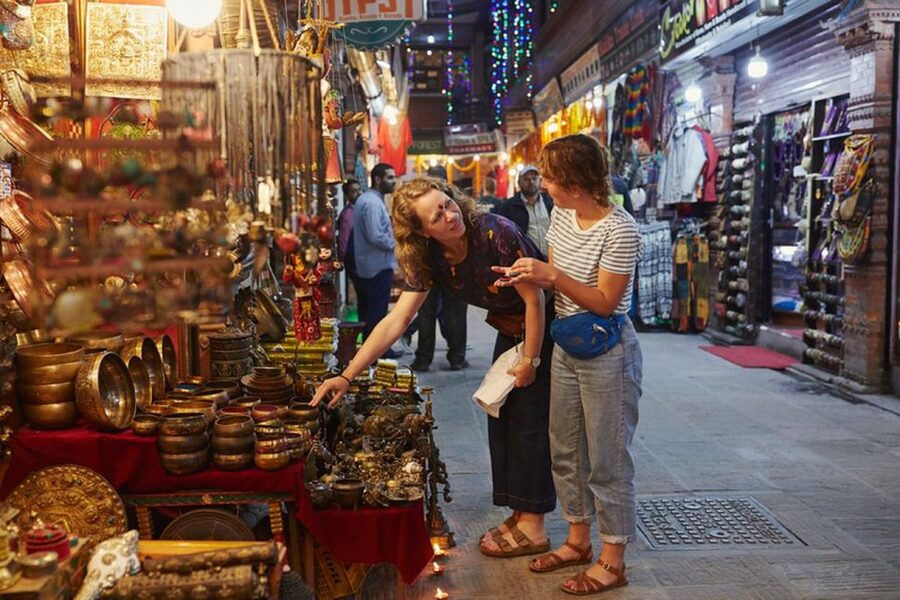
Evening pacing is where this tour earns its keep. You’re not stuck in one mode for the whole time.
A typical flow looks like this:
- Start at Hotel Marshyangdi
- About an hour on the rickshaw
- Quick Thamel orientation (about 15 minutes)
- Asan Market time (about 1 hour)
- Kathmandu Durbar Square time (about 1.5 hours)
- Return to Hotel Marshyangdi
Here’s the practical mindset: treat it like a guided walk-and-ride circuit. You’ll cover enough ground to feel like you saw the “real” city, but you’ll still spend meaningful time at the most important spaces—especially Durbar Square.
And yes, keep an eye on timing. Some outings may run toward the shorter end of the listed window. If you’re planning dinner reservations or a show later, avoid scheduling something too rigid right after the tour.
How to Plan Your Evening Like a Local
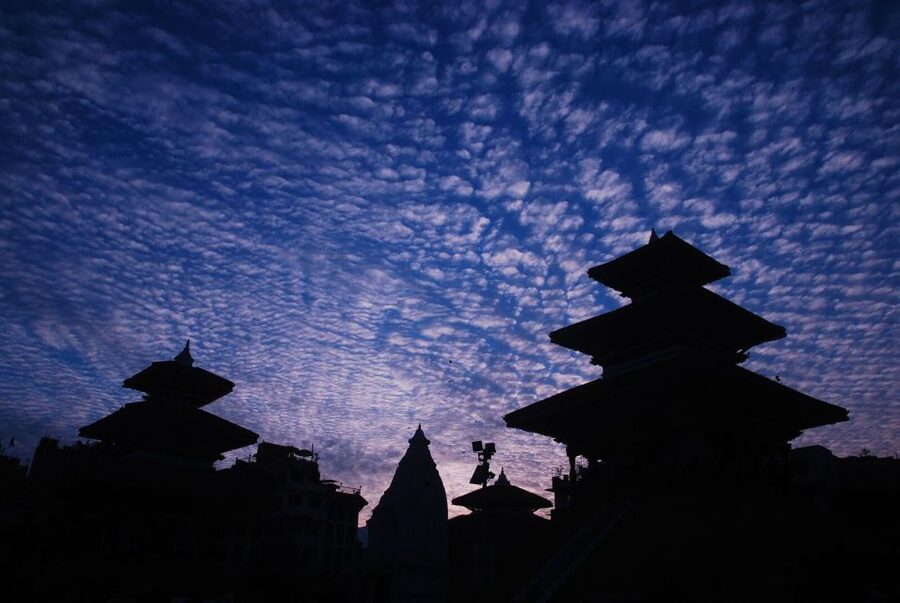
To make the most of this sunset route, plan for a few realities:
- Wear comfortable shoes. Even though part of the time is on the rickshaw, you’ll be walking through markets and temple areas.
- Bring a light layer. Sunset temperatures can shift, and you’ll linger in open squares.
- Have small bills ready for personal snacks. Food and drinks aren’t included, and you might want a chai while you watch the square.
- If you’re sensitive to crowds, choose a calm moment inside Durbar Square rather than forcing constant forward movement.
One last planning trick: decide what you want most—market texture, temple stillness, or street life by rickshaw. Then watch the tour deliver it in that order: Thamel for bearings, Asan for senses, Durbar Square for everyday prayer and routine, Sigal for a quiet reset.
Should You Book This Sunset Kathmandu Rickshaw Tour?
Book it if you want a high-value evening that connects Kathmandu’s most meaningful areas with a pace that feels local. The rickshaw ride, the guide’s explanation in English, and the mix of Thamel, Asan, Durbar Square, and Sigal make it a strong “first Kathmandu night” option—especially if you’d rather understand the city than just photograph it.
Skip it (or consider a different format) if you have very strict timing for later tonight. The tour can run shorter than the headline duration, and temple and market areas can slow down if crowds pick up.
If you like guided, small-group sightseeing with real street atmosphere, this is an easy yes.
FAQ
How long is the Kathmandu at Sunset rickshaw tour?
It’s listed as 2.5 to 3 hours.
Where does the tour start and end?
You meet at Hotel Marshyangdi, Chaksibari Marg, in Thamel, Kathmandu, and return there at the end.
What stops are included during the tour?
You’ll visit Thamel, Asan market, Kathmandu Durbar Square, and the Sigal Buddhist shrine.
What’s included in the price?
Included are the rickshaw hire, an English-speaking Nepali guide, the entrance fee to Kathmandu Durbar Square, and the Buddhist shrine visit to Sigal.
Are food and drinks included?
No. Food and drinks are not included.
What should I expect to pay aside from the tour price?
Plan on buying your own food and drinks, since those aren’t included.
Is the tour suitable for children?
Children 6 to 11 are permitted, and children below 6 are also permitted on this tour.
Is the tour carbon neutral?
Yes. It’s described as carbon neutral and operated by a B Corp certified company committed to travel as a force for good.