A full day, minus the stress. This Angkor Wat tour turns the long list of ruins into one clear route, starting with hotel pickup at 8:00am and ending with a sunset stop at Pre Rup. I especially liked having guide Sokha keep things organized and understandable, plus the driver’s cool-down touches during the heat.
You’ll also appreciate the “see it in a row” approach: major sites, then a lighter pace where the trees and stone take over. One caution: temple entrance fees and lunch are not included, so you’ll want to budget for those before you go.
In This Review
- Key Highlights and Practical Upsides
- Hotel Pickup at 8am and a Motorised Tuk-Tuk Day Plan
- Angkor Wat First: Give Your Eyes Time to Adjust
- Bayon Temple and Angkor Thom: A Capital You Can Walk Through
- Ta Prohm: Jungle Ruins, Tree Roots, and Cooling Breaks
- Banteay Kdei: Monk Cells and Cotton Tree Roots
- Pre Rup Sunset: The Payoff for Staying Put
- What You Actually Get for $39: Included vs. Not Included
- Comfort on a Hot Cambodian Day: Water, Ice Towels, and Pace
- Who This Tour Fits Best (and Who Might Want Something Different)
- Should You Book This Full-Day Angkor Wat with Sunset by Tuk Tuk?
- FAQ
- What time does the tour start?
- How long is the full day tour?
- Is this a private tour or shared group?
- Are temple entrance fees included?
- Is lunch or food included?
- Does the tour run in any weather?
- What’s the cancellation policy if I change plans?
Key Highlights and Practical Upsides
- 8:00am hotel pickup by motorised tuk-tuk keeps your morning simple.
- English-speaking guide with lots of site context makes the temples easier to follow.
- Well-timed temple blocks (about 2 hours each for Angkor Wat, Bayon, Ta Prohm) help you avoid rushing.
- Tree-and-stone sights at Ta Prohm and Banteay Kdei give variety beyond the postcard scenes.
- Sunset at Pre Rup gives a payoff for staying out after the main ruins.
Hotel Pickup at 8am and a Motorised Tuk-Tuk Day Plan
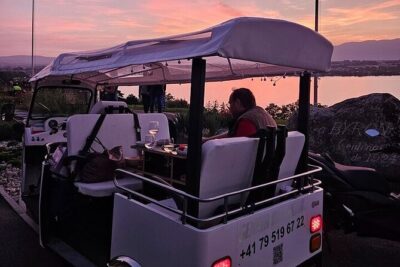
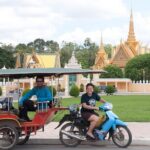
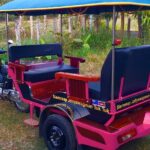
Your day starts early, with departure from your hotel at 8:00am by tuk-tuk (a motorised trolley). That matters more than it sounds. Angkor can be hot, and you feel it most when you’re trying to coordinate transport on your own. Here, you step in, the guide handles the flow, and you focus on the temples.
The tour is private to your group, not a big shared cattle-car lineup. That usually means you can keep your pace realistic. Want more time at a doorway or a view? The guide’s role (licensed, English speaking) helps you make small adjustments without derailing the whole day.
You’re also set up with practical extras: mineral water is included, and you’ll have hotel pickup and drop-off so you don’t waste time tracking connections back to Siem Reap. Plus, you get a mobile ticket, which reduces the chance of dealing with paper last-minute.
One more value point: the day is built around a route that covers several of the most important temple stops in sequence. For many people, the best part isn’t a single monument. It’s how smoothly the route moves you from place to place.
You can also read our reviews of more tours and experiences in Siem Reap.

Angkor Wat First: Give Your Eyes Time to Adjust
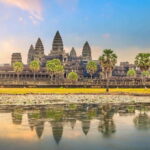
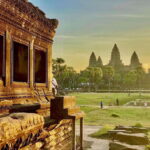
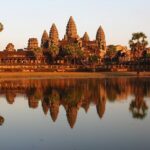
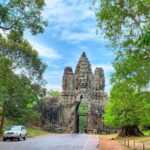
Angkor Wat is the obvious headline stop, but it’s still worth treating it like a full experience, not a quick photo run. You’ll spend about 2 hours here, and that’s the right length to absorb scale and details at a slower pace.
What I like about placing Angkor Wat first is mental momentum. You arrive with enough energy to take in the largest and most famous temple complex, and then you can carry those expectations into the next sites. If you try to start later in the day, the whole place can feel more like a checklist. Starting early helps you stay curious.
A key practical thing: the temple entrance fee is not included. That means your guide can set up the visit, but you still need to plan for the ticket cost. If you show up underprepared, you lose time at the exact moment you most want time to look.
Also note the itinerary’s focus: it includes major Angkor Wat sights plus “hidden treasures.” The term hidden is a bit subjective, but the intent is clear—this isn’t only the one angle everyone shoots. The guide’s job is to help you notice what to look for, which can turn a big complex into a more personal walk.
Bayon Temple and Angkor Thom: A Capital You Can Walk Through
Next comes Bayon Temple, followed by time around the Angkor Thom area. This is where the experience shifts from “largest temple” to “power in the details.” You’ll get about 2 hours here.
The important context is that Bayon once served as the Khmer Empire’s capital city. That changes how you read the site while you walk. Instead of seeing separate monuments, you start to sense a bigger city plan—grandiosity on display, but experienced step-by-step as you move through temple spaces.
One benefit of having a guide is timing and interpretation. Bayon can feel overwhelming because there’s a lot going on visually. With an English-speaking guide, you’re not left guessing. You can ask yourself what you’re seeing, what it means in the overall Angkor story, and what to focus on while you still have energy.
Again, entrance tickets are not included, so budget accordingly. If you prefer a relaxed day, you’ll want to carry snacks or water beyond what’s provided—because lunch and food aren’t part of the package.
Ta Prohm: Jungle Ruins, Tree Roots, and Cooling Breaks
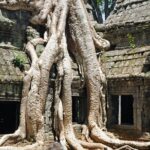
Then you shift to Ta Prohm, the temple famous for being set in the jungle. You’ll get about 2 hours here.
I like Ta Prohm for one simple reason: it breaks the pattern. After Angkor Wat and Bayon, which feel structured and monumental, Ta Prohm feels like a living scene—ruins framed by trees. The itinerary specifically points out fig trees that threaten to overtake the edifice, and that’s exactly what makes Ta Prohm different. You’re not just walking through architecture. You’re walking inside an interaction between stone and nature.
It can also be a visual pause. Shade shows up in patches, and the darker, tangled setting gives your eyes a rest from the brighter open areas. That’s not a guarantee of comfort, but it often helps on a hot day.
The one caution here is pacing. With an extensive day, 2 hours can feel short if you stop every few minutes for photos. If you’re the type who likes long sits and slow viewing, you may want to move at a calmer speed and accept that the rest of the schedule will be tighter. If you’re good with brisk walking, 2 hours is enough to take in the structure and the tree-root drama.
Lunch is on your own, so plan for a gap in the day where you can grab something nearby or bring what you need.
Banteay Kdei: Monk Cells and Cotton Tree Roots
The day continues at Banteay Kdei, described as the citadel of monks’ cells. You’ll have about 1 hour here.
Even with less time, Banteay Kdei can be a favorite stop because it’s visually different from the big showpieces. The site is partially overgrown with towering, sinewy trees, and the cotton tree roots weaving through the stone are a famously noted feature. That combination makes it feel almost like a sculpture garden built from old walls.
One hour is also a realistic amount for this kind of site. You can walk the key areas, notice the tree-and-stone relationship, and leave without feeling like you skipped something. If you try to stretch Banteay Kdei to match the time spent at larger complexes, the energy level can dip. That’s where having the day planned in blocks helps.
As with every other stop, entrance fees and food are not included. So think of your schedule as temple viewing time only, with meal decisions handled separately.

Pre Rup Sunset: The Payoff for Staying Put
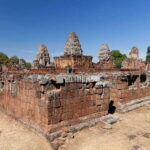
The overview calls out a sunset at Pre Rup, and that’s the emotional reason many people pick tours like this. After spending your day on the temples, sunset gives you a moment of slower attention—light changes the look of stone, and it’s easier to remember the day as an arc instead of a list.
Timing matters here. Sunset stops can feel like they steal time, especially if you’re tired. But in my view, that’s also why they’re worth including. You trade a little late-day comfort for a real payoff moment.
A practical tip: bring something light to cover up and protect yourself when the temperature drops. The tour includes water, but it doesn’t mention a warm layer. A thin layer can make the difference between enjoying sunset and rushing through it.
What You Actually Get for $39: Included vs. Not Included
The price is $39.00 per person, and on average it’s booked about 116 days in advance. The value here isn’t just the number. It’s what you’re saving yourself: planning time, transport coordination, and the stress of finding the route between sites.
Included:
- Licensed and experienced English-speaking tour guide
- Travel by tuk-tuk (motorised trolley)
- Mineral water
- Hotel pickup and drop off
Not included:
- Temple entrance fees
- Food and drinks
- Lunch
That means you should budget for at least two extras: entrance tickets and a meal plan. I like tours that make this clear ahead of time, and this one does. It also helps you avoid the common mistake of thinking “tour price equals total day cost.”
Also, you get the comfort of knowing you’re traveling by tuk-tuk all day rather than bouncing between rides. For a site area spread out across several temple zones, that matters.
Comfort on a Hot Cambodian Day: Water, Ice Towels, and Pace
Heat is a real factor at Angkor. The supplied experience notes a hot day working out well, mainly because the driver stayed attentive and brought chilled water and ice cold flannels. That kind of detail isn’t flashy, but it’s the difference between feeling worn down and feeling human.
You’ll also have the advantage of mineral water included. Still, if you know you drink a lot in the heat, consider bringing your own backup snacks or extra water, because food and drinks aren’t part of the package.
The pacing is another comfort factor. With about 2 hours each at the main temple stops and 1 hour at Banteay Kdei, the day has structure. That helps you pace your energy instead of burning it all early.
If you don’t like long days, this might feel full. But if you do like a plan that keeps you moving without constant schedule chaos, the structure works.
Who This Tour Fits Best (and Who Might Want Something Different)
This is a good fit if you want:
- One organized route covering multiple major Angkor temples
- An English-speaking guide to explain what you’re seeing
- A tuk-tuk day with hotel pickup and drop-off
- A sunset moment at the end
It may be less ideal if:
- You want full control over every stop length with no fixed timing blocks
- You don’t want to think about entrance tickets or lunch planning
- You’re extremely sensitive to early mornings, since 8:00am pickup starts the day
The “private tour/activity” element is also a plus for couples or small groups who want fewer distractions. It keeps the day focused on your group, not on managing others.
Should You Book This Full-Day Angkor Wat with Sunset by Tuk Tuk?
I’d book this if you value a clear route, a guide who can keep you oriented, and a payoff sunset stop at the end. The best part for me is how the day blends major temples with moments that feel different—especially the shift from classic Angkor Wat scale into jungle-influenced ruins at Ta Prohm, then the tree-and-roots look of Banteay Kdei.
Just go in with two expectations: entrance fees and lunch are on you, and the day is long enough that comfort details matter. With attentive transport, water, and a guide like Sokha who makes the sites easier to follow, the $39 price feels like it’s buying you time, organization, and less stress.
If you want a smooth, guided Angkor loop without the heavy lift of planning, this one is a strong choice.
FAQ
What time does the tour start?
You depart your hotel at 8:00am by motorised tuk-tuk.
How long is the full day tour?
The duration is listed as approximately 7 hours.
Is this a private tour or shared group?
This is a private tour/activity, and only your group will participate.
Are temple entrance fees included?
No. Temple entrance fees are not included.
Is lunch or food included?
No. Food, drinks, and lunch are not included.
Does the tour run in any weather?
This experience requires good weather. If it’s canceled due to poor weather, you’ll be offered a different date or a full refund.
What’s the cancellation policy if I change plans?
You can cancel for a full refund up to 24 hours before the experience’s start time.