REVIEW · COLOMBO
Colombo: Sightseeing Tour by Tuk Tuk Safari – All Inclusive
Book on GetYourGuide →Operated by Colombo Tuk Tuk City Tours · Bookable on GetYourGuide
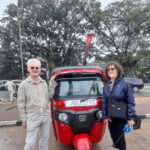
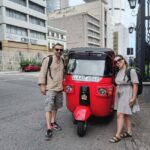
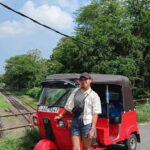
Colombo hits different from a tuk-tuk seat. You get a fast, friendly route through temples, colonial buildings, and busy markets, plus a free Ceylon tea tasting stop that actually gives your day a tasty anchor. The main downside: it’s a packed 4–5 hours, so if rain hits hard or you want slow, long stays inside every site, you may feel a little rushed.
What makes this tour work is the mix of smooth driving and short, well-timed stops. Reviews repeatedly point to guides like Joseph, Prem, Ruwan, Faizal, and Shiyam as the reason the day feels organized, calm, and photo-friendly—even with Colombo traffic doing what Colombo traffic does.
In This Review
- Key highlights to watch for
- Why Colombo looks better at tuk-tuk speed
- Price and what all-inclusive really means in Colombo
- Pickup, timing, and staying comfortable in sun or rain
- The route: Fort lighthouse, Clock Tower, and Dutch-era Colombo
- Pettah Market and the Red Mosque (Jami Ul-Alfar) in your afternoon
- Floating market, Lotus Tower photos, and the Tea Triumph break
- Temples and parks: Galle Face, Independence Square, and Viharamahadevi
- Gangaramaya Temple, Gangarama Sima Malaka, and closing impressions
- Guide quality is the real upgrade (and the reviews back it up)
- Rain, smog, and crowds: how to make this day feel easy
- Who this tour suits best
- Should you book this Colombo tuk-tuk tour?
- FAQ
- How long is the Colombo tuk-tuk sightseeing tour?
- Is pickup and drop-off included?
- What’s included in the tour price?
- Are entrance tickets included?
- Does the tour include tea tasting?
- What languages do the driver-guides speak?
- Where do cruise ship passengers meet?
- Can I cancel for a refund?
Key highlights to watch for
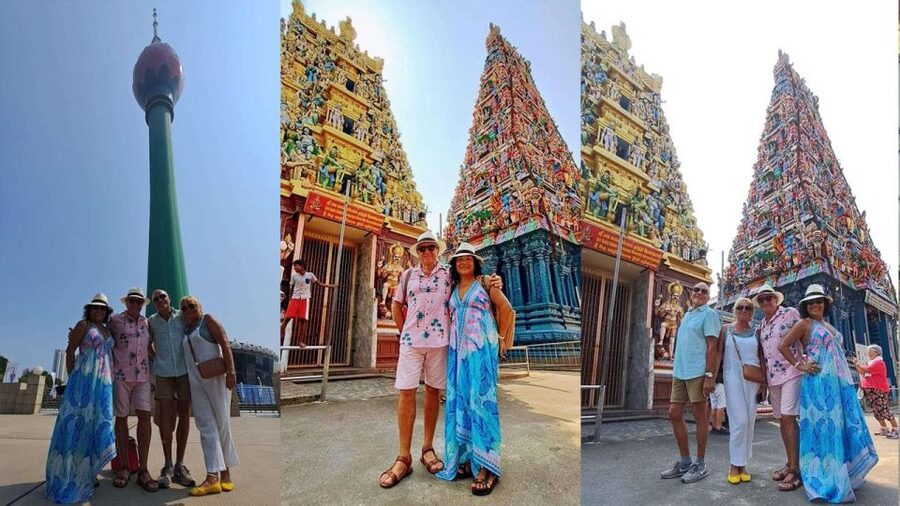
- Tuk-tuk route across Colombo’s “must-see” clusters without fighting the streets yourself
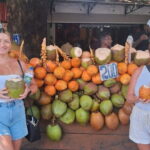
- Free king coconut water plus bottle water, so you can stay out and enjoy the walk portions
- Red-and-white Jami Ul-Alfar (Red Mosque) as a standout contrast inside the lively Pettah area
- Tea Triumph tasting as a practical, included break from sightseeing
- English-speaking guide-driver (Arabic, Hindi, and Tamil too) who helps you interpret what you’re seeing
Why Colombo looks better at tuk-tuk speed
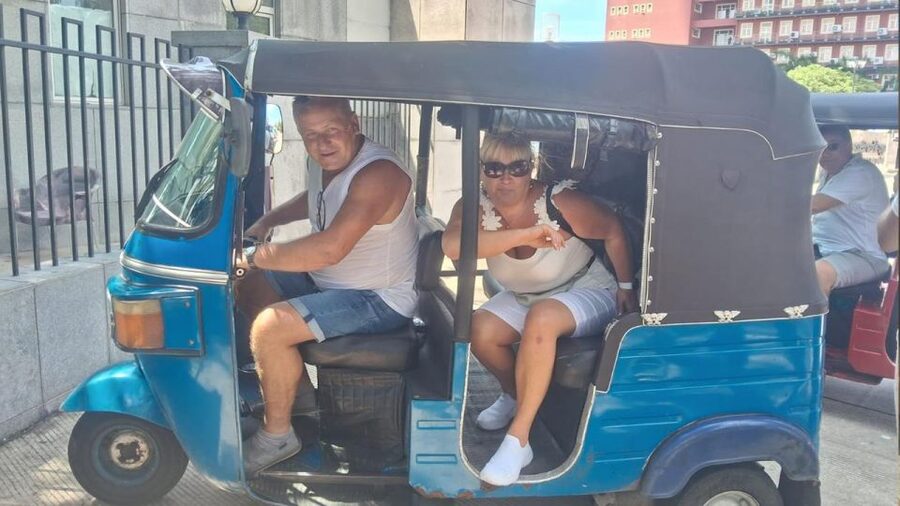
Colombo is a city where navigation can eat up your energy. A tuk-tuk tour keeps you moving while still letting you stop often enough to actually see things—not just watch them from the window. And because the vehicle sits lower than a bus, you tend to notice street life and building details that bigger rides miss.
I also like how this format balances motion with short walks. You’re not stuck in one long line for one attraction. Instead, you’re bouncing between religious sites, colonial-era landmarks, and everyday neighborhoods—so your brain keeps getting new cues about how Colombo works.
The other practical win: traffic. Drivers on this kind of route spend their days threading through busy roads, and that experience shows. Multiple reviews praised guides for handling congestion calmly and safely, which matters a lot when you’re trying to keep a sightseeing plan on time.
You can also read our reviews of more tours and experiences in Colombo.
Price and what all-inclusive really means in Colombo
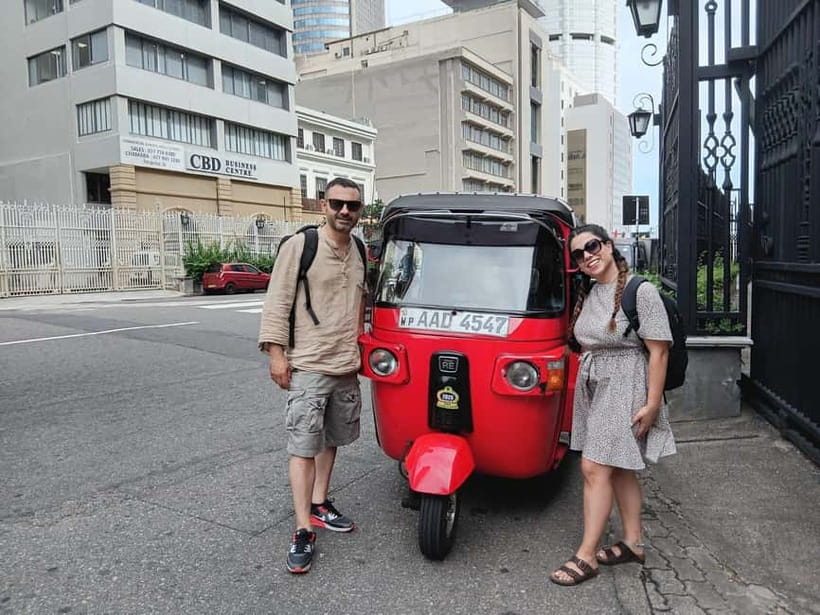
At around $21 per person for a 4–5 hour private tuk-tuk tour, the value is the sheer amount of “getting-to” you get for the money. You’re paying for transport, a driver-guide, parking, and timed stops—so you’re not piecing together taxis and entry tickets on your own.
The “all-inclusive” part that I’d call out is what saves you hassle during the day:
- King coconut water as a welcome drink
- Bottle water during the tour
- Umbrella for rainy time
- Parking charges included
Now, the one cost detail to understand upfront: attraction tickets are included for most stops, except the Lotus Tower and Gangaramaya Temple entrances if you want to go inside. That means your total spending will likely depend on how strongly you want to enter those two sites.
Pickup, timing, and staying comfortable in sun or rain
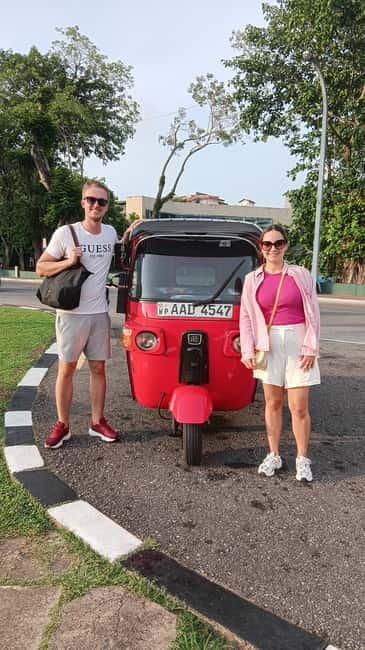
This tour is built around easy meeting points. If you’re in a city hotel in Colombo 1–15, the driver-guide meets you at the lobby. Cruise ship passengers meet near the Colombo Lighthouse area (about 250 meters from Port Gate-1 & Gate-1A). If you’re coming from outside Colombo city, the listed meeting point is also the Colombo Lighthouse. Train arrivals meet at Colombo Fort Railway Station, near the exit gate by the ATM area.
Bring practical basics: sunglasses and a sun hat are suggested. That’s not fluff—Colombo sun can be strong, and you’ll have photo stops and short walking periods between rides.
Rain happens. One review mentioned a rainy day and still described the trip as enjoyable, just a bit less ideal. With this tour, the umbrella being included is genuinely helpful. The key strategy is to stay flexible with your pace: when it’s wet, choose quick photos and rely on the guide to keep things moving.
The route: Fort lighthouse, Clock Tower, and Dutch-era Colombo
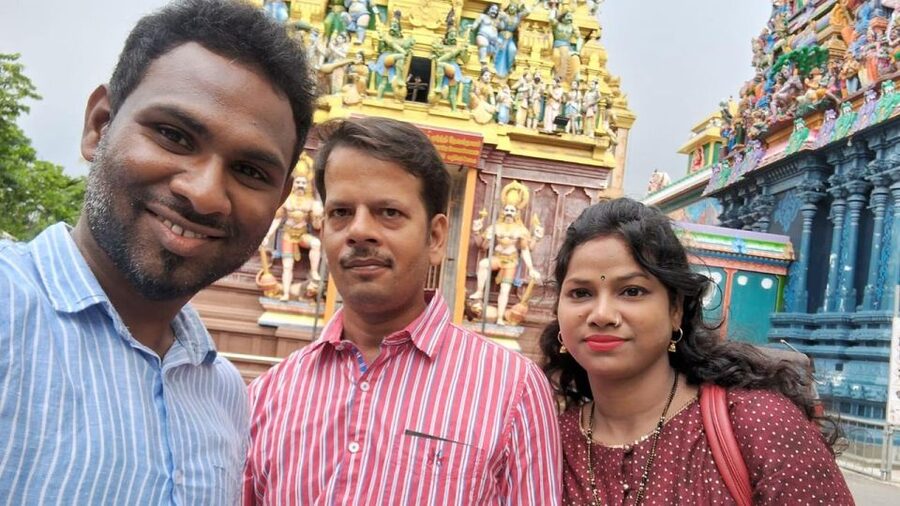
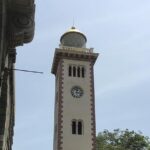
Your day typically starts in the Colombo Fort area, where the mix of colonial-era landmarks and seafront history is easy to understand. You’ll get a photo stop around the Old Lighthouse and Clock Tower, with a brief guided look and local context.
This first stretch matters because it sets the “before and after” story of the city. Clock Tower gives you a visible colonial-era reference point. The lighthouse area gives you the maritime connection, which Colombo is still built on.
From there, the route moves toward cultural and architectural stops. One important one is Old Dutch Hospital, a historic building area that ties neatly to Colombo’s Dutch colonial past and maritime heritage. Even if you’re not a museum person, the exterior and streetscape around the building helps you picture why Colombo’s Europeans set up shop where they did—near the water, near trade routes, near power.
Next comes St. Anthony’s Shrine, Kochchikade and Colombo Town Hall. These stops are useful because they show Colombo as a layered city—Catholic, Buddhist, Hindu, and Islamic landmarks all within a manageable radius. It’s not just “temples and views.” It’s a map of Sri Lanka’s plural culture.
Quick timing note: some stops are photo-first, with guided time kept short. If you like photographing details, you’ll probably feel satisfied. If you want to read every plaque and linger, save that slower style for after your tour.
Pettah Market and the Red Mosque (Jami Ul-Alfar) in your afternoon
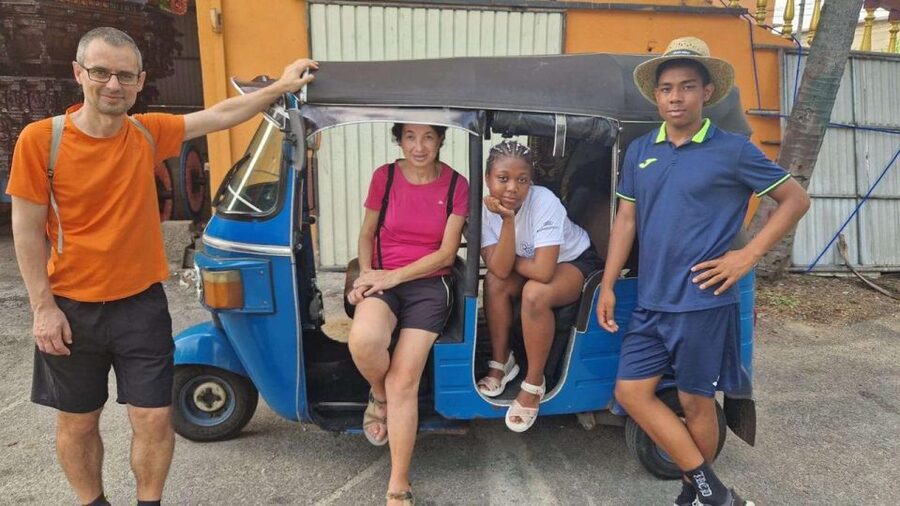
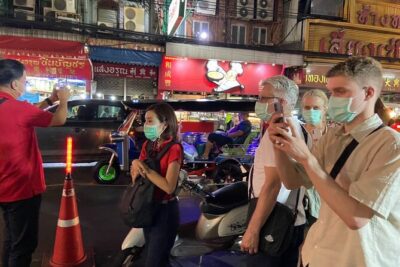
Pettah is the kind of place where your senses switch on quickly. The plan includes Pettah Market, with photo and guided time, so you can see the market rhythm without getting lost in it. Pettah is also a natural place to shop—spices and souvenirs come up because this is where everyday commerce is happening.
Then you hit one of the visual anchors of the day: Jami Ul-Alfar (Red Mosque). This is the famous red-and-white striped mosque in the heart of Pettah. In reviews, the Red Mosque repeatedly comes up as a standout stop, partly because it visually cuts through the surrounding street energy. It also helps you understand Colombo’s Islamic heritage in a setting that feels real, not staged.
The tour also includes Sambodhi Chaithya along the way. That stop adds a Buddhist landmark moment in the route, helping you keep the city’s religious mix in view rather than treating it as separate “sections” of the day.
If you’re sensitive about where to stand for photos, the good news is that guided stops typically keep you oriented. I’d still bring your common sense: respect worship spaces, dress appropriately, and be ready to move for foot traffic.
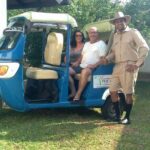
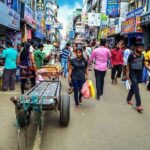
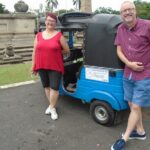
Floating market, Lotus Tower photos, and the Tea Triumph break
A key part of making a city tour enjoyable is knowing when to pause. Here, that pause often comes in the form of two contrasting moments: a floating market photo stop and the Lotus Tower observation focus.
The Lotus Tower stop includes guided viewing and time for photos. If you want to go inside for the observation experience, remember that the entrance fee isn’t included. Still, even the outside view is useful if you want to orient yourself—because seeing a tall landmark helps you mentally map Colombo after the day ends.
Then comes Tea Triumph, a stop built around the tour’s free Ceylon tea tasting. This is one of the best “included extras” on the schedule because it’s not just a random shop visit. Tea tasting gives you something local and specific to Sri Lanka, and it breaks up the walking and street intensity.
Why I like this part: it turns the day from a list of stops into a memory with taste. If you end up buying anything (you might, you might not), you’ll have a reason beyond souvenir collecting.
Temples and parks: Galle Face, Independence Square, and Viharamahadevi
Colombo’s big public spaces are where the city breathes. After the tea stop, the route takes you toward Galle Face Green, where you get a photo stop and guided time along the seaside promenade. This is a great place for a short break because the breeze makes the day feel lighter, even when the streets are busy.
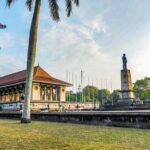
Next, the plan includes Independence Square. This is one of those stops where your tour guide can make the architecture feel meaningful. The setting commemorates Sri Lanka’s freedom from colonial rule, and the grand surrounding buildings plus quieter garden areas give you a calm pocket in the middle of the city schedule.
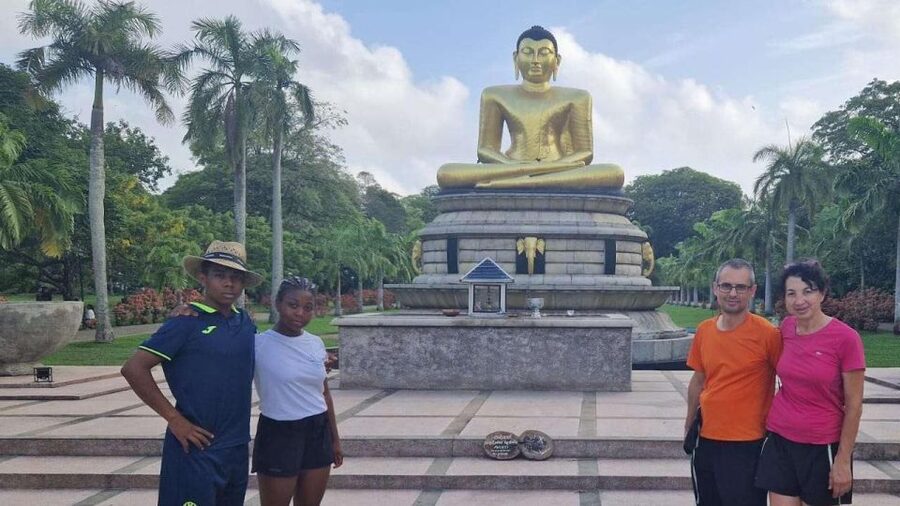
You’ll also get time at Viharamahadevi Park, Colombo’s largest public park. The key feature here is the scale and the fact it’s not just a stroll—it includes a towering Buddha statue and shady garden space. It’s a nice counterbalance to markets and temples because it gives you a slower pace, even if it’s still within a timed tour.
If you’re trying to photograph everything, this is one of the better sections to do it at a relaxed speed. The park setting gives you cleaner backgrounds than the street scenes.
Gangaramaya Temple, Gangarama Sima Malaka, and closing impressions
The tour’s later part focuses on major religious landmarks, including Gangaramaya Temple. This is one of Colombo’s best-known Buddhist temples, and it’s especially rewarding because of how many cultural artifacts and religious artworks you can notice without needing a long museum-style explanation.
Important detail: Gangaramaya Temple entrance inside is not included, so if you want to go inside for the full experience, you’ll pay the entrance fee separately. Even if you stay with the guided viewing outside/at accessible areas, it still works as a meaningful stop because it anchors the day’s Buddhist thread.
Right after, you’ll see Gangarama Sima Malaka, which is another temple-related structure. This pairing helps you avoid the “one temple and done” feeling. Instead, it builds a sense that these places have deeper architectural variety than just the main shrine.
By the time the tour wraps up, you’ll have seen a strong spread: mosque, Hindu temple, Buddhist temples, colonial buildings, seaside promenade, and market life. That’s what makes the day useful if you’re only in Colombo for a short window.
Guide quality is the real upgrade (and the reviews back it up)
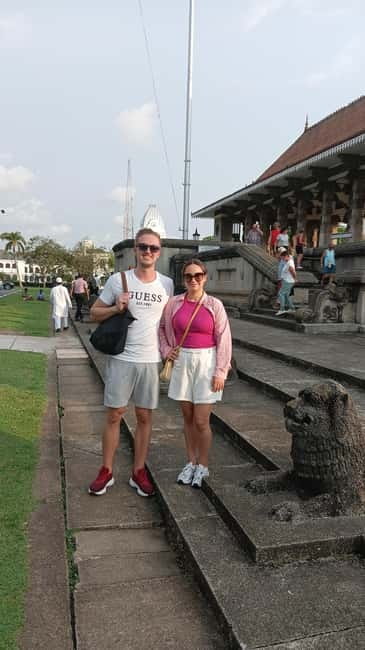
Here’s the truth: in a short city tour, the guide is the experience. With this one, the pattern in reviews is clear—good driver-guides keep the day calm, safe, and well explained.
Names that come up often include Joseph, Prem, Ruwan, Faizal, Shiyam, Sajaad, Sajad, Rauf, Morty, and Abdul Hakkem. The common thread isn’t just friendliness. It’s organization—like getting the best photo moments, pacing stops so you actually see things, and handling Colombo traffic smoothly.
Safety also comes up repeatedly. One review specifically noted feeling safe even in busy roads. Another highlighted that the guide handles the day without rushing you out of places, which is exactly what you want when you’re mixing photo stops with worship spaces.
There’s also a practical layer: guides help with small logistics when you ask. One review mentioned an ATM stop, and another mentioned help getting back to a bus station in rain. That kind of flexibility can save you stress at the end of a long day.
If you’re the type who likes explanations, you’re in good hands. Many guides are described as answering questions and talking through history and daily life in Colombo, not just reciting facts.
Rain, smog, and crowds: how to make this day feel easy
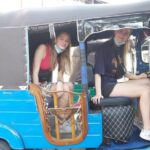
A tuk-tuk tour reduces walking time, but you still spend the day outdoors. Colombo can be sunny, wet, or hazy depending on your timing. One review mentioned smog and even noted that a driver purchased a mask to help with air comfort. That’s a reminder to pack smart and go easy on over-planning.
My simple advice:
- Keep your photos quick at photo-stop locations, then linger only where you feel pulled in
- If rain starts, go for indoor-friendly or sheltered moments first, then return to outdoor areas
- Bring a small water habit: bottle water is included, but don’t rely on just that if you’re sensitive to heat
Also, remember that some stops are described as photo stop plus short guided time. If you expect long museum browsing everywhere, adjust your expectations. This tour is about coverage and context, not deep study in every building.
Who this tour suits best
This is a strong fit if:
- You have one day (or half a day) in Colombo and want a realistic hit list
- You want religious and cultural variety without managing transit yourself
- You prefer short, guided stops plus photo opportunities
- You like the idea of a driver-guide who can explain what you’re seeing as you go
It may be less ideal if you want a slow travel day with long sit-down meals and lots of unplanned wandering. In that case, you could still enjoy it, but treat it as your orientation tour—not your only sightseeing plan.
Should you book this Colombo tuk-tuk tour?
Book it if you want a low-stress way to understand Colombo quickly. At about $21 per person, the included transport, guide, water, umbrella, and tea tasting make it a solid value, especially if you’re trying to cover Fort sites, Pettah, major temples, and the seaside in a single afternoon.
I’d think twice only if your top priority is deep time inside every attraction. Since Lotus Tower and Gangaramaya Temple entrances inside cost extra, your total will rise if you want the full indoor experience. If you’re okay paying those two potential add-ons, this tour is a practical way to get your bearings fast and leave Colombo with more than just photos—you’ll leave with a clearer sense of how the city’s neighborhoods connect.
FAQ
How long is the Colombo tuk-tuk sightseeing tour?
The tour lasts about 4 to 5 hours.
Is pickup and drop-off included?
Yes. Free pickup and drop-off are included, with multiple pickup and drop-off locations listed across Colombo.
What’s included in the tour price?
It includes a private tuk with an English speaking driver guide, a welcome drink (king coconut water), bottle water, an umbrella for rainy time, and all parking charges.
Are entrance tickets included?
Tickets for attractions are included except for Lotus Tower and Gangaramaya Temple. If you want to enter those sites, you’ll pay the entrance fees separately.
Does the tour include tea tasting?
Yes. There is a free Ceylon tea tasting stop (Tea Triumph).
What languages do the driver-guides speak?
The guide-driver languages listed are Arabic, English, Hindi, and Tamil.
Where do cruise ship passengers meet?
Cruise ship passengers meet at the Colombo Lighthouse area, about 250 meters from Port Gate-1 & Gate-1A, where the driver-guide will be holding a nameboard.
Can I cancel for a refund?
Free cancellation is available up to 24 hours in advance for a full refund.