REVIEW · MADRID
Madrid: Private Tuk Tuk Tour with Expert Guide and Panoramic Views
Book on GetYourGuide →Operated by Madrid On Tuk Tour · Bookable on GetYourGuide
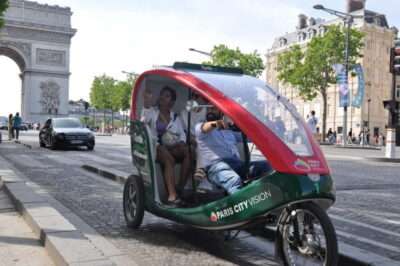
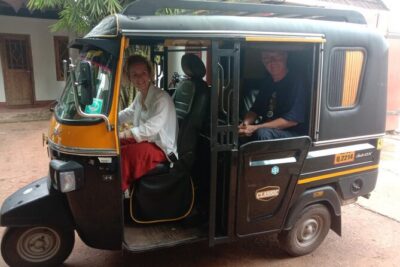
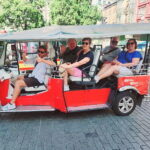
Madrid hits different from a tiny electric tuk-tuk, especially when the city is a maze of lanes and grand avenues. I love the easy, comfortable ride that keeps you moving without museum-level walking, and I also like how the expert guides bring the streets to life, like Rafael’s mix of clear Spanish-led storytelling and humor. You’ll get photo moments in the right spots instead of chasing viewpoints on your own.
One thing to watch: with the shortest 1-hour option, the route can feel time-tight. You may need to stay focused on the top stops to get the best photos and context, because there’s a lot of Madrid packed into a small amount of time.
In This Review
- Key things I’d prioritize
- Why an electric tuk-tuk is the smart way to start Madrid
- From Teatro Real to the Royal Palace: royal Madrid without the stress
- Almudena to the Arab Wall: a quick history lesson you can see
- Riverside drama at Segovia Bridge and Viaducto de Segovia
- Plaza de la Villa to Mercado San Miguel: old-town Madrid in manageable pieces
- La Latina and Calle Cava Baja: where the city gets personal
- Museum district clarity: from Congreso to Reina Sofía and Prado areas
- Retiro Park to Puerta de Alcalá: a grand change of tempo
- Bernabéu and the modern axis: Madrid’s big-league streets
- Cibeles, Palacio de Cibeles, Bank of Spain: the city’s power center
- Parque del Oeste to Temple of Debod: the best finale for sunset light
- Price and value: what $45 buys you (especially for a small group)
- Comfort, timing, and what to expect on the day
- Who this Madrid tuk-tuk tour is best for
- Should you book this Madrid electric tuk-tuk tour?
- FAQ
- How long is the Madrid private tuk-tuk tour?
- What’s the price per person?
- What’s included in the tour?
- Are tickets to enter monuments included?
- Where do we meet for the tour?
- Is the tour wheelchair accessible?
Key things I’d prioritize
- Electric, eco-friendly transport that’s comfortable for short attention spans and big photo plans
- Private group of up to 4, so you can ask questions and adjust pacing
- Expert multilingual guidance, with guides like Rafael, Alvaro, and Pedro known for keeping it engaging
- Panoramic stops built in, including classic viewpoints and sunset-ready moments
- Flexible itinerary, so you can steer the day toward what you care about most
Why an electric tuk-tuk is the smart way to start Madrid
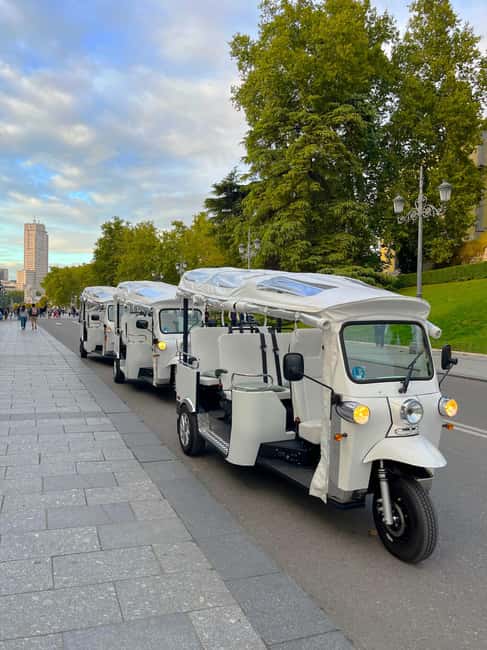
Madrid is one of those cities where walking is great, until it isn’t. Hills, distance, and the sheer number of squares can wear you out fast—especially if you’re also trying to understand what you’re seeing. A private electric tuk-tuk solves the first problem: getting you between major areas smoothly.
The second problem is interpretation. The guide doesn’t just point and name; you get quick explanations tied to the monuments and the neighborhoods you’re passing through. On this kind of tour, the city starts to make sense because you’re moving along the main threads: royal Madrid, old Madrid, museum Madrid, and modern Madrid.
And yes, it’s fun in a way that’s hard to fake. When the guide adds music during transitions or keeps people laughing, it changes the energy. For families, that matters. For adults who are tired after flights, it matters too.
You can also read our reviews of more tours and experiences in Madrid.


From Teatro Real to the Royal Palace: royal Madrid without the stress
The tour often starts with a scenic introduction at Teatro Real, which is a good “first listen” stop. It gives you context before you hit the big-ticket landmarks, and it sets up the feel of the central historic core.
Then comes the Royal Palace of Madrid, one of those places you can’t fully appreciate from a distance alone. You’ll get a photo stop and guided moments, and the timing can be especially nice if you’re there around late-day light. Even if you don’t plan to go inside, the palace area gives you scale—how this city was built to impress.
Right after, you move to Almudena Cathedral. This is more than a photo backdrop. The guide’s commentary helps you read the surrounding streets and why this stretch matters in Madrid’s story. If you’re someone who likes architecture but hates slow line-ups, the pattern here is practical: short exterior stops, useful info, and lots of chances to frame the shots.
Consideration: if you’re the type who wants long, ticketed interior time at major monuments, this won’t replace a museum day. It’s designed for guided viewing and photo stops, not prolonged entry.
Almudena to the Arab Wall: a quick history lesson you can see
From the cathedral area you’ll head toward the Arab Wall. This stop is great if you want history that’s visible, not just described. You’ll see remnants that connect Madrid to a much longer timeline than most first-time visitors expect.
Then you’re in the mix of gardens and defensive landscapes around the palace grounds—places like Campo del Moro. The tuk-tuk helps here because you can take in stretches of greenery and stone without feeling like you’re doing a long hike.
A road-to-view sequence matters. Stops like Puerta de Sant Vicent and the approach toward bridges let you understand how Madrid’s geography shapes movement. You start noticing sightlines—where the city opens up and where it funnels you back into streets.
Riverside drama at Segovia Bridge and Viaducto de Segovia
One of the smartest parts of this tour is the shift away from central plazas into water-and-structure views. The route includes the Segovia Bridge and the Viaducto de Segovia, which look fantastic from the tuk-tuk because you’re not fighting crowds or traffic lights at walking pace.
You’ll also pass alongside the Manzanares, which works as a mental reset. When you’re riding, you’re able to take in the scale of the river corridor and the way it balances the dense city blocks.
Then there’s Casa de Campo, often with a short photo stop and guided context. Even a few minutes here can feel like you’ve escaped the core—without losing time. If you’re traveling with teens or anyone who gets restless, this is the kind of change that keeps the tour from turning into “one monument after another.”
Plaza de la Villa to Mercado San Miguel: old-town Madrid in manageable pieces
Now you’re back into the historic center style of Madrid: squares, streets, and building textures that don’t look like anything else. The stop at Plaza de la Villa is a good anchor because it’s historic without being overwhelming. You get guided explanation, then you’re free to look around and soak it in for a moment.
From there, the tour goes toward Mercado San Miguel. This is one of the best places for understanding Madrid’s food culture at a glance. Even though the tour doesn’t include food or drinks, the area works well for orientation: you’ll see how close the dining scene is to the major pedestrian zones.
Then you hit Plaza Mayor. This square is famous for a reason, and the best way to experience it in a short tour is to pause, look up, and listen as the guide ties it to what you’ve already seen. You’ll also get chances to photograph without feeling rushed out of the frame.
Practical tip: if you want crisp photos, keep your camera ready as you enter squares. That’s where the geometry helps you, and the tuk-tuk positioning gives you clean angles.





La Latina and Calle Cava Baja: where the city gets personal
The tour moves into the neighborhood texture that most visitors miss if they stick to the biggest names only. You’ll pass by Sobrino de Botín, and then continue toward Calle Cava Baja and Plaza Tirso de Molina.
This stretch is perfect if you like street-level Madrid—places that feel lived-in even when you’re standing still. The guide’s commentary helps you connect the dots between squares, churches, and the way the streets were made for foot traffic.
You’ll also visit or pass near Real Basilica of Saint Francis the Great and Puerta de Toledo. These aren’t just detours. They add layers: religious architecture, city-wall history, and a sense of older defensive lines that explain why Madrid looks the way it does.
And if you’re curious about what’s behind the scenes of everyday life, stops like Iglesia de San Isidro and Calle de las Huertas give you that “oh, this is what people actually do” feeling. It’s not all monuments; it’s the streets between them.
Museum district clarity: from Congreso to Reina Sofía and Prado areas
At some point, you’ll cross into Madrid’s museum-and-institutions section. Expect a sequence that includes Congreso de los Diputados, the Museo Nacional Thyssen-Bornemisza, the Museo Nacional Centro de Arte Reina Sofía, and the Museo del Prado area.
What I like about this part is the pacing. The tour keeps museum-adjacent stops moving, but the guide’s live commentary helps you build a mental map. So later, if you choose to return for a specific museum, you’ll know where you are and why the area feels important.
You’ll also stop at or near Neptune Fountain and pass by Estación Atocha. These give you “major Madrid” cues—big infrastructure and big landmarks—so the city stops feeling like it’s made only of old stone.
Drawback to consider: this is still a touring format with photo stops and shorter guided moments. If you’re planning to do a full museum visit inside, you’ll likely want a separate day. Use this tour to get oriented and pick your museum priority.
Retiro Park to Puerta de Alcalá: a grand change of tempo
Then the mood shifts again. The tour includes Retiro Park and Puerta de Alcalá, and that change matters. Retiro gives you relief: greenery, open space, and an easy way to understand why Madrid is not only a city of monuments.
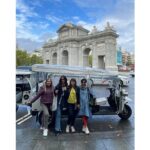
You’ll also head toward Puerta de Alcala with guided context. This is one of those “stand back and take it in” moments where a tuk-tuk is useful because you can reposition for the right angle quickly, without making you do a long walk to find the best perspective.
Later comes Las Ventas for a photo stop. It’s a different kind of landmark, and seeing it from the route gives you a sense of Madrid’s cultural range. If you want a tour that hits both historic and iconic local culture, this is part of why the itinerary works.
Bernabéu and the modern axis: Madrid’s big-league streets
Next, you’ll move through the modern Madrid corridors, including Santiago Bernabéu Stadium (photo stop), then the Paseo de la Castellana, Calle Serrano, Plaza Colón, and the National Library of Spain area.
I like this section because it prevents the “only old Madrid” trap. Madrid has serious modern identity, and you feel it when you’re riding through wider streets and large civic buildings. Even if you’re not a sports fan, the scale tells you something about the city’s growth.
You’ll also pass Gran Vía and Plaza de España, two areas that are basically shorthand for modern Madrid energy. The guide’s explanations are helpful here because these streets can feel like just “big streets” unless someone connects them back to the city’s story.
Cibeles, Palacio de Cibeles, Bank of Spain: the city’s power center
A highlight for many people is the stretch around Cibeles Fountain and the nearby civic architecture, including Palacio de Cibeles and the Bank of Spain.
From the tuk-tuk, this is a great “scale and symbolism” zone. You get the chance to frame the fountain and surrounding buildings without being stuck in a crowd for too long. The guide’s commentary can also point out how these areas function as Madrid’s ceremonial and administrative center.
This is one of those spots where you’ll feel your day turning into a set of clear images. If you take photos, this is where your camera will start filling up fast.
Parque del Oeste to Temple of Debod: the best finale for sunset light
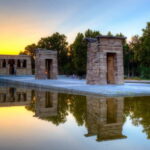
As you near the end, you’ll pass Rosaleda del Parque del Oeste and then arrive at Temple of Debod. This is the “finish strong” segment, often with a visit plus guided context, and a sunset-ready moment.
Why it’s such a good close: it’s one of the most visual “wow” stops on the route. The photo options are naturally better here because you’re looking for light, not just architecture. And the tour’s final stretch to Puerta del Sol as a drop-off gives you an easy place to keep exploring on your own afterward.
If you’re someone who likes your last memory to be atmospheric rather than rushed, this ending makes sense.
Price and value: what $45 buys you (especially for a small group)
The price is $45 per person, and the big value lever is that it’s a private group with a maximum capacity of 4. That means you can split costs within your group while still getting personalized guiding.
It’s not a bargain if you’re traveling solo and you only care about a couple of stops. But it is strong value if you’re trying to get orientation fast—first-time visitors, families, and anyone who wants a guided introduction without hours of walking.
You also get helpful add-ons built for comfort and pacing: photo stops, live commentary, and the ability to adjust your route. There’s even music on request, which sounds minor until you’re the person who gets stuck listening to constant talking for hours—this helps transitions feel less robotic.
One more value note: tickets aren’t included, and many stops are outdoor. That can actually be good value, because you’re spending your limited time on what you can see immediately, instead of waiting in lines all day. If you later decide you want deeper museum time, you’ll have a map of priorities.
Comfort, timing, and what to expect on the day
The tour is designed to feel relaxed and private, not a sprint. Still, it’s built around many key points, so you’ll want to keep your energy steady, especially if you choose a shorter duration.
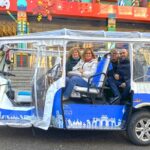
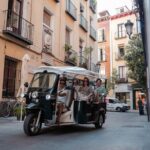
In winter, the tuk-tuks come with wind and rain protection and blankets for extra comfort. On colder days, that changes the experience from grumpy to doable. And if you’re traveling with a pet, the tour is pet-friendly, which is not something you can take for granted with sightseeing logistics.
Also, you’ll need a passport or ID card. That’s one of those small details that can ruin your day if you forget it.
Who this Madrid tuk-tuk tour is best for
This experience fits best if you want quick orientation with strong photo opportunities and real guidance. It’s a good match for:
- First-time visitors who want a guided “Madrid map” without long walks
- Families who need pacing control and someone handling the narration
- Language-diverse groups, since guides can work in Arabic, English, French, Italian, Portuguese, and Spanish
- People who appreciate accessible options, since the tour is wheelchair accessible
If you’re a hardcore “I only care about one museum and nothing else” traveler, you might prefer a single-site plan instead. This is a move-and-see tour.
Should you book this Madrid electric tuk-tuk tour?
If your goal is to see a lot of Madrid in a short time, build a clear mental map, and end with a strong sunset moment at Temple of Debod, I’d book it. The private format is the real strength: you get tailored commentary and more freedom than large-group tours.
I’d think twice if you’re only interested in a few specific interior visits, or if you’re sensitive to a tight schedule—especially on the 1-hour option. In that case, consider choosing a longer duration so the stops don’t feel rushed and you can actually linger where you want.
In short: if you want panoramic highlights, photo stops, and a guide who keeps the ride fun and understandable, this is a smart way to start or refresh your Madrid trip.
FAQ
How long is the Madrid private tuk-tuk tour?
It runs for 1 to 3 hours, depending on the option you choose and how the timing works out on the day.
What’s the price per person?
The tour costs $45 per person.
What’s included in the tour?
It includes a 3-hour historical and ecological tour in an elegant tuk-tuk, live commentary, photo stops, outdoor visits to monuments and landmarks, music on request, dining tips/restaurant suggestions, and flexibility to adjust the itinerary.
Are tickets to enter monuments included?
No. Tickets to get into monuments are not included.
Where do we meet for the tour?
The meeting point is Calle de Vergara 1, between the Starbucks in Plaza de Isabel II and Calle de Carlos III.
Is the tour wheelchair accessible?
Yes. The tour is listed as wheelchair accessible.