REVIEW · LISBON
Lisbon with Tukxi: Historical Secrets by Tuk-Tuk
Book on GetYourGuide →Operated by TUKXI MADEIRA - TURISMO, UNIPESSOAL LDA · Bookable on GetYourGuide
Lisbon’s hills feel smaller from a tuk-tuk. This 2-hour private ride threads Mouraria, Alfama and Graça, with viewpoint stops and historic landmarks—including Sé Cathedral—while a private driver-guide explains what you’re seeing. I love how you get big-seeing moments without spending the whole day walking uphill. One heads-up: it’s open-air and the old streets can be bumpy, so think hat, water, and patience for cobblestones.
What really makes this work is how the tour moves between neighborhoods and outlooks fast, without feeling rushed. You’ll hit the classic stops like Portas do Sol and the National Pantheon area, then follow it with the feel of Mouraria’s street life and Graça’s hilltop views. If you’re lucky enough to get a guide like Claudio or Ingo, the vibe tends to stay relaxed and responsive to your pace.
In This Review
- Key Points You’ll Care About
- Price and Value: What You’re Paying For
- How the Open-Air Tuk-Tuk Changes the Lisbon Experience
- Alfama for an Hour: When Lisbon Feels Like an Old Story
- Miradouro de Santa Luzia: The Quick View That Sets the Tone
- Lisbon Cathedral (Sé): How One Monument Anchors the Old City
- Calçada da Amália and Portas do Sol: Tiles, Texture, and That Famous Overlook
- National Pantheon of Santa Engracia: A Landmark You’ll Notice After
- São Vicente de Fora Church: The Quiet “Hold Still” Moment
- Mouraria for 15 Minutes: Street Life, Food, and a Crossroads Feel
- Graça for an Hour: Hilltop Lisbon and the Best View Setup
- Miradouro da Graça and Miradouro da Senhora do Monte: The Two-Look Payoff
- Fado Atmosphere and the Food Moment: How to Use This Tour Best
- Who This Tour Fits (and Who Should Think Twice)
- Should You Book Lisbon with Tukxi: Historical Secrets by Tuk-Tuk?
- FAQ
- What is the duration of the Lisbon with Tukxi tour?
- How much does the tour cost?
- Is pickup included?
- What neighborhoods and areas does the tour cover?
- Which landmarks are included in the stops?
- How long do you spend in each neighborhood or stop?
- What languages are offered for the live guide?
- Is the tour accessible for wheelchair users or suitable for everyone?
Key Points You’ll Care About

- Private group, up to 4: you don’t get stuck waiting for strangers to find the right street.
- Major viewpoints in 2 hours: Santa Luzia, Portas do Sol, Graça, and Senhora do Monte keep the “photo payoff” high.
- Cathedrals plus neighborhoods: you’re not only looking at buildings, you’re learning why the areas feel the way they do.
- Mouraria and Alfama side-by-side: multi-ethnic street energy in Mouraria, older labyrinth streets in Alfama.
- Graça hill views: you’re positioned for long looks over the city, with São Jorge Castle nearby.
Price and Value: What You’re Paying For
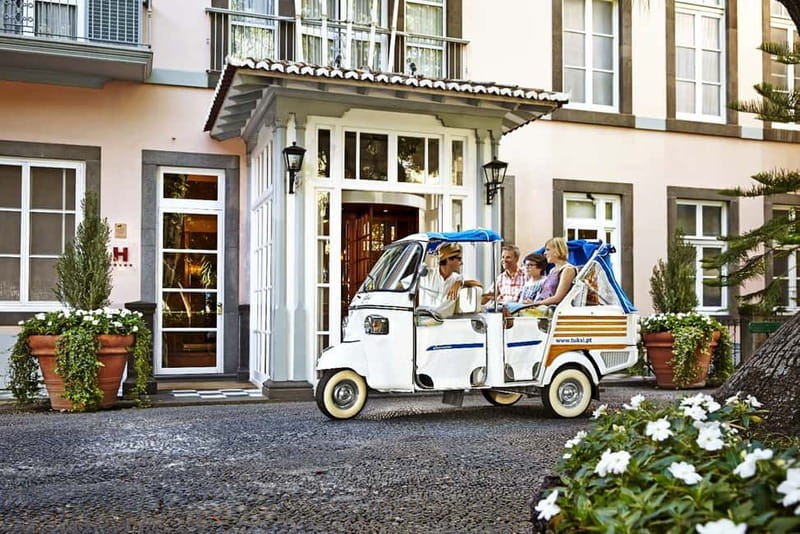
At $160 per group (up to 4), this is priced like a proper private experience, not a mass-market bus tour. For me, the value comes from three things you can’t easily replicate on your own in the same time window:
First, the tour is two hours long, which matters in Lisbon. The city rewards you for seeing several layers, but the hills are real. A tuk-tuk helps you cover ground without turning your day into a stair workout.
Second, you get a live guide who can point out what’s easy to miss. Lisbon’s neighborhoods are full of cues—street layout, architecture clues, old tilework, the way people use public spaces. When someone narrates that while you’re moving, it clicks faster.
Third, it includes free pickup from your hotel or cruise ship. That reduces the “where do we meet?” friction, and it means you can start sightseeing almost immediately.
You can also read our reviews of more tours and experiences in Lisbon.



How the Open-Air Tuk-Tuk Changes the Lisbon Experience
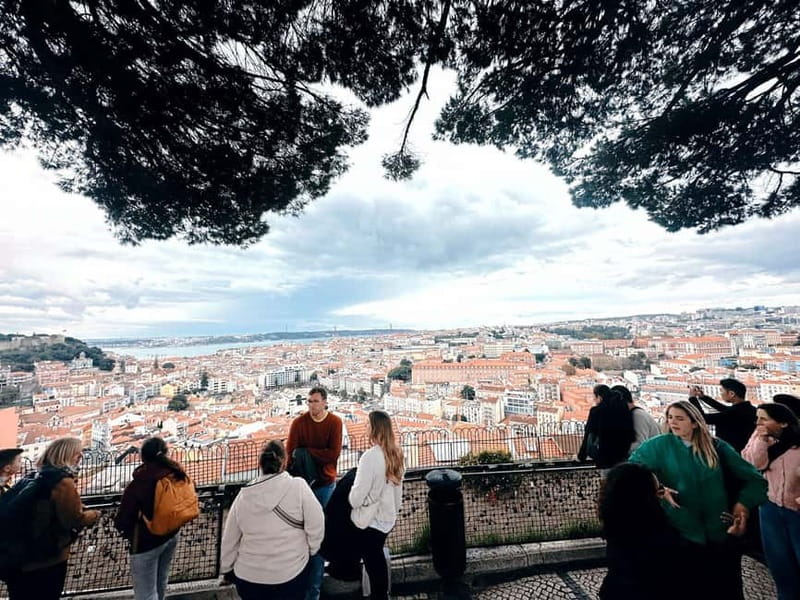
Lisbon is famous for viewpoints, but most people only experience them as a set of crowded stops. This tour’s format changes that. Being in an open-air tuk-tuk means you’re constantly looking out at the city while you travel—rooftops, church domes, and the way neighborhoods stack on the hills.
The other big benefit: you’re not just transported. You’re actively guided through three areas—Mouraria, Alfama, and Graça—so the route tells a story. The guide doesn’t only list sights. You’ll get context about why Mouraria feels multi-ethnic, why Alfama is the oldest-feeling district, and why Graça feels like a vantage point above the city.
One practical consideration: because the streets around Alfama and Graça are narrow and uneven, you should expect some motion. If you’re the type who gets carsick easily, consider that before you go. And if you’re bringing anyone with mobility issues, note that this tour is not suitable for wheelchair users.
Alfama for an Hour: When Lisbon Feels Like an Old Story
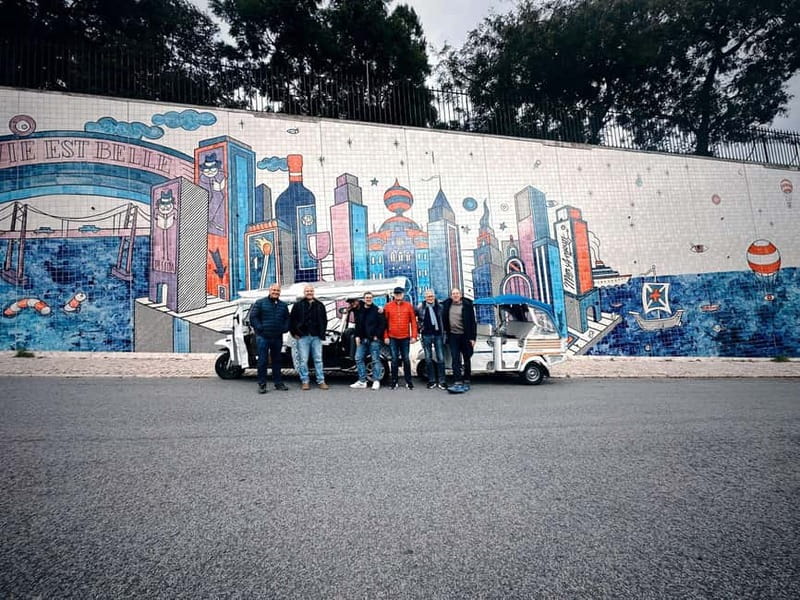
You start in Alfama, and the tour makes smart use of your time. In about an hour, you’re set up to experience the district as something more than a backdrop. This is the area with winding lanes, stone-paved terraces, and those small arches that make you feel like you’ve stepped back in time.
Alfama is also where Lisbon’s fado culture lives. Even if you don’t go inside a fado house on this exact outing, you’ll feel the atmosphere: old stones, intimate streets, and a sense that this neighborhood has always been designed for close listening. If music matters to you, this is the kind of setting where you’ll start connecting the dots quickly.
What I like most here: you don’t just skim the famous corners. You get enough time to notice the textures of the neighborhood—how people move through the streets, how viewpoints frame the skyline, and how church architecture pops out between alleys.
Possible drawback: Alfama is not a flat neighborhood. Comfortable shoes matter, and the tuk-tuk ride won’t replace the need for short walks and standing during viewpoint stops.
Miradouro de Santa Luzia: The Quick View That Sets the Tone

After Alfama, you’ll make a short stop at Miradouro de Santa Luzia. This is one of those Lisbon viewpoints that works like a reset button. In a few minutes, you see the city’s layers clearly—streets curving below, rooftops stepping down, church silhouettes cutting across the skyline.
The value of including this stop early is simple: once you’ve seen the layout from above, everything you learn about the neighborhoods makes more sense. Streets aren’t random here. They’re shaped by hills, history, and the way people needed to move.
Practical tip: keep your camera ready, but don’t treat it like a photo-only stop. Look for the relationship between rooftops and church towers first. Photos are the bonus.
Lisbon Cathedral (Sé): How One Monument Anchors the Old City
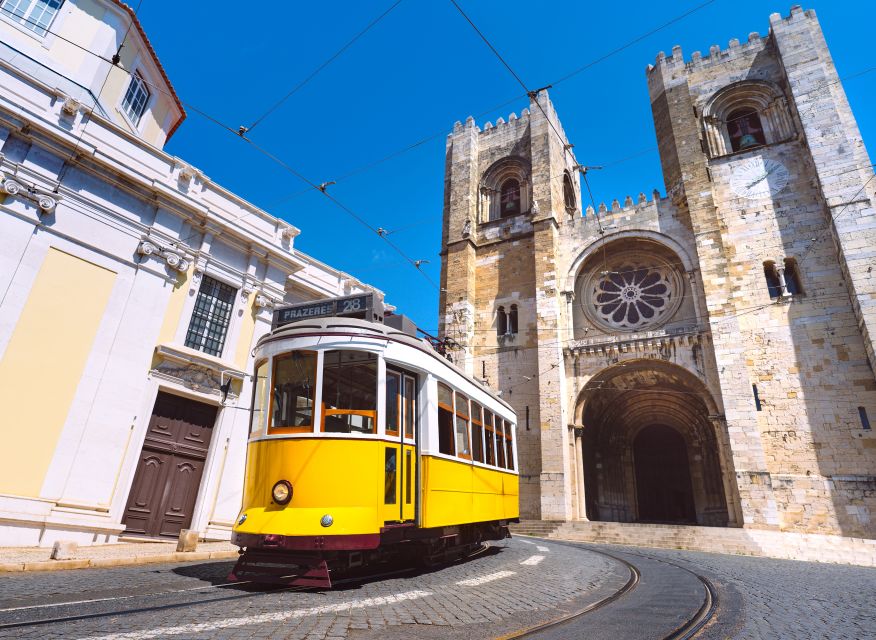
Next comes Lisbon Cathedral (Sé Cathedral). Even if you only spend a few minutes here, it’s a strong anchor point. Sé helps you understand how the city’s identity crystallized around major religious and civic structures. It’s not only impressive; it’s strategic in how it positions you within the old town.
Why this stop is worth it: it ties together the neighborhood story. You start in a lived-in district (Alfama), then land at a landmark that helped define Lisbon’s early “center of gravity.” From there, the route continues toward other viewpoints and monumental sights.
Consideration: because your time is shared among multiple stops, plan for “quick appreciation,” not a long, slow cathedral visit.






Calçada da Amália and Portas do Sol: Tiles, Texture, and That Famous Overlook
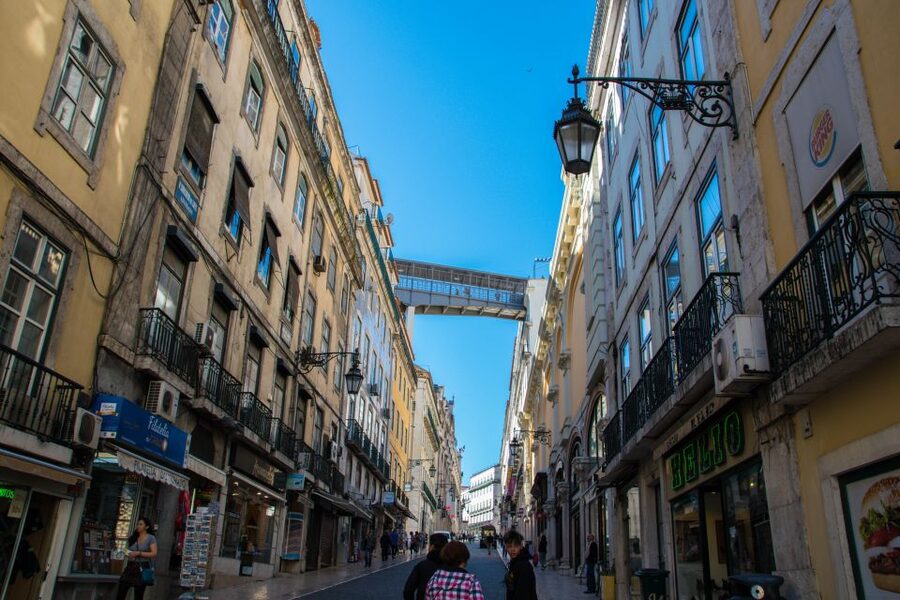
Your route includes a stop at Calçada da Amália, which is tied to Lisbon’s musical heritage. Even if you’re not a deep-dive fado historian, walking through a street named for Amália is a reminder that Lisbon’s culture lives in the pavement as much as in theaters and bars.
Then you head to Portas do Sol. This is the viewpoint where Lisbon really shows off. You’ll have time to look out over the city from the terrace, and it’s an easy stop to enjoy even if you’re not trying to “do sightseeing in a checklist way.”
What makes this pairing smart: Calçada da Amália adds cultural texture, while Portas do Sol gives you a physical sense of space—how the neighborhood sits within the wider city.
Possible drawback: viewpoints can be windy or bright. Bring sunglasses and plan to move slightly around the platform for better angles.
National Pantheon of Santa Engracia: A Landmark You’ll Notice After

You also spend a short visit at the National Pantheon of Santa Engracia. This isn’t just a quick look; it’s a signpost. The Pantheon helps you understand Lisbon’s blend of old and later-era identity—how places of memory and monumentality sit within the daily city fabric.
Because it’s only a brief stop, you’ll want to approach it with a simple mindset: look for the structure’s standout features first, then let the guide’s explanation help you connect it to the neighborhood’s story.
São Vicente de Fora Church: The Quiet “Hold Still” Moment
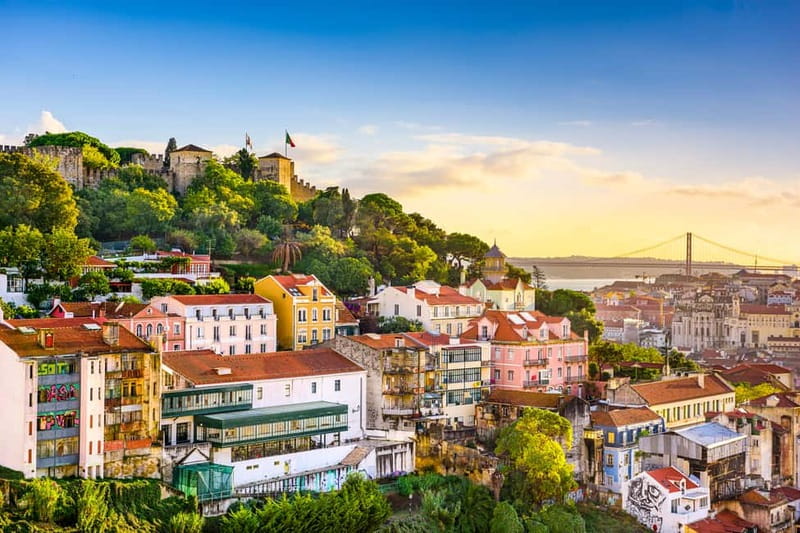
The tour includes time at Monastery of São Vicente de Fora (São Vicente de Fora Church). This is one of the stops where slowing down is part of the value. Even a short pause here feels different than a pure viewpoint stop, because church architecture invites a kind of stillness—enough time to notice details rather than just the skyline.
If you’re traveling with someone who loves churches, this is a good one to include. If you’re not, don’t worry: the route still keeps momentum, and the guide can steer the tour to match your interest level.
One note from the style of guide people mention: tours can be flexible. In past experiences, guides like Claudio were praised for adjusting the day so it didn’t become a marathon of churches. If you prefer fewer indoor stops, you have a chance to steer it that way.
Mouraria for 15 Minutes: Street Life, Food, and a Crossroads Feel
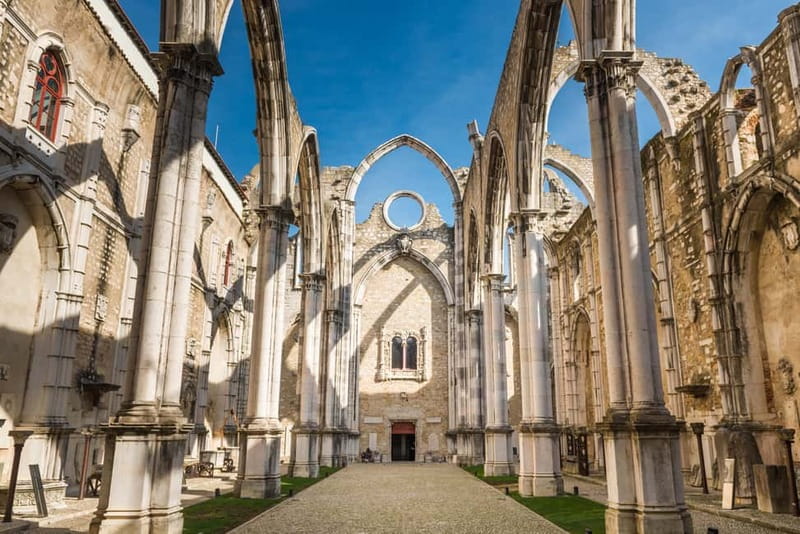
Next up is Mouraria, and it’s worth treating those 15 minutes as a taste, not a full neighborhood immersion. Mouraria is described as the multi-ethnic part of the city where people and food from all over the world show up. That means the vibe isn’t “museum quiet.” It’s street-level. It’s personal.
In that short stop window, you’re likely to notice small contrasts: different languages, different storefront styles, and the way locals use side streets like shortcuts. This is also where you’ll often see street art, which adds another layer to the cultural mix.
What I like here: Mouraria provides balance. After the monumental feel of cathedrals and monasteries, you get something more everyday. It keeps the tour from feeling like only big buildings and scenic overlooks.
Possible drawback: 15 minutes won’t let you “wander with zero structure.” If you want to linger for snacks or shop browsing, consider saving a bit of your own time after the tour.
Graça for an Hour: Hilltop Lisbon and the Best View Setup
You spend about an hour in Graça, a historic district on one of Lisbon’s seven hills. Graça matters because it changes your perspective. You’re not only seeing Lisbon—you’re feeling the city’s vertical layout, and you’re getting close to São Jorge Castle (or at least the castle area), which sits above the streets like a landmark for the whole hill.
And yes, Graça is known for views. In this tour, you get dedicated viewpoint time, so you’re not just walking through the neighborhood—you’re catching it from above in a few key spots.
Miradouro da Graça and Miradouro da Senhora do Monte: The Two-Look Payoff
The route includes Miradouro da Graça and Miradouro da Senhora do Monte. Together, these stops do something clever: they let you compare angles. The city looks similar from every viewpoint, but not identical. Minor changes in position can make different districts stand out.
These viewpoint stops are also where the tour’s “2 hours” strategy pays off. Instead of spending your entire day climbing, you get a curated version of hilltop Lisbon—enough time to look, enough time to feel, and enough time to move on before you’re exhausted.
Practical tip: keep an eye on your footing near viewpoint edges and follow guide direction for safe spots to pause.
Fado Atmosphere and the Food Moment: How to Use This Tour Best
Even without a full fado night, this tour puts you in the right neighborhoods for fado culture. Alfama’s streets set the tone, and Mouraria’s everyday energy keeps things grounded.
There’s also mention of a sweet stop possibility—someone has been served fresh nata from a well-regarded bakery during a tour like this. I can’t promise it’s guaranteed every time, but if your guide mentions a quick treat, it’s a classic Lisbon move: small, local, and timed so it doesn’t hijack your sightseeing.
My advice: if you care about food, plan to ask the guide for the right kind of recommendation. In these neighborhoods, the best bites often come from people who know the streets, not just the biggest lines.
Who This Tour Fits (and Who Should Think Twice)
This Lisbon with Tukxi tour is a strong match if you:
- Want a private, short way to see Alfama, Mouraria, and Graça
- Like moving between viewpoints (miradouros) rather than doing only indoor sights
- Appreciate city context from a live guide while you’re rolling through neighborhoods
- Travel as a small group (it’s priced per group up to 4)
It’s also listed as not suitable for:
- Children under 3 years old
- Wheelchair users
- Pregnant women
And there are luggage limits: no oversize luggage or large bags. If you’re traveling light, you’ll feel more comfortable.
If you’re traveling with kids, child seats can be provided if you let the operator know in advance, and at least one family has reported a child seat being offered.
Should You Book Lisbon with Tukxi: Historical Secrets by Tuk-Tuk?
If you want an efficient, story-driven introduction to Lisbon’s historic hills, I’d book it. The mix of Sé Cathedral, the Pantheon area, São Vicente de Fora, and multiple miradouros in just 2 hours is exactly how you get the city’s “wow” without turning the day into an all-day shuffle.
Skip it if you’re looking for a slow, deep walking tour with lots of indoor time. This is a smart “best-of-the-old-city” format, not a full cathedral marathon. Also think twice if you’re sensitive to bumpy open-air rides.
FAQ
What is the duration of the Lisbon with Tukxi tour?
It lasts 2 hours.
How much does the tour cost?
The price is $160 per group up to 4.
Is pickup included?
Yes. There is free pickup from your hotel or cruise ship.
What neighborhoods and areas does the tour cover?
You’ll visit Mouraria, Alfama, and Graça.
Which landmarks are included in the stops?
Key stops include Sé Cathedral, Portas do Sol viewpoint, the National Pantheon of Santa Engracia, and São Vicente de Fora Church.
How long do you spend in each neighborhood or stop?
Time varies by stop, including about 1 hour in Alfama, 15 minutes in Mouraria, and 1 hour in Graça, with shorter viewpoint visits in between.
What languages are offered for the live guide?
The guide is available in Spanish, English, Portuguese, and German.
Is the tour accessible for wheelchair users or suitable for everyone?
No—it’s not suitable for wheelchair users, and it’s also listed as not suitable for pregnant women and children under 3.