REVIEW · MADRID
Madrid: Tuk-tuk tour of the historic center and highlights
Book on GetYourGuide →Operated by Tuk Tuk Baloo-go · Bookable on GetYourGuide
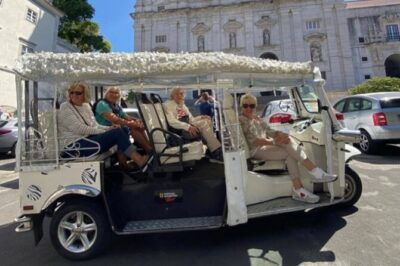
Madrid can feel big on day one. This electric tuk-tuk tour keeps it fun and human, rolling from Plaza de la Villa toward top sights like Plaza Mayor, the Royal Palace area, and Gran Vía without the stress of parking or constant walking.
What I like most is the small-group feel (limited to 4) paired with a guide who can talk art, history, and culture in your language—and yes, the guide will take pictures of you along the way. The other strong win is practical flexibility: you can tailor stops to what you care about, so the “highlights” don’t feel like a generic bus route.
One drawback to think about: because it’s an open tuk-tuk, your viewing angle depends on where you sit, and if rain hits you’ll rely on transparent waterproof covers plus blankets. Also, one review flagged a language mix-up in German, so it’s worth double-checking your preferred language when booking.
In This Review
- Key highlights and why they matter
- Why an electric tuk-tuk makes sense for Madrid’s first hours
- Starting at Plaza de la Villa: your “Madrid bearings” moment
- Plaza Mayor and Mercado de San Miguel: the classic core, without the crowd fatigue
- La Latina and Lavapiés-adjacent streets: the neighborhoods feel like characters
- Barrio de las Letras and Casa Museo Lope de Vega: literature on a street map
- Neptune Fountain, Cibeles, and Puerta de Alcalá: photo stops that actually frame the city
- Paseo del Prado and Salamanca District: art and elegance in the same breath
- Retiro Park and Gran Vía: where Madrid changes pace
- Temple of Debod and Jardines de Sabatini: viewpoints with a story
- Royal Palace area, Almudena Cathedral, and Basilica of San Francisco el Grande
- How long is enough: 1 hour vs 2 hours
- Guide quality and the small-group advantage (including Valentina’s example)
- What to watch for: seating, rain gear, and language fit
- Is it worth the $35 price?
- Who should book this tuk-tuk tour
- Should you book this Madrid electric tuk-tuk tour?
- FAQ
- FAQ
- How long is the Madrid historic center and highlights tuk-tuk tour?
- Where do I meet the tuk-tuk?
- Is the tour price per person, and what does it cost?
- What’s included in the tour?
- Are monument tickets included?
- Is the tuk-tuk tour wheelchair accessible?
- What ages are allowed for kids?
Key highlights and why they matter
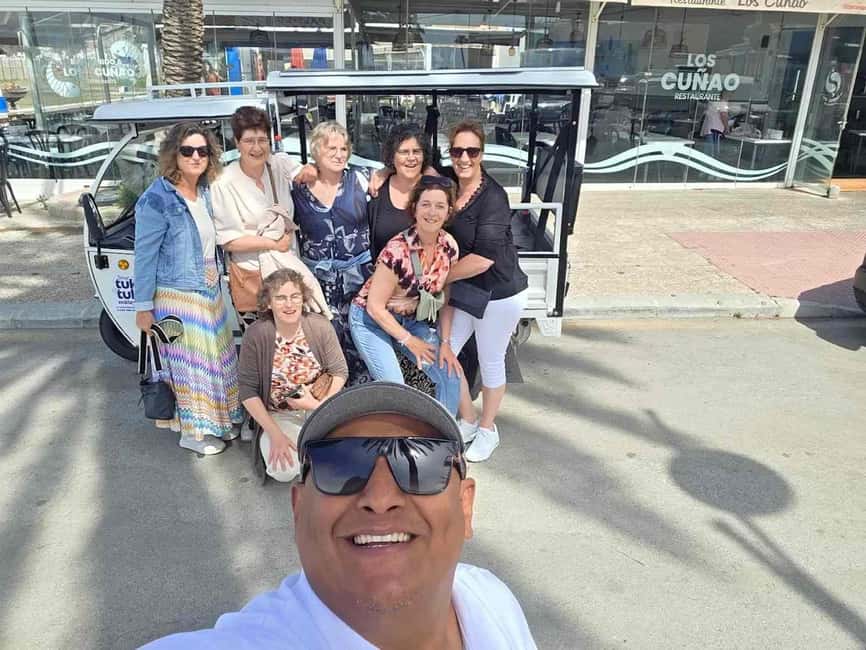
- Small group (up to 4): easier questions, fewer crowds, and more time at key photo spots
- Qualified guide in multiple languages: you get context for what you’re seeing, not just names
- Photo help included: the guide takes pictures so you’re not constantly handing your phone to strangers
- Stops you choose: you can steer some of the route toward your interests
- Electric + open-air ride: low-effort sightseeing that still feels like Madrid on the move
- Two tour lengths: 1 hour for quick highlights, 2 hours if you want more districts and viewpoints
Why an electric tuk-tuk makes sense for Madrid’s first hours
Madrid spreads out in a way that can punish a first-day plan: you want the big sights, but you don’t want to spend the whole day crossing town on foot. This tour uses an electric tuk-tuk to stitch together classic squares, theater-and-arts neighborhoods, and major monuments at a pace that feels doable even if you’re arriving jet-lagged.
It also avoids a common Madrid problem: by the time you’ve queued, walked, and figured out where things are, the day is half gone. Here, the ride does the logistics for you, while the guide focuses on what matters—architecture, street stories, and why specific corners gained their fame.
You can also read our reviews of more tours and experiences in Madrid.


Starting at Plaza de la Villa: your “Madrid bearings” moment

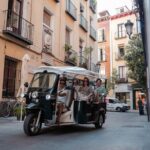
You begin near Plaza de la Villa, at the commemorative plaque for Iglesia de San Salvador. This is a smart launch point because you’re already close to the historic core, so the tour builds naturally from the old center toward the modern showpieces.
In practice, plan to arrive a few minutes early and be ready to spot the tuk-tuk. One negative review mentioned a missed pickup even though the person arrived on time, so I’d treat the meeting spot like the start of a timed connection: show up early, and stay visible.
Plaza Mayor and Mercado de San Miguel: the classic core, without the crowd fatigue
The early stretch sets the tone fast. You roll through the scenic approach to Plaza Mayor, then settle into the energy of one of Madrid’s most iconic squares—historic buildings close together, people moving through, and that unmistakable “this is the center of things” feeling.
From there you pass by Mercado de San Miguel, one of those places where food culture is part spectacle, part tradition. Even if you don’t stop for a full meal, you get the value of orientation: you learn what this area is known for, and you see the kind of lively, central Madrid rhythm that’s harder to catch when you only walk.
A small detail that helps: the tour keeps moving, so you don’t end up stuck in one spot too long before you’ve seen the full map of the day.
La Latina and Lavapiés-adjacent streets: the neighborhoods feel like characters
After the main squares, the tour shifts into narrow-street Madrid—what makes the city memorable even after you’ve stopped chasing major monuments. You’ll ride through La Latina, and the guide’s commentary is built for street-level understanding, not museum lecturing.
You also visit Iglesia de San Andres, another stop that works well on a tuk-tuk tour. Churches here aren’t just “pretty stops.” They anchor the street grid and show you how older Madrid organized daily life.
This stretch is where a guide earns their keep. The best tours aren’t only about where to go—they explain why a neighborhood’s layout, architecture, and famous streets matter. With this one, the guide’s job is exactly that, and the format makes it easy to keep your eyes on the scenery instead of constantly navigating.
Barrio de las Letras and Casa Museo Lope de Vega: literature on a street map
On the longer option, you get even more time around the Barrio de las Letras, the writers’ quarter linked with names like Lope de Vega and Cervantes. Even if you don’t consider yourself a literature person, this district rewards curiosity because the streets feel built around stories.
You’ll ride by Casa Museo Lope de Vega, which helps put the idea of writer-streets into a physical context. It’s a reminder that Madrid’s cultural fame isn’t only about big institutions; it also lives in the neighborhoods where people worked and argued and wrote.
If you’re traveling with teens or older kids, this portion can also make Madrid click. It’s less “you must care about art,” more “here’s why people cared enough to write.”






Neptune Fountain, Cibeles, and Puerta de Alcalá: photo stops that actually frame the city
Madrid has a set of iconic city symbols, and this tour uses them smartly. You’ll hit major photo moments like the Neptune Fountain, then later see Fuente de Cibeles—both great for quick photos because they’re easy to recognize and fun to compare in person.
You’ll also have a photo stop at Alcalá Gate (Puerta de Alcalá). Think of this as a checkpoint: once you’ve seen it from the street, you start understanding Madrid’s axis and how “the center” connects to everything else.
These are the kinds of stops that can feel like boring boxes on a standard tour. Here, the key is timing and motion—you see them while the day is still moving, and you get context from the guide instead of only a postcard view.
Paseo del Prado and Salamanca District: art and elegance in the same breath
The route includes Paseo del Prado, a corridor that makes it easy to understand why Madrid is known for art. Even when monuments aren’t entered, you can still sense why this area became the place for major collections and cultural life.
You’ll also pass through the Salamanca District, which adds contrast. This matters because Madrid isn’t only medieval stone and crowded markets—it’s also grand avenues and refined neighborhoods built for walking, shopping, and seeing people see you.
If your plan includes museums later (or a someday return), this tuk-tuk ride helps you pick where you’ll want to spend hours on foot later.
Retiro Park and Gran Vía: where Madrid changes pace
One of the best parts of this tour is the shift from streets and monuments into big-space Madrid. You’ll visit Retiro Park, and it works well as a break in the middle of sightseeing. Green space helps you reset your eyes and legs, especially if you’ve been doing museums or long walks.
Then comes Gran Vía, Madrid’s famous boulevard. This is the moment when the city’s modern side comes forward—cinema facades, theater energy, and a very different tempo than the historic lanes earlier in the ride.
I like that the tour doesn’t treat Gran Vía as the only “wow.” You experience it as one chapter in a bigger story: older Madrid to city power center to modern boulevard.
Temple of Debod and Jardines de Sabatini: viewpoints with a story
On the route, you get a dedicated photo stop at Temple of Debod for about 10 minutes. This stop is worth it because Temple of Debod is a different kind of Madrid landmark: it feels like a viewpoint moment, not only a landmark photo.
You’ll also pass through Jardines de Sabatini, near the Royal Palace side. Gardens are a smart inclusion here because they soften the ride’s movement from grand architecture into space where you can breathe and take pictures without fighting street traffic.
Royal Palace area, Almudena Cathedral, and Basilica of San Francisco el Grande
The tour includes stops in the Royal Palace orbit and the Almudena Cathedral area. You can expect photo time at Almudena Cathedral (about 5 minutes). These short stops matter because you’re not losing hours in lines you haven’t planned for—you’re collecting angles and understanding what sits near what.
On a longer route, you can also catch Viaducto de Segovia (a scenic view stop) and Puerta de Toledo. The inclusion of Puerta de Toledo and the Royal Basilica of Saint Francis the Great (Basilica of San Francisco el Grande) gives your day a “Madrid beyond the postcard” feeling, without requiring a full second day.
This is one place the tuk-tuk format helps: you can see these larger structures from a better vantage point than a cramped sidewalk would allow.
How long is enough: 1 hour vs 2 hours
If you only have a short window, the 1-hour option is a solid way to get your bearings: squares first, then key highlights. You’ll still see major landmarks like Plaza Mayor and the broader central highlights, and the ride helps you cover ground without burning your energy.
The 2-hour option adds extra neighborhoods and museum-area corridors, including the Barrio de las Letras and big-name museum surroundings like Prado and Reina Sofía, plus extra parks and scenic viewpoints. This is the better choice if you want the city’s layers: historic center, literary district, major avenues, and green breaks in one loop.
If you’re the type who gets restless during long museum days, the 1-hour version might feel easier to enjoy. If you like hearing stories and seeing districts, go for 2 hours.
Guide quality and the small-group advantage (including Valentina’s example)
Because the group is limited to 4 participants, the guide can actually pace the conversation. That matters for families and couples alike. You can ask follow-ups, and the guide isn’t juggling a crowd bigger than most restaurants.
There’s also a clear pattern in positive feedback: the guides come across as genuinely friendly and prepared, with good driving and interesting explanations. One name you’ll hear in the feedback is Valentina, praised for interesting storytelling and as a competent driver—so if she’s part of your departure, that’s a promising sign.
And yes, the guide takes pictures. That’s small, but it’s practical. If you’ve ever tried to get decent shots in Madrid while dodging pedestrians, you know how much easier this is when someone local handles the timing.
What to watch for: seating, rain gear, and language fit
This is an open electric tuk-tuk. The good news: if it rains, you’ll use transparent waterproof covers and you’ll have blankets if you get chilly. The practical downside is that open-air touring changes how you experience the city—sound and breeze are part of it, and you’ll want to dress for moving weather.
Sightlines are another reality. One review noted that the tuk-tuk seat setup can block the view forward for some riders, especially if you’re seated higher. My advice: if you care about seeing what’s directly in front, ask where best to sit when you arrive.
Language can also affect how much you feel you’re getting out of the tour. The tour offers English, Spanish, German, Italian, and Portuguese, but one experience flagged that a German booking couldn’t happen as planned and English ended up working. If you’re taking the tour primarily for language comfort, I’d confirm your assigned language before you head out.
Is it worth the $35 price?
At $35 per person for 1–2 hours, this is priced like a “smart shortcut” experience, not a budget taxi alternative. The value comes from three things that add up fast in Madrid: the guide’s explanation, the ability to cover a lot of ground with less walking, and the built-in photo help.
Since tickets to monuments aren’t included, you’re mostly seeing sights from the street with photo stops. That’s exactly why the price can stay reasonable. You’re paying for access to perspective—where to look, what to notice, and how the neighborhoods connect—rather than paying for full museum admissions.
If your day plan includes more museum time later, the tuk-tuk tour becomes a high-leverage start. You’ll know where to return and what you want to study more closely.
Who should book this tuk-tuk tour
This is a great match if you:
- want a fun, low-effort way to hit a lot of highlights without long walks
- like guided context for architecture and street history
- are traveling with family and want a format that keeps kids interested
- value photo support and a small-group experience (up to 4)
It’s also a good way to spend a “getting oriented” afternoon before you commit to longer museum days.
Should you book this Madrid electric tuk-tuk tour?
Book it if you want a first-day or second-day plan that mixes iconic landmarks with real neighborhood streets, while keeping the pace easy and the explanations guided. The small-group limit and guide picture service are the kind of practical touches that make a difference in how good your day feels.
Consider a different option if you’re extremely sensitive to viewing angles in open vehicles, or if you need uninterrupted content in one specific language. If that’s you, double-check the language you’re booking and plan to sit where you can see comfortably.
FAQ
FAQ
How long is the Madrid historic center and highlights tuk-tuk tour?
It runs for 1 or 2 hours, depending on the option you choose.
Where do I meet the tuk-tuk?
The guide meets you in front of Plaza de la Villa.
Is the tour price per person, and what does it cost?
The price is listed as $35 per person.
What’s included in the tour?
You get a 1 or 2-hour ride by electric tuk-tuk, a live guide in your language, and the guide will take pictures of you. Skip-the-ticket-line is also listed as included, while monument tickets are not.
Are monument tickets included?
No. Tickets to monuments are not included.
Is the tuk-tuk tour wheelchair accessible?
It’s listed as wheelchair accessible, with restrictions: non-folding wheelchairs, baby carriages, and electric wheelchairs are not allowed.
What ages are allowed for kids?
Children under 4 years aren’t suitable, and kids under 15 must be with an adult.