REVIEW · JAIPUR
Jaipur: Private Full-Day City Tour by Tuk-Tuk or Car
Book on GetYourGuide →Operated by Rajasthan India Tour Driver · Bookable on GetYourGuide
Jaipur starts with a smell of flowers. This private full-day tour is a smart way to see the city’s big-name sights and the quieter rituals around them, all while riding in your own vehicle with a local storyteller.
I particularly like the private tuk-tuk (or car) setup, because it keeps the day flexible and comfortable, even when you want extra photos. And I like how the guide ties the stops to real context—from architecture and UNESCO sites to day-to-day culture, with English or Hindi support.
One thing to plan for: monument entrance fees aren’t included, and there’s a moderate amount of walking at several stops (comfortable shoes are non-negotiable).
In This Review
- Key moments worth your attention
- How a 10-hour private tour really feels in Jaipur
- Choosing your wheels: tuk-tuk vs car (and why you should care)
- Morning starts at 7:00 AM: the Wholesale Flower Market experience
- Amber Fort: where the views are big, but the story matters more
- Panna Meena ka Kund stepwell: calm, geometry, and a rare pause
- Jal Mahal on Man Sagar Lake: a photo stop that shouldn’t be skipped
- City Palace museum time: royal rooms with a living footprint
- Jantar Mantar: the best kind of science story
- Hawa Mahal: the facade that rewards patience
- Albert Hall Museum: your structured break with museum value
- Hand-block printing factory: craft you can actually see being made
- Lunch and local food: build it into the day (without losing time)
- Price and real value: what $10 for up to 3 gets you
- What the best guides do for you (and what you should look for)
- Practical tips so your day runs smoothly
- Who should book this Jaipur tuk-tuk day—and who might not love it
- Should you book this Jaipur private full-day tour?
- FAQ
- What’s included in the Jaipur private full-day tour?
- Is lunch included?
- Are entrance fees included for monuments?
- How long is the tour?
- Where do pickup and drop-off happen?
- Do I need a passport or ID?
- Is there a dress code?
- What languages does the driver/guide use?
Key moments worth your attention
- Flower market timing (7:00 AM onward): see how locals move through the day before the city fills in.
- Amber Fort views from the hill: the fort complex is a photo magnet, but the guide makes it make sense.
- Panna Meena ka Kund stepwell: you’ll notice the geometry and calm right away.
- Jal Mahal on Man Sagar Lake: a classic perspective stop where photos matter.
- Jantar Mantar’s still-working instruments: science-meets-tradition that’s easier to enjoy with guidance.
- City Palace + Hawa Mahal in one day: you get the royal story and the facade details without rushing endlessly.
How a 10-hour private tour really feels in Jaipur
A full day in Jaipur can go two ways: either you sprint from stop to stop, or you actually learn the city while enjoying the ride between places. This tour leans toward the second option. You get a private group, transport in a tuk-tuk with a friendly driver (or a car), and a guide to help you focus on what you’re seeing instead of just checking off names.
At about 10 hours, the pacing usually works because the day mixes morning energy with later-day classics. You’ll hit major landmarks, but you’ll also have photo stops and guided time built in so you’re not constantly running for the next entrance. And if you want small adjustments, the tour experience is designed to allow it.
You can also read our reviews of more tours and experiences in Jaipur.


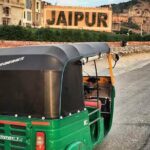
Choosing your wheels: tuk-tuk vs car (and why you should care)
Your ride choice changes the vibe of the day. A tuk-tuk is slower in spirit and faster in getting you through tight areas, and it tends to make the day feel more local. A car can be the better call if you’re traveling with extra heat sensitivity, limited mobility, or you just want a calmer ride for long stretches.
Either way, you’re not stuck guessing logistics. Pickup and drop-off are included, and you’ll have a driver who speaks English and Hindi. In practice, that means fewer moments where you’re trying to figure out where to stand, where to walk, or what’s worth your time once you arrive.
Morning starts at 7:00 AM: the Wholesale Flower Market experience
You kick off with a visit to the Jaipur Wholesale Flower Market in the walled city area, starting around 7:00 AM. This is one of the best ways to understand Jaipur beyond monuments. The colors aren’t just pretty; they show you how the city’s daily life runs—arrivals, sorting, and the quick routines that keep everything moving.
Going early also helps you get photos without fighting the thickest crowds later. You’ll have the chance to watch how locals handle their business while your guide gives you cultural context. If you like street-level travel, this stop alone is worth the early start.
Bring a little patience for the morning pace. You’ll likely do some walking and standing, and you’ll want comfortable clothes for a mix of outdoor time plus temple-friendly coverage later in the day.
Amber Fort: where the views are big, but the story matters more
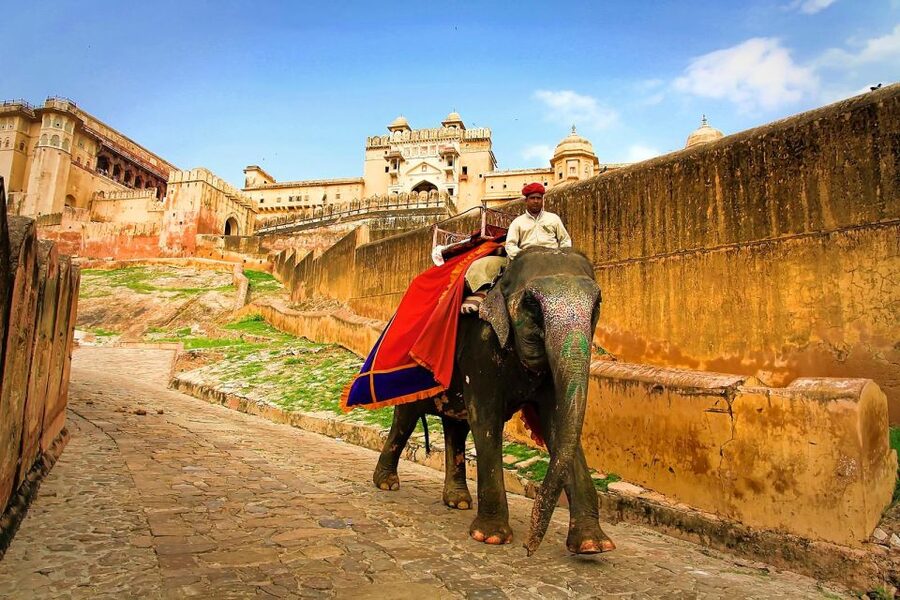
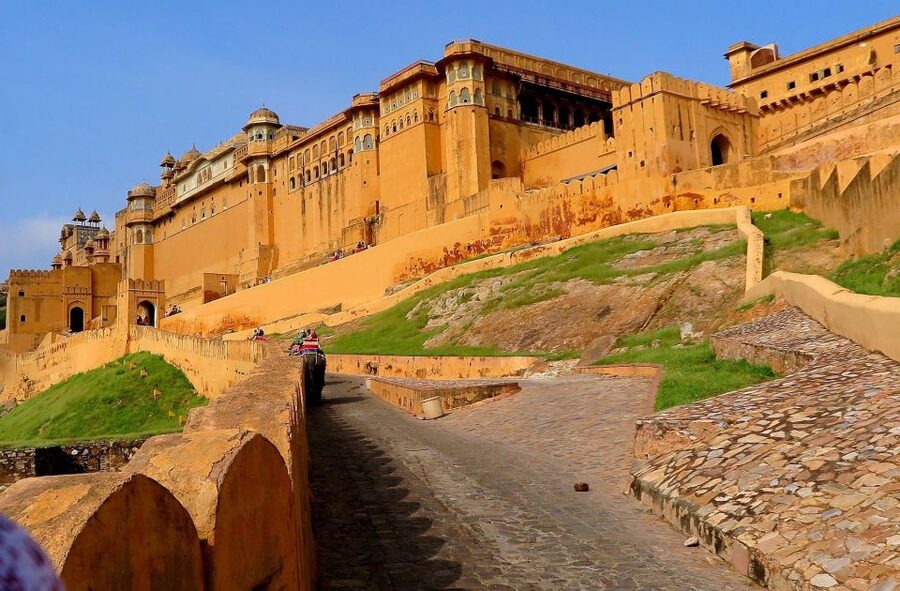
Next up is Amber Fort, sitting on a hill above Jaipur. You get a photo stop and then time for a guided visit (about 2 hours). Yes, the fort itself is impressive, but the real payoff is understanding why it looks the way it does and what it represented.
From the walls and vantage points, Jaipur spreads out in layers. That view is the kind of thing you remember, but it hits harder when you know what you’re looking at: royal power, defensive planning, and the way architecture served both style and function.
A practical note: the fort complex involves walking and uneven surfaces in parts. If you’re planning on photos, wear shoes you trust. And keep your water handy—your tour includes mineral water, which is helpful when the sun climbs.
Panna Meena ka Kund stepwell: calm, geometry, and a rare pause
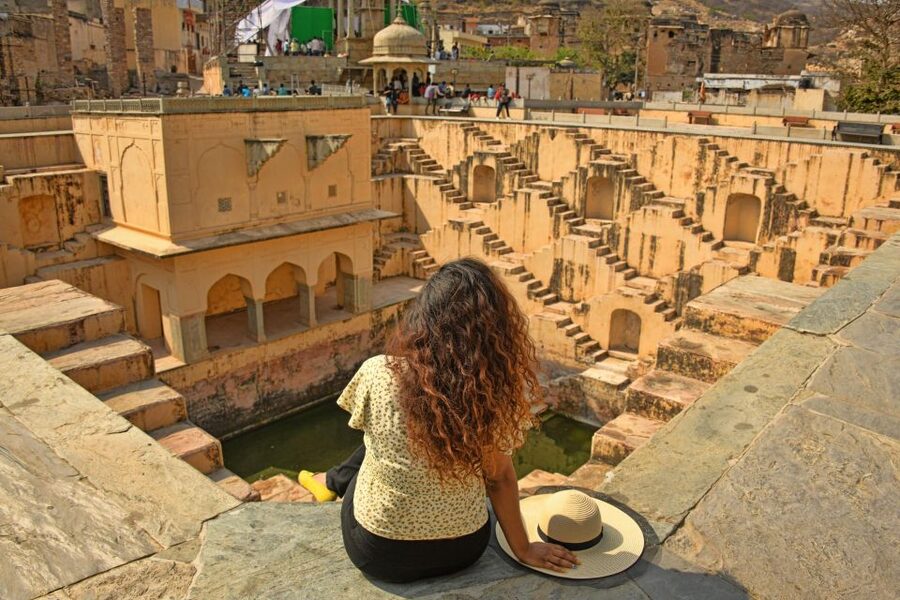
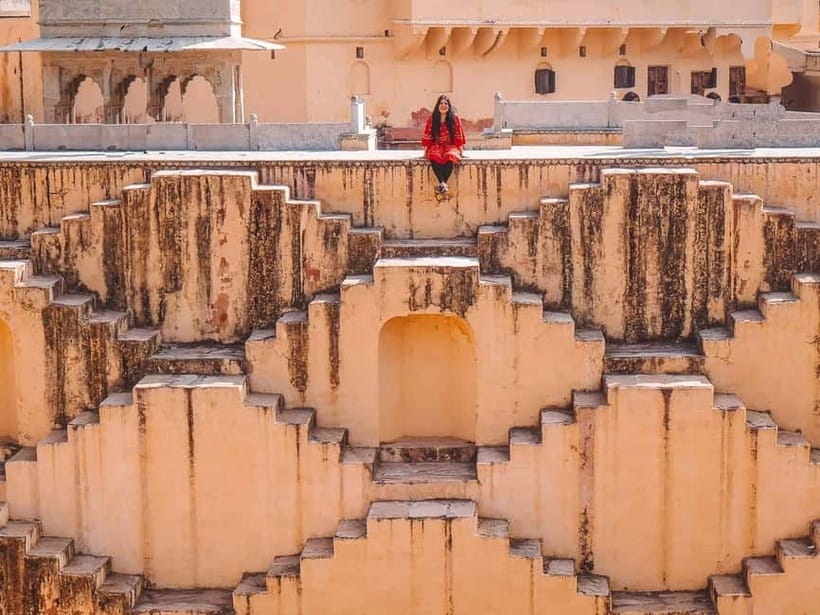
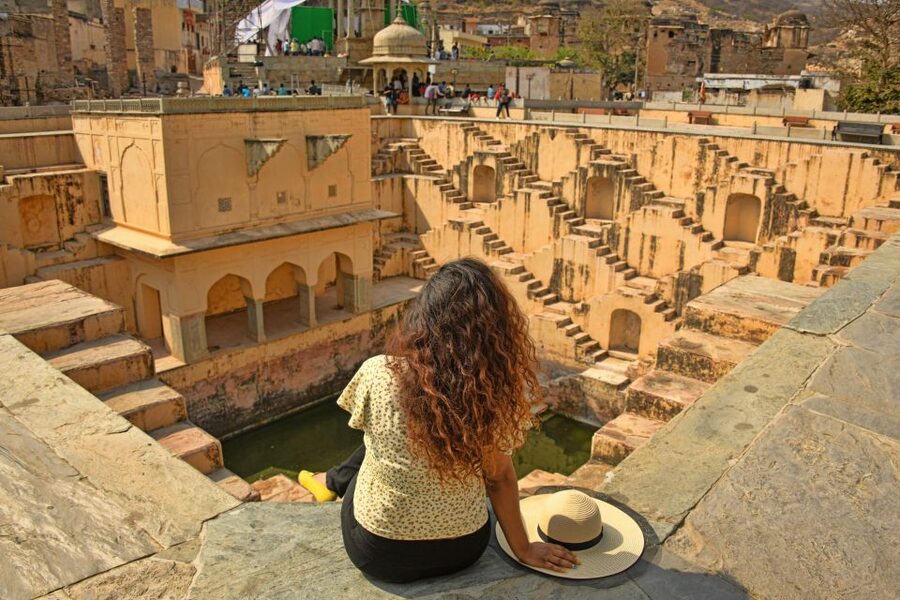
After Amber Fort, you go to Panna Meena ka Kund (about 30 minutes, with photo stop and guided visit). Stepwells can be easy to treat like a quick photo stop, but this one plays differently. The structure’s design draws your eye downward, and the atmosphere tends to feel quieter even while you’re still outdoors.
What makes it memorable is the mix of function and form. You’re looking at architecture that solved a real need (water access) while becoming a recognizable cultural site. With a guide, you’ll notice patterns and angles you’d otherwise miss.
This is a good break in the day because it’s shorter and more reflective. If you want a stop that isn’t just “another palace,” this is one of the best candidates.




Jal Mahal on Man Sagar Lake: a photo stop that shouldn’t be skipped
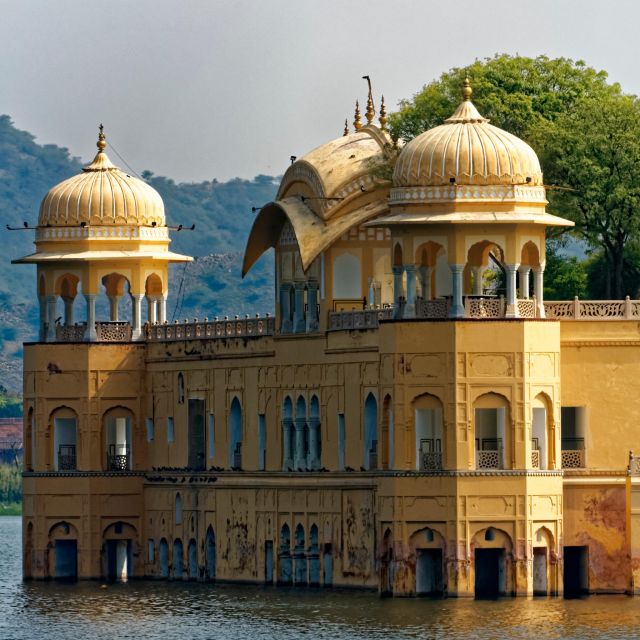
Then there’s Jal Mahal, the palace sitting on Man Sagar Lake. Your stop is about 30 minutes, including a guided visit and photo time. From a distance, it looks like a postcard classic. Up close, it becomes more interesting because you can see how the setting shapes the palace’s mood.
This is one of those stops where timing matters for photos, and a guide helps you position yourself without wasting time. Even if you only spend part of the visit taking pictures, it still adds a lot to the overall balance of the day—forts, royal residences, and then a palace-in-the-water perspective.
City Palace museum time: royal rooms with a living footprint
Next is City Palace in the heart of Jaipur. You get photo time and a guided visit for about 2 hours. This palace complex is tied to the Maharaja of Jaipur and the Kachwaha Rajput clan, and today it functions as a museum that still carries the royal presence.
What I like about City Palace is that it helps you connect the dots between different parts of Jaipur. You can see how royal life shaped the city’s identity—how art, power, and space all fit together. A guide also helps you interpret what you’re looking at, instead of feeling like you’re staring at rooms without the context.
Plan for indoor walking plus some outdoor areas. If you want to take your time reading, this is a good place to slow down for a bit.
Jantar Mantar: the best kind of science story
Then you head to Jantar Mantar, where your visit is about 1 hour with guidance and photo stop time. This site is famous for astronomical and architectural instruments, and the best part is how they connect to Indian culture and thinking—science as something built into daily understanding.
A guide matters here because instruments can look technical or confusing if you don’t know what to look for. With the explanation, the shapes start to feel purposeful. It’s also one of those places where you can ask questions and feel like your curiosity gets answered fast.
If you’re into photography, plan a few extra minutes at key angles. The instruments and their scale give you interesting perspectives even when the sky is plain.
Hawa Mahal: the facade that rewards patience
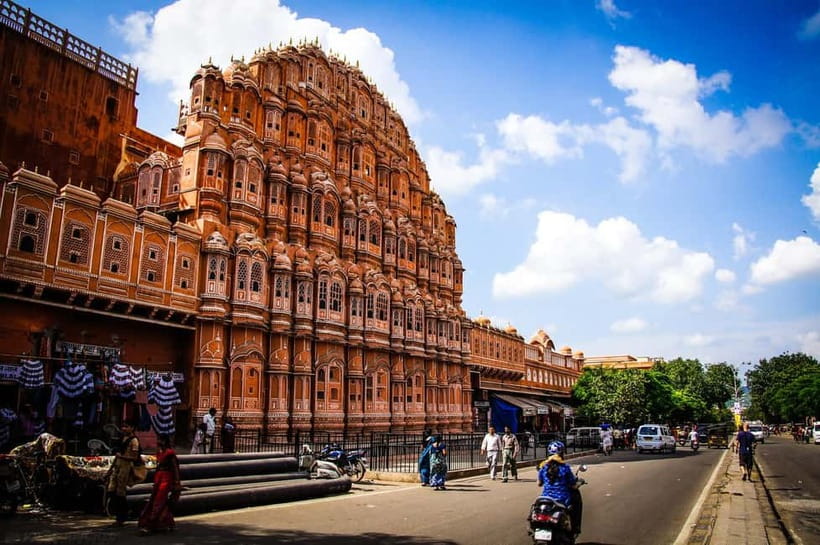
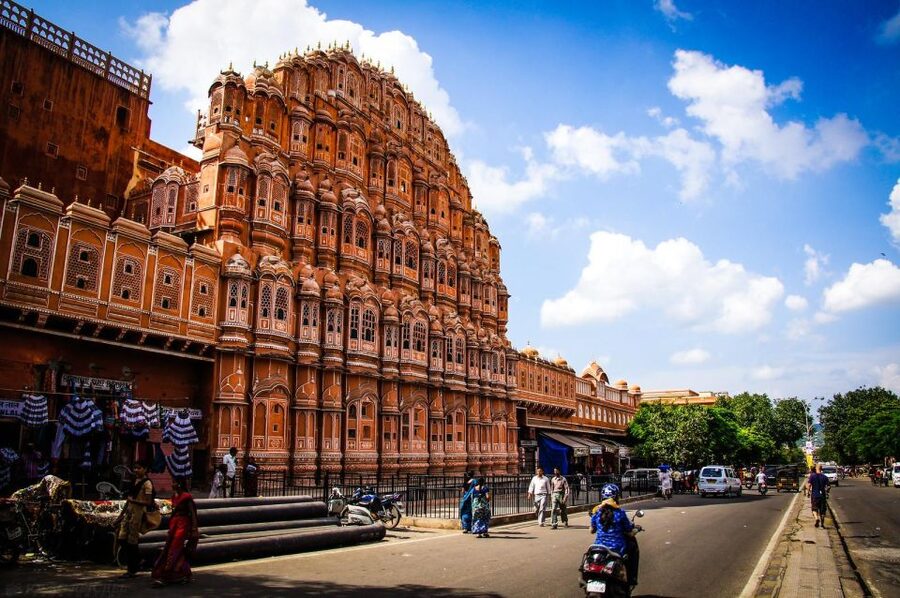
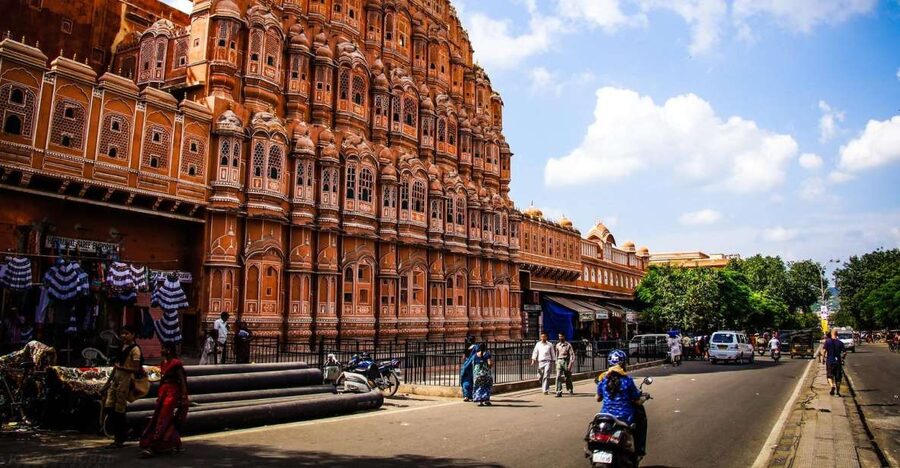
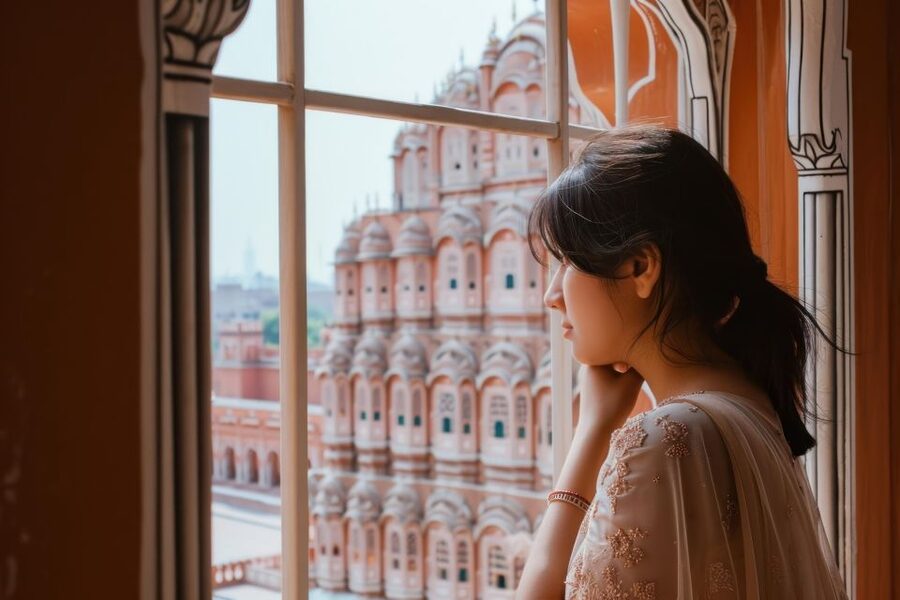
Hawa Mahal is next, and you’ll have about 1 hour with photo stop and guided visit time. The palace is known for its distinctive facade, and the trick is learning how to look at it. It’s not just pretty; it’s connected to the way women in royal households could observe daily life from behind architectural features.
This stop tends to move quickly if you let it. With a guide, you can slow down and actually notice details—patterns, openings, and how the design works as a functional system.
Wear clothing that fits temple norms because you’ll be doing more religious/temple-adjacent walking later. Smart casual is recommended, and short shorts or sleeveless tops aren’t suggested for temples.
Albert Hall Museum: your structured break with museum value
After Hawa Mahal, your day includes Albert Hall Museum with photo stop and guided time for about 1 hour. Museums in India often come with a mix of artistic and historical interpretation, and this is a good midpoint “reset” before the day ends with crafts.
If you’ve been outside most of the morning and early afternoon, the museum stop gives you a place to cool down and regroup. It’s also a chance to look at the story of Jaipur through an indoor lens rather than only through monuments.
Hand-block printing factory: craft you can actually see being made
Toward the end, you visit a hand-block printing factory. This stop is about witnessing traditional arts and crafts being created, plus learning the process behind the finished pieces. If you’ve ever bought a block-printed item and wondered how it’s produced, this is where you connect the dots.
You don’t just watch in silence. A guide can help you understand steps like how patterns get transferred and why materials and dyes matter. Even if you don’t buy anything, you’ll likely leave with a better sense of how long these processes take and how much skill is involved.
It’s also a solid “meaningful souvenir” stop. You’re not stuck with generic shopping; you’re seeing craft techniques that have a reason to exist.
Lunch and local food: build it into the day (without losing time)
Lunch isn’t included, but your schedule explicitly leaves space to take a break at a local restaurant. This tour’s structure makes sense because Jaipur food is part of the travel experience. If you want a sit-down meal, plan a budget you’re comfortable with and ask your guide what’s reliable that day.
Some guides also help with local food-style stops (street foods like kachori, samosas, lassi, fruit, or sweets such as gajjak have come up in guide-led experiences). If you have specific cravings, tell your guide early. The biggest advantage of a private setup is that you’re not stuck eating only what’s convenient for a bus group.
Price and real value: what $10 for up to 3 gets you
The price is listed as $10 per group up to 3, which is unusually low for a full-day private tour with pickup, transport, and guided time at multiple major sites. The reason it can be this good is because the “value” here is the structure: a single day plan with a guide who handles timing and connections between stops.
But you should factor two things so the math stays honest:
- Entrance fees are not included, so your total will be higher once you add monument entry costs.
- Meals are not included, so you’ll add lunch spending based on your preferences.
Even with those additions, the value can still be strong if you want private attention and you’re traveling with up to two others. If you’re solo, you might want to price-check whether the same day’s private support makes sense versus a shared group option.
What the best guides do for you (and what you should look for)
The most praised part of this tour experience is how drivers and guides handle the day with warmth and flexibility. Guides like Vinod and Adil have been described as especially helpful and adaptable, including changing stops and adding local spots based on what the day needs. That flexibility matters in Jaipur, where traffic, heat, and your own interests can shift the best plan.
You’ll also want to pay attention to communication. Many guides offer English and Hindi, and that language support makes everything easier: explanations at each site, quick decisions when lines are long, and better understanding of cultural rules.
Also, the transport quality shows up in small ways. Several experiences mention that tuk-tuks were well maintained and drivers drove safely and calmly. In a city where you’ll be riding through mixed traffic, that comfort translates directly into a better day.
Practical tips so your day runs smoothly
- Wear comfortable shoes: the day includes a moderate amount of walking.
- Smart casual clothing: short shorts and sleeveless tops aren’t recommended in temples.
- Bring your passport or ID card: a current valid passport is required on the day of travel.
- Travel light: luggage or large bags aren’t allowed, and pets aren’t allowed.
- Keep an eye on entrance fees: plan extra spending for monument tickets you’ll need.
If you’re sensitive to heat, aim for water breaks and be ready for sun exposure during morning-to-midday outdoors time.
Who should book this Jaipur tuk-tuk day—and who might not love it
This tour is a strong fit if you want:
- Private attention while seeing major Jaipur sights
- A local guide to explain what you’re seeing (especially at Jantar Mantar and City Palace)
- The option to choose tuk-tuk or car depending on comfort level
- Time for both icons and smaller, more specific stops like stepwell architecture
It may be less ideal if you hate any walking at all, since you’ll move around several complexes. Also, if you’re trying to minimize extra spending, you’ll need to budget entrance fees since they’re not included.
Should you book this Jaipur private full-day tour?
If you want a full day that’s organized, guided, and flexible enough to feel personal, I think this is a solid booking. The biggest strength is the combination of private transport plus a guide who can give you context at each stop, not just point-and-walk directions.
Book it if you like early cultural flavor from the flower market, you care about understanding Amber Fort and Jantar Mantar, and you’re okay adding entrance fees and lunch to the final total. Skip it if you only want the cheapest sightseeing possible or you’re not interested in guided explanations.
If you do book, send your guide your priorities before you go: what you want photos of, whether you prefer more fort time or more craft time, and any food preferences. That’s where the private format pays off.
FAQ
What’s included in the Jaipur private full-day tour?
The tour includes hotel or airport pickup and drop-off, private city tour time with a professional guide, transport by a private tuk-tuk (or car), mineral water, and fuel, taxes, and handling charges.
Is lunch included?
No. Lunch or any meal is not included, but there is time for a lunch break during the day.
Are entrance fees included for monuments?
No. Entrance fees to monuments are not included.
How long is the tour?
The tour is listed as a 10-hour experience.
Where do pickup and drop-off happen?
Pickup and drop-off options listed include Kukas, Jaipur. You can also request pickup from your airport, railway station, hotel, or another desired location.
Do I need a passport or ID?
Yes. Passport or an ID card is required, and a current valid passport is required on the day of travel.
Is there a dress code?
Smart casual dress is recommended. Short shorts or sleeveless tops are not recommended in temples.
What languages does the driver/guide use?
The driver is listed as speaking English and Hindi.