REVIEW · JAIPUR
Jaipur: Full-Day Private Sightseeing Tour by Tuk Tuk
Book on GetYourGuide →Operated by Jaipur Pinkcity Tours · Bookable on GetYourGuide
Jaipur’s sights are easier with a tuk tuk. This private, full-day route is built for fast photo stops and relaxed time inside the big names, with a local driver who fills in the gaps (and sometimes warns you about scams before they happen). Two things I really like: you get an English-friendly guide-driver and you cover major landmarks without feeling chopped up by transit.
The best payoff is how the day connects the dots between eras—Rajput power at Amber Fort and City Palace, then science at Jantar Mantar, and finally museum and lake views. One note to keep in mind: you’re doing a moderate amount of walking, and the tour isn’t designed for wheelchair users or for pregnancy.
In This Review
- Key things I liked about this Jaipur tuk tuk tour
- Why a Private Tuk-Tuk Day Works in Jaipur
- Pickup, Timing, and What 8 Hours Feels Like
- Amber Fort: Royal Rooms, Mirror Work, and Hilltop Views
- Hawa Mahal Photo Stop: The Palace of 953 Windows
- Panna Meena ka Kund: The Stepwell Detour You’ll Actually Remember
- Jal Mahal on Man Sagar Lake: A Palace-Like Stop With Quiet Atmosphere
- City Palace and Gaitor Ki Chhatriyan: Power Meets Memorial Space
- Jantar Mantar: Giant Instruments That Turn Math Into Sightseeing
- Albert Hall Museum: Indo-Saracenic Style and Real Collections
- Shopping Time and Lunch That Don’t Hijack the Day
- How Entrance Fees Affect Your True Cost
- When a Driver’s Tips Matter: Traffic, Safety, and Scam Warnings
- Who This Tour Suits (and Who Should Skip It)
- Should You Book This Jaipur Tuk Tuk Tour?
- FAQ
- How long is the Jaipur tuk tuk private sightseeing tour?
- Where does pickup happen?
- Is this tour private?
- What’s included in the price?
- Are monument entrance fees included?
- Does the tour skip ticket lines?
- What languages are available for the driver/guide?
- What should I wear?
- Is it suitable for wheelchair users or pregnant women?
- Can I cancel for a full refund?
Key things I liked about this Jaipur tuk tuk tour
- Private door-to-door pickup (hotel, airport, or station) so your day starts on time
- Skip-the-ticket-line for monuments (entrance fees still apply separately)
- Amber Fort + City Palace + Jantar Mantar in one efficient loop
- Driver-led explanations in multiple languages, including English, French, Spanish, Russian, and Japanese
- Practical safety help in traffic and scam-avoidance tips around major sights
- Chai-and-snack type moments show up in the best-guided days (when you’re ready to try local food)
Why a Private Tuk-Tuk Day Works in Jaipur
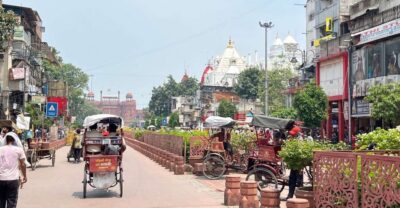
Jaipur can be a lot in one day—traffic, crowds at major gates, and the chaos of a city that never truly slows down. A tuk tuk solves a lot of that. It’s small, it’s flexible, and it makes short stops easy when you spot a perfect angle for photos or you want to stretch your legs.
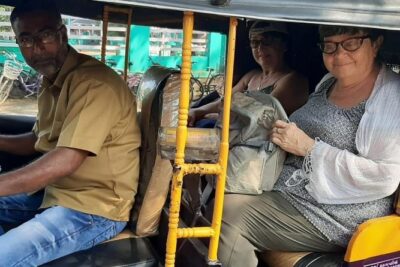
I also like the private setup. You’re not negotiating with a large group about where to spend time. Guides like Imran, Mohsin, Ali, Sonu, and Khalid (and others) are repeatedly praised for friendly explanations and for keeping things moving without the rush.
The route is also a smart mix: you get the big-ticket icons plus a couple of stops that add texture—like Panna Meena ka Kund, Gaitor Ki Chhatriyan, and Jal Mahal at Man Sagar Lake.
You can also read our reviews of more tours and experiences in Jaipur.


Pickup, Timing, and What 8 Hours Feels Like
This is a full-day tour at about 8 hours, starting with pickup from your hotel, airport, or railway station. That matters because Jaipur’s best sightseeing time is often the time when you’re already on the ground, not still waiting for a taxi shuffle.
You’ll be hopping between points by tuk tuk, with photo stops and sightseeing stops along the way. The vibe should be: ride, park briefly, see something important, repeat. Many guides are especially good at finding parking spots close enough for quick access—one reason tuk tuk works so well for this route.
One practical consideration: entrance fees and camera fees are not included. So your day will run smoother if you’re ready to handle ticket lines at some sites financially, even if the driver can help you skip the ticket line process where that option is available.
Amber Fort: Royal Rooms, Mirror Work, and Hilltop Views
Amber Fort is the centerpiece, and for good reason. It sits on a hilltop overlooking Maota Lake, so even before you start walking, you’re getting that dramatic “this is what royalty looks like” perspective.
Inside, you’re walking through elaborately decorated halls where you’ll see the kind of craft that feels made to impress visitors for centuries—intricate carvings and mirror work are the headline. This is one of those places where a short explanation from a driver makes a big difference, because you’ll notice details faster when you know what you’re looking at.
What to do here: pace yourself. Don’t feel like you need to rush every corridor. If your guide offers context, take it—those quick “why this matters” moments turn the visit from photos into understanding.
Possible drawback: Amber Fort can involve more walking than the photo-stop sites. Wear comfortable shoes and plan for a bit of stamina.
Hawa Mahal Photo Stop: The Palace of 953 Windows
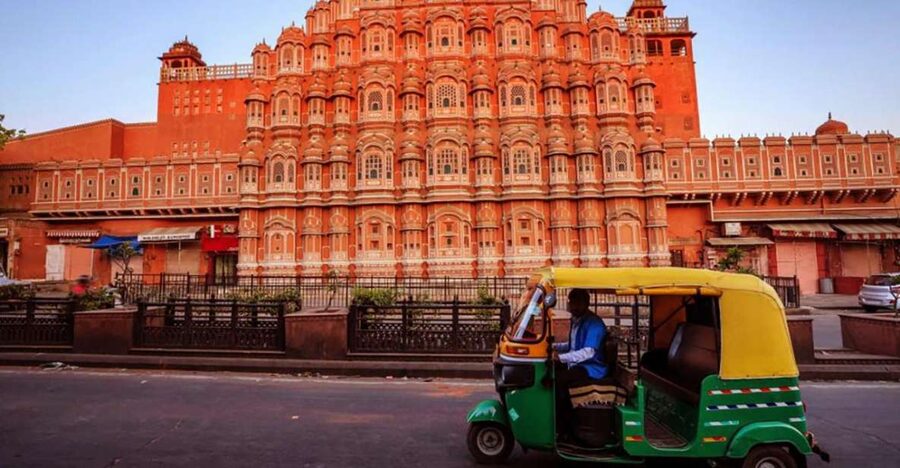
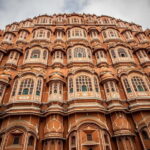
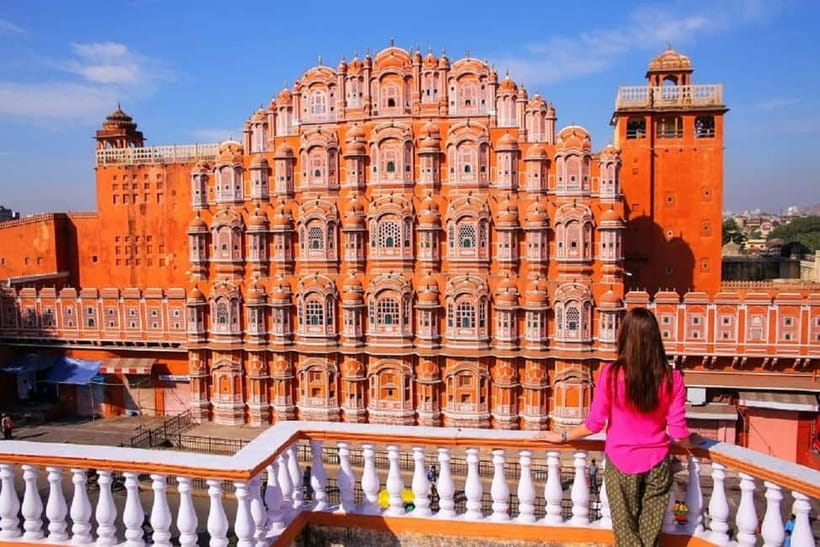
The Palace of Winds is famous for the façade, built in 1799 by Maharaja Sawai Pratap Singh. The big hook is the front of the building: 953 small windows, designed so royal women could watch street life without being seen.
Your time here is typically a photo stop plus quick sightseeing. Don’t expect a deep interior visit on most versions of this route. Instead, treat it like a striking exterior moment—and try to get a couple angles quickly before the crowd compresses your space.
How to get the most out of 20 minutes: keep your phone/camera ready, but also take 30 seconds to look at the façade as a whole. The windows are the story; once you see the pattern, your photos improve automatically.
Consideration: it’s an iconic stop, so you’ll want to move smartly through crowds.
Panna Meena ka Kund: The Stepwell Detour You’ll Actually Remember
Panna Meena ka Kund is a pause from the big palaces, but it’s not random. It’s an architectural stop that shows another side of Jaipur: utilitarian design with style.
You’ll usually have around 30 minutes here for photo opportunities and a browse. The stepwell format gives you visual layers, and it’s the kind of place where you’ll appreciate texture—geometry, light, and repetition—more than any single “wow moment.”
If you’re the type who likes finding one or two spots that aren’t the top entry on every postcard, this is a nice add-on.





Jal Mahal on Man Sagar Lake: A Palace-Like Stop With Quiet Atmosphere
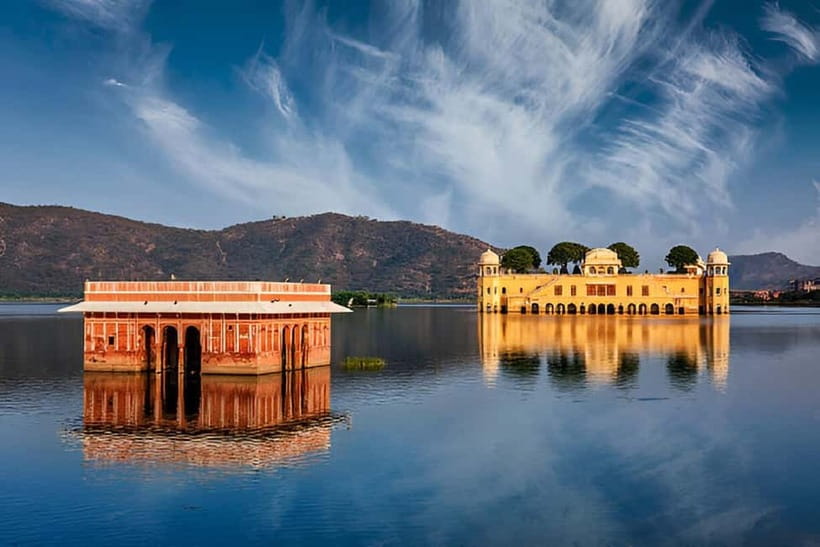
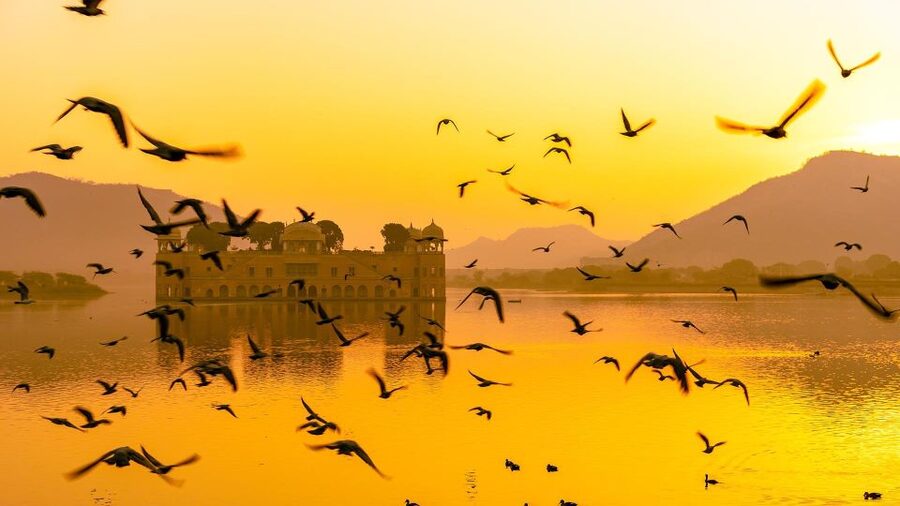
Jal Mahal sits on the waters of Man Sagar Lake and looks like a floating palace. It’s built as a pleasure palace for the royal family, with a Rajput and Mughal design blend.
This stop works best for slowing down. Even if you’re short on time, it’s still worth stepping back, looking at the waterline, and letting your eyes adjust to how the building sits in the lake setting.
What I like about it for your day: it breaks up the “walk and climb” rhythm of forts and observatories. It also adds variety, because your camera will need a different style of shot—reflections, the horizon, and framing the structure with the lake.
City Palace and Gaitor Ki Chhatriyan: Power Meets Memorial Space
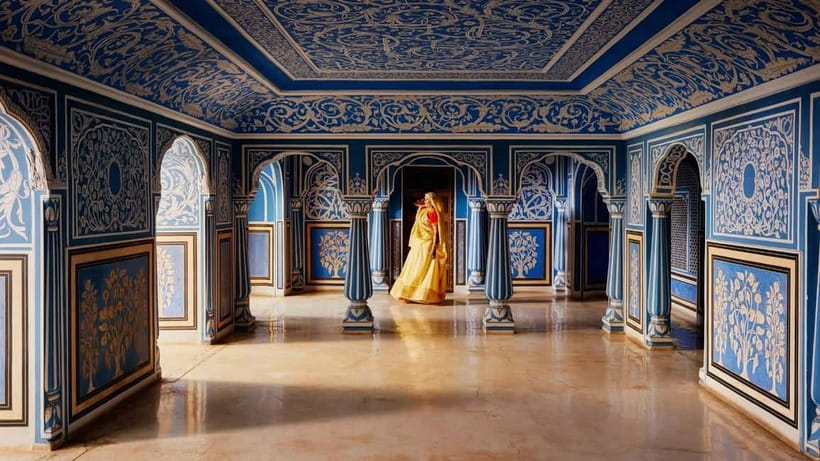
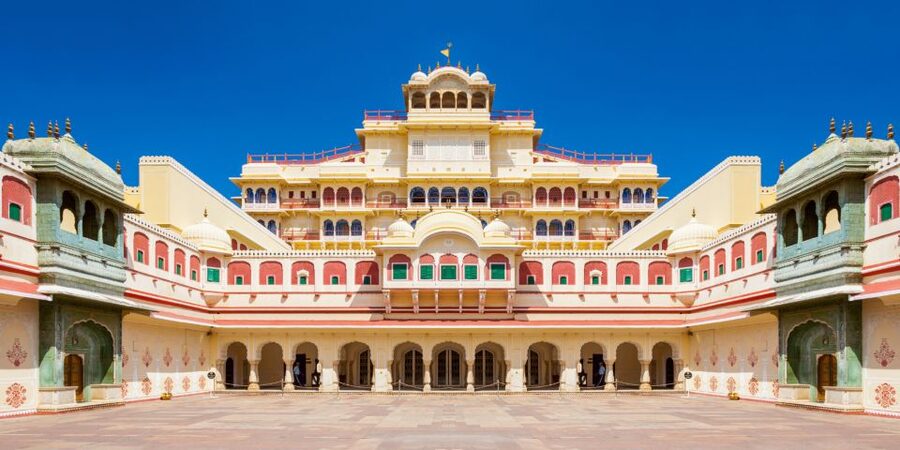
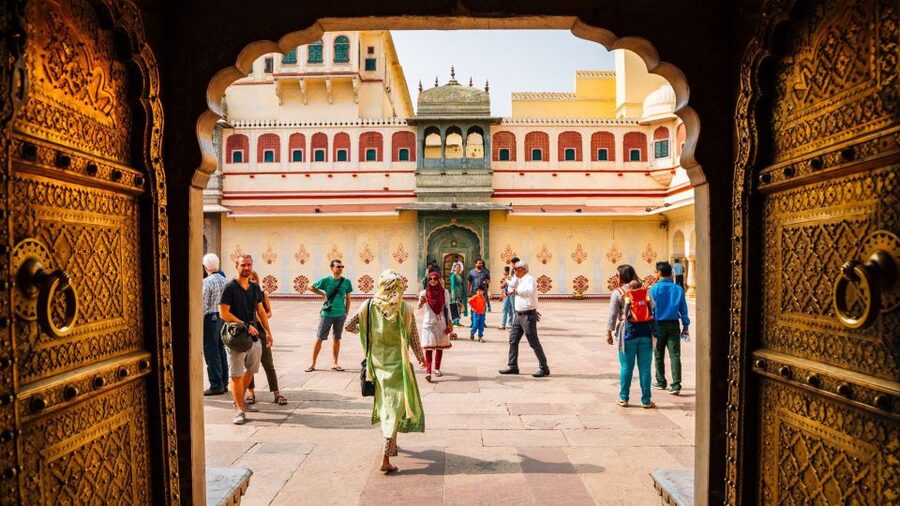
City Palace is the seat of the Maharaja of Jaipur for centuries, and you’ll feel that “center of power” energy immediately. What stands out is the architectural blend—Rajput, Mughal, and European influences show up in the mix, so it’s not just one style box.
You’ll also have time for inside viewing, which means you’re not stuck only with the outside façade. The palace holds art, artifacts, and royal memorabilia, so it’s a strong continuation after Amber Fort. If Amber Fort is the theatrical royal residence, City Palace is the administrative and cultural counterpart.
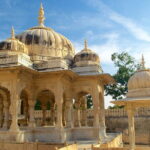
Gaitor Ki Chhatriyan is another stop that changes the mood. Chhatriyan refers to cenotaphs—memorial structures—and this is a calmer place to process what you’ve already seen.
Possible drawback: City Palace and memorial sites can involve walking on uneven ground in spots. Take it slow and don’t rush your photos.
Jantar Mantar: Giant Instruments That Turn Math Into Sightseeing
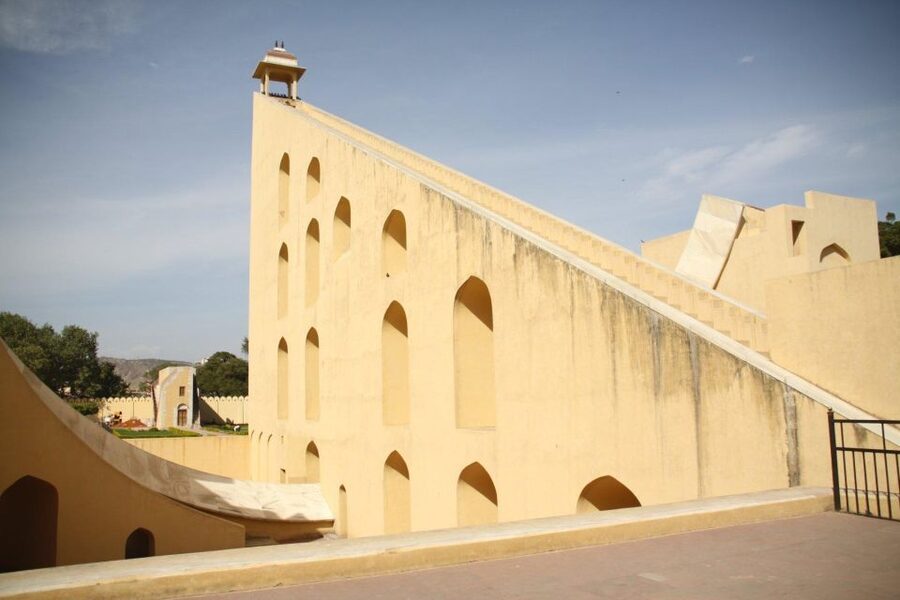
Jantar Mantar is the kind of landmark that could easily be treated like a quick “check it off” stop—but it shouldn’t be. This 18th-century astronomical observatory is recognized as a UNESCO World Heritage Site and includes giant instruments made for measuring time and tracking celestial movements.
If you have a driver who explains the purpose of what you’re looking at, this becomes one of the most memorable parts of the day. The instruments feel simple at first glance, then they start making sense as you learn what they were built to do—predict eclipses, chart the sky, and measure accuracy with tools you can literally stand beside.
You’ll usually get about an hour here, which is perfect if you want time to read a few informational bits and still keep moving.
Practical tip: bring a camera strap and keep your hands free. You’ll want both hands for steady shots, and some angles require you to shift positions quickly.
Albert Hall Museum: Indo-Saracenic Style and Real Collections
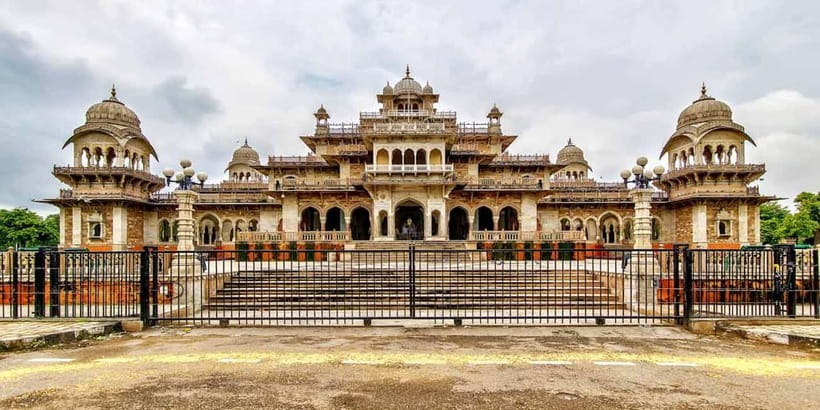
Albert Hall Museum is housed in an Indo-Saracenic building designed by British architect Sir Samuel Swinton Jacob. If you like architecture, the exterior is already worth your attention. If you’re more into objects, the museum delivers with paintings, sculptures, ceramics, and even weaponry.
This stop is great when you’ve already hit forts and palaces. At that point, the museum helps you switch gears from “architecture as power” to “culture as collection.” It’s a chance to see material history in a more controlled environment.
Timing note: museum time can be a little flexible depending on how long you take at earlier stops, but the idea is that you finish your day with a calmer, indoor-focused segment.
Shopping Time and Lunch That Don’t Hijack the Day
Jaipur shopping can eat a whole afternoon if you let it. The tour builds in structured time—around an hour for arts and crafts market browsing, plus about an hour for lunch and free time.
This is a good setup if you want souvenirs without turning your day into an all-shopping experience. You’ll also get an easier path to choose gifts based on what you genuinely like, because you’re not starting the day tired or overwhelmed.
My advice: use the market hour for browsing first, buying second. Jaipur is full of sales pressure, but a slower approach helps you compare prices and avoid impulse buys.
How Entrance Fees Affect Your True Cost
The headline price is $9 per person, and that’s the big value story for this tour. What’s included is the transport side: pickup/drop-off, driver, bottled water, parking, fuel, tolls, and government taxes.
What’s not included: meals, entrance fees to monuments, camera fees, and alcoholic drinks. Since most of the major stops are paid attractions, your total day cost will depend on how many entrances you take and whether any camera fees apply.
In plain terms: you’re getting a full day of local driving and interpretation for a very low base price, and you’ll just budget separately for entry tickets.
When a Driver’s Tips Matter: Traffic, Safety, and Scam Warnings
Jaipur’s traffic can feel intense, especially around central areas. One of the most praised parts of this tour is how drivers manage that stress—safe, confident driving, and local route choices that keep you from burning time in gridlock.
Another standout: scam-awareness. Multiple guides are described as warning guests about scams around major attractions and explaining what to watch for inside sites. Even if you’re experienced, those quick reminders can save you from common pressure tactics.
Also, there’s a human factor. Guides are repeatedly praised for being flexible with requests, giving time for photos, and not forcing a rigid “30 minutes or else” rhythm. That flexibility is exactly what makes a private tour feel worth it.
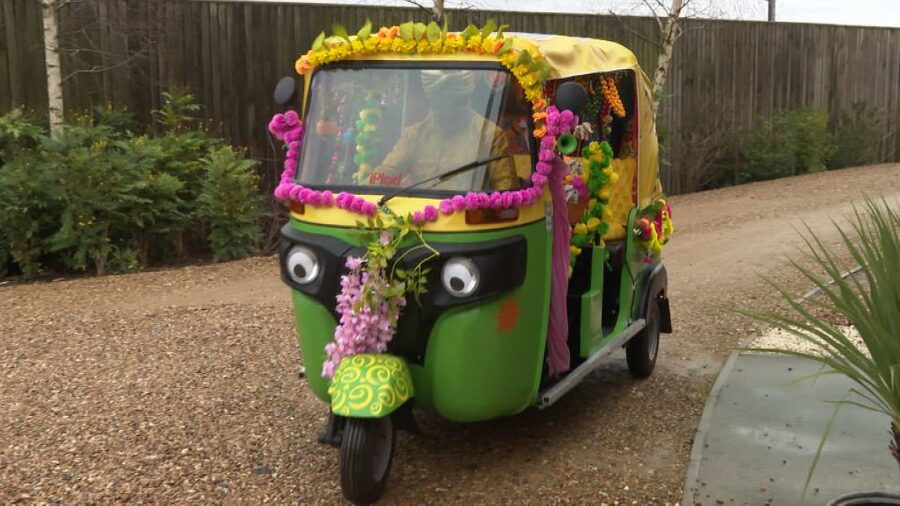
Some tuk tuks are also described as extra comfortable or fun-looking, including versions designed to be more eye-catching (even with lights/music for later day vibes). That’s not the sightseeing point, but it makes the ride feel like a proper Jaipur experience.
Who This Tour Suits (and Who Should Skip It)
This is a strong fit if you want to see Jaipur’s key sites in one day without the hassle of driving, arranging taxis, or coordinating multiple entry tickets. It’s also ideal if you like learning on the go—Amber Fort, City Palace, and Jantar Mantar become much more interesting when someone explains what you’re seeing.
It’s less suitable if you need wheelchair access or if you’re pregnant, because the day involves moderate walking and typical on-the-ground movement challenges.
Dress also matters. The tour advises smart casual clothing and warns against short shorts or sleeveless tops in temples. If you show up prepared, you’ll spend more time looking at sights and less time finding a place to cover up.
Should You Book This Jaipur Tuk Tuk Tour?
I’d book it if you have one full day in Jaipur and you want the big names—Amber Fort, Hawa Mahal, City Palace, Jantar Mantar, plus stops like Jal Mahal, Panna Meena ka Kund, and Albert Hall Museum. The low starting price paired with private guiding and safe local driving is the best part.
I’d think twice if you hate any walking at all or if you need mobility-friendly access. Also, if you’re strict about indoor time only, note that the day mixes photo stops, outdoor viewpoints, and a couple of heavier walking segments.
If you want a day that’s efficient, friendly, and practical—this one is a solid choice through Jaipur Pinkcity Tours.
FAQ
How long is the Jaipur tuk tuk private sightseeing tour?
It’s listed as 8 hours.
Where does pickup happen?
Pickup is included from your hotel, airport, railway station, or any location of your choice.
Is this tour private?
Yes, it’s a private group.
What’s included in the price?
The tour includes pickup and drop-off, the driver, bottled water, fuel, parking charges, toll and interstate taxes, and all government taxes.
Are monument entrance fees included?
No. Entrance fees to monuments are not included.
Does the tour skip ticket lines?
Yes, the tour includes skip the ticket line.
What languages are available for the driver/guide?
English, French, Spanish, Russian, and Japanese.
What should I wear?
Smart casual is recommended. Short shorts or sleeveless tops are not recommended in temples.
Is it suitable for wheelchair users or pregnant women?
No. It’s not suitable for wheelchair users, and it’s also not suitable for pregnant women.
Can I cancel for a full refund?
Yes. You can cancel up to 24 hours in advance for a full refund.