REVIEW · KAMPOT
Kampot: Tuk Tuk Trip to Pepper Farm, Kep, Crab Market & More
Book on GetYourGuide →Operated by Kampot tours--pepper farm. Cave. Secret lake and Salt field · Bookable on GetYourGuide
One bumpy ride, many very different places. This Kampot-to-Kep day tour strings together salt fields, Phnom Chhngok Cave, pepper tasting at La Plantation, and a proper Kep crab market stop, all with an English-speaking guide. Guides like Sany and TangGo are repeatedly praised for clear explanations and a relaxed pace that keeps the day feeling human, not rushed. The only thing to watch: the tuk tuk ride can feel a bit bouncy if you have back issues.
What I really like is the variety packed into one route. You’ll go from Cambodian countryside scenes (roads, animals, quiet villages) to a story-rich cave area, then into a working pepper farm where you can taste and learn how Kampot pepper actually gets made. You’ll also get Kep’s seaside energy, including time at the crab market and a short beach break.
The tour is built for comfort and structure, but you’ll be on the move most of the day. If you’re sensitive to uneven roads, consider bringing something to support your lower back and plan to sit as comfortably as you can.
In This Review
- Key highlights worth planning around
- Why This Tuk Tuk Route Works So Well in 7 Hours
- Pickup Points, Tuk Tuk Comfort, and How the $25 Value Adds Up
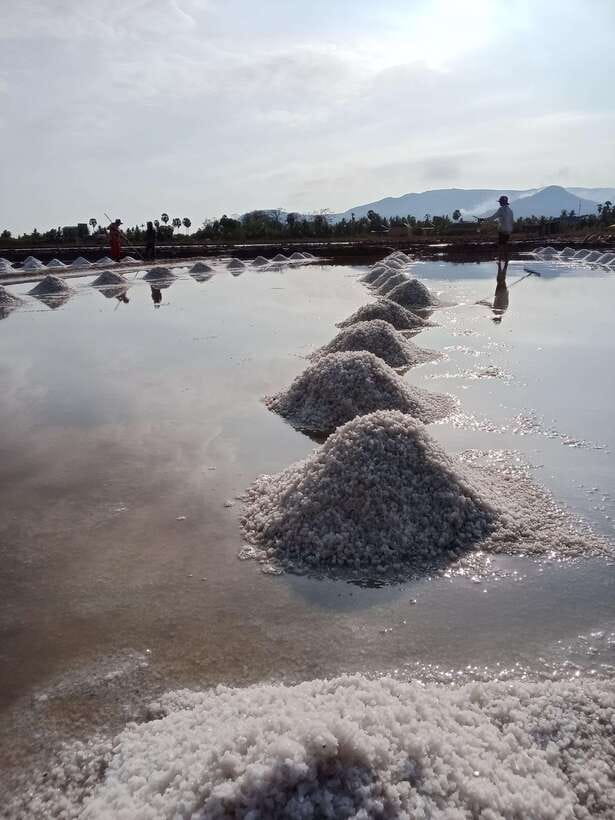
- Salt Fields: The Quiet Work You Can Actually See
- Phnom Chhngok Cave and Brateak Krola: Photos, Temple Space, and a View Break
- Secret Lake (Khmer Rouge-Era Story): The History Stop That Doesn’t Feel Like a Lecture
- La Plantation Pepper Farm: Tasting Kampot Pepper and Learning Why It’s Worth the Hype
- A smart prep tip: know your pepper tour options
- Kep Crab Market: Where the Day Gets Delicious
- Kep Beach Break: Quick Sea Air to Finish the Day
- How Long You’ll Spend Where (and Why the Timing Feels Right)
- Price and Logistics: The Real Math Before You Book
- Who Should Book This Day Trip (and Who Might Not Love It)
- Should You Book This Tuk Tuk Pepper and Kep Day Trip?
- FAQ
- How long is the tour?
- What’s the pickup information for this tour?
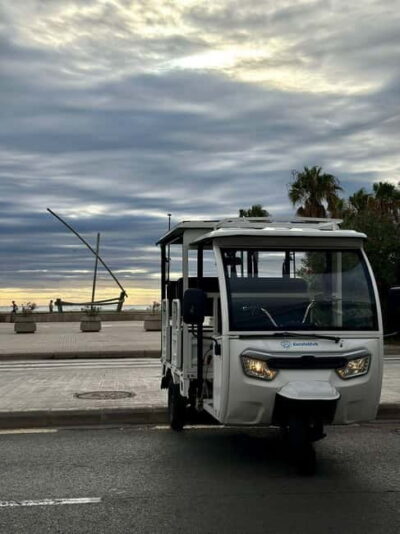
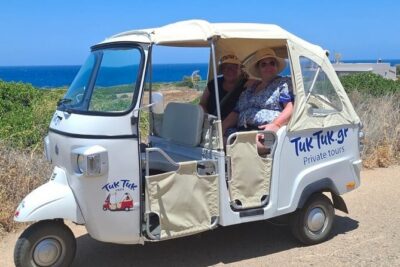
- What vehicle do they use?
- Is there an English-speaking guide?
- What’s included in the price?
- Are there extra fees besides the $25 price?
- What major stops does the tour include?
- Can I cancel for a refund?
Key highlights worth planning around
- Salt fields and guided walking that show how salt harvesting works
- Phnom Chhngok Cave stops with photo time and a chance to see a Hindu temple area
- La Plantation pepper farm with tasting, guided farm tour, and shopping time
- Secret lake story time, tied to Khmer Rouge-era history (as explained by the guide)
- Kep Crab Market + beach to end the day with seafood atmosphere and sea air
Why This Tuk Tuk Route Works So Well in 7 Hours
This is the kind of day trip that makes sense when you’re based in Kampot and you want more than one postcard. Instead of spending your time negotiating buses or waiting for connections, you follow a single, driver-led loop: countryside views, a salt production landscape, cave scenery, a pepper farm experience, then Kep’s crab-and-seafood zone.
The best part is the pacing. Multiple guides—like TangGo, Nak, and Pheary—are praised for setting the right rhythm and giving you time where it counts. That means fewer “speed bumps” (waiting around) and more time actually looking, asking questions, and taking photos.
Also, tuk tuk travel is not just transport here; it’s part of the experience. You’re moving through villages and roads with animals and everyday life, so you get a real sense of the region rather than only seeing scenic stops from a viewpoint.
Pickup Points, Tuk Tuk Comfort, and How the $25 Value Adds Up
You’re in good hands for logistics. Pickup is included from your accommodation, and the tour lists two pickup options in Kampot Province—7-Eleven or Kampot Spean Chas—with pickup happening about 15 minutes before departure.
The base price is $25 per person for about 7 hours, and what makes it feel fair is that several “small costs” are handled already:
- tuk tuk transport
- water
- entry fees
- pepper tasting
- coconut
There’s also an important detail that affects real cost: if your pickup/drop-off is outside Kampot town—about 5 km from the Durian roundabout—you’ll need to pay an extra $5. If you’re staying close to town, you’ll likely keep the day simple and budget-friendly.
One more practical note: the tour is live-guided in English, and guides are repeatedly described as punctual, friendly, and comfortable answering questions—even when people ask a lot.
Salt Fields: The Quiet Work You Can Actually See
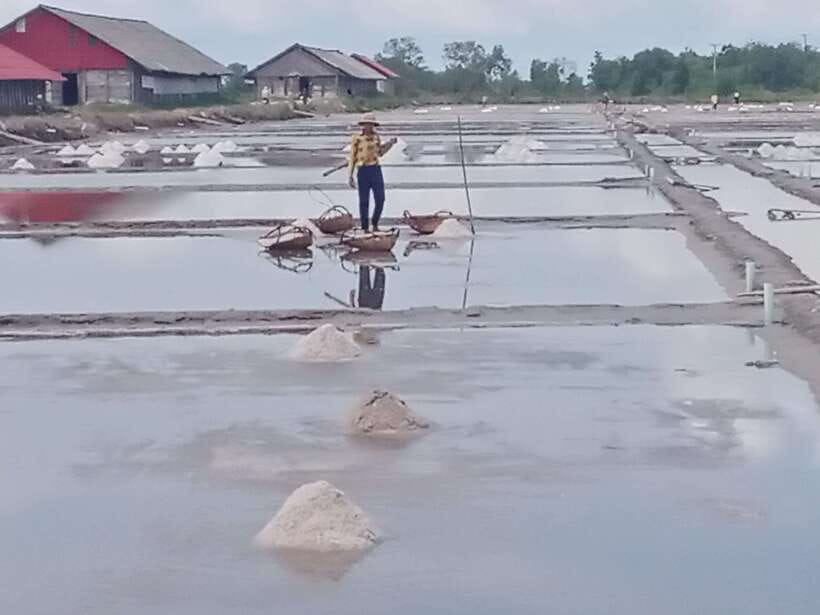
The day starts with a short stop at the salt fields. Expect guided viewing plus a bit of walking and sightseeing (about 15 minutes). Salt harvesting is one of those topics that sounds simple until you see the setup and how the process fits into the local landscape.
Even on a short visit, you can pick up the basics: why salt works here, what conditions matter, and how harvesting moves with the rhythm of the area. If you’re the type who enjoys agricultural travel—seeing how food and materials are made—you’ll probably find this stop surprisingly engaging.
This portion also helps break up the day before the bigger “wow” moments. You get a calmer, more grounded Cambodian countryside experience before the caves and pepper farm.
Phnom Chhngok Cave and Brateak Krola: Photos, Temple Space, and a View Break
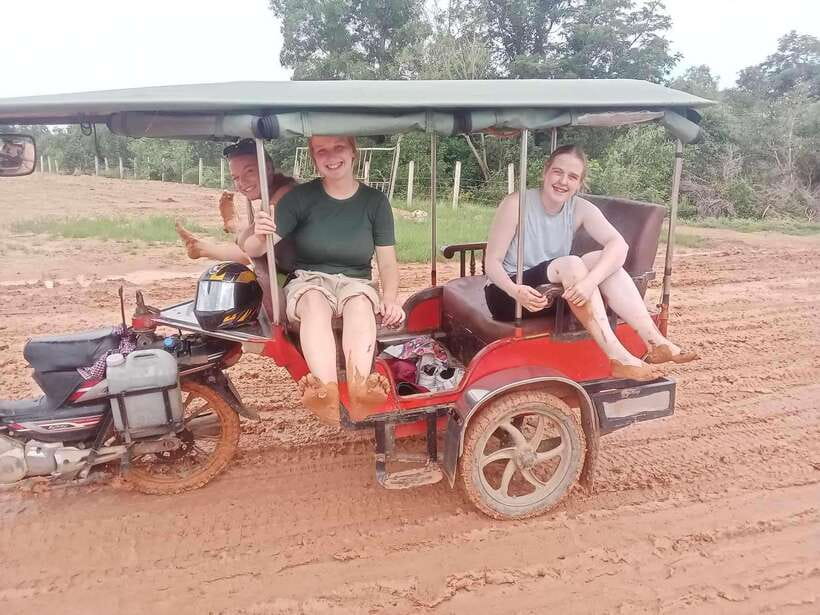
The cave portion is the next big anchor of the tour. You’ll spend around 45 minutes at Phnom Chhngok Cave, with a photo stop, guided visit, and time to explore.
From the way the stop is described, you should expect a mix of:
- cave atmosphere and viewpoint angles
- a Hindu temple area inside the cave zone
- a short climb in the cave area (so bring shoes with grip)
It’s not just a random cave stop. The cave is also tied to human meaning—religion, local storytelling, and the calm that can sit inside dramatic terrain.
Then there’s Brateak Krola (about a 15-minute walk, plus photo time and a guided element). In practice, this is your “stretch and look around” stop: quick legs, a few good photos, and a guided explanation that helps you understand what you’re seeing rather than just passing by.
Secret Lake (Khmer Rouge-Era Story): The History Stop That Doesn’t Feel Like a Lecture
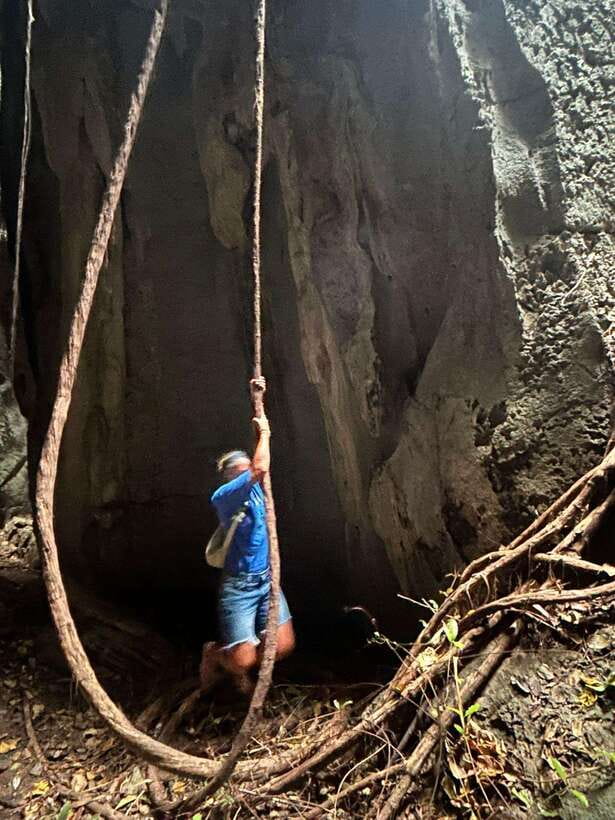
One of the most interesting parts of this tour is the hidden Secret Lake, described as a lake made during the Khmer Rouge period. This is one of those stops where the scenery alone wouldn’t necessarily justify the time, but the guide’s story does.
In real terms, here’s what I’d expect you to get from this part of the day:
- a clearer sense of how people used the land under extreme conditions
- a feeling for how history can be part of everyday geography
- context that turns a quiet spot into something more than just a photo location
Guides like Nak and others are praised for explaining the stories behind the sites in clear English. That matters here, because history-heavy stops can easily become confusing if the guide can’t translate the human meaning into simple language.
Tip for your day: ask questions. This is the segment where questions feel especially worth it.
La Plantation Pepper Farm: Tasting Kampot Pepper and Learning Why It’s Worth the Hype
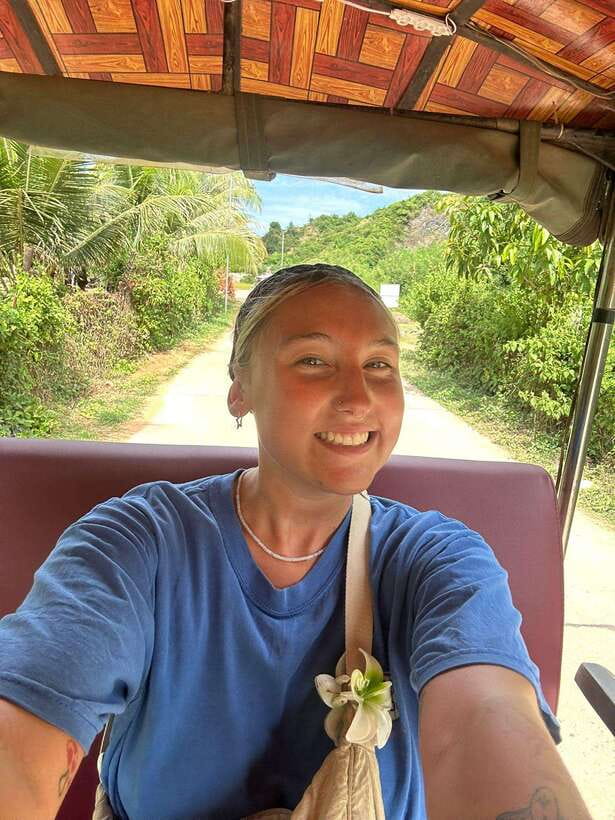
If you only remember one stop, make it this one.
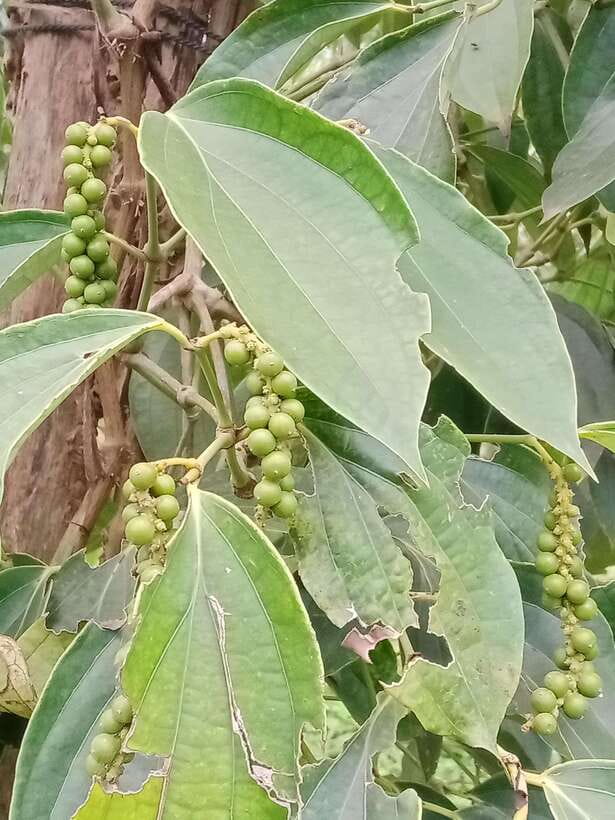
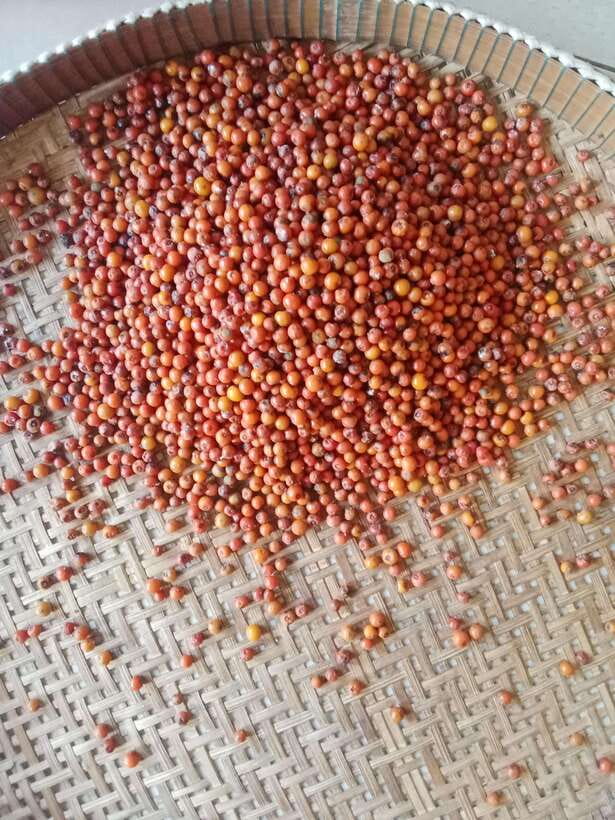
At La Plantation, you’ll get a long visit window (about 105 minutes) that includes guided tour time, pepper tasting, photos, break time, and free time with shopping opportunities. The guide-led farm part is where the value lives: you’ll learn the basics of pepper production and how Kampot pepper becomes a product with a reputation for a reason.
What I like about this farm stop is that it’s not just “look at plants.” The farm experience is tied to people. Reviews mention the owners investing in the community—employment and support for education (including building a school for locals). That changes the feeling of the visit from consumption to understanding.
You’ll also hear pepper process explanations from local guides (names mentioned include Son), and several guests highlight how fun the tasting is, even when the pepper has real heat.
A smart prep tip: know your pepper tour options
One review notes that there can be different farm tour options: a free tour and a $10, 2-hour tour. If you want a deeper, longer look at how the pepper operation runs, book ahead or ask the guide which option is available that day—timing can affect what you see.
Kep Crab Market: Where the Day Gets Delicious
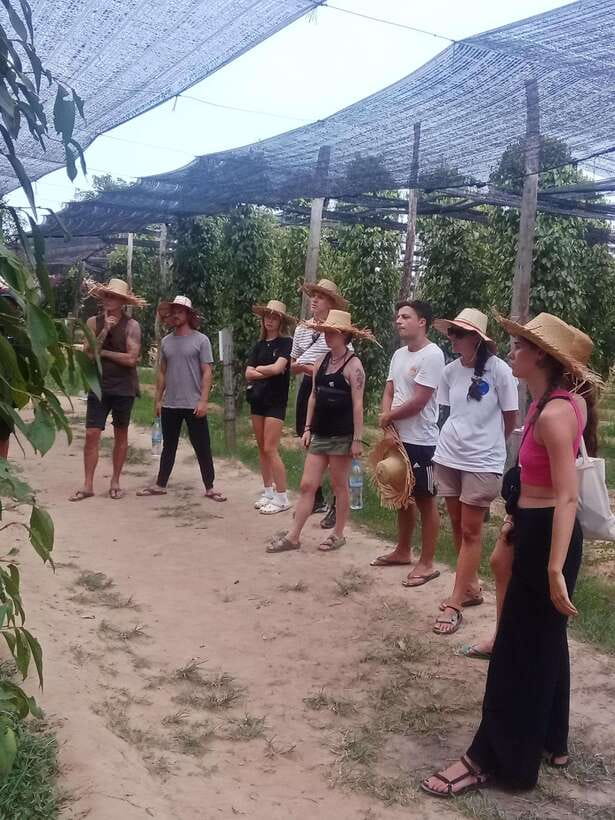
Kep’s Crab Market is scheduled for about 1 hour, with a photo stop and guided visit time plus self-guided walking. This is where the tour shifts gears from learning to eating atmosphere.
The crab market area is built for people watching—locals, vendors, and the whole seafood energy you don’t usually get in Kampot town. And the tour is specifically designed so you can eat here in the Kep style. Several descriptions mention crab meals and seafood cooked with Kampot pepper, including dishes like crab amok.
One important practical point: the tour price doesn’t list lunch as a separate included item, but the schedule is structured to make time for a seafood meal. So treat lunch as a planned expense unless you get confirmation it’s fully covered. Either way, you’ll have the time to grab something without scrambling.
If you care about food value, this stop tends to deliver because it’s tied to the area’s main product. And yes—pepper shows up in the way you’d hope.
Kep Beach Break: Quick Sea Air to Finish the Day
After the market, you get a short Kep beach visit (about 20 minutes), mostly photo time and a walk. It’s not a long beach day. Think of it as a reset button.
That matters because your day has already included caves, salt fields, and a pepper farm. The beach break gives you a mental breather, plus that sea-air feeling that makes the last stretch of the tuk tuk ride easier.
If the sun is strong, protect yourself: hat, water, and a bit of sunscreen go a long way on this kind of itinerary.
How Long You’ll Spend Where (and Why the Timing Feels Right)
This tour’s schedule is set up to keep variety high without letting any one stop swallow the day.
- Salt fields: quick, focused look at how salt harvesting works
- Cave: longer than you’d expect for a single stop, with guided time and temple/cave exploration
- Pepper farm: the longest segment besides the market, giving you tasting + learning + shopping time
- Crab market + beach: enough time to eat and experience Kep without turning the day into a slow crawl
This is also why it’s often recommended as a first “outside the city” day from Kampot: it hits multiple themes (production, history, culture, food, coast) in one go.
And because some days can run with small groups (one review mentioned just three people in the tuk tuk), you might feel like it’s tailored rather than mass-tour.
Price and Logistics: The Real Math Before You Book
Let’s do the simple math.
At $25 per person, you’re paying for:
- a full guided day (about 7 hours)
- tuk tuk transport
- entry fees
- water
- pepper tasting
- coconut
Then there’s the optional-ish cost layer:
- $5 extra if you’re outside Kampot town (about 5 km from the Durian roundabout)
- likely spending for lunch if your guide stops at restaurants and food isn’t fully included in your booking
If you compare this to piecing together separate transportation + separate entry fees + separate guide time, the value often holds up. You’re essentially buying one English-speaking guide’s structure plus a compact “best of” route.
Who Should Book This Day Trip (and Who Might Not Love It)
This is a great fit if you want:
- countryside sights without heavy planning
- a guided pepper farm with tasting
- Kep crab market experience without losing the whole afternoon to getting there
- a relaxed pace with time to ask questions
It may be less ideal if:
- you’re very sensitive to road bumps (the tuk tuk ride can feel bouncy)
- you prefer long stays at one place instead of variety
For families and solo travelers, it often works well because the schedule is structured but the guide can keep the day flexible. Reviews also mention guides being caring and making sure you feel safe.
Should You Book This Tuk Tuk Pepper and Kep Day Trip?
I think you should book it if you’re in Kampot for more than a couple days and you want a single, efficient way to experience salt production, cave scenery, pepper farming, and Kep seafood without the hassle of stitching together transport.
I’d skip or rethink if your #1 goal is a slow, one-place beach day, or if you have significant mobility/back sensitivity and know you’ll struggle with tuk tuk road conditions.
If you do book, do two simple things:
- bring shoes you trust for cave steps
- come ready to ask questions—this tour’s best moments are the stories your guide connects to each stop
FAQ
How long is the tour?
It runs for about 7 hours.
What’s the pickup information for this tour?
Pickup is included from accommodation, with pickup options listed as Kampot Province 7-Eleven or Kampot Spean Chas.
What vehicle do they use?
The tour uses a tuk tuk.
Is there an English-speaking guide?
Yes. The tour includes a live tour guide in English.
What’s included in the price?
Included items are tuk tuk transport, pickup from your accommodation, water, entry fees, pepper tasting, and coconut.
Are there extra fees besides the $25 price?
There is an extra $5 for pickup and drop-off outside Kampot town (about 5 km from Durian roundabout).
What major stops does the tour include?
You’ll visit areas including the salt fields, Phnom Chhngok Cave, La Plantation pepper farm (with pepper tasting), Kep Crab Market, Kep Beach, and the Secret Lake.
Can I cancel for a refund?
Yes. Free cancellation is offered up to 24 hours in advance for a full refund.