Jaipur’s Old City is a maze with a plan. This heritage walk + e-rickshaw ride mixes smart sightseeing stops with real daily-life scenes, starting at the flower market and running past icons like Hawa Mahal and Govind Devji Temple. I especially like how you get the sensory stuff (blooms, spices, chai breaks) and the photo-ready architecture without feeling rushed. One thing to consider: parts are still walk-and-climb, including time at Isarlat Tower, so wear comfortable shoes if you’re sensitive to stairs.
You can do this tour in the morning or evening, which changes the mood fast. Morning leans into markets and colors; evening leans into sunset light over Jaipur’s landmarks. Either way, you’ll get hotel pickup and drop-off, a friendly English-speaking guide, and street-food tastings (tea/coffee and sweet lassi with snacks) that keep the walk from feeling like a lecture.
This tour is also set up as a private group experience, so you’re not stuck watching people half a mile ahead. I’ve seen guide names like Sayyed, Ali, and Nameera come up in feedback, and the common thread is clear explanations and practical pacing. If you want a short, high-value way to see more than the usual selfie spots, this one fits nicely.
In This Review
- Key highlights to know before you go
- How the morning vs evening choice changes your Jaipur experience
- Flower market to Hawa Mahal: sensory start, then iconic architecture
- Isarlat Tower and Tripolia Gate: short stops that actually tell stories
- Jalebi Chowk to Govind Devji Temple: the City Palace area as a living crossroads
- Pink City lanes by e-rickshaw: covering old streets without burning out
- Albert Hall Museum stop: a classic finale for photos and architecture fans
- Street-food tastings and chai Q&A: where the tour becomes memorable
- Price and value: why about $11.18 can make sense
- Who this tour fits best (and who should pick something else)
- Quick practical tips before you book
- Should you book the Jaipur Heritage Walk with Rickshaw Ride?
- FAQ
- How long is the Jaipur Heritage Walk with Rickshaw Ride?
- What food and drinks are included?
- Does the tour include hotel pickup and drop-off?
- Are admission tickets included for the stops?
- Is this tour private or shared with other groups?
- Can I cancel for a full refund?
Key highlights to know before you go
- Flower market start: you begin with local vendors arranging flowers for ceremonies and the smell of fresh blooms
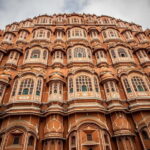
- Hawa Mahal in context: see the pink façade and its over 900 small windows meant for royal women’s viewing
- Isarlat Tower payoff: a climb to an 18th-century viewpoint that rewards you for the effort
- Old City gates and chowks: Tripolia Gate and Jalebi Chowk link royal history to everyday street life
- Pink City lanes by e-rickshaw: you cover more ground without burning out
- Chai-shop Q&A close: you end with conversation and tastings instead of just a drop-off
How the morning vs evening choice changes your Jaipur experience
This tour runs about 3 to 4 hours, with options for morning or evening. That flexibility matters more than you might think, because Jaipur’s Old City has two very different rhythms.
In the morning, you’re stepping into market energy early—especially at the flower market, where vendors work and rearrange blooms for ceremonies. You’ll get the feeling of Jaipur as a living city, not a museum.
In the evening, you get a softer light and the promise of sunset glow over landmarks. That matters for photos, but it also makes the walk feel easier on your eyes and (usually) your temperature. If you’re the type who finds heat exhausting, evening can be the smarter pick.
Either way, you’ll be guided between stops with hotel pickup and drop-off, so you spend less time figuring out where to stand and more time actually seeing.
You can also read our reviews of more tours and experiences in Jaipur.


Flower market to Hawa Mahal: sensory start, then iconic architecture
The tour kicks off at the flower market, and it’s a great way to begin because it tells you what’s going on in Jaipur today. You’re not just looking at buildings; you’re watching people do their jobs—selling, arranging, and preparing flowers for ceremonies. The colors and fragrance are immediate, and you’ll likely notice how that market ties into the city’s religious and festive life.
Next comes Hawa Mahal (Palace of Breeze). This is the stop most people know by name, but the guide-focused version is what makes it click. You’ll see the pink sandstone façade and the distinctive latticework, plus the story behind the over 900 small windows. They weren’t random decorations—they were designed for royal women to observe life from within the palace.
Practical note: Hawa Mahal is a photo magnet, so expect a bit of crowding around the most iconic angles. The upside is that your guide can help you time your shots and understand what you’re looking at, instead of just taking pictures and moving on.
Isarlat Tower and Tripolia Gate: short stops that actually tell stories
After Hawa Mahal, you move to Isarlat (Tower), where the tour turns from façade-viewing into a bit of effort. You’ll spend about 30 minutes here, including time to climb. Since it’s an 18th-century monument, you’re not just getting a view—you’re getting a sense of how this part of Jaipur used to function, and why vertical landmarks matter in a city of narrow streets.
What I like about this stop is that it balances out the earlier “look at the building” moments. You’ll walk, climb, and then be rewarded with perspectives that help you understand the layout below.
Then you’ll hit Tripolia Gate, which is smaller in time but big on meaning. It was historically a private entrance for the royal family, and it opened to the public only once when the former king of Jaipur ran for election. In other words, this gate isn’t just pretty paint—it’s a reminder that access and power were tied to specific moments.
You’ll spend about 15 minutes here, which is about right. Any longer and you risk turning history into “gate watching.” With a guide’s framing, though, it feels like a quick but solid chapter.
Jalebi Chowk to Govind Devji Temple: the City Palace area as a living crossroads
From there, you reach Jalebi Chowk, a square in the backyard area associated with the City Palace. Even if you don’t remember every detail of royal layouts, the name helps. Jalebi Chowk is named after the serpentine road that connects to the main thoroughfare from east to west—so the space reflects how streets were designed to guide movement through the royal zone.
This is another stop with about 15 minutes, which keeps the pace flowing while still giving you a meaningful “why this place matters” explanation.
Next is Govind Devji Temple, dedicated to Lord Krishna. You’ll spend about 30 minutes here, and this is where the tour feels most grounded in devotion and daily routine rather than just royal architecture. The guide context is important because temples can look similar from a distance, but the details and the purpose are the point.
A highlight of this finish is what happens right after the temple. The tour moves to a nearby chai shop for a Q&A session, so you can ask questions and make sense of what you’ve just seen. It’s a small touch, but it turns the tour from a list of stops into an actual conversation about Jaipur.
Pink City lanes by e-rickshaw: covering old streets without burning out
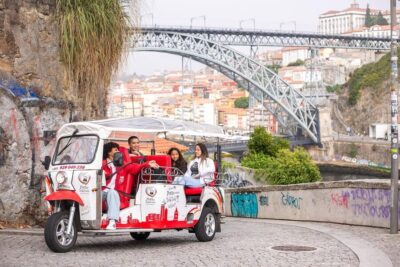
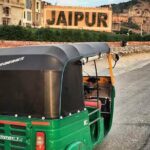
Now you get to the fun part: exploring the Pink City streets by e-rickshaw. This segment is about 1 hour, and it’s one of the best ways to see old neighborhoods without wearing yourself down before the last stops.
In practical terms, the e-rickshaw helps you cover more ground through narrow market lanes. You’ll pass colorful shops and bazaars, and the pace feels more “watch the city happen” than “keep up with the schedule.” For photos, you also get different angles than you would walking—especially in street sections where the buildings hug close.
If you’re hoping to buy small things (spices, snacks, souvenirs), this is a good time to pay attention. The tour route doesn’t turn into a shopping spree, but being in the market zone means you’ll naturally understand what locals are selling and why.
Personal tip: bring your best patience. Old Jaipur streets are active and layered. Even with the e-rickshaw, it’s not a theme-park ride. The payoff is that it feels real.





Albert Hall Museum stop: a classic finale for photos and architecture fans
The tour ends at the Albert Hall Museum area. You won’t be doing a long museum session here—expect around 30 minutes focused on admiring the architecture from the outside.
The building’s style is described as Indo-Saracenic, and that’s a good word to remember if you like architecture. Indo-Saracenic blends Indian design elements with other influences, and the result is that the museum façade can look like multiple traditions in one frame.
This works well as a finale because it’s a clean “wrap-up image” after temples, gates, towers, and market lanes. It’s also an easy place to decide your next step—whether you want to keep wandering or head back.
Street-food tastings and chai Q&A: where the tour becomes memorable
Food is part of why this walk works. Included tastings are tea/coffee and sweet lassi with snacks. This is not a full meal, but it’s a smart approach for a short tour: you get fuel, you get local flavors, and you don’t lose half your afternoon to lunch logistics.
The chai shop Q&A after Govind Devji Temple also turns the tour into something more personal. Instead of rushing you out after the last landmark, you get a chance to ask what you still want to understand—how stories connect, what to notice on your own next day, and what might be worth revisiting.
If you’re traveling with kids or friends who get bored with long explanations, this food-and-conversation format can be a lifesaver. It breaks up the sightseeing rhythm.
Price and value: why about $11.18 can make sense
At $11.18 per person, the big value is what you’re getting bundled together.
You’re paying for:
- an English-speaking guide
- hotel pickup and drop-off
- a full walking itinerary through major Old Jaipur landmarks
- an e-rickshaw ride for the Pink City segment
- street-food tastings (tea/coffee, sweet lassi, snacks)
- group pricing (with a note about group discounts) and a mobile ticket
That’s a lot of components for a low sticker price. The likely reason it works: the tour is designed as a short, efficient loop with mostly included stops (admission tickets for the listed stops are marked as free in the itinerary details). You’re not stuck paying for many separate entrances.
The main value trade-off is time. You won’t get a multi-hour deep dive at any single site. But if you want a high-coverage introduction to Old Jaipur, that’s the point.
Who this tour fits best (and who should pick something else)
This tour is best for you if:
- you want a first-time Jaipur orientation focused on Old City highlights
- you like walking but want a smart break with an e-rickshaw segment
- you want a guide to connect architecture, gates, markets, and temples into one story
- you value included tastings and pickup/drop-off to reduce hassle
It may be less ideal if:
- you strongly dislike stair climbing, since Isarlat Tower includes a climb
- you want a long museum visit or a full day of wandering
- you’re expecting guaranteed extra stops; while some guides have offered add-ons like Amber Fort when it fits, that’s not something to count on
If you’re in Jaipur for a short time, this is the kind of tour that helps you decide what to revisit on your own.
Quick practical tips before you book
- Wear comfortable shoes. You’ll do walking plus a climb at Isarlat Tower.
- Bring a light layer for morning or evening. Even if the afternoon is hot, mornings and sunsets can feel different.
- If you’re planning photos, evening is often easier for lighting, while morning gives you market energy.
- You’ll end near Albert Hall Museum, so keep that area in mind for your next activity.
Should you book the Jaipur Heritage Walk with Rickshaw Ride?
Yes, I’d book it if you want a low-stress, high-coverage introduction to Old Jaipur. The combo of iconic stops (Hawa Mahal), meaningful gates (Tripolia Gate), a viewpoint climb (Isarlat Tower), temple time (Govind Devji), and then the Pink City streets by e-rickshaw is a well-balanced way to see the city without spending your whole day organizing transport.
Skip this only if your priority is a deep, slow museum or fort day. For that, you’d want a different plan. But for a first (or second) look at Jaipur’s heritage district, this one is a strong value—especially because the guide + tastings + pickup/drop-off reduce the annoying parts of traveling.
FAQ
How long is the Jaipur Heritage Walk with Rickshaw Ride?
The tour runs about 3 to 4 hours.
What food and drinks are included?
You’ll get street-food tastings including tea or coffee, sweet lassi, and snacks.
Does the tour include hotel pickup and drop-off?
Yes. Hotel pickup and drop-off are included.
Are admission tickets included for the stops?
Admission tickets are listed as free for the stops in the itinerary.
Is this tour private or shared with other groups?
It’s set up as a private tour/activity, meaning only your group participates.
Can I cancel for a full refund?
Yes. You can cancel for free up to 24 hours in advance for a full refund. If you cancel less than 24 hours before, the amount is not refunded.