REVIEW · PARIS
Paris : Private guided tour in Rickshaw bike – Napoléon
Book on GetYourGuide →Operated by GoTurtle · Bookable on GetYourGuide
A pedicab turns Paris into your own timeline. This private Napoléon route links the big sights with a 180° view and frequent chances to stop for photos, so you feel like you’re steering your day instead of chasing it.
I especially like how the cycle-lane approach keeps the ride “city-paced,” not stressful. You get the monument story without the usual scramble.
My second favorite part is the built-in rhythm: photo breaks plus guide talk. On the longer option, the route sweeps from major royal-and-empire landmarks toward the Seine area, with commentary designed to help you recognize what you’re seeing. It’s also nice that you can travel as a small party, typically up to two people.
That said, this kind of tour is only as good as the driver and setup. One booking had music too loud for instructions, communication was hard, and the tour reportedly ended early without the promised return—so you should clarify pickup/return details up front and keep your expectations practical.
In This Review
- Key things to know before you ride
- Why a Napoléon pedicab tour is such a smart Paris move
- What you actually get: private transport, guide talk, and photo breaks
- Meeting at Place de la Concorde: getting started without fuss
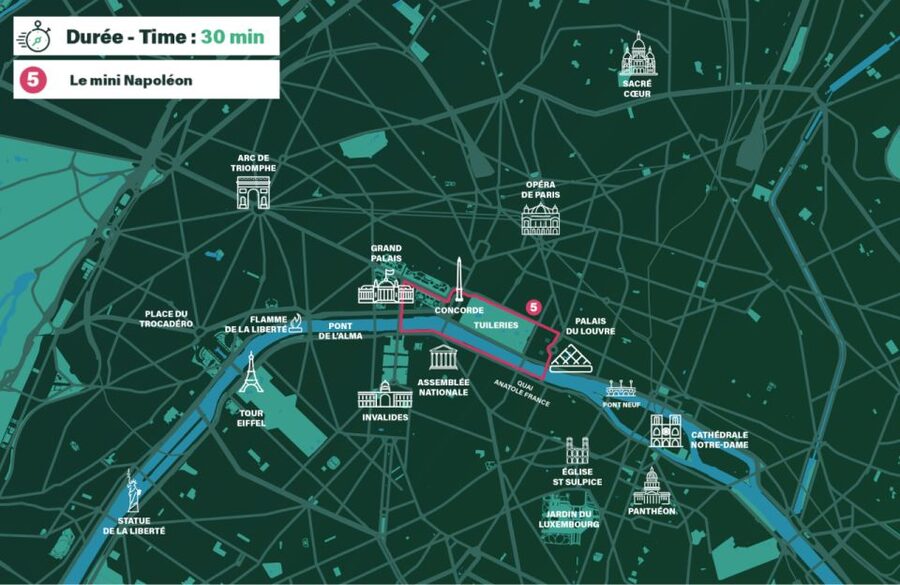
- The 30-minute Mini Napoléon vs the 1-hour Napoléon loop
- 30 minutes: Mini Napoléon
- 1 hour: Napoléon
- Stop-by-stop: what each landmark is doing for your tour
- 1) Place de la Concorde (start and end)
- 2) Hôtel de la Marine
- 3) Champs-Élysées
- 4) Arc de Triomphe area
- 5) Grand Palais
- 6) Pont Alexandre III
- 7) Les Invalides
- 8) l’Assemblée Nationale
- 9) Musée d’Orsay (Seine ride)
- 10) Pont des Arts
- 11) Musée de la Monnaie
- 12) Pont Neuf
- 13) Notre-Dame Cathedral
- 14) Hôtel de Ville
- 15) Arc de Triomphe du Carrousel
- 16) Louvre Museum (pyramids and the Louvre zone)
- 17) Palais Garnier
- 18) Rue de la Paix
- 19) Place Vendôme
- 20) Back to Place de la Concorde
- Timing on the road: how to get the best experience in 30–60 minutes
- Guide and driver quality: what to look for (and what to avoid)
- Comfort, WiFi, and rules that actually matter
- Languages: making sure you won’t miss the story
- Price and value: is $23 per person actually a good deal?
- Who should book this pedicab tour—and who might prefer something else
- Should you book the Napoléon pedicab tour?
- FAQ
- Where does the Napoléon pedicab tour start?
- How long is the tour?
- How much does it cost?
- Is the tour private?
- Do I get picked up from my hotel?
- Will the tour run in bad weather?
- Is there WiFi during the ride?
- Are there photo stops?
- What languages are available for the guide and audio?
- What’s not allowed during the tour?
Key things to know before you ride
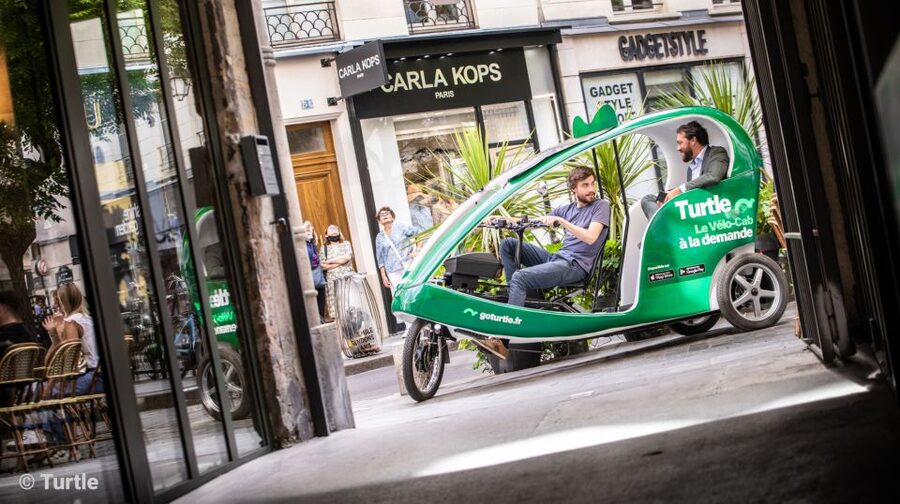
- 180° view from the comfortable seat makes photos and skyline watching much easier
- 20+ landmark photo stops on the 1-hour version, with a tighter mini loop for 30 minutes
- Private, small-group feel (up to 2 people) so you can ask questions on the move
- WiFi on board + multilingual guide options, with an audio guide backup
- Rain or shine with weather protection planned for different seasons
- Driver quality varies, based on how reviews describe language, volume, and smoothness
Why a Napoléon pedicab tour is such a smart Paris move
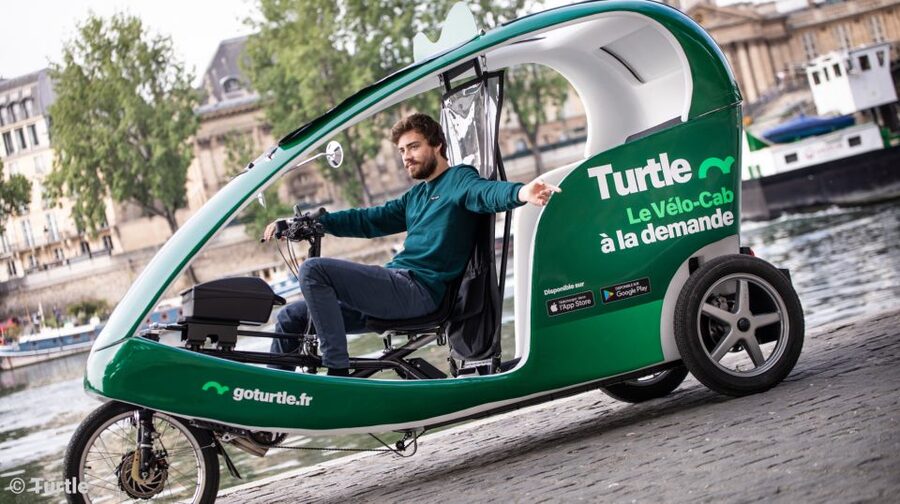
Paris is one of those cities where you can spend all day “sightseeing” and still feel like you missed the point. This private pedicab tour gives you the opposite vibe. You’re not just passing landmarks; you’re learning how the city’s power centers connect across time—Napoléonic-era grandeur, earlier royal splendor, and the monuments people still use as Paris reference points.
I like the practical design here: a ride that works for real timing. In 30 minutes to 1 hour, you can see a lot of iconic faces—Louvre pyramids, Notre-Dame, Arc de Triomphe zones, the Seine bridges—without burning your legs on stairs and long walks between photo spots.
And because you sit at an angle with an extra-wide view, you’re not constantly twisting your body like you would on a crowded bus. It’s a small thing, but it changes how you take photos and how you notice details.
You can also read our reviews of more tours and experiences in Paris.
What you actually get: private transport, guide talk, and photo breaks
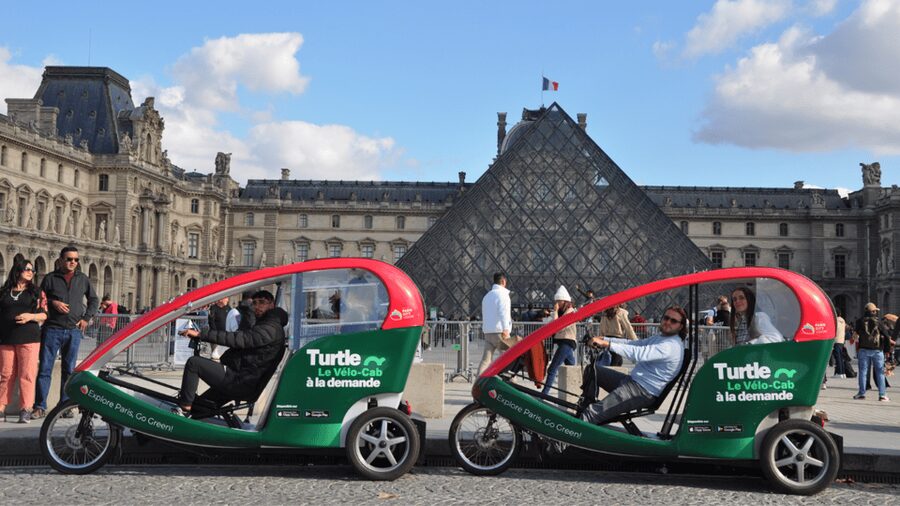
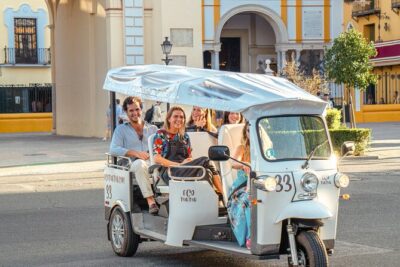
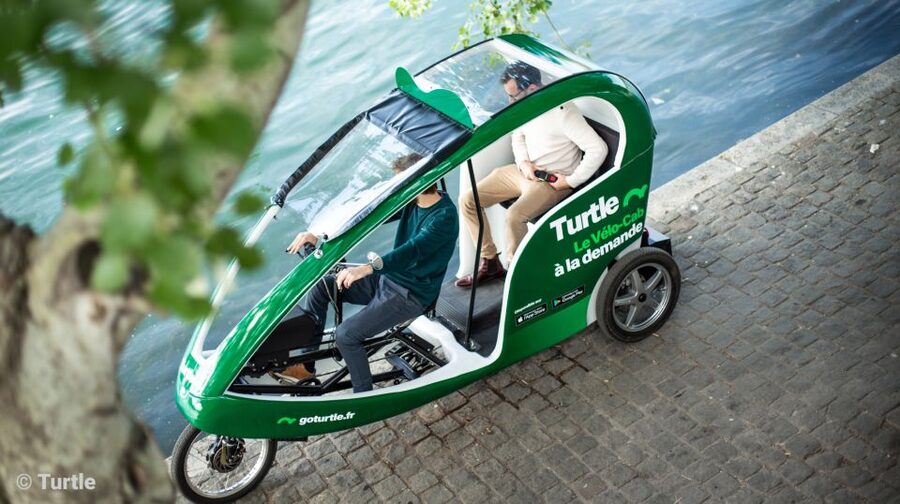
This is a private guided experience by pedicab (a rickshaw-style cycle ride), driven by an experienced driver. You travel along cycle lanes, which is a big deal in central Paris where things can get hectic. The driver’s job is not just motion—it’s positioning you so you get a clear sightline and a safe moment to stop.
Here’s what the experience includes that matters day-to-day:
- Photo breaks during the tour (not just “drive-by” views)
- A live guide available in multiple languages, plus an audio guide in several languages
- WiFi on board so you can quickly send photos or check the next stop
- Pet friendly policy, which is helpful if you’re not traveling light
- Weather protections planned for different seasons, and the tour runs rain or shine
If you’re the type of traveler who likes stories but hates doing homework, this setup fits you well. The guide helps you connect names to visuals. And if your language comfort is mixed, the audio guide helps you keep up.
Meeting at Place de la Concorde: getting started without fuss
The meeting point is Place de la Concorde, right in front of the main exit of the Jardin des Tuileries. That’s a convenient hub location: you’re near a major landmark by default, and it’s easy to orient yourself once you arrive.
What I’d do if I were planning your day: show up a little early so your driver can confirm your exact starting spot and you can settle into the seat before you start moving. For a short tour window, that early buffer helps a lot.
Also, if you arranged hotel pickup (available within an area near the start), confirm pickup and drop-off clearly. One negative experience mentioned the driver not returning to accommodation after a pickup arrangement, so it’s worth getting this straight before you commit extra fees.
The 30-minute Mini Napoléon vs the 1-hour Napoléon loop
You’ve got two time options, and they change the feel of the ride.
30 minutes: Mini Napoléon
The mini version is a quick hits-the-icons approach. You start from the Louvre area—yes, including the Louvre Museum and its pyramids—then pass the Tuileries, Concorde, and reach the Pont Alexandre III area. It’s ideal if you want a fast orientation in central Paris or you’re fitting the tour between other plans.



1 hour: Napoléon
The 1-hour tour expands the route into a fuller “center stage” sweep. You’ll see the Notre-Dame Cathedral area, pass big monument names like the National Opera / Palais Garnier zone, and include central fashion-and-finance streets like Place Vendôme and Rue de la Paix. It also builds in the Seine experience, including a ride toward the Musée d’Orsay area.
If you only have one chance and you want the most value per hour, I’d choose the full 1-hour option.
Stop-by-stop: what each landmark is doing for your tour
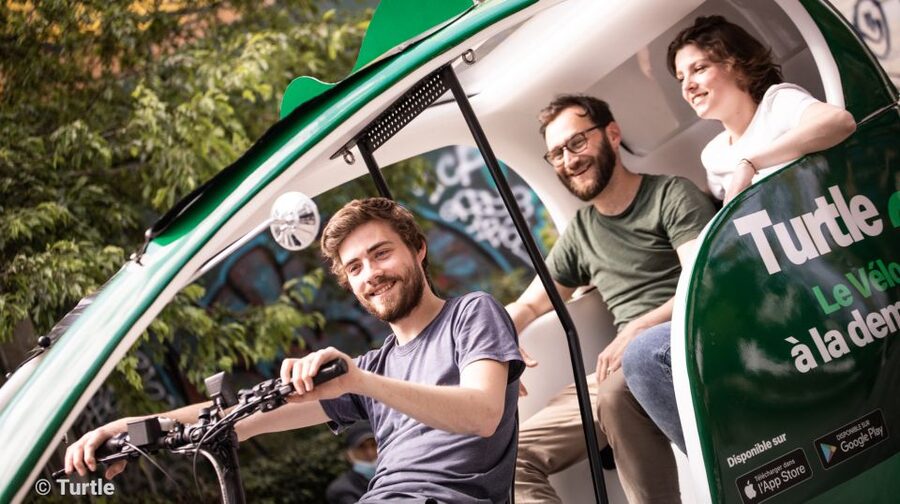
Below is the core run of the longer route. Not every stop will feel equally “stop-and-stare” for everyone, so I’m focusing on what each one gives you—plus what to watch for during your photo break.
1) Place de la Concorde (start and end)
You begin and end at Place de la Concorde, one of Paris’s cleanest “starting line” squares. It’s broad and open, which makes it easier for the pedicab to line up for a good view. Ending back here is also convenient because it keeps you near transport options.
2) Hôtel de la Marine
This is a classic Paris “look up and notice the façade” moment. The photo stop works best when you slow down and frame the building rather than trying to capture everything at once.
3) Champs-Élysées
The Champs-Élysées often feels like a name you’ve heard forever—until you see it from a ride that lets you watch the street rhythm. The view changes as you move, and you get a sense of scale that’s hard to feel from a standing sidewalk spot.
4) Arc de Triomphe area
You get a photo break here for a reason: the Arc is one of Paris’s main reference points. During a short tour, you’re not there for a museum day. You’re there to “place” it in relation to everything else.
5) Grand Palais
The Grand Palais stop is about recognizing the architecture style and the cultural role of that space. It’s a monument you’ll often see mentioned in art and exhibition stories, and seeing it live helps you understand why.
6) Pont Alexandre III
This bridge stop is where the Seine story starts to feel real. It’s a big, dramatic crossing, and the 180° view helps you angle for both the bridge structure and the surrounding views.
7) Les Invalides
This is a powerful site for anyone who likes military history and stately memorial energy. Even if you don’t go in, the outward context makes the monument’s importance easier to grasp.
8) l’Assemblée Nationale
A quick stop like this is perfect for giving you political context—how Paris’s identity lives in institutions as much as in cafés and museums.
9) Musée d’Orsay (Seine ride)
The Musée d’Orsay area shows up on the longer tour for a reason: it anchors you to the river corridor. If you like Impressionist-era associations, you’ll appreciate how often this stretch appears in Paris “best of” conversations—and you’ll get the view from the ride.
10) Pont des Arts
This bridge is more about photo variety than single-point “wow.” It’s a strong stop for seeing how the Seine’s crossings connect neighborhoods and viewpoints.
11) Musée de la Monnaie
This is the kind of stop that benefits from a guide. From the outside, it’s easy to underplay it. With commentary, it turns into a meaningful part of Paris’s role in craftsmanship and state functions.
12) Pont Neuf
Pont Neuf is a recognizable name, but a ride gives you what photos can’t: the sense of movement and alignment with the river. You’ll likely get a clearer feel for where you are in the city.
13) Notre-Dame Cathedral
This is the emotional “centerpiece” stop for many people. The value of this photo break is not just the view—it’s that the guide talk helps you understand why this spot matters in Paris’s identity and storytelling.
14) Hôtel de Ville
The town hall area adds another layer: Paris isn’t only imperial monuments. It’s also governance, civic pride, and public space.
15) Arc de Triomphe du Carrousel
This is a more niche landmark than the main Arc, which is exactly why it’s great on a tour. It gives you extra Napoléon-flavored context without adding a ticket line.
16) Louvre Museum (pyramids and the Louvre zone)
Even if you’ve seen pictures, seeing the Louvre and its pyramids from this route helps you place the museum as a city object, not just a building on a list.
17) Palais Garnier
The Palais Garnier / opera zone is about elegance. It’s also a stop that benefits from someone narrating, since the architecture is visually dramatic but not always “obvious” unless you know what you’re looking for.
18) Rue de la Paix
This stop adds a Paris contrast: grand monuments to luxury street energy. You’ll feel how the city’s identity changes block by block.
19) Place Vendôme
Place Vendôme is a great final “wow” stop before you head back. It’s classic Paris geometry and a strong photo backdrop, especially if you like seeing the city’s different moods in a short ride.
20) Back to Place de la Concorde
Ending where you started makes the experience feel tidy. You’re not stuck trying to navigate your way back after a short tour.
Timing on the road: how to get the best experience in 30–60 minutes
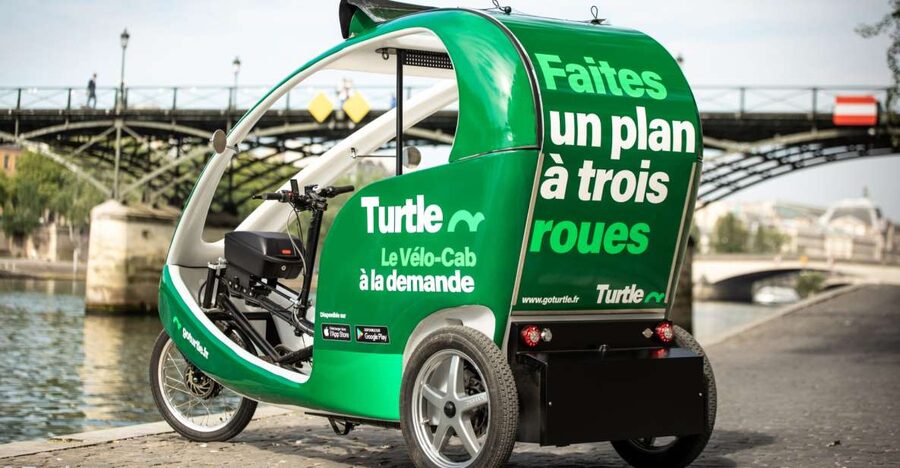
With a tight time window, the biggest variable is how much your driver keeps things moving versus how often you stop. Photo breaks help, but they can also mean you’ll have less time at each one.
My practical advice: decide in advance what you want most—big skyline photos, or more guide conversation. If you’re traveling with teens or family who want quick photo moments, tell your guide early. If you want history, ask the driver to spend a few extra minutes on the stops that matter most to you.
Also, remember that you ride along cycle-lanes, so comfort is usually good, but you’ll still feel the city’s pace. Wear shoes that make you comfortable if you hop down at photo stops.
Guide and driver quality: what to look for (and what to avoid)
The strongest theme in the good experiences is driver friendliness and storytelling. One standout name that showed up in a review is João (Joao Fernandez mentioned). The description highlights patient explanations and tons of photos. Another positive review praised Ismael for punctuality and helpfulness.
That same review set also shows how a tour can go sideways when communication or volume isn’t right. One negative experience mentioned:
- difficulty understanding the driver’s English
- music too loud for instructions or commentary
- a feeling that driving was erratic and the safety didn’t feel solid
- ending the tour early and not returning to accommodation as expected
Here’s how to protect yourself without getting stressed:
- Ask about language up front when you book, and be ready to switch to the audio guide if needed.
- Keep your expectations realistic: a short tour can’t match a long walking day.
- If you’re paying extra for pickup/return, confirm the exact plan in writing or on the spot before you start rolling.
- If the driver’s music level blocks commentary, ask right away for it to be lowered.
This kind of tour can be great—just treat it like any service in Paris: clear communication is part of the value.
Comfort, WiFi, and rules that actually matter
This pedicab ride is built for comfort. You have a comfortable seat, and the 180° view is a genuine quality-of-life factor. WiFi on board is also included, which is handy in Paris when you want to map the next stop or share photos instantly.
A small but important rule set:
- Alcohol and drugs aren’t allowed.
- The tour runs rain or shine, with weather protections prepared for different seasons.
If you’re visiting in cooler months, dress like you’ll be near outdoor air a lot. Even with protections, you’re still moving through open streets.
And if you’re traveling with a pet, the fact that it’s pet friendly matters. Bring your own patience and keep the pet settled so you can enjoy the views and not stress the driver.
Languages: making sure you won’t miss the story
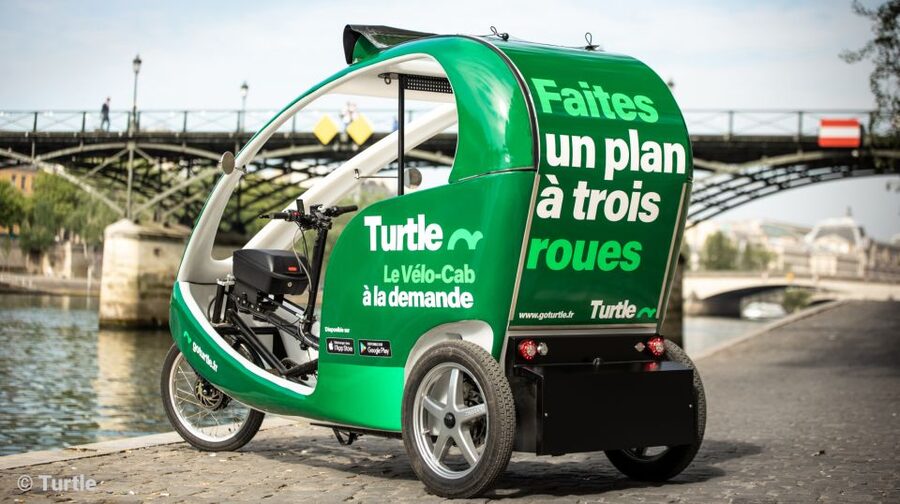
You’re not limited to one language. The live guide can operate in English, French, Spanish, Arabic, Portuguese, Italian, and Polish. There’s also an audio guide included in several languages (English, French, Spanish, German, Japanese, Dutch).
If you want to maximize understanding, choose the option where your guide language matches yours. If not, use the audio guide to keep up. Either way, you’ll get the history behind the monuments—just be ready for the occasional moment where pronunciation or volume could make it harder.
Price and value: is $23 per person actually a good deal?
At $23 per person for 30 minutes to 1 hour, the math is mostly about efficiency and included value.
You’re paying for:
- private transport (not a shared big-vehicle tour)
- a driver and guide
- photo breaks
- WiFi on board
- rain-or-shine operation
- multiple language support (live and audio)
If you tried to cobble this together on your own—taxis for short distances plus the “guide part” you’d need to research in advance—you’d likely spend more and get less rhythm.
The only real value risk is variability in driver communication and how strictly your pickup/return needs are handled. If you’re clear about your expectations, the price is easy to justify.
Who should book this pedicab tour—and who might prefer something else
This tour fits best if you want:
- a short, guided introduction to central Paris monuments
- photo breaks without long walking stretches
- a private ride feel, usually for up to two people
- history explanations in multiple languages
It might be less ideal if you:
- need guaranteed pickup/return to a specific hotel address without any flexibility
- are very sensitive to audio volume or communication gaps
- expect a museum-level stop time at each monument (this is a “see and understand,” not an “enter everything” day)
If you’re planning a first trip to Paris, or you want a fun “orientation loop” between bigger plans, this is a strong choice.
Should you book the Napoléon pedicab tour?
If you like the idea of getting 20+ landmarks in a compact time window and you value a guided, photo-friendly ride, I’d book it—especially the 1-hour version.
Just do two things to make the experience smoother: confirm your pickup/return details clearly if you’re adding them, and plan to use the audio guide if language volume or accent makes live commentary harder. With that, you get a clever way to see Paris’s power corridor without losing an entire day.
FAQ
Where does the Napoléon pedicab tour start?
It starts at Place de la Concorde, in front of the main exit of the Jardin des Tuileries.
How long is the tour?
The tour lasts 30 minutes to 1 hour, depending on the option you choose.
How much does it cost?
The price listed is $23 per person.
Is the tour private?
Yes. It’s described as a private group, with private transport available for up to 2 people.
Do I get picked up from my hotel?
Hotel pickup is included within a certain area near the start of the tour, and it also mentions pickup as available (with an additional fee for areas outside the standard start range).
Will the tour run in bad weather?
Yes. The tour takes place rain or shine, with weather protections planned for different seasons.
Is there WiFi during the ride?
Yes. WiFi on board is included.
Are there photo stops?
Yes. The tour includes photo breaks during the ride.
What languages are available for the guide and audio?
Live guide languages include English, French, Spanish, Arabic, Portuguese, Italian, and Polish. The included audio guide is available in English, French, Spanish, German, Japanese, and Dutch.
What’s not allowed during the tour?
The tour rules state that alcohol and drugs are not allowed.