REVIEW · AGRA
Agra: Street Food Tour with Spice Market on Tuk-Tuk Ride
Book on GetYourGuide →Operated by Coxan Tours - Private Sightseeing Tours · Bookable on GetYourGuide
Street food in Agra is a full-contact adventure. This 3-hour tour mixes a tuk-tuk ride, short walks, and a traditional rickshaw stop so you can sample Old Agra snacks like a local while still feeling looked after. I especially like how the route blends markets with big landmarks like Shri Mankameshwar Mandir and Jama Masjid, so the eating has context, not just crowd noise.
My favorite part is the guide-led tasting in places like chaat gali, where you try classics such as pani puri, aloo chaat, samosa, and aloo tikki. Guides can be Amir or Shubham, and either way you get real help choosing what to try and how spicy to go, plus safer-feeling food stops.
One consideration: this tour is not suitable for people with mobility impairments, and you’ll be on your feet on uneven market streets for a few hours. If walking is tough for you, this one may feel like more work than fun.
In This Review
- Key highlights I’d bank on
- Entering Old Agra with a private tuk-tuk and temple warm-up
- Chaat gali: where ordering becomes a mini strategy game
- Vada pav, chole bhature, and the savory comfort-food hits
- Jalebi and petha: how sweet stops change the whole tour
- Rickshaw ride views and the Spice Market health lesson
- Guides who prioritize safety and fast service: Amir and Shubham
- Price and value: what $16 buys in Agra street food terms
- What to bring and how to plan your hunger
- Who should book this Agra street food with spice market tour
- Should you book?
- FAQ
- FAQ
- How long is the street food tour in Agra?
- What time is pickup available?
- Where does pickup happen?
- What food can I try on this tour?
- Do I ride a tuk-tuk and a rickshaw?
- What languages are supported?
- Is the tour suitable for people with mobility impairments?
- What should I bring?
Key highlights I’d bank on
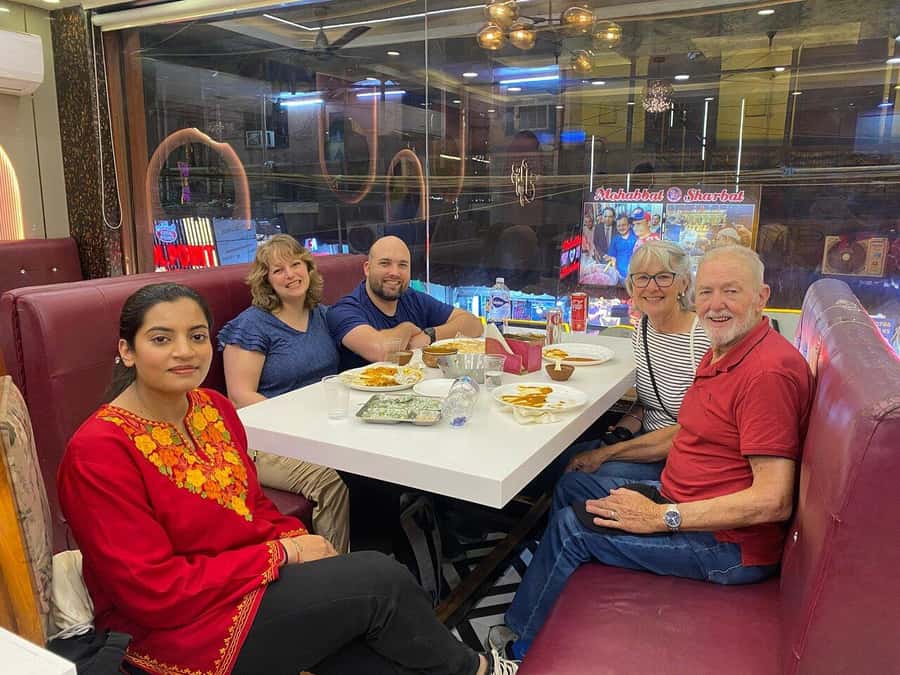
- Private pickup and tuk-tuk transport from your chosen location in Agra, timed within the 3:00 PM–6:00 PM window
- Chaat gali guided tasting with savory favorites like pani puri and aloo tikki
- Sweet stops built in: jalebi and petha show up alongside snacks and drinks like lassi
- Traditional rickshaw views that help you see the market flow without losing your place
- Spice Market education tied to medical and health learning
- Small-group attention where your guide tailors tastings to your comfort level
Entering Old Agra with a private tuk-tuk and temple warm-up
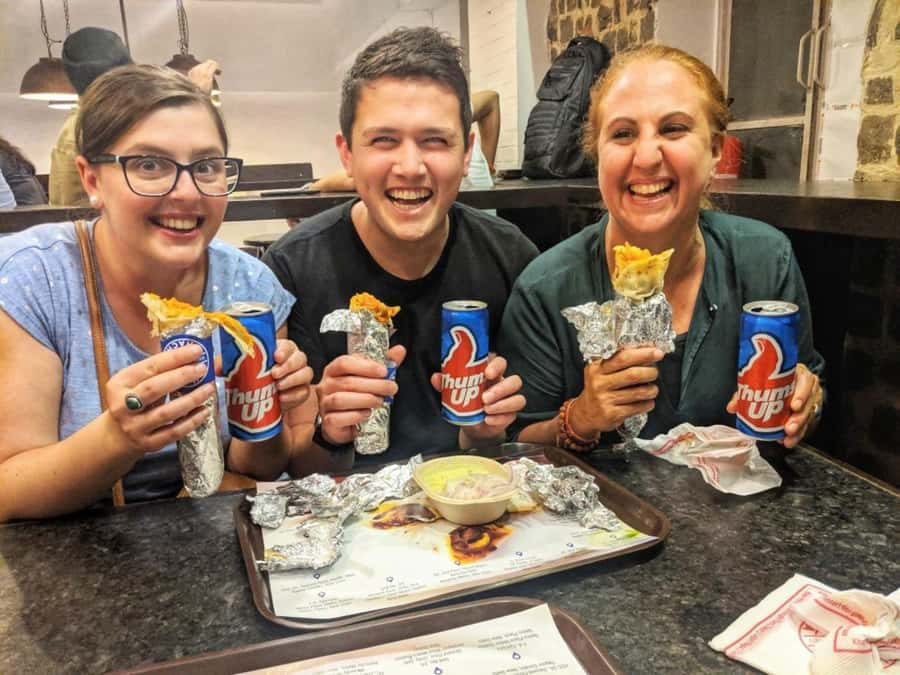
The timing matters here. You can pick up anytime between 3:00 PM and 6:00 PM, and pickup works from any location you want within Agra. That late-afternoon slot is a smart compromise: you still get daytime market energy, but you’re less likely to be stuck in the peak heat of midday.
You’ll start with a tuk-tuk transfer and a first look at two key sights: Shri Mankameshwar Mandir and Jama Masjid, built by Jahanara Begum (daughter of Shah Jahan). Even if your main goal is food, these stops help you understand where the lanes and food streets fit into daily life. It’s also a handy “settle in” phase before you start ordering snacks you’ve never tried.
Practical note: you get cold mineral water and a napkin, which is genuinely useful when you’re bouncing between stalls. Wear comfortable shoes because Old Agra streets don’t care about your schedule.
You can also read our reviews of more tours and experiences in Agra.


Chaat gali: where ordering becomes a mini strategy game
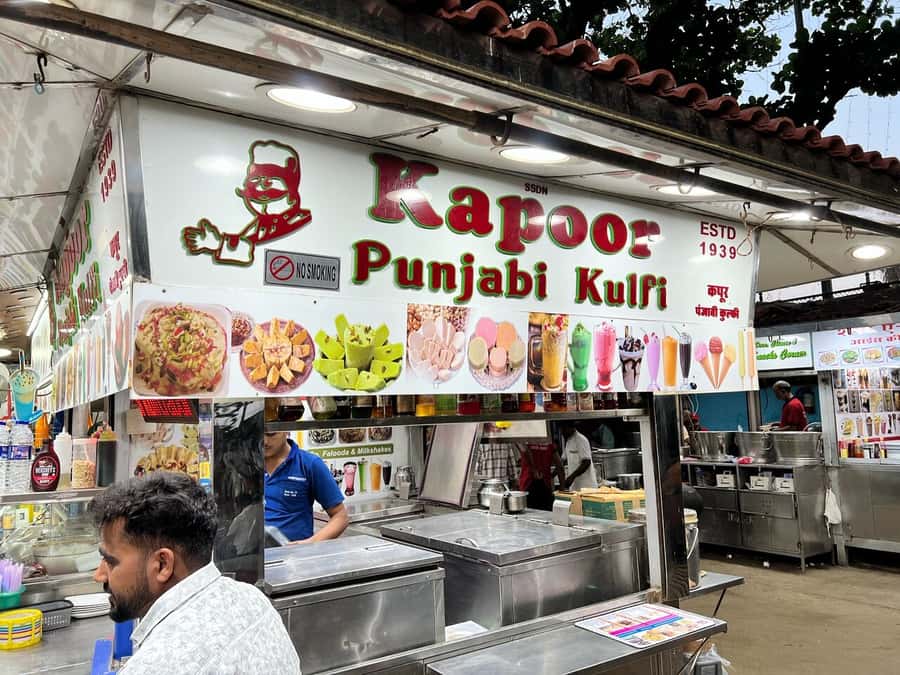
Old Agra’s food energy concentrates in areas like chaat gali, a street packed with chaat vendors. This is where your guide earns their keep, because chaat is so varied that you can easily miss the best combo if you’re just guessing.
You’ll likely taste a mix that covers different textures and flavors, including:
- pani puri (hollow crisp with savory potato, onion, and chickpea filling)
- aloo chaat and aloo tikki
- samosas and kachori
- pav bhaji
- and other chaat-style bites your guide thinks match your spice comfort
The smartest part is that your guide tailors samples to your taste and how adventurous you want to be. If you want milder flavors, you can ask for it. If you love heat, you can lean in. Either way, you avoid the common mistake of over-committing to one stall’s menu and then feeling too full to enjoy the rest.
A tip that will save your stomach: go in hungry. One guide-led approach to street food works best when you still have room for the crunch, the sauces, and the sweets later on. If you eat a heavy dinner right before, you’ll feel stuffed fast and miss the fun.
Vada pav, chole bhature, and the savory comfort-food hits
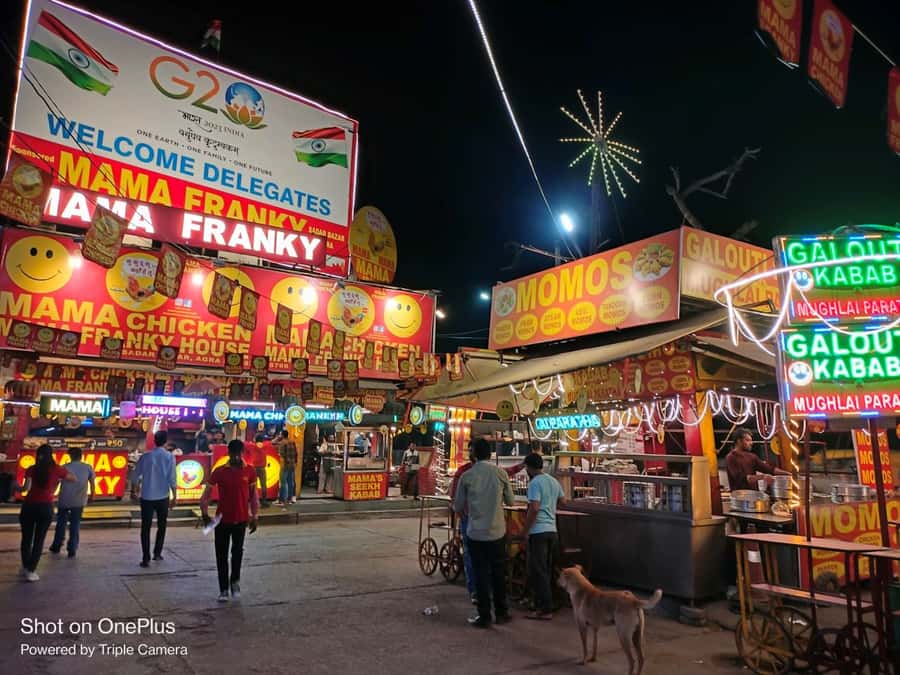
Street food in Agra is not just snacks; it’s also comfort food. You’ll sample items like jalebi later, but before that you get the satisfying savory core—think crispy, fried, sauced, and filling.
One standout mentioned in the route is vada pav, often called the Indian burger version. It’s basically a fried potato mixture with chutneys served on a bun, and it’s great when you want something portable that still tastes complex.
You also get to try chole bhature, a Punjabi dish that brings rich chickpeas plus the fried bread component. This is the kind of stop where it helps to pace yourself. Eat enough to stay energized, but leave room for the sweet section, because that’s where the tour can feel like a big payoff.
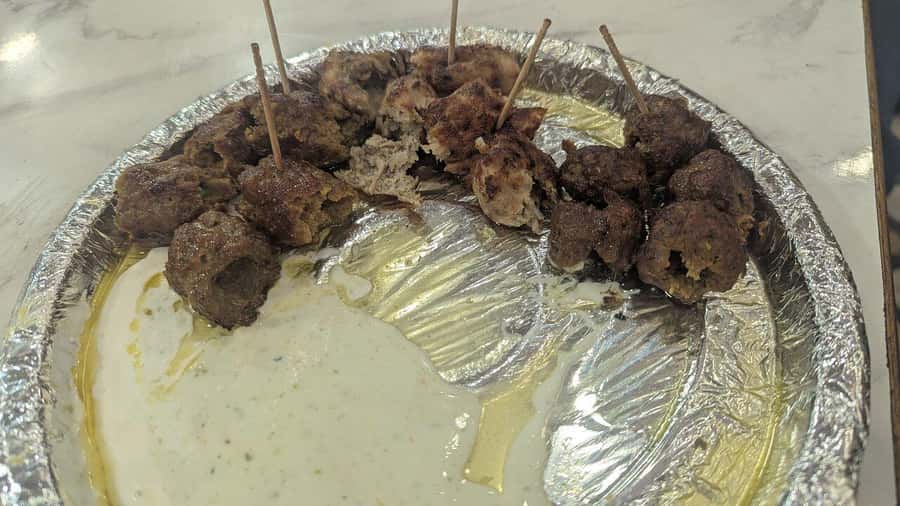
If you’ve chosen non-vegetarian tasting (it’s optional), your tour includes that option as well. If you’re vegetarian, you still get plenty of variety through chaat, fried snacks, and dairy drinks.
Jalebi and petha: how sweet stops change the whole tour
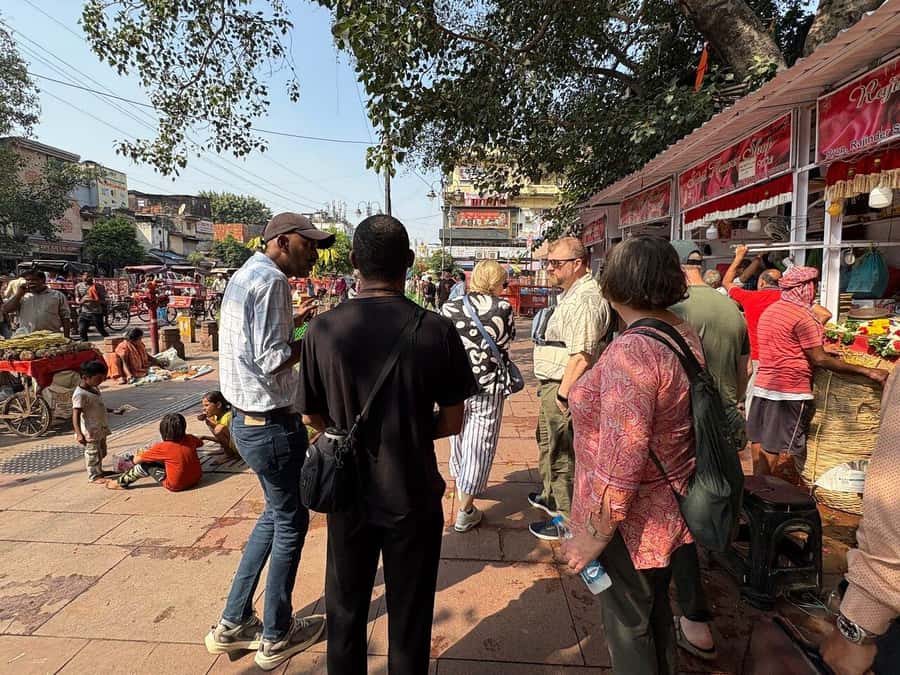
This is the part of Indian street food many people underestimate: the sweets don’t feel like dessert; they feel like a whole category of flavor.
You’ll try jalebi, known for its syrup-soaked, spiral shape and sticky sweetness. It’s usually best when your savory bites have reset your palate, so it lands like a second act rather than an afterthought.
Another sweet you’ll encounter is petha, a classic Agra dessert. It has a different texture and feel than jalebi, so you get contrast instead of just repeating the same sweetness profile. If you like trying one sweet, then one savory, then another sweet, this structure keeps things interesting.
And don’t skip the drinks if they’re part of your selection. Lassi shows up as a local pairing, and it helps balance all the fried and spiced tastes. The cold drink also gives your stomach a break before you move again.
Rickshaw ride views and the Spice Market health lesson
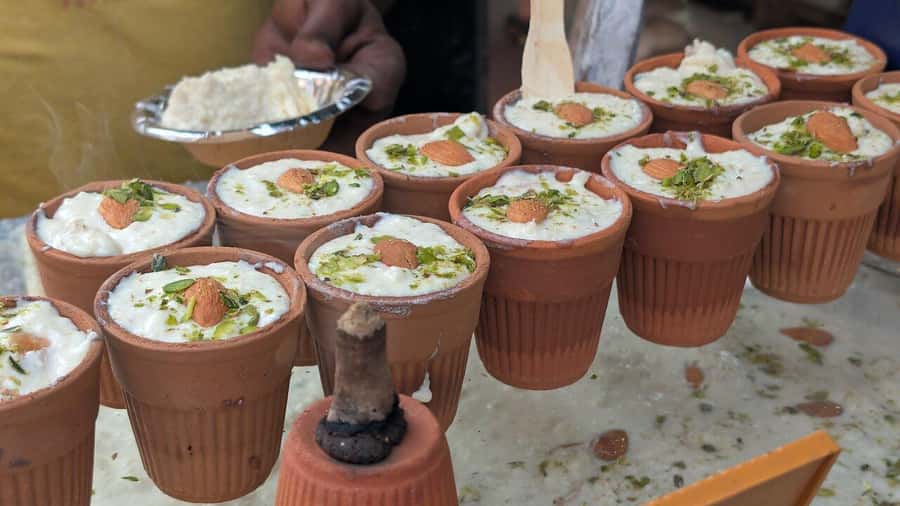
One reason I like this tour format is transport isn’t just transit. You get a traditional rickshaw ride, which makes the moving part feel like part of the experience. You can look around at the market flow—stalls, people, and the constant motion of daily commerce—without having to find your way.
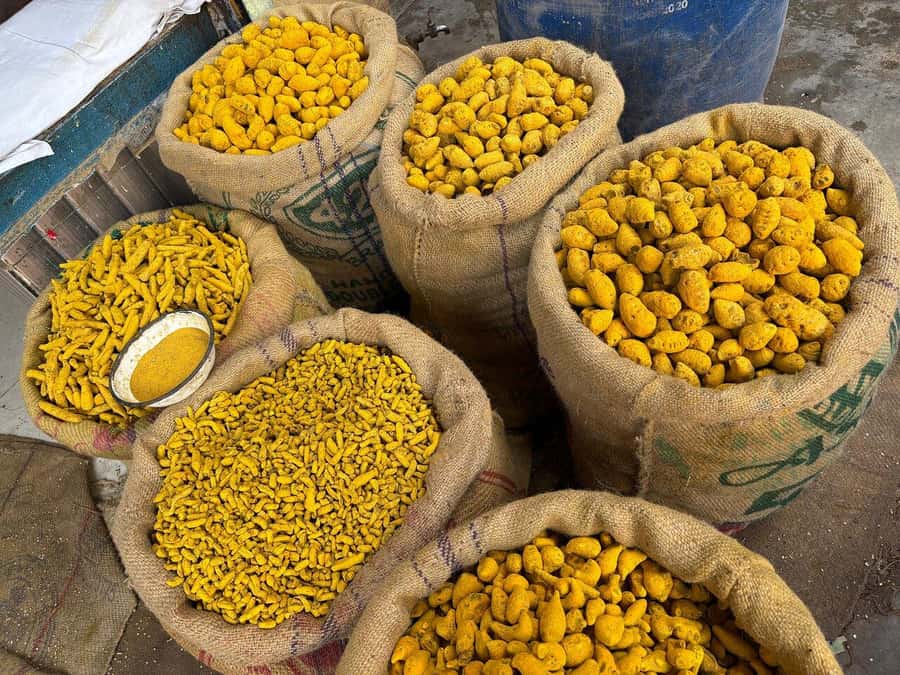
Then there’s the Spice Market stop, with learning focused on medical and health. The goal isn’t a classroom lecture; it’s a market-based explanation tied to spices people use for flavor and traditional wellness ideas. Even if you already know a few spices, you’ll probably pick up useful context on what’s common in everyday cooking.
If you like food tours that connect ingredients to the culture around them, this spice stop is a strong add-on. It also works well after eating, because your brain starts linking what you tasted to what you’re seeing.




Guides who prioritize safety and fast service: Amir and Shubham
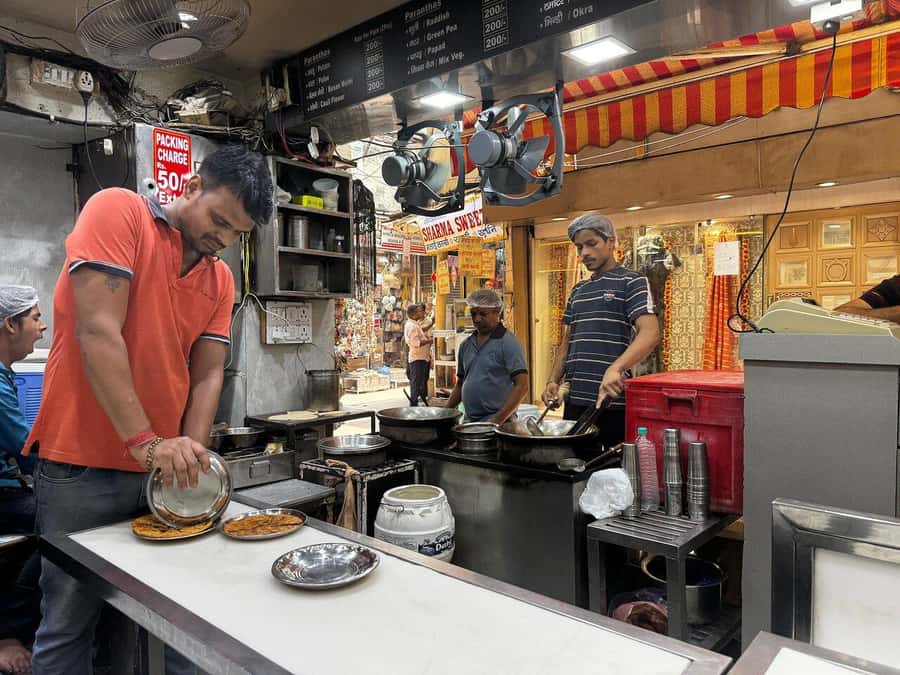
The quality of a street food tour often comes down to two things: safety and timing. This experience leans hard into both.
I like that guides help you find safe places to eat and keep you moving efficiently. In particular, Amir is noted for knowing sellers, so you spend less time waiting around and more time eating. That matters because street food gets better when it’s fresh, hot, and not sitting too long.
There’s also a clear tone of care in the guidance. One guide style you might see (again, depending on who you’re assigned) is calm, safety-minded walking through busy lanes. Shubham is another guide name tied to an excellent combined route experience, blending the food tour focus with city landmarks.
Language support is a plus: the tour is offered in English and Spanish, so you’re not stuck with hand signals when you’re trying to understand spice levels or what’s in a dish.
Price and value: what $16 buys in Agra street food terms
At $16 per person, you’re not just paying for snacks. You’re paying for logistics and guidance: hotel pickup and drop-off, private tuk-tuk transport, a private live guide, a traditional rickshaw ride, and water plus napkins.
The “value” depends on what you select for food. The tour includes street food snacks and sweets if that option is selected, and it includes non-vegetarian food if you choose that option. So if you want the full street-to-sweet arc, pick the options that match your appetite.
Even without overthinking it, the structure is cost-effective because it saves you from piecing together your own route, searching for stalls, and trying to guess which places are worth your time. In a market where everyone is selling something, having a guide who can point you to the right counters is part of what you’re paying for.
What to bring and how to plan your hunger
This one is short, so preparation matters more than packing. Your key item is comfortable shoes. After that, plan around food pace.
Here’s what usually works best:
- Eat lightly beforehand so you don’t max out early.
- Expect fried and sauced items, then sweet ones right after.
- Bring a water rhythm mindset. You’ll get cold mineral water during the tour, but you’ll still want to sip between stops.
Also think about your tolerance for walking. The route is not described as extreme, but you are moving through old-city streets and markets. If you’re sensitive to uneven ground or crowds, this could feel tiring.
Who should book this Agra street food with spice market tour
This fits best if you:
- want a guided way to eat your way through Old Agra without guessing
- enjoy street snacks like chaat, pani puri, and fried bites
- like market stops with a bit of ingredient education at the Spice Market
- prefer a small-group experience with a private guide
It may not be ideal if you:
- need mobility assistance (it’s not suitable for mobility impairments)
- don’t want to eat multiple items in one sitting
- get overwhelmed by crowded lanes and prefer quieter sightseeing
Should you book?
Yes, if you want a food-first Agra experience that still gives you city context. The mix of landmark stops, guided eating in places like chaat gali, and the Spice Market health learning makes it more than a simple snack crawl.
Book it especially if you like structure: pickup, a clear route, guide-led sampling, and a rickshaw ride that helps you see the market while staying on track. If walking is a concern or you’re hoping for a fully relaxed pace, then skip this one and look for a more accessible sightseeing option.
FAQ
FAQ
How long is the street food tour in Agra?
The tour is listed as a 3-hour street food experience.
What time is pickup available?
You can choose a pickup time between 3:00 PM and 6:00 PM.
Where does pickup happen?
Pickup is available from any desired location in Agra.
What food can I try on this tour?
You can expect street food and sweets such as pani puri, aloo chaat, aloo tikki, samosas, kachori, pav bhaji, vada pav, jalebi, petha, and drinks like lassi. Non-vegetarian food and sweets are included if you select those options.
Do I ride a tuk-tuk and a rickshaw?
Yes. You get private tuk-tuk transport, plus a traditional rickshaw ride during the tour.
What languages are supported?
The tour is offered in English and Spanish.
Is the tour suitable for people with mobility impairments?
No, it is listed as not suitable for people with mobility impairments.
What should I bring?
Bring comfortable shoes, since you’ll be walking through busy market areas.