REVIEW · AGRA
Agra: Street Food Walking Tour, Spice Market, & Tuk-tuk Ride
Book on GetYourGuide →Operated by Classic Tours India · Bookable on GetYourGuide
Old Agra hits your senses fast. This 2–3 hour street-food and market walk mixes religious landmarks with everyday lanes, plus a tuk-tuk ride that makes navigating safer and easier. I also love that a guide like Farmaan or Amir keeps the story of the old city tied to what you’re actually seeing, not just facts you’ll forget.
Two things I really like: the walk between Jama Masjid and Shri Mankameshwar Mandir, and the food stops where you sample classic Agra bites like samosa, aloo tikki, pani tikki, and sweets. The main drawback to plan for is the time on your feet: you’ll walk a good chunk of the tour (think around 90 minutes total), with driving and short stops in between.
In This Review
- Key Things You’ll Notice on This Agra Food and Spice Walk
- Why This Agra Street-Food Tour Beats Doing It Solo
- Tuk-Tuk Pickup and the Feel of Old Agra Traffic
- Jama Masjid to Mankameshwar Mandir: Faith and Architecture on a Simple Walking Circuit
- Seth Gali Street Food: Snacks That Can Do the Job of Dinner
- Rawatpara Spice Market: Smell Your Way Through Agra
- Kinari Bazaar Textiles and Jewelry Lanes (What to Look For)
- About the Craft Shop Stops: Enjoy the Show, Skip the Pressure
- Price and Value: Is $14 a Good Deal?
- Timing in Winter vs Summer (How to Pick the Right Start Time)
- Who Should Book This Tour, and Who Might Skip It
- Quick Packing and Comfort Tips That Actually Help
- Should You Book This Agra Street Food and Spice Tour?
- FAQ
- How long is the Agra Street Food Walking Tour?
- What does the tour cost?
- Where is the tour located?
- Is hotel pickup and drop-off included?
- What places do we visit?
- Are street food snacks and sweets included?
- Are drinks included?
- Are monument entrance tickets included?
- What languages are available for the live guide?
- What should I wear or bring?
- Is free cancellation available?
- Is this tour suitable for everyone?
Key Things You’ll Notice on This Agra Food and Spice Walk
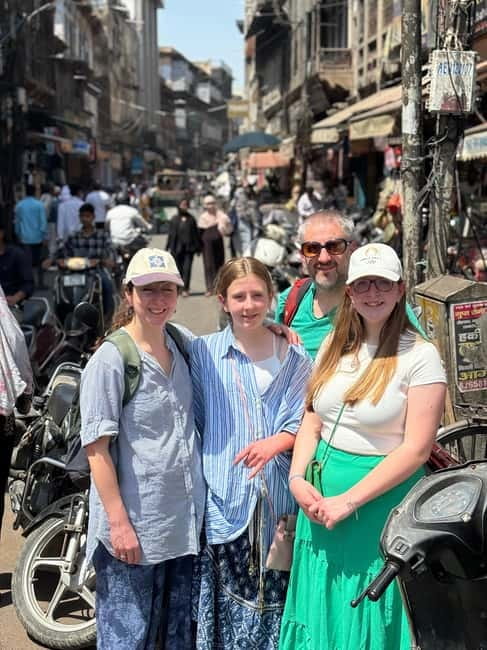
- Tuk-tuk hotel pickup and drop-off so you’re not trying to figure out old-city traffic on your own
- Jama Masjid + Shri Mankameshwar Mandir on the same walking circuit for an easy cultural pairing
- Seth Gali street-food alley time with several tastings that can cover a light dinner
- Rawatpara spice market aromas that make it easy to understand what the locals mean by “spices everywhere”
- Kinari Bazaar shopping lanes for textiles and jewelry without a full shopping day
- Food included options (snacks/sweets if selected) that affect both cost and how full you feel afterward
Why This Agra Street-Food Tour Beats Doing It Solo
Agra has a “main sights” rhythm, then a different rhythm in the old lanes. This tour is designed for the second one. You start with hotel pickup, take a short tuk-tuk ride, then spend the rest of the time moving through areas most people never find without help.
The biggest value is not just eating. It’s that you’re walking the same kind of streets locals use, while your guide translates what you see: religious sites, craft areas, and the small food counters that survive because people keep coming back. That context turns what could be a random snack tour into something more grounded.
You also get a built-in safety advantage. Old Agra traffic can be intense, and the markets are crowded in ways that can feel confusing fast. With a guide and driver, you’re less likely to get pulled in the wrong direction or lose your place.
One more plus: the price is low enough that you can treat this like a real activity, not just a “nice add-on.” At about $14, you’re paying for a guide, transport, and multiple tastings—plus you save the hassle of figuring out routes and bargaining your way into the right alleys.
You can also read our reviews of more tours and experiences in Agra.



Tuk-Tuk Pickup and the Feel of Old Agra Traffic
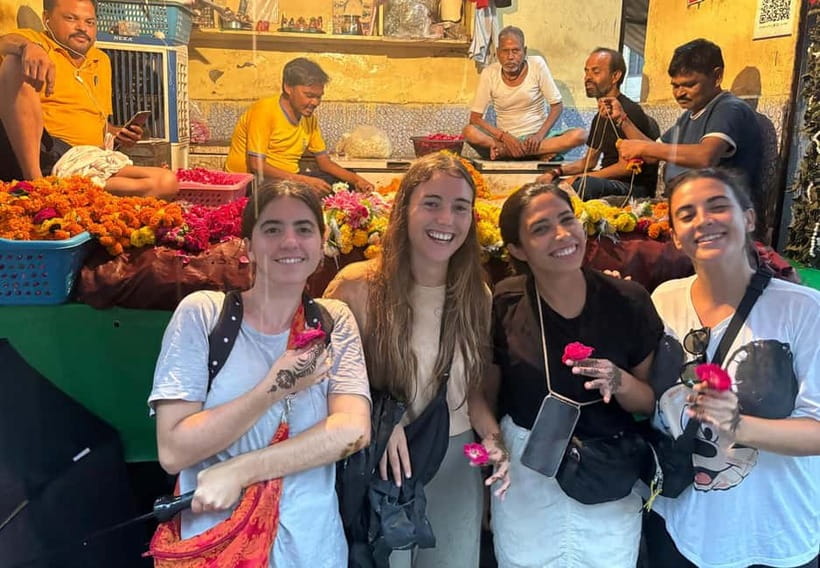
The tour starts with pickup in Agra—hotel, railway station, or another agreed spot. Then you hop into a tuk-tuk for a short transfer that gets you into the old-city area without stress.
Once you’re moving, you’ll feel why this matters. Traffic in Agra is fast and chaotic in pockets, and drivers weave through tight spaces. Reviews from people who rode with guides like Farmaan and Amir describe the tuk-tuk ride as both scary and exhilarating—with safety handled by the driver and guide staying alert for pedestrians and sudden lane shifts.
This isn’t a slow, sightseeing-style ride. It’s practical transport. That matters because old Agra isn’t laid out for easy strolling like some tourist districts. Even when you’re not walking, the stops are timed so you spend your energy where it counts: on the street-food lanes and market sections, not in long transfers.
Bring comfortable shoes. You’ll want grip and cushion because market floors and alley steps aren’t always flat. The ride helps, but the best parts are on foot.
Jama Masjid to Mankameshwar Mandir: Faith and Architecture on a Simple Walking Circuit
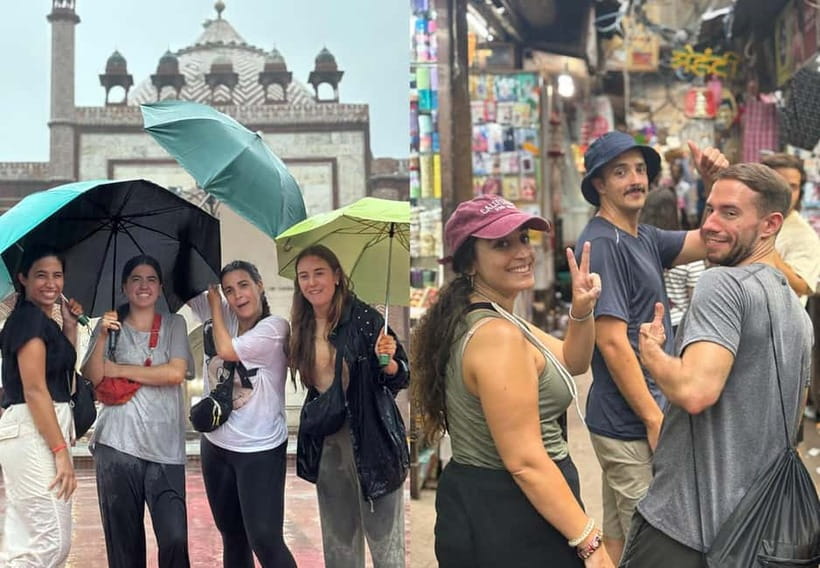
After pickup and a short ride, your first big anchor is Jama Masjid. You’ll get a photo stop and a guided visit with time to see the Friday mosque architecture up close. Even if you’ve seen other Mughal-style mosques, it’s worth taking a slow look here—this is the kind of place that makes you notice details like proportions, entrances, and how the building connects to the street life around it.
Then you walk to Shri Mankameshwar Mandir, dedicated to Lord Shiva. This stop adds a different kind of perspective right next door in spirit and in feel. One moment you’re looking at a major mosque; the next, you’re in a temple space where local faith is very present in everyday motion.
What I like about doing these two together is that it makes Agra feel like a living city, not a museum. You’re seeing how religious spaces operate alongside neighborhood commerce and street flow.
Practical note: you need to dress respectfully. The tour asks that your knees and shoulders are covered because you’re visiting both mosque and temple areas. That one detail is the difference between feeling relaxed and having to rethink your outfit at the last second.
Seth Gali Street Food: Snacks That Can Do the Job of Dinner
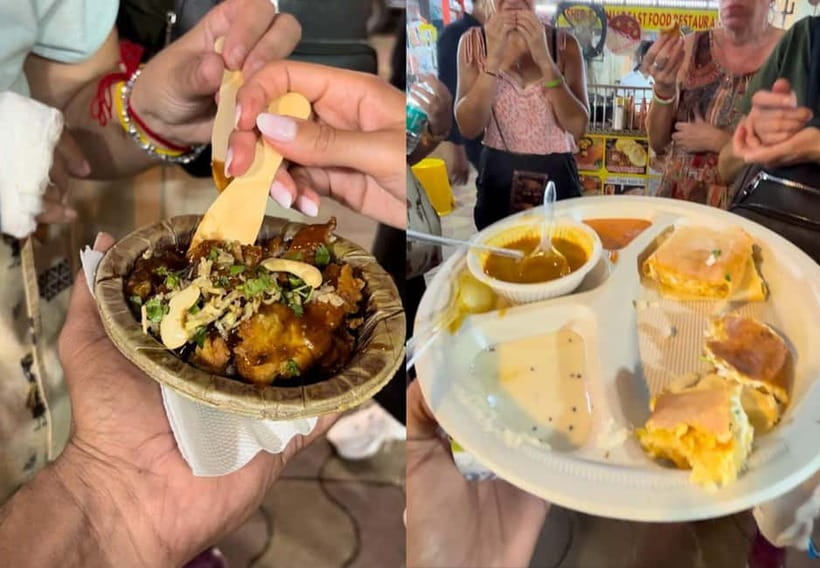
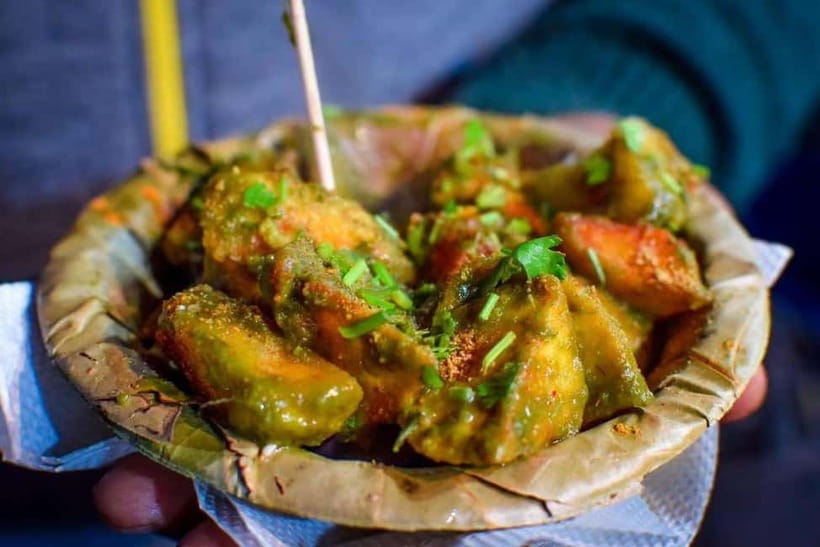
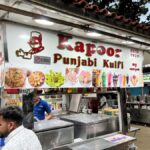
The heart of the tour is the street-food circuit. You’ll spend time in Seth Gali, a lane area known for food stalls and small counters where you can try multiple items without committing to one heavy meal.
Expect a tasting-style approach. You might sample:
- samosa
- dhosa or chole bhature
- aloo tikki
- pani tikki
- sweets
- masala tea served in a clay pot
The tea stop is simple but smart. Clay pots cool quickly and taste different than bottled tea or standard paper-cup chai. It’s also a good “pause button” when the alley gets crowded.
How much you eat depends on the option you choose. Some people did the food-included plan and found it was enough for their dinner. Others suggest that if you’re a lighter eater, a cheaper option without food can still be worthwhile because the guide and market stops are the real value.
One small reality check: street-food places can be loud, and some alleys are tight. If you’re someone who gets overwhelmed in crowds, stick close to your guide and keep moving with the group.
Rawatpara Spice Market: Smell Your Way Through Agra
Next, you’ll head into Rawatpara, the spice market area where colors and scents hit at the same time. This is where the tour makes sense beyond food. When you’re standing in the lane where spices are handled and sold day after day, you start to understand what you normally only see in packaged bottles back home.
You’ll get time to browse and typically a tasting or tea break tied into the spice experience. The tour also includes guided context so you’re not just staring at bags of powder—you’re learning how the market works and what the products are used for.
This stop is ideal if you like sensory travel. You’ll likely notice:
- strong spice aroma rising from stalls
- small shop layouts built around display and quick sales
- lots of vendor conversation happening at street level
If you’re buying, go slow. Spices are easy to overspend on because everything looks useful. Decide what you want to carry home and how you’ll store it. If you’re not buying, the market still works because the point is understanding how food flavor starts here.




Kinari Bazaar Textiles and Jewelry Lanes (What to Look For)
Your final market stop is Kinari Bazaar, a classic Agra area for traditional jewelry and textiles. This is one of those places where the street looks like an aisle inside a shop—right down to displays layered across entrances and sides.
Here’s what makes Kinari Bazaar worth your time on this tour:
- your guide helps you navigate without getting lost
- you’re in “local browsing mode,” not just passing through a tourist strip
- it pairs well with everything you just ate, since food and craft shopping both belong to everyday Agra
The tone in these lanes tends to be practical rather than polished. That’s good. You’ll see how merchants talk to customers and how goods are shown up close.
If you’re shopping for gifts, this is a strong place to look. Several people on the tour described buying teas, spices, and souvenirs, and one even mentioned getting help finding sunglasses. Your guide can also help you avoid the “random shop trap” by keeping you oriented in the market lanes.
About the Craft Shop Stops: Enjoy the Show, Skip the Pressure
One thing to know going in: this style of tour may include a craft shop stop or a short workshop-style visit. Some people had a positive experience—seeing handmade items and learning the process. Others felt the final part could turn into a pushy sales pitch, especially when the guide leaves you alone with sellers.
So here’s the practical way to handle it:
- Treat craft stops as optional context, not a must-buy moment
- Ask questions, look around, and keep your exit plan in mind
- If you feel uncomfortable, it’s okay to politely decline and focus back on the tour
This is also why having a guide matters. A good guide keeps you safe in traffic and helps manage interactions so you don’t get steamrolled.
Price and Value: Is $14 a Good Deal?
At $14 per person for a 2–3 hour experience, you’re paying for a lot of moving parts:
- hotel pickup and drop-off
- a private local guide
- transport by tuk-tuk
- market time plus religious site stops
- street snacks and sweets if you choose the food option
That adds up fast. Even if you skip the food add-on, you’re still getting the guide and tuk-tuk, which is the hard part to reproduce cheaply on your own—because finding old-city lanes safely and efficiently takes local know-how.
That said, there’s a smart balance here:
- If you really want to eat, choose the option with snacks/sweets so the tastings feel worth it.
- If you’re not hungry or you prefer to control what you eat, consider skipping the included food and buying your own later. One person said the cheaper option without food felt like better value for their situation.
Bottom line: this is a great buy if you want local movement + guided context and you’re okay with a chunk of walking.
Timing in Winter vs Summer (How to Pick the Right Start Time)
This tour works best late afternoon. The suggested start time shifts with the season:
- 2 p.m. to 4 p.m. in winter
- 4 p.m. to 6 p.m. in summer
That matters because the old lanes get hotter or more crowded depending on season. Evening timing can also make the market feel calmer after the heat of the day, while still keeping things lively.
If you’re building this around other Agra plans—like a Taj schedule—try to align your tour so you’re not rushing in the morning. One solo traveler adjusted their tour timing to fit a later day plan, so if your schedule is tight, it’s worth asking what flexibility is possible.
Who Should Book This Tour, and Who Might Skip It
This one is well-suited for:
- first-time Agra visitors who want old-city flavor beyond the Taj
- people who like walking street markets and eating multiple small bites
- solo travelers who want a guide so they can browse without constantly negotiating the route
It may not be a good fit if:
- you’re pregnant
- you have pre-existing medical conditions
- you strongly dislike street crowding and traffic proximity
- you’re not comfortable with covering knees and shoulders
If you’re sensitive to intense sensory input—crowds, smells, noise—go slower in the market sections and rely on your guide to keep you steady.
Quick Packing and Comfort Tips That Actually Help
Do the basics right and the tour feels easy:
- comfortable shoes with traction
- clothes that cover knees and shoulders
- plan for a mix of walking and short transfers
Also remember: monument entrance tickets aren’t included, and drinks aren’t included as a broad category. Tea is part of the route, but if you’re expecting bottled beverages throughout, you’ll be disappointed.
Finally, no alcohol or drugs are allowed, which is standard for this kind of cultural food and market tour.
Should You Book This Agra Street Food and Spice Tour?
Yes—if you want Agra that feels lived-in. This tour is one of the better ways to spend your half-day: religious stops plus spice shopping plus real street snacks, all handled by a guide who knows how to move you through the old lanes.
Skip it if you want a quiet, low-activity sightseeing day, or if walking and crowded streets will drain you. Also, if you strongly dislike sales pressure, keep an eye out for any craft shop detours and stay firm about what you will and won’t buy.
If your goal is to eat well, see the city’s texture, and leave with a few souvenirs without turning your trip into a maze, this is a solid choice.
FAQ
How long is the Agra Street Food Walking Tour?
It lasts about 2 to 3 hours.
What does the tour cost?
The price is $14 per person.
Where is the tour located?
It takes place in Agra, Uttar Pradesh, India.
Is hotel pickup and drop-off included?
Yes. Pickup and drop-off in Agra are included, from your hotel or another agreed location.
What places do we visit?
You’ll see Jama Masjid, visit Shri Mankameshwar Mandir (Temple), spend time in Seth Gali, explore Rawat Para Road (spice market area), and browse Kinari Bazaar.
Are street food snacks and sweets included?
Street food snacks and sweets are included if you select the option that includes food.
Are drinks included?
No. Drinks are not included.
Are monument entrance tickets included?
No. Monument entrance tickets are not included.
What languages are available for the live guide?
The live tour guide is available in English and Spanish.
What should I wear or bring?
Wear comfortable shoes and clothes that cover your knees and shoulders since you visit a mosque and temple.
Is free cancellation available?
Yes. You can cancel up to 24 hours in advance for a full refund.
Is this tour suitable for everyone?
It is not suitable for pregnant women or people with pre-existing medical conditions. Alcohol and drugs are not allowed.