REVIEW · AGRA
Agra: Street Food and Walk Tour with Spice Market by Tuk-Tuk
Book on Viator →Operated by Classic Tours India · Bookable on Viator
Agra at night tastes better than you expect. This 2 to 3 hour evening tour mixes a tuk-tuk ride with street food tastings, plus classic sights like Jama Masjid and Mankameshwar Temple, without turning it into a museum marathon. You’ll also get time in the markets—Kinari Bazaar and the spice lanes around Rawatpara—where the smells do half the explaining.
I like how the pacing stays friendly and focused, especially when your guide is the type who can answer questions as you go (Farman’s name came up in one standout review, and that sounds like his style). One thing to plan for: the market stops can include some shop talking, so if you dislike sales pressure, just set your boundaries early and keep moving when you’re ready. Also, expect real walking and standing while you sample.
In This Review
- Key highlights at a glance
- Why Agra’s evening street-food loop works so well
- Tuk-tuk pickup, timing, and how the tour actually flows
- Kinari Bazaar and Jama Masjid: crafts, color, and Mughal scale
- Mankameshwar Mandir: a local faith stop that breaks up the noise
- Rawatpara spice market and Seth Gali street food testing
- The guide factor: safety, speed, and the market sales reality
- Price and value: what $15 includes (and what to plan for)
- Who should book this Agra street-food walk
- Should you book it?
- FAQ
- How long is the Agra street food and walk tour?
- Do I get hotel pickup and drop-off?
- What transportation is used during the tour?
- Are food tastings included?
- Is there an English-speaking guide?
- Are monument or temple entrance tickets included?
- Is this tour private or shared?
Key highlights at a glance
- Tuk-tuk / e-rickshaw transport that gets you between sights without wasting daylight
- Kinari Bazaar + Jama Masjid in one smooth evening loop, not rushed and not sterile
- Mankameshwar Mandir as a calm, local faith stop right in the middle of snack time
- Rawatpara Spice Market and Seth Gali for hands-on food testing (and spice browsing)
- English-speaking guide + bottled water, so you’re not guessing your way through
- Hotel pickup and drop-off to make a short evening plan actually easy
Why Agra’s evening street-food loop works so well

Street food tours can go two ways: either you eat your way through chaos, or you get a guided route that keeps things practical. This one is the practical kind. You start in the evening when the city feels more human—shops are open, smells are stronger, and people are out doing normal life things.
What makes it click is that you’re not only eating. You’re also moving through Agra’s everyday corners—markets, a major mosque, and a temple—so the food stops land with more context. You’ll try familiar favorites like samosa and kachori, and you’ll also get a sense for what locals snack on when the day cools down.
You can also read our reviews of more tours and experiences in Agra.



Tuk-tuk pickup, timing, and how the tour actually flows
The tour runs about 2 to 3 hours in total. Some descriptions also frame it as a 3 to 5 hour evening experience, so I’d plan for a bit of flexibility depending on the pace of the group and how long you pause at each stop. Either way, it’s short enough that you can still do an Agra sight the next day without feeling wiped out.
You’ll get hotel pickup and drop-off, which matters in Agra. Traffic and distances can turn a “quick tour” into a long headache fast. With pickup included, you can treat this like a scheduled evening event rather than a scavenger hunt.
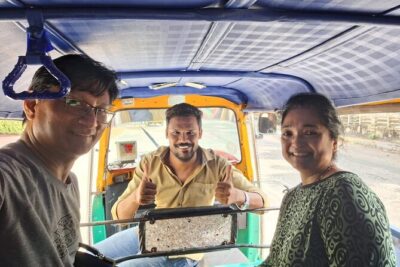
Transport is handled by tuk-tuk / e-rickshaw / auto rickshaw (whichever fits best). That’s useful because your time is better spent on the tasting and walking, not negotiating directions.
Bring a small appetite and realistic expectations. Street-food sampling here is designed to be fun, not a stomach competition. You’ll get a chance to taste, not leave feeling like you’re carrying a food baby.
Kinari Bazaar and Jama Masjid: crafts, color, and Mughal scale
The route starts with a market vibe in the Kinari Bazaar area. This is the kind of place where you’ll see jewelry, textiles, and handicrafts out on display. Even if you don’t plan to shop, it’s a good sensory warm-up. You get to see how the trade works and what people actually buy, not just what’s photographed for brochures.
Then you head to Jama Masjid, one of India’s largest mosques. This stop adds a real architectural contrast to the market scene. Instead of spices and snacks, you’re looking at big Mughal-era design choices and the scale of worship spaces.
A practical tip: plan for a short stop-and-walk rhythm. You’ll likely move through areas where people are coming and going, so don’t expect silence and empty corridors. If you dress modestly and keep your movements calm, you’ll feel more comfortable right away.
One consideration: if your main goal is food-first, you may want to mentally switch gears at Jama Masjid. It’s still part of the evening flow, but it’s a different energy than the street.
Mankameshwar Mandir: a local faith stop that breaks up the noise
After the market-and-mosque section, the tour brings you to Shri Mankameshwar Mandir, dedicated to Lord Shiva. This is a short walk stop that shifts the tone. You’re not just looking at sights—you’re seeing how locals connect to everyday religion.
I like this pacing. It prevents the tour from becoming only a series of street corners and snack lines. You get a quick reset: less bargaining, more observation. And for many people, it makes the food portion feel more grounded—because you’re seeing daily life, not only tourist spaces.
What to expect: you’ll spend time looking around and moving with the group. If you want photos, keep it respectful and follow what’s allowed on the spot. When in doubt, watch first, then ask.
Rawatpara spice market and Seth Gali street food testing
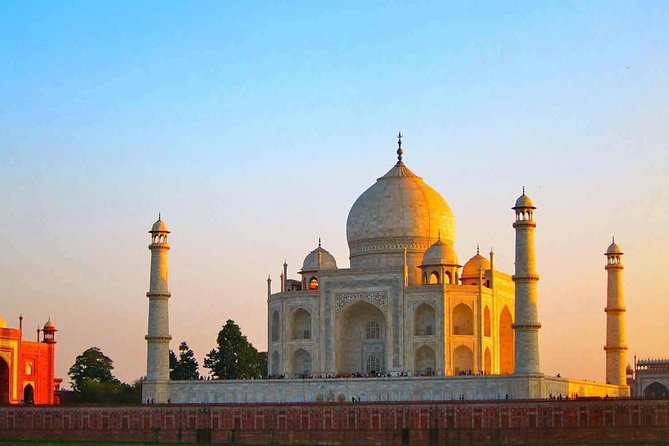
This is the heart of the tour: Rawatpara Spice Market. Here, the point isn’t just buying spices. It’s smelling them and understanding why people use them so often. Spices in Agra aren’t decorative; they’re practical. They show up in everyday cooking and in the flavor of snacks you’re about to test.
The tour also mentions Seth Gali, a lane-style stop where you’ll pause for famous street bites. The clearly stated tastings include samosa and kachori, plus other local snacking options as guided by the route. This is where your guide helps you decide what to try and when, which is useful if you don’t know what each stall specializes in.
If you selected the option for sweets, you’ll also get that included tasting. (If sweets are a big deal for you, check what’s selected at booking so you don’t end up hoping for dessert that isn’t part of your option.)
Practical advice for spice markets: don’t over-handle everything. You might be tempted to grab bags and sniff for comparison. That’s fine in moderation, but keep things respectful and quick. Also, expect your hands to smell afterward. A wet wipe or sanitizer can save you from the “why do I smell like cumin?” moment later.




The guide factor: safety, speed, and the market sales reality
One of the most repeated themes in the available feedback is that the tour feels safe and well guided, with a fast-paced but still fun structure. That matters because Agra markets can move quickly—if you’re wandering alone, it’s easy to get turned around or stuck in awkward conversations.
A strong guide helps in two ways:
- They keep you oriented so you’re not spending your energy figuring things out.
- They help you navigate the human side of markets—who to talk to, where to stand, and when to move on.
Farman is specifically named in one of the standout reviews as personable and good at explaining, which lines up with what you want on a food-and-walk format: talk as you walk, and answer questions as they come up.
Now the other side of markets: you may run into some shop talk. At least one review noted a sales pitch around embroidery and jewelers. That doesn’t make the tour bad—it just means you should go in with eyes open. If you’re not buying, stay polite, smile, and shorten your “yes, maybe later” conversations. Your job is to taste and see, not negotiate a souvenir. If you feel pressured, ask your guide to keep things moving.
Price and value: what $15 includes (and what to plan for)
At $15 per person, this is priced like a budget-friendly evening plan. The best value part isn’t the food alone—it’s the combination of food tastings, guide help, and transport.
Included features you’re getting:
- Hotel pickup and drop-off
- English-speaking tour guide
- Bottled water
- Transfer by tuk-tuk / e-rickshaw / auto rickshaw
- Street food testing (and sweets if you chose that option)
Not included:
- Alcoholic drinks (available to purchase)
- Tips / gratuities
- Personal expenses
- Monument entrance tickets (and this is where you should confirm)
There’s a small mismatch in the details about admission coverage versus monument ticket exclusions. Since the tour includes stops like Jama Masjid and Mankameshwar Temple, it’s worth checking what’s covered for your specific booking. Your guide will usually clarify this before you start, but it’s smart to ask once when you’re picked up.
Is it worth $15? If you’d otherwise spend money on a driver plus a guided route plus food recommendations, yes. The biggest value is reducing stress. You’re buying an organized evening with the “right people” doing the timing and routing for you.
Who should book this Agra street-food walk
This tour is a great fit if you want:
- An evening plan that doesn’t eat your whole day
- Street food guidance so you don’t waste time guessing
- A route that mixes markets with major local sites
- A guide who helps you feel oriented fast
It’s also a good choice for people who like the group-energy feel of a shared tour but still want your own party (it’s described as private or group with only your group participating).
You might skip it if:
- You hate any kind of market shop stops or sales chatter
- You want a food tour with zero standing and zero walking
- You’re only interested in monuments and don’t care about spices and snacks
If you’re traveling as a pair or small group, group discounts can make it even better value. And if you’re comparing tours, the pickup and tuk-tuk transport included here can save you hassle.
Should you book it?
Yes, with two smart expectations. Book it if you want a short, organized evening that connects Agra’s street food with real local places like Kinari Bazaar and the spice lanes around Rawatpara. Skip it or be cautious if you’re easily irritated by shop talk. Markets are markets.
If you do book, set yourself up for a good time: wear comfortable shoes, keep a light shopping plan, and go with the mindset of tasting and observing, not collecting. And if you want more control over the pacing, tell your guide early what you prefer—more food stops, less shop time, and shorter breaks.
FAQ
How long is the Agra street food and walk tour?
It’s listed as about 2 to 3 hours, with the evening experience sometimes described as lasting 3 to 5 hours depending on the flow of the tour.
Do I get hotel pickup and drop-off?
Yes. The tour includes Agra hotel pickup and drop-off.
What transportation is used during the tour?
You’ll ride in a tuk-tuk / e-rickshaw / auto rickshaw between stops.
Are food tastings included?
Street food testing is included, and sweets are included if you select that option at booking. Alcoholic drinks are not included.
Is there an English-speaking guide?
Yes. The tour includes an English-speaking tour guide.
Are monument or temple entrance tickets included?
The information says monument entrance tickets are not included, even though specific stops may note admission tickets. It’s smart to confirm what’s covered for your exact booking before you go.
Is this tour private or shared?
It’s described as private or group, and only your group participates.