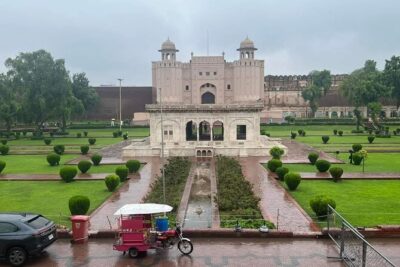
Agra tastes like a story. This 3–4 hour tuk-tuk tour helps you see old Agra beyond the big monument spotlight, mixing market lanes with sacred stops and serious snack time. You roll through Kinari Bazar, Jama Masjid, Rawatpara Spice Market, Seth Gali, and Sadar Bazar, with a friendly local guide steering you toward the good stuff and the meaning behind it.
I especially like two things: the ride stays comfortable and quick in the tight lanes (a private tuk-tuk means no waiting around), and your street food costs are covered so you can actually eat without doing mental math all morning. I also appreciate the human touch from guides like Faizan, who tends to connect what you’re seeing to the broader history of Agra and can adjust the pace to your group.
One thing to consider: you’ll be moving through active religious sites and busy shopping streets, so plan for some sensory overload and follow your guide’s lead on what to do at each stop.
In This Review
- Key Highlights You’ll Care About
- Why This Tuk-Tuk Route Works in Agra’s Old City
- Timing and Expectations for a 3–4 Hour Taste of Agra
- Kinari Bazar to Jama Masjid: Narrow Lanes and Mughal Landmarks
- Shri Mankameshwar Mandir Near Agra Fort: A Spiritual Break in the Middle
- Rawatpara Spice Market: Learn the Smell, Not Just the Names
- Seth Gali and Sadar Bazar: Where Agra’s Sweet Tooth Takes Over
- Guide Quality and the Faizan Factor: Customization Makes It Better
- Price and Value: What $5 Actually Buys You
- Who Should Book This Tuk-Tuk Food-and-Temples Tour
- Should You Book This Tour?
- FAQ
- How long is the Agra Hidden Gems & Flavors tour?
- How much does it cost?
- What’s included in the price?
- Are entrance tickets needed for the main stops?
- Is this a private tour or shared?
- What is the cancellation policy?
Key Highlights You’ll Care About
- Private tuk-tuk + driver for an easy, low-friction route through old-city lanes
- Street food expenses included, so you can focus on tasting instead of budgeting snacks
- Free admission stops at Kinari Bazar-area sights, Jama Masjid, and Shri Mankameshwar Mandir
- Rawatpara Spice Market for a hands-on look at flavors, from saffron to everyday spices
- Seth Gali and Sadar Bazar where sweet shops and chaat lanes push you to sample local favorites
- Friendly guide with customization, with Faizan specifically mentioned for tailoring the experience
Why This Tuk-Tuk Route Works in Agra’s Old City
Agra can feel like two cities at once: one for the headline monuments, and one made of lanes, smells, and people moving with purpose. This tour is built for that second city.
The private tuk-tuk matters more than you might think. Walking everywhere in old Agra means more time navigating traffic and crowds. Here, the tuk-tuk keeps you flowing between stops while still letting you step into the market energy when it counts. It also helps you fit a lot into just 3–4 hours.
And then there’s the food logic. You’re not doing a random food crawl where you only get one bite and leave hungry. You’ll hit places known for local specialties like Agra petha, chaat, and lassi, with street food expenses included.
You can also read our reviews of more tours and experiences in Agra.



Timing and Expectations for a 3–4 Hour Taste of Agra
This is a short tour on purpose. The pace works best if you come ready to try things and ask questions, not if you need long photo breaks at every corner.
Your day starts with pickup from your preferred location in Agra city. That pick-up-and-drop setup is part of the value: you avoid the stress of sorting transport while everyone else is figuring it out on the street.
You’ll then rotate through quick stops—some are markets where you browse and sample, and others are sacred landmarks where the goal is context, not lingering. Because the duration is capped at about 3–4 hours, you’ll want to commit to a snack strategy early: taste a couple things well, then decide what repeats best when you reach Chaat Gali and sweet lanes.
If you’re the type who likes to keep moving, you’ll enjoy this. If you prefer a slow, sit-down museum style pace, you might want to plan additional independent time after the tour.
Kinari Bazar to Jama Masjid: Narrow Lanes and Mughal Landmarks
You start with Kinari Bazar, near Jama Masjid. This area is known for narrow lanes packed with shops selling traditional Indian goods. In practice, it’s a great place to orient yourself in old Agra: you feel the rhythm of the neighborhood fast.
Kinari Bazar is also a smart early stop because you’re still fresh. You can look around without feeling like you’re already half tired from snack-hunting.
Next comes Jama Masjid, a prominent 17th-century mosque sometimes called the Friday Mosque. You’ll spend around 30 minutes here, and the highlight is the story attached to it—commissioned by Jahanara Begum, the eldest daughter of Mughal Emperor Shah Jahan (as described in the tour details). This stop gives the route depth. It’s not just markets and food; it’s also how Agra’s power centers and spiritual life sit close together.
Practical note: plan for a working religious site and follow your guide’s direction at all times.
Shri Mankameshwar Mandir Near Agra Fort: A Spiritual Break in the Middle
After the big mosque stop, you shift gears to Shri Mankameshwar Mandir, dedicated to Lord Shiva. It’s located near Agra Fort and has a story that many people find memorable: the belief that Shiva installed the Shiva Linga here during Lord Krishna’s birth.
This is one of your shorter stops—around 20 minutes—but it works as a breathing pause. The route doesn’t keep sprinting forever. Instead, you get a moment to reset your attention before you head back into the sensory world of spices and sweets.
Possible drawback here is timing. If you arrive expecting a slow visit and quiet contemplation, the tour’s overall 3–4 hour schedule will feel tighter. But if you like short, meaningful stops guided by someone who can explain what you’re looking at, this fits well.
Rawatpara Spice Market: Learn the Smell, Not Just the Names
Then you’re into Rawatpara Spice Market, a place built around fresh aromatics and variety. The tour description calls out spices like saffron and everyday staples such as turmeric and cumin, which is a good sign because it means you’re not only seeing rare items—you’ll also recognize the flavors you cook with at home.
This stop is about more than shopping. It’s a quick way to understand how Indian street food gets its character. Spices don’t just add heat. They add identity—what a dish tastes like depends on what’s used, what’s fresh, and how it’s combined.
In this kind of market stop, the best move is simple: let your guide point things out, then smell thoughtfully. You don’t need to buy anything to get value. But if you do want spices to take home, you can browse here when prices and choices are part of the experience.






Seth Gali and Sadar Bazar: Where Agra’s Sweet Tooth Takes Over
Now comes the fun part: sweet lanes and chaat lanes.
First, Seth Gali, known for sweet shops (halwais) and traditional street treats. You’ll spend about 30 minutes here, and it’s basically your cue that Agra isn’t only about savory street food. This is where you can start thinking about how desserts and snacks connect—how a city builds flavor across meal times.
Then you finish with Sadar Bazar, near Agra Cantt, famous for leather goods, handicrafts, and street food—especially Chaat Gali. Your time here is about 30 minutes, and it’s the part of the route where your appetite gets its final say.
This is where the tour description specifically calls out iconic bites you should plan to try: Agra petha, chaat, and lassi. With street food expenses included, you’re not stuck choosing just one item because of cost. You can sample like a local—small portions, quick comparisons, then decide what you love.
A small heads-up: chaat lanes can get crowded quickly. If you’re filming or shopping, do it in short bursts so you don’t lose your place in line when your snack window comes.
Guide Quality and the Faizan Factor: Customization Makes It Better
A big part of why this tour works is the guide. The format includes a preferred language speaking local guide at all places, plus a private group setup, so you can ask questions without feeling like you’re in a crowd.
One specific detail that stands out from the experience feedback is Faizan. He’s described as friendly, knowledgeable about the history of Taj Mahal and Agra, and able to customize the tour. That last bit is huge for real-world travel, because you’re not always a perfect checklist traveler.
Customization might mean shifting the pace, prioritizing what your group is most interested in, or helping you spend your limited time where it pays off most. In a short 3–4 hour window, that flexibility can be the difference between feeling rushed and feeling satisfied.
Price and Value: What $5 Actually Buys You
The price listed is $5.00 per person for about 3–4 hours, which is striking on its face. The value logic gets clearer once you look at what’s included.
You get:
- Private tuk-tuk with driver
- Hotel or station pickup & drop
- A preferred language speaking guide
- Street food expenses (so you can try more than one thing)
- Mineral water bottles
- Driver allowances, plus all parkings, fuel, and taxes
Not included is limited: personal expenses and tips (optional).
So you’re paying for transportation, guidance, and your food sampling plan, all together. That’s exactly what you want on a street-food day. The alternative—arranging tuk-tuks yourself and paying for snacks one by one—often costs more in both money and time.
If you’re traveling with a group, the tour also notes group discounts, and the “mobile ticket” detail makes it easier to manage in the moment.
Who Should Book This Tuk-Tuk Food-and-Temples Tour
This is a strong fit for you if:
- You want a quick, focused Agra taste in 3–4 hours
- You like street food and want guidance on what to try
- You prefer a private setup (only your group participates)
- You enjoy seeing how sacred sites and daily life run side by side
You might not love it if you need lots of free time at one place, or if you hate crowds and noise. Markets and sacred landmarks mean stimulation. Also, it’s not a sit-down dining tour; it’s a walk-and-sample style route.
Should You Book This Tour?
Book it if you want maximum flavor per hour with minimal planning stress. The private tuk-tuk, included street food costs, and short itinerary make it a smart way to experience real Agra street life without turning your day into logistics work.
I’d especially say yes if someone in your group is curious about history and not just snacks. Places like Jama Masjid and Shri Mankameshwar Mandir add meaning, while the markets and lanes do the feeding.
Skip it only if your ideal travel day is quiet, slow, and mostly indoors. This tour is for moving through the old-city pulse.
FAQ
How long is the Agra Hidden Gems & Flavors tour?
The tour runs about 3 to 4 hours.
How much does it cost?
It’s $5.00 per person.
What’s included in the price?
Included are hotel/station pickup and drop, a private tuk-tuk with driver, a preferred language speaking guide, street food expenses, mineral water bottles, and all parkings, fuel, and taxes.
Are entrance tickets needed for the main stops?
The tour details list admission tickets as free for the listed stops.
Is this a private tour or shared?
This is a private tour/activity, and only your group will participate.
What is the cancellation policy?
Free cancellation is available up to 24 hours in advance for a full refund. If you cancel less than 24 hours before the start time, you won’t receive a refund.