REVIEW · PHNOM PENH
Full-Day Phnom Penh Tuk Tuk City Tours
Book on Viator →Operated by Royal Phnom Penh Tours · Bookable on Viator
One day, two Phnom Pennhs. This full-day private tuk-tuk tour strings together royal Phnom Penh, hilltop temple views, and the city’s darkest sites, with convenient hotel pickup and drop-off.
What I like most are the people leading it and how efficiently the day moves. You’ll have an English-speaking tour guide, and the tour has a track record of guides such as Ms Chheang Sreyneang and Channy who are praised for strong knowledge and patience with questions. I also like that the route mixes big monuments with places where you can actually feel daily life, including Central Market, with guidance on where to eat.
The main drawback: it’s a 7–8 hour day, and you should mentally prep for the heavier stops—there’s also no lunch included, so plan to eat when your guide recommends.
In This Review
- Key things I’d circle before you book
- How a Phnom Penh tuk-tuk day actually feels
- Royal Palace and Silver Pagoda: the architecture you can’t fake
- Wat Phnom: the calm break before the heavy stuff
- Tuol Sleng and Choeung Ek: facts with nowhere to look away
- Central Market and monuments: Phnom Penh beyond the ticketed sights
- Price and value: is $84.11 a fair deal?
- What to expect from the guide and the pacing
- Getting the most out of the day (without making it miserable)
- Who should book this Phnom Penh tuk-tuk city tour?
- Should you book this Phnom Penh tuk-tuk city tour?
- FAQ
- How long is the full-day Phnom Penh tuk-tuk city tour?
- Does the tour include hotel pickup and drop-off?
- Are entrance fees included in the price?
- Is lunch included?
- Is this tour private?
- What if the weather is bad or I need to cancel?
Key things I’d circle before you book
- Private tuk-tuk transport for a calmer pace through Phnom Penh traffic and hot sidewalks
- English-speaking guide with enough context to connect temples, museums, and street life
- All major Phnom Penh anchors: Royal Palace, Silver Pagoda, Wat Phnom, Tuol Sleng, Choeung Ek
- Entrance fees covered plus cold bottled water to keep the day practical
- Hotel pickup and drop-off so you lose less time to logistics
- Good balance of sights and meaning, but the genocide sites are not light stops
How a Phnom Penh tuk-tuk day actually feels
Phnom Penh can be a mix of grand buildings, loud roads, and quiet corners you’d miss on your own. The big win here is the private tuk-tuk setup: you’re not stuck in a bus line, and you can keep a steady rhythm as you hop between major locations.
Hotel pickup and drop-off matters more than it sounds. You save time and you avoid the stress of figuring out who to trust for short rides. Add in that you get cold bottled water during the trip, and the day stays focused on walking the sites—not managing basics.
This is also designed for a single group, not a shuffle with strangers. That gives your guide room to adjust the flow depending on your pace and questions. If you want a day that feels guided but not rushed, this structure helps.
One practical note: the tour includes several ticketed stops and it runs about 7–8 hours. That’s a full day, even with tuk-tuk transport. If you hate long museum stretches, you’ll feel it. If you can handle a long day of history and monuments, you’ll likely appreciate how much gets packed in without feeling like you’re speed-running.
You can also read our reviews of more tours and experiences in Phnom Penh.


Royal Palace and Silver Pagoda: the architecture you can’t fake
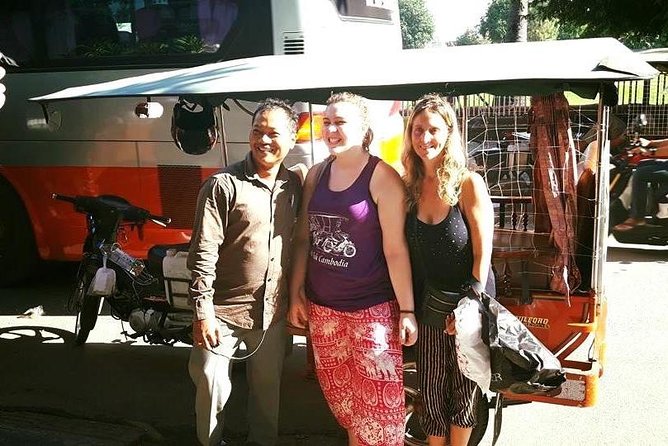
You start with Cambodia’s showpiece royal complex: the Royal Palace and the Silver Pagoda. Even if you don’t know the fine details of Cambodian court history, you’ll recognize the intent. The buildings are built to impress—scale, geometry, and ornament aimed at the sky.
At the Royal Palace, you’ll spend about one hour with admission included. The standout you’ll hear your guide point out is the 59-meter tower and the Throne Hall area. The value here isn’t only that it’s pretty. It’s that your guide can connect the palace to how power and tradition are performed through space—where people gather, where authority sits, and why certain design choices matter.
Then you move to the Silver Pagoda (also about one hour). It’s in the southern part of the Royal Palace complex, and your guide will likely describe how the site’s identity connects to royal worship. It’s called the Silver Pagoda for a reason, but the real payoff is seeing how the palace complex works as a whole: one part is for state spectacle, and another is for religious practice inside the same guarded world.
Dress matters at royal sites. You’ll want shoulders and knees covered. If you show up underdressed, plan for a pause while you sort it out before you can enter.
Wat Phnom: the calm break before the heavy stuff
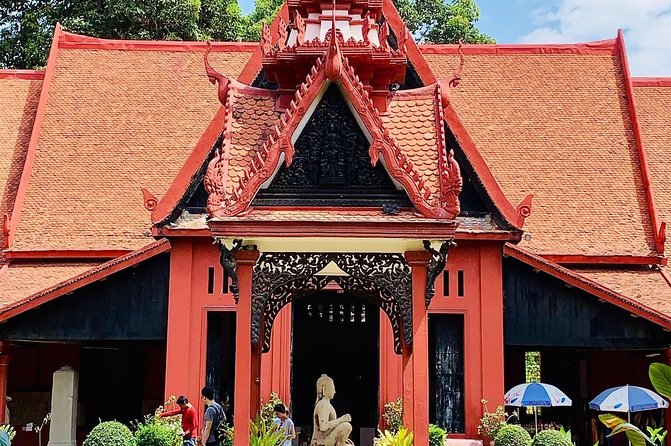
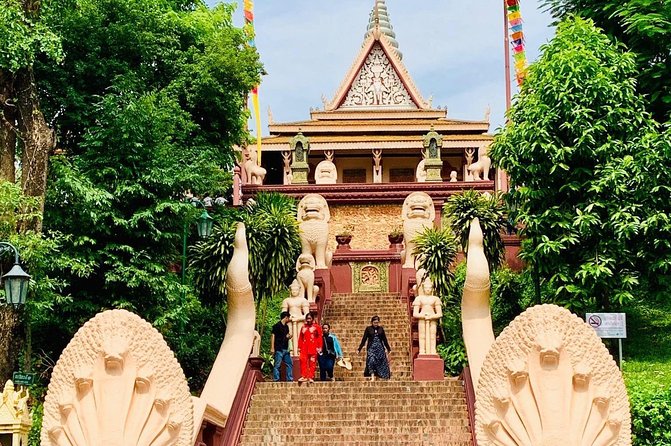
After palace grandeur, the day shifts to something more local: Wat Phnom. This temple sits on a hill (about 27 meters high) and it’s described as the only hill in town—an easy way to picture why people built a spiritual landmark there.
You’ll spend about 40 minutes here with admission included. The setting is the point: you’re not just walking through a courtyard. You’re climbing up from street level to a view-slowing pause, which helps your brain reset after the palace buildings.
There’s also a legend tied to the site—statues said to have been deposited in the 1300s—so if you like stories that explain why places matter, your guide can give you that layer quickly. That legend context is useful because it keeps Wat Phnom from becoming just another temple stop in a lineup.
If you’re sensitive to heat, this is where timing helps. The tour route gives you a temple break before the genocide-related stops later in the day. It won’t feel like a random switch—you’ll have a more natural pacing.
Tuol Sleng and Choeung Ek: facts with nowhere to look away
Then come the stops that change the tone of the whole day: Tuol Sleng Genocide Museum and Choeung Ek Genocidal Center.
First, you go to Choeung Ek (about 1 hour 30 minutes, ticket included). This is described as the extermination site where people detained and tortured at S-21 (the Tuol Sleng prison museum) were transported. The names, dates, and scale are heavy. The value of going with a guide is that they help you understand what you’re seeing without turning it into a lecture you can’t process.
After that, you visit Tuol Sleng Genocide Museum (also about 1 hour 30 minutes, ticket included). Tuol Sleng is a former high school taken over and turned into Security Prison 21 (S-21). The museum explains how it became a major detention and torture center during that period.
What I think you should know before you go: this isn’t a “quick photo stop” kind of attraction. It’s an information-and-impact stop. If you’re prone to emotional overload, bring patience for yourself. Give yourself breaks if you need them.
A guide with a personal connection can make a difference. In feedback about this tour, guides like those named earlier are praised for having close family experiences connected to the Pol Pot era. That doesn’t change the facts—what it changes is how the information lands in your body as well as your head.
These sites also take time. The scheduled 1.5 hours each is enough to see the material, read what matters, and still keep your attention from turning into numbness.
Central Market and monuments: Phnom Penh beyond the ticketed sights
After the museum weight, you’ll move toward the city’s everyday and symbolic parts: Central Market plus monument-style stops.
Central Market is a known Art Deco landmark of Phnom Penh, and the yellow building completed in 1937 is the kind of structure you don’t forget once you notice it. You’ll spend about 20 minutes here with admission included. This is a shorter stop by design, and that works. It gives you a chance to reset, look at local trade, and see the city as something lived in—not just visited.
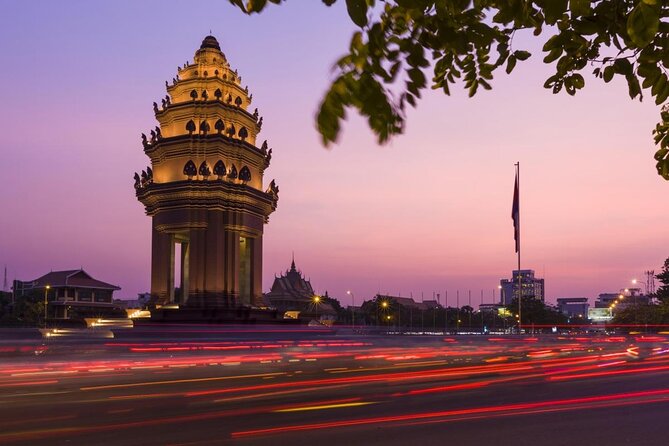
You’ll also stop for an Angkorian-style independence-themed tower built in 1958, tied to Cambodia’s Independence Day. The details matter less than the context your guide provides: monuments like this are how a city teaches identity in stone and concrete.
Finally, you’ll visit the Norodom Sihanouk Memorial, a monument commemorating former King Norodom Sihanouk, with a large statue housed under a tall structure. It’s a quick but meaningful stop that helps round out the political story arc of the day—power and governance before and after the dark years.
If you like to understand the city in one sweep, this final stretch is where it clicks. You’re no longer only seeing history—you’re seeing how Phnom Penh chooses to remember.



Price and value: is $84.11 a fair deal?
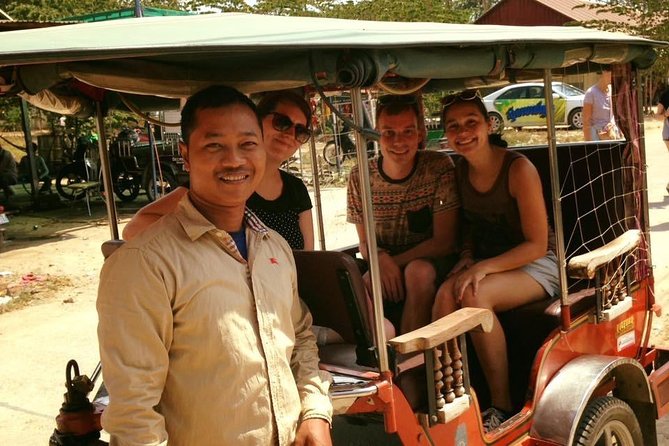
The price is $84.11 per person for about 7 to 8 hours in a private tuk-tuk, with English-speaking guide, hotel pickup/drop-off, all entrance fees, and bottled water included.
On pure cost, it’s not the cheapest option. But on value, it has a few things working in your favor:
- You’re paying for private transport. A tuk-tuk day with a knowledgeable guide isn’t the same as paying a driver and figuring it out yourself.
- Entrance fees for multiple major sites are included. That’s where DIY plans can quietly get expensive.
- The day covers both the “must-see classics” and the sites that demand context. For many people, the guide is the difference between seeing places and understanding them.
One more detail that affects value: this tour is often booked around 15 days in advance on average. That suggests it’s a popular way to do Phnom Penh without dragging your schedule through complicated planning.
If you’re traveling in a small group or want a guided day that doesn’t require you to be organized in advance, this price starts to look more reasonable. If you’re solo and you don’t care about guides or museum context, you might find cheaper ways to cover a few stops—but you’d likely lose the “one coherent story” effect.
What to expect from the guide and the pacing
The standout praise tied to this tour isn’t only that the route is full. It’s that the guide keeps the day engaging.
You’ll get an English-speaking guide who can handle questions at any stop. Feedback highlights guides such as Ms Chheang Sreyneang and Channy as being especially patient and passionate. That matters because Phnom Penh’s most important sites are also the most complex ones.
The schedule is designed to balance:
- royal and temple sights early (palace and Wat Phnom),
- then the genocide sites in the middle (Choeung Ek, Tuol Sleng),
- then market and monuments later (Central Market, independence tower area, Sihanouk Memorial).
That pacing helps. If all the heavy sites came first, it would be harder to absorb. If everything came first and museums came last, you’d risk ending the day with a foggy head. This order gives you a mental runway and a landing.
Also, lunch isn’t included, but your guide will recommend a good local restaurant. That’s a practical touch, especially if you want Cambodian food but don’t want to gamble on a random place.
Getting the most out of the day (without making it miserable)
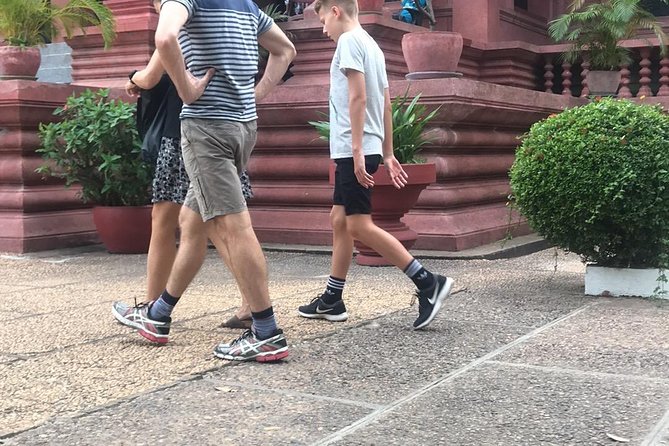
Because this is a full-day tour, I’d treat it like one long “walking + museum” day with heat and emotions thrown in.
Wear light layers and bring something for sun coverage at outdoor sites. Wat Phnom and Central Market are in open areas, and you’ll want comfort. For temple and palace areas, stick to covered shoulders and knees.
Bring a basic attitude: at the genocide museums, read slowly. Don’t force yourself to “finish fast.” If you need to step back to breathe, do it. A guide can help you decide what to focus on first if you feel overwhelmed.
For food, since lunch isn’t included, plan to eat once your guide recommends. This keeps you from losing time hunting for a meal between ticketed stops.
And if weather changes, note that the experience requires good weather. The tour description indicates that if it’s canceled due to poor weather, you’ll be offered a different date or a full refund.
Who should book this Phnom Penh tuk-tuk city tour?
This tour fits best if you want a single organized day that hits the major Phnom Penh anchors without you having to build the puzzle.
It’s ideal for:
- people who like structured sightseeing but don’t want to be stuck on a bus,
- first-timers who want the big classics and the hardest sites in one route,
- anyone who values an English-speaking guide for context, especially around the genocide museums.
It may be less ideal if:
- you hate long museum sessions,
- you’re looking for only light, casual sightseeing (these stops are serious),
- you want lunch fully included in the price.
Should you book this Phnom Penh tuk-tuk city tour?
If you’re trying to do Phnom Penh in one day and you want it to make sense—temples and palaces early, then the real historical weight, then monuments and market life afterward—this is a strong choice.
I’d book it if you value:
- hotel pickup/drop-off,
- private tuk-tuk comfort,
- entrance fees included,
- and a guide who can handle questions with patience (based on how guides are described, including Ms Chheang Sreyneang and Channy).
I wouldn’t book it if you’re only in Phnom Penh for a short stop and want something purely relaxed. The genocide sites require emotional bandwidth, and the day is long enough that you’ll feel it.
If you can handle a serious, guided day and you want Phnom Penh all in one go, this tour is well worth your attention.
FAQ
How long is the full-day Phnom Penh tuk-tuk city tour?
The tour runs about 7 to 8 hours.
Does the tour include hotel pickup and drop-off?
Yes. Hotel pickup and drop-off are included.
Are entrance fees included in the price?
Yes. All entrance fees are included.
Is lunch included?
No. Lunch is not included, and your guide will recommend a good local restaurant.
Is this tour private?
Yes. It’s a private tour/activity, and only your group participates.
What if the weather is bad or I need to cancel?
The tour requires good weather. If it’s canceled due to poor weather, you’ll be offered a different date or a full refund. You can cancel for a full refund up to 24 hours in advance.