Silk and tofu, far from Phnom Penh traffic. I like the hotel pickup and drop-off that gets you out of town fast, and I love the hands-on craft focus with Cambodian silk weaving explained by local workshop staff. The only real drawback: you should expect some walking on uneven paths, and you may need extra cash for any admission fees that are not included.
This is a tight half-day that runs about 4 hours 30 minutes, capped at a small group size (max 12). You ride in a tuk-tuk, cross by ferry, and spend time in countryside villages instead of repeating the same “photo stop” circuit.
In This Review
- Key Highlights You’ll Actually Feel
- Phnom Penh Tuk-Tuk to Silk Island: Why This Half-Day Works
- The 4.5 Hours Plan: Timing, Comfort, and Pace
- Leaving Phnom Penh by Tuk-Tuk: Your First Taste of Rural Change
- Mekong Ferry to Mekong Silk Island 099: Countryside, Temples, Market
- Craft Stops That Feel Real: Silk Houses and the Working Process
- Where Tofu Fits In: Snack Breaks and Yuba-Style Craft
- English Guide and Small-Group Feel: Getting the Stories Right
- Price and Value: Is $29 Worth It?
- Tips to Get the Most From Your Silk Island Day
- Should You Book This Tuk-Tuk Silk Island Tour?
- FAQ
- How long is the Phnom Penh to Silk Island tour?
- What is included in the $29 per person price?
- Are admission tickets included?
- Do I get hotel pickup and drop-off?
- What group size should I expect?
- Can I cancel for free?
Key Highlights You’ll Actually Feel
- Hotel pickup that saves time: You start and end at your hotel, so you skip the logistics headache.
- Mekong ferry time + village pace: You get countryside views and slower everyday life, not just a quick drive-through.
- Craft stops that make sense: Silk weaving is explained step-by-step, and you’ll likely see tofu-skin production along the way.
- Food breaks included: Cold water and snacks show up during the ride and at stops.
- English guide with real stories: Guides such as Tin Tin, Kim, Lee, Sok, and Nuth have been praised for clear English and good humor.
- Small group size: With a limit of 12, it stays organized and less chaotic than bigger tours.
Phnom Penh Tuk-Tuk to Silk Island: Why This Half-Day Works
If you only have a few hours in Phnom Penh and you want something that feels grounded, this tour hits a good balance. The whole point is escaping the city without doing a full day trip: tuk-tuk rides to the river area, ferry crossings, then village visits focused on craft and culture.
I also like that it’s built around interaction. You’re not just standing behind a roped-off barrier. The plan includes time at working places where silk is produced and where people explain how the process works, which makes the trip feel more like a day with a guide than a checklist.
One more practical plus: the included snacks and water matter on a hot Cambodia day. Even if you don’t eat much, you’ll still stay comfortable enough to enjoy each stop instead of spending the day hunting for shade and drinks.
You can also read our reviews of more tours and experiences in Phnom Penh.



The 4.5 Hours Plan: Timing, Comfort, and Pace
The tour runs about 4 hours 30 minutes. That time window is long enough to feel like you’ve left the city, but short enough that you won’t lose an entire day to transport.
Here’s how the time tends to feel:
- A short pickup-to-departure segment in Phnom Penh (around 30 minutes), then you’re heading out by tuk-tuk.
- A longer stretch on the island side (about 2 hours), built around ferry travel plus countryside village stops.
- A craft-focused block at the weaving house (about 2 hours), where you’ll learn how silk is made and how it becomes woven products.
I’d treat this as a “see and learn” half-day, not a “see everything in the region” half-day. One limitation that showed up in feedback is that the schedule can feel a bit lean if you’re expecting lots of stops. If you like fewer, more meaningful locations, that’s a plus. If you want constant action and constant new scenery, it may feel like fewer hits than a busier itinerary.
Leaving Phnom Penh by Tuk-Tuk: Your First Taste of Rural Change
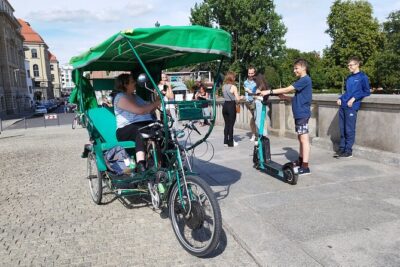
You start with hotel pickup and you head out of Phnom Penh by tuk-tuk. The ride itself is part of the point: it’s the transition from traffic and tourist streets into smaller roads and river-area life.
This segment matters for two reasons. First, it makes the timing easier—no need to coordinate transport on your own. Second, a tuk-tuk feels lively and local compared to more formal tour vehicles. You’re not just getting from A to B; you’re feeling the change in rhythm as you travel.
Admission at the Phnom Penh starting point is listed as free, so you don’t need to worry about paying there. You do need to plan for costs later if any island or workshop admission is requested, since those are not listed as included.
Mekong Ferry to Mekong Silk Island 099: Countryside, Temples, Market
The ferry portion is one of the strongest reasons to choose this tour. It gives you a break from heat and road noise, and it’s the easiest way to get to the island side without a complicated plan.
On the Silk Island side, your route includes:
- farming villages and rural scenes
- a local market stop
- Buddhist temples
I like this mix because it covers daily life, not just production. Silk weaving sounds like a factory tour at first, but the broader context helps you understand why silk matters to local families and how tourism fits into that story.
A practical heads-up: the island portion is about 2 hours. That’s enough time to see a few key sights, but it’s still paced. If you’re someone who likes long wandering breaks for photos, you’ll want to manage expectations and stick with the group flow.
Also, ferry crossings may involve more than one ride. Some groups have reported multiple ferry segments during the day, which is normal for crossing river channels. It’s part of the experience here, not a surprise detour.
Craft Stops That Feel Real: Silk Houses and the Working Process
The final major stop is the Heng Naysim Traditional Cambodian Weaving House. This is where the tour shifts from scenery into technique.
What you should expect here:
- a close look at silk weaving as a craft tradition
- explanations of the history of silk weaving in Cambodia
- time with local villagers who share how weaving is passed down
One detail that stuck with people is multi-generational production. For example, one account described learning about silk-making for seven generations. Even if you don’t hear that exact number on your day, you can expect the guide or workshop host to explain the long-running family tradition behind the work.
The learning style is the value. You’ll likely see how raw materials become threads, and then how those threads become woven pieces. Watching the steps makes it easier to understand why silk isn’t just “pretty fabric.” It’s labor-intensive, and it takes skill.


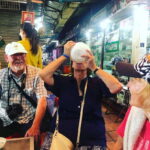


Where Tofu Fits In: Snack Breaks and Yuba-Style Craft
A pattern shows up in the tour experience: tofu-skin craft and food breaks are part of the day’s flow. Several accounts mention tofu skin as a special stop, with people finding it surprising because many visitors have never seen tofu skin production up close.
You’ll also get cold water and local snacks along the way. That sounds simple, but it keeps the day enjoyable. When craft tours run hot and you’re walking between stops, snack timing can make or break the experience.
If you’re food-curious, this is one of those “small stop, big learning moment” add-ons. Even if your interest is mostly silk, tofu-skin production helps broaden your sense of local food and craft culture in the same rural pocket.
English Guide and Small-Group Feel: Getting the Stories Right
This tour includes a professional English-speaking guide, and the small group size (max 12) helps a lot. In a group this size, it’s easier for a guide to pause for questions and adjust pace if someone needs it.
From feedback, certain guides have been praised specifically for:
- clear English
- welcoming personalities
- humor that makes the explanations feel human, not scripted
- smooth coordination from pickup through the last stop
Names that have come up include Tin Tin, Kim, Lee, Sok, and Nuth. I can’t promise you’ll get one of these guides on your date, but the consistent theme is that the tour quality depends on strong guiding, and this one is built around that.
Also, your comfort can matter. One note described a guide making sure a guest using a cane could participate. That’s not a guarantee for every day, but it’s a good sign that the team thinks about how to include people as long as the group can move safely between stops.
Price and Value: Is $29 Worth It?
At $29 per person, this tour is positioned as good value for what you get—especially if you’d otherwise have to piece together transport across the river area.
What’s included:
- hotel pickup and drop-off
- professional English-speaking guide
- cold water and local snacks
- ferry trips to the island
- snacks
What’s not included:
- personal expenses
- admission tickets are listed as not included for the island and weaving house stops (while the Phnom Penh starting segment is free)
So the real question is: are you comfortable with “mostly included” and potentially paying small add-ons? If you expect souvenirs and workshop items, you’ll want to budget for those too, since most craft visits are also places where you can buy silk products.
I also like that the tour has a clear structure. You’re paying for transport (tuk-tuk plus ferries), guiding, and time at relevant places. You’re not paying for a long day of transit with half the stops feeling like quick photos.
For many visitors, the value comes from the combination: rural sites + craft learning + included snacks + hotel convenience. If you hate paying extra during tours, you may want to ask ahead whether any admissions will be requested on your specific day.
Tips to Get the Most From Your Silk Island Day
A few practical things will help you enjoy this tour more:
- Wear shoes you can walk in comfortably. You’ll be moving between stops and likely dealing with uneven paths.
- Bring a little cash for admissions and workshop items, just in case.
- Stay flexible on timing. Craft discussions and ferry schedules can shift slightly depending on conditions.
- Use the snack breaks. They’re there for a reason, and they’ll keep you energized for the weaving house visit.
If you care about craft details, come with one simple mindset: slow down. The best learning moments happen when you ask questions and watch carefully instead of trying to take everything in at once with photos.
Should You Book This Tuk-Tuk Silk Island Tour?
Book it if you want a half-day that takes you outside Phnom Penh and gives you hands-on context for Cambodian silk. The tour’s value is strong when you like guided explanations, practical craft visits, and ferry-and-village experiences without spending all day in transit.
Skip it or consider a different option if you hate any walking, or if you strongly prefer tours where every ticket and admission is guaranteed to be included. Also, if you need a high stop-count day with nonstop new sights, this schedule can feel a bit restrained.
If you want a calm, well-run craft-focused outing with pickup convenience and included comfort basics, this Silk Island tuk-tuk tour is a smart choice.
FAQ
How long is the Phnom Penh to Silk Island tour?
It runs about 4 hours 30 minutes.
What is included in the $29 per person price?
The tour includes hotel pickup and drop-off, a professional English-speaking guide, cold water and local snacks, ferry trips to the island, and snacks.
Are admission tickets included?
Admission tickets are listed as not included for the island and for the weaving house. The Phnom Penh starting segment is listed as free.
Do I get hotel pickup and drop-off?
Yes. Hotel pickup and drop-off are included.
What group size should I expect?
The tour has a maximum of 12 travelers.
Can I cancel for free?
Yes, free cancellation is available. You can cancel up to 24 hours in advance for a full refund.