REVIEW · PHNOM PENH
Phnom Penh: Private City Tour by Tuk-Tuk with 10 Highlights
Book on GetYourGuide →Operated by Visal Tuk-Tuk Tours in Phnom Penh · Bookable on GetYourGuide
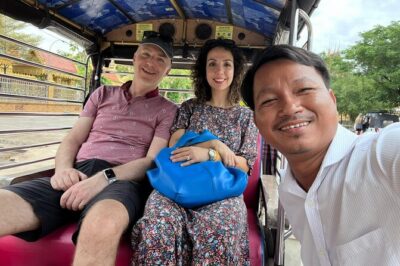
Phnom Penh in five hours beats rush tours. You’ll cover major sights by private tuk-tuk with a guide who helps you make sense of the city, from heavy history sites to iconic royal and temple buildings. It’s a good way to see a lot without spending your whole day stuck in traffic or guessing where to go next.
I especially like two things: the mix of Khmer Rouge history and landmark architecture, and the way the day is paced so you can slow down for photos and questions. I also like that many guides (like Visal, Elvis, and Pum) come across as calm, on-time, and flexible when you want extra time at a stop.
One consideration: the $20 tour price covers transport and guiding, but most key entry tickets are extra, including the Royal Palace (and you’ll also do some walking at the genocide sites).
In This Review
- Key Reasons This Tuk-Tuk Tour Works So Well
- Getting Oriented Fast: Why a Private Tuk-Tuk Makes Sense in Phnom Penh
- Genocide Museum and Killing Fields: Seeing the Truth Without Losing the Plot
- The Lunch Gap: A Real Pause Before Temple and Palace Time
- Independence Monument and the Park Strip: Photo Stops with Real Meaning
- Royal Palace Interiors and the Photography Advantage
- National Museum: A Smart Exterior-Only Stop
- Wat Ounalom, Wat Phnom, and Lady Penh: Temple-to-Statue Flow
- Price and Entry Fees: What the $20 Gets You (and What It Doesn’t)
- What to Bring, What Not to Wear, and How the Day Feels
- Who Should Book This Tour (and Who Might Want a Different Plan)
- Should You Book This Phnom Penh Tuk-Tuk Tour?
- FAQ
- How long is the Phnom Penh private tuk-tuk tour?
- What is the price per person?
- What’s included in the tour?
- What’s not included?
- Is there an audio guide included at the Genocide Museum and Killing Fields?
- Can the tour guide go inside with me at every stop?
- What does the National Museum visit include?
- Do I need to pay to enter the Royal Palace?
- Does the tour run in rain?
- What should I wear or bring, and what is not allowed?
- Is there free cancellation?
Key Reasons This Tuk-Tuk Tour Works So Well
- Audio-guided visits at the two most intense sites (Genocide Museum and Killing Fields) help you focus without rushing.
- Rainproof planning: umbrellas are provided, and the tuk-tuk can be made rain-ready so you still go out.
- A fast, practical way to string together Phnom Penh’s far-flung highlights with hotel pickup and drop-off.
- Park Strip monuments are easy wins with free access and lots of photo angles.
- Temple-and-statue time is mostly low-cost (many stops are free or just a small fee).
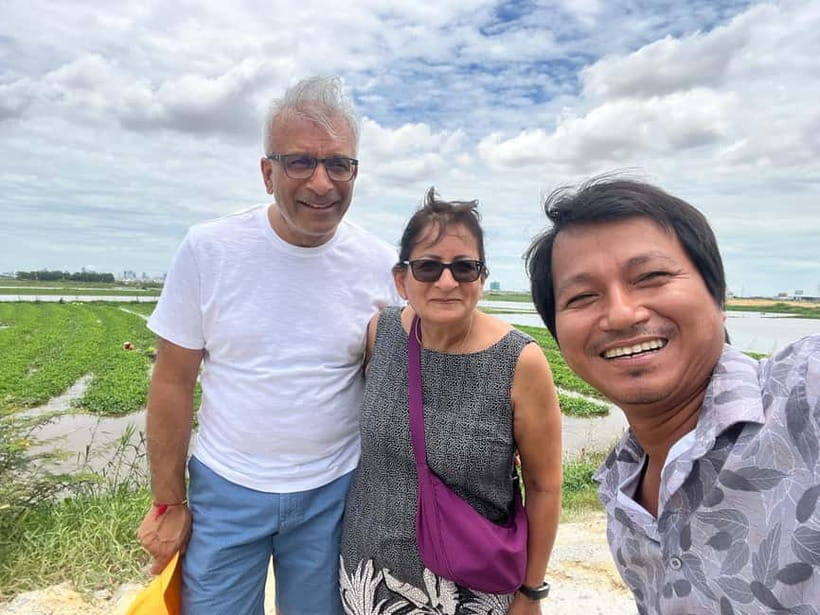
- Guides matter here: people repeatedly mention safe driving, good English, and staying ready when you come out.
Getting Oriented Fast: Why a Private Tuk-Tuk Makes Sense in Phnom Penh
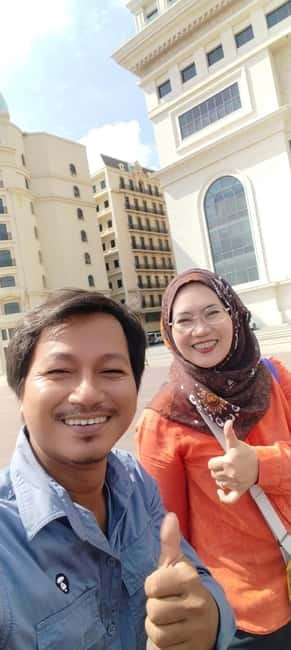
Phnom Penh can feel like a puzzle at first. Big monuments, museums, and temples sit in different pockets of the city, and traffic can be chaotic. A private tuk-tuk tour gives you structure right away, and you get a guide who can point out what you’re looking at instead of letting you wander blindly.
With pickup and drop-off at your hotel, you also avoid the most annoying part of sightseeing: figuring out where to start and how to get between distant stops efficiently. The day is built for movement, but you’re not stuck in a rigid group schedule—your guide can adjust the order and pacing when needed, which shows up again and again in guide feedback.
You can also read our reviews of more tours and experiences in Phnom Penh.


Genocide Museum and Killing Fields: Seeing the Truth Without Losing the Plot
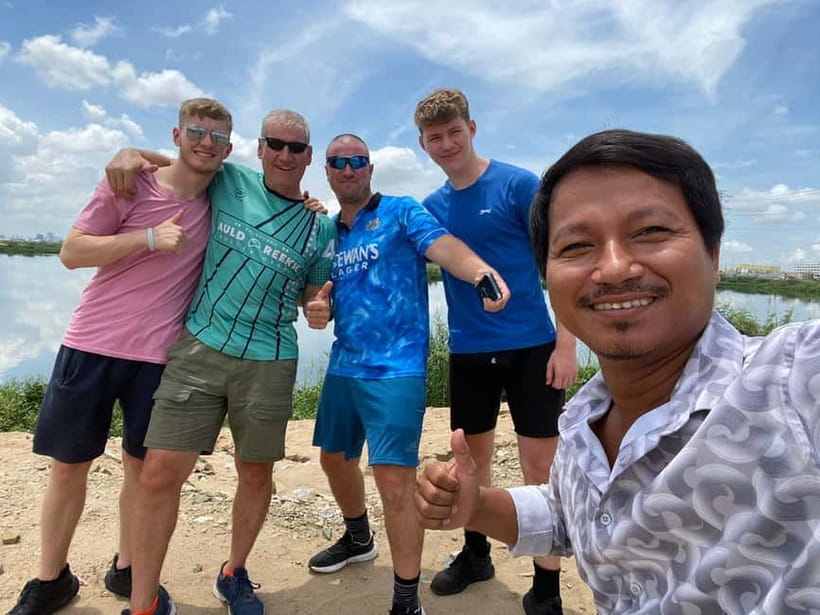
This is the heart of the tour. You start with the Genocide Museum, a former girls school that was later used for imprisonment, torture, and holding before people were transported to the Killing Fields. It’s heavy material, and the museum experience is structured to help you absorb it at your own speed.
The museum entry is $10, and that price includes an audio guide. A key practical point: the tour guide won’t go inside with you at audio-guide sites. That can be a little disorienting at first, but it also means you’re not pulled along; you can listen, read, and process what you’re seeing.
From there you head to the Killing Fields, about 45 minutes away. It’s described as the second most historical Khmer Rouge genocide site in Phnom Penh. Entry is $6 and includes another audio guide, and again the focus is on letting you spend time there without a lot of external pressure.
Two smart tips before you go: wear comfortable shoes, and plan for mental stamina. Some walking is involved—particularly around these sites—but it’s not framed as a long hike. It’s more about emotional weight than distance, so pace yourself. If you need breaks, you’ll be glad you chose a private setup where your guide can wait while you collect your thoughts.
The Lunch Gap: A Real Pause Before Temple and Palace Time
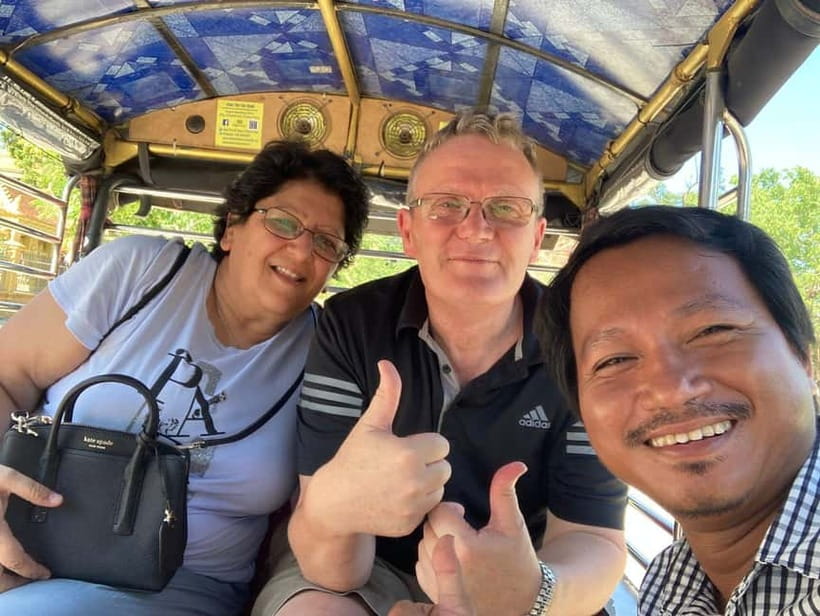
After the museum and Killing Fields, you return toward the city for lunch. Lunch isn’t included, but this is a good moment to refuel and switch gears. Phnom Penh’s highlights after this are mostly architectural and religious, and they’ll make more sense after you’ve had a chance to reset your brain.
I like that the tour doesn’t pretend you can go from intense history to temples without a breather. Use this time to eat something simple and Khmer-friendly, ideally somewhere your guide recommends nearby. In guide feedback, you’ll see mentions of good, inexpensive meal suggestions—use that as a cue to ask your guide for where locals actually eat.
Independence Monument and the Park Strip: Photo Stops with Real Meaning

Once you’re back in the city, you move into the Monument-and-Statue zone along the Park Strip. It’s one of the easiest areas to explore because you can see the big landmarks close together, and Park Strip entry is free.
You’ll visit the Independence Monument, built to represent Cambodia’s independence from French colonisation. The time span matters: French rule lasted from 1863 to 1953, and the monument connects you to that long arc in a compact, visual way.
Next you’ll see the King Norodom Sihanouk Statue on the same strip. This one is modern compared to many Phnom Penh landmarks—built in 2013 after his death—which makes it feel like a bridge between old royal stories and newer national memory.
As you keep moving, you’ll also stop at the Cambodian Vietnam Friendship Monument, tied to the alliance between the two countries. Even if you’re not a monument person, these stops are worth it because the guide connects symbolism to the places you’re standing in, not just the plaques.
Royal Palace Interiors and the Photography Advantage
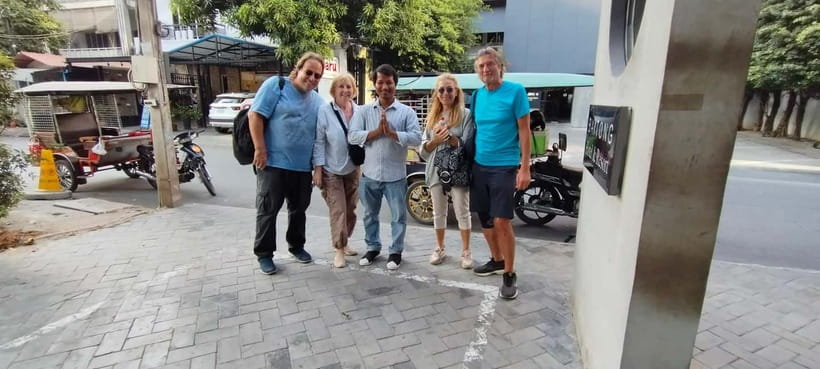
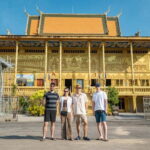
The Royal Palace is one of Phnom Penh’s biggest “wow” stops. You can go inside here, and it’s a strong contrast after the more somber opening of the day. Expect beautiful buildings and plenty of photo opportunities.
But here’s the cost reality: Royal Palace entry is $10 per person, and there’s another $10 for a guide. Also important—there’s no audio guide available for this part, so you’ll rely on your guide’s explanations while you walk through.
If you’re trying to budget, plan for the Palace as the biggest paid component after the genocide sites. If you’re a photographer, this is also where you’ll want to be ready to move a bit—access areas and viewing angles can change as you go.



National Museum: A Smart Exterior-Only Stop
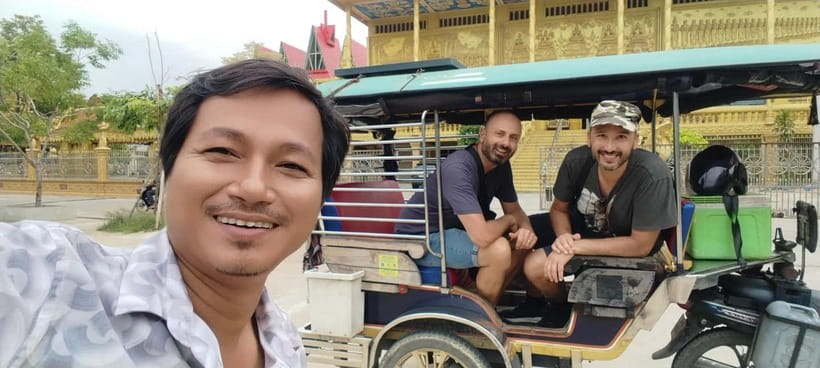
Not every site on the list is about interior access. The National Museum gives you a chance to appreciate classic Cambodian architecture and get strong photos, but the tour’s plan is outside visit only, and that’s free.
This is a practical choice if you want variety without making the day heavier. It also helps you avoid “museum fatigue” after the museum and Killing Fields earlier. You’ll still get a worthwhile architectural break, and your energy stays focused on what the city does best visually: temples, royal buildings, and ornate details.
Wat Ounalom, Wat Phnom, and Lady Penh: Temple-to-Statue Flow
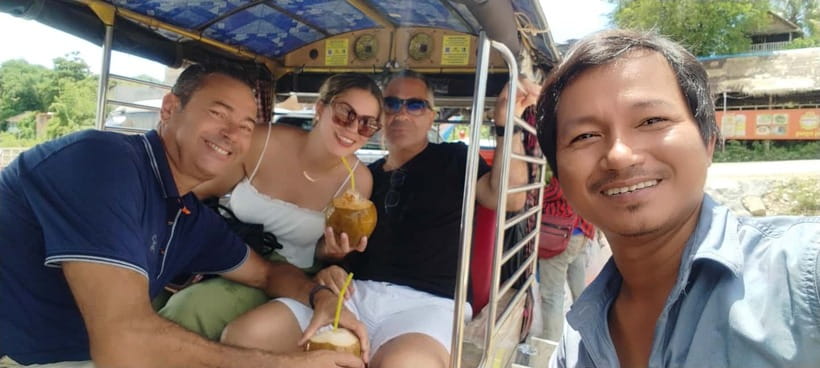
After palaces and museums, the day settles into spiritual landmarks—perfect if you want a change of pace that still feels meaningful.
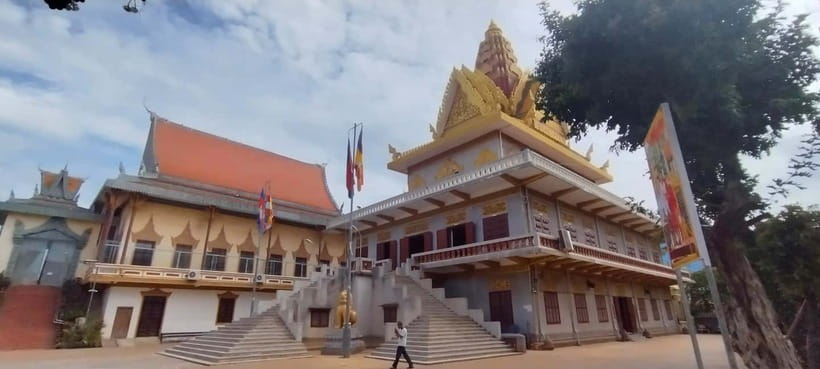
You’ll visit Wat Ounalom, originally built in 1442, and one of Phnom Penh’s important temples. Entry is free. This is a good stop when you want something calm after the intensity of earlier hours. Even if you’re not religious, the temple setting gives you a sense of how Phnom Penh lives day to day, not just how it remembers the past.
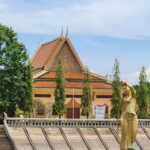
Then you go to Wat Phnom, which has an entry fee of $1. Nearby you’ll see the Lady Penh Statue association, and the tour ends with the Lady Penh Statue as the final stop. The guide will explain who Phnom Penh is named after and why the name matters to local story.
This ending matters more than it seems. The genocide sites teach you what happened. The monuments and palace teach you how power and identity got expressed. The temples and Lady Penh story bring it back to everyday meaning—names, legends, and places people still care about.
Price and Entry Fees: What the $20 Gets You (and What It Doesn’t)
The headline price is $20 per person, and that part is mostly about the logistics: hotel pickup and drop-off, roundtrip transport, a private guide, and convenience items like cold drinking water, towels, and umbrellas if it rains.
Most major attractions have extra costs. Here’s what you should mentally budget:
- Genocide Museum: $10 entry (includes audio guide)
- Killing Fields: $6 entry (includes audio guide)
- Royal Palace: $10 entry + $10 guide fee
- Wat Phnom: $1 entry
- Some stops are free (like the Park Strip and Wat Ounalom), and the National Museum stop is outside-only and free.
So yes, the tour looks cheap until you add tickets—but that’s also the honest trade. You’re paying to string together far-apart sights in one day, with a driver who knows the flow and a guide who helps you get meaning out of what you’re seeing.
One practical budget tip: bring cash for the paid stops. At least one guide mentioned fees can be cash-only for some $10 items. Even if it’s not always the case, having the right money ready is the difference between a smooth day and an embarrassing scramble.
What to Bring, What Not to Wear, and How the Day Feels
Bring:
- Comfortable shoes (you’ll do some walking, especially around the genocide sites)
- A camera
- Comfortable clothes
Wear note: sleeveless shirts aren’t allowed. Temples and palace areas tend to be strict about basic coverage, so treat it as a must rather than a suggestion.
Expect the tour to run rain or shine. The tuk-tuk can be made rainproof, and umbrellas are provided if it’s wet. Phnom Penh heat can be intense, so that cold water support isn’t a small detail—it’s part of why this tour feels doable as a 5-hour plan.
Who Should Book This Tour (and Who Might Want a Different Plan)
This works best if you:
- Have only one day in Phnom Penh and want the major highlights without planning each hop
- Want a guide to connect dots across monuments, temples, and Khmer Rouge history
- Like photo-friendly stops, but also want the day’s heavier content handled in a thoughtful way
You might skip this exact format if you:
- Prefer a lighter, purely cultural day with no genocide-site component
- Don’t want audio-guide experiences where you go in on your own while the guide waits outside
- Want a fully guided, inside-only museum experience at every location (here, some sites include audio and guide doesn’t enter)
Should You Book This Phnom Penh Tuk-Tuk Tour?
If you want a practical one-day overview that mixes the city’s hardest truth with its most iconic buildings, I’d say book it. The value is in the transport, the private pacing, and the fact that you’re not stuck arranging everything yourself in traffic.
Just go in with the right expectations: the content at the Genocide Museum and Killing Fields is intense, ticket costs add up (especially for the Royal Palace), and you’ll do some walking. If that fits your style, this tour is an efficient, well-timed way to see Phnom Penh in one day—on a tuk-tuk, with a guide ready to help you make sense of what you’re standing next to.
FAQ
How long is the Phnom Penh private tuk-tuk tour?
The tour runs about 5 hours.
What is the price per person?
The price is $20 per person.
What’s included in the tour?
Included are hotel pickup and drop-off, roundtrip transportation, a private tour guide, cold drinking water, towels, and umbrellas if it is raining.
What’s not included?
Entry fees for the Genocide Museum ($10 with audio guide), Killing Fields ($6 with audio guide), Royal Palace ($10 entry plus $10 for a guide), Wat Phnom ($1), and lunch are not included.
Is there an audio guide included at the Genocide Museum and Killing Fields?
Yes. The Genocide Museum entry includes an audio guide, and Killing Fields entry includes an audio guide.
Can the tour guide go inside with me at every stop?
At sights with an audio guide, the tour guide will not enter inside with you.
What does the National Museum visit include?
The National Museum stop is outside only, and it’s free.
Do I need to pay to enter the Royal Palace?
Yes. Royal Palace entry is $10 per person plus another $10 for a guide.
Does the tour run in rain?
Yes. It operates rain or shine. The tuk-tuk can be made rainproof, and umbrellas are provided if raining.
What should I wear or bring, and what is not allowed?
Wear comfortable clothes and bring comfortable shoes and a camera. Sleeveless shirts are not allowed.
Is there free cancellation?
Yes. You can cancel up to 24 hours in advance for a full refund.
![[30 minutes] Rickshaw tour around Asakusa [History, sightseeing, Tokyo Skytree] - Tokyo Skytree in the Mix: The Best Kind of Modern Contrast](https://s3.tuktuktourer.com/wp-content/uploads/30-minutes-rickshaw-tour-around-asakusa-history-sightseeing-tokyo-skytree-400x267.jpg)