REVIEW · BATTAMBANG
Battambang: Tuk-Tuk, Bamboo Train, Killing/Bat Caves, Sunset
Book on GetYourGuide →Operated by Battambag full day city and countryside Tuk Tuk tour · Bookable on GetYourGuide
Battambang feels like a movie when you go by tuk-tuk. This full-day tour strings together city culture, countryside life, and two very different caves, with a guide like Samol or David making the day fly by with stories and real local context. I especially love the quick orientation through town, then the moment the bamboo train starts rolling past rice fields.
I also love how the itinerary balances big history with everyday details like fruit plantations, market stops, and time to chat with farmers.
One thing to plan for: part of the day is heavy. The Killing Cave visit covers the Khmer Rouge period, and the mountain segment involves uneven terrain plus a later sunset timing push.
In This Review
- Key highlights worth getting excited about
- Battambang by tuk-tuk: the city loop that sets the day’s tone
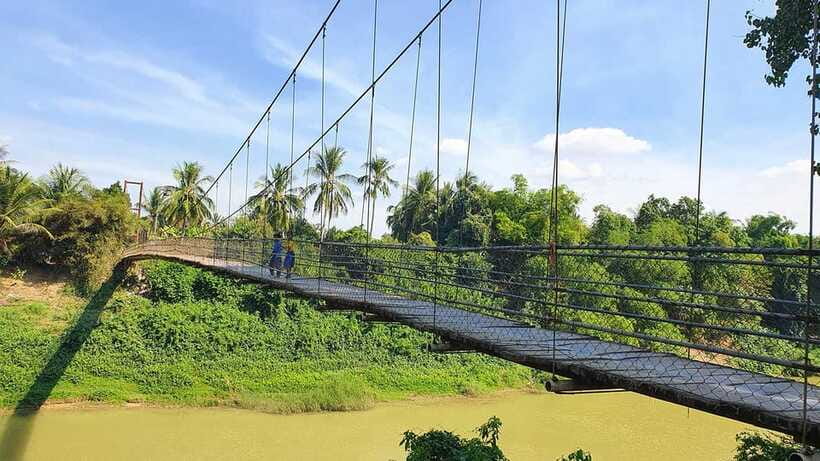
- Villages, fruit plantations, rice fields, and the bridge moment
- Bamboo train ride: the $5 ticket, the earplug tip, and the real payoff
- Lunch in a village: where the day slows down
- Phnom Sampou and rat barbecue: a local dish you can choose
- Killing Cave: a somber stop told with context and care
- Temples, monkeys, and viewpoints before sunset
- Bat Cave at sunset: the exit you’ll remember
- Price, value, and practical logistics that affect your day
- Should you book this Battambang tuk-tuk and bamboo train day?
- FAQ
- What’s the total price, and what costs extra?
- How long does the tour take?
- Is hotel pickup and drop-off included?
- What transportation do we use?
- Is the guide English-speaking?
- Which caves are visited?
- Do we get to try rat barbecue?
- What should I bring?
- Is there a dress code?
Key highlights worth getting excited about
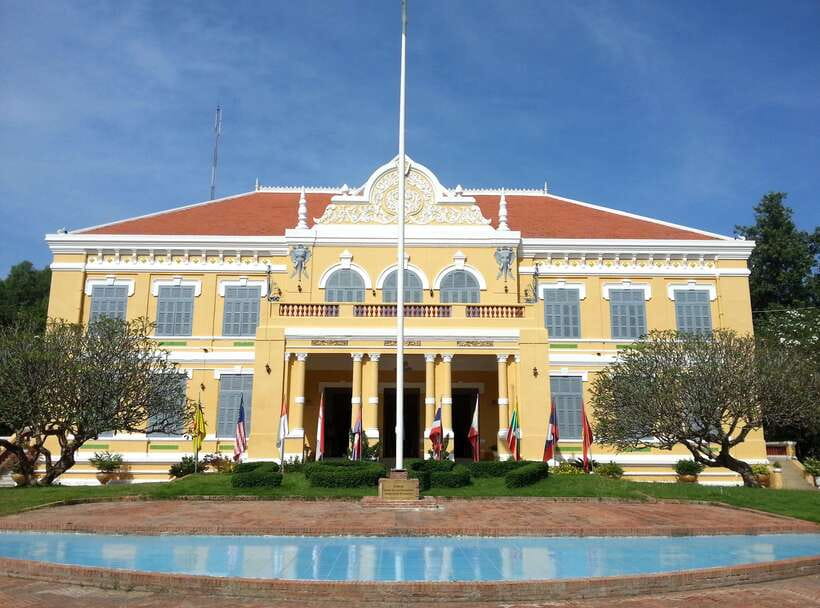
- Tuk-tuk city loop with context: central market, provincial hall, historic buildings, and Battambang’s symbol statue, all explained by your guide
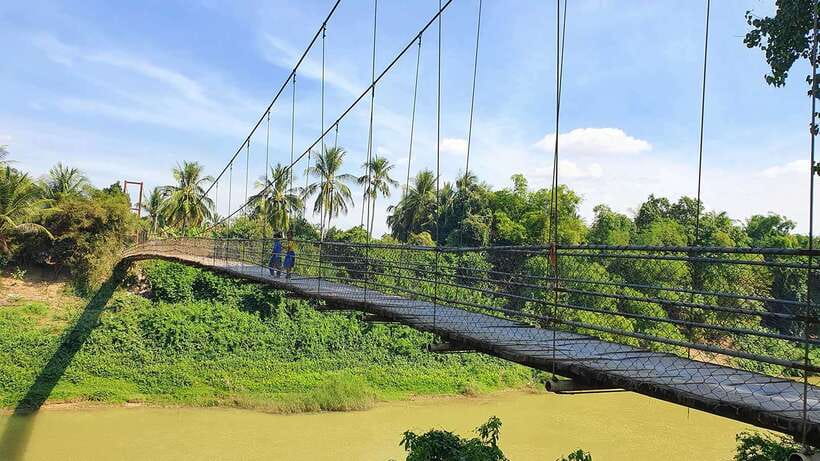
- Countryside stops that feel lived-in: fruit plantations, rice fields, villages, and a suspension bridge, with time to talk to locals
- Original bamboo train ride: you’ll see countryside views from the tracks, with a separate ticket to pay
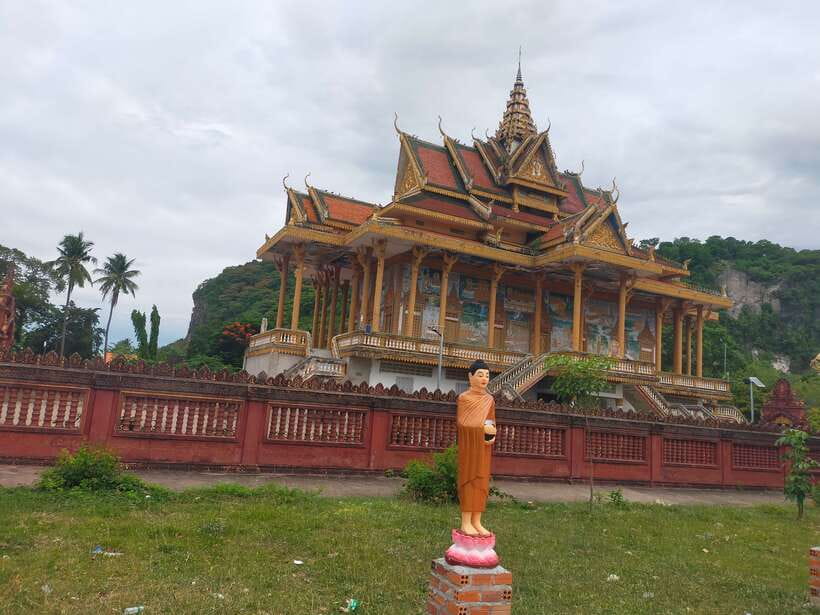
- Phnom Sampou mountain experience: temples, viewpoints, monkeys, and the sunset timing on the summit
- Bat Cave at golden hour: the wrinkly-leap bats fly out in a spectacle that really sticks with you
Battambang by tuk-tuk: the city loop that sets the day’s tone
This tour starts with pickup and you get rolling fast. Your guide takes you through Battambang town on a tuk-tuk, which is the best way to get your bearings before you leave the city. Even if you’ve only arrived that day, you’ll understand what you’re seeing: why certain buildings matter, how religion shows up in everyday life, and what agriculture does for the local economy.
A standout here is the mix of places that are easy to miss on your own. You’ll pass historical buildings and check out the central market and provincial hall, then stop for photos around Battambang’s symbol statue. It’s not just a checklist. Your guide ties the city’s name, stories, and traditions into what you’ll encounter later in the countryside.
Two practical notes that make a difference:
- This is a full-day pace, so think light and practical from the start. Comfortable shoes matter even in the city.
- Pickup is optional and happens within a set radius of town, so if you’re staying farther out, confirm the exact pickup point. You’ll be asked to wait about 10 minutes in the lobby before departure.
Villages, fruit plantations, rice fields, and the bridge moment
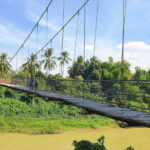
Once the city basics are in place, the tour shifts to life outside town. You’ll go to villages, fruit plantations, and rice fields, plus a suspension bridge stop. The point isn’t to rush you through pretty scenery. It’s to show you the rhythm of Battambang: the work people do, how seasons shape daily life, and how farms connect back to the markets you saw earlier.
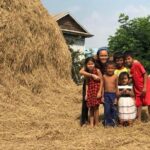
This is also where you get something I love in guide-led travel: time that feels human. You’ll spend time with locals and you may get a chance to speak with farmers. Those conversations are often the difference between collecting photos and actually understanding what you’re looking at.
You should expect more than “drive-by” views. The countryside segment is a window into how agriculture and community connect, especially around rice. If you’re traveling in the dry season or during peak sun, rain gear and sunscreen aren’t optional; they’re comfort tools.
Bamboo train ride: the $5 ticket, the earplug tip, and the real payoff
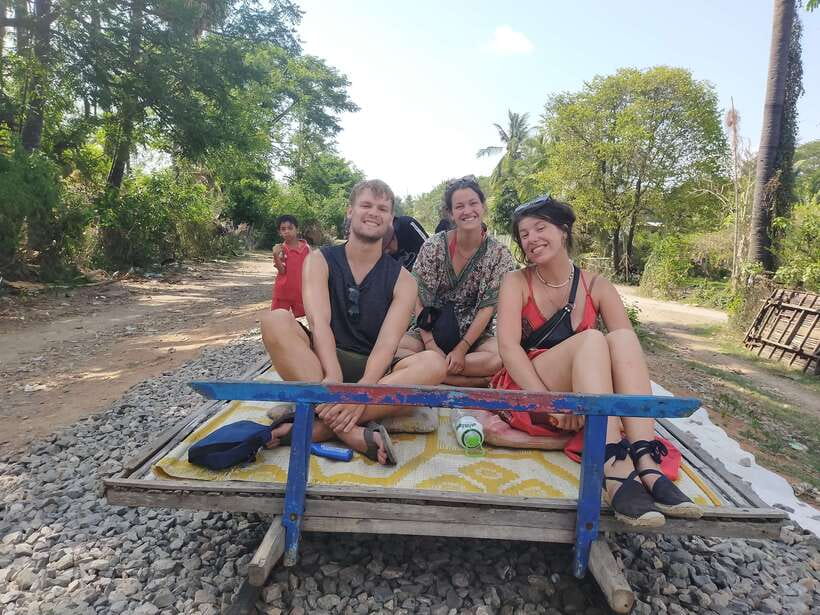
Then comes the headline: the original bamboo train ride. This portion is straightforward but worth planning for because the bamboo train ticket is not included in the base price. You’ll pay about $5 per person separately.
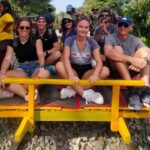
What you’ll actually get from this ride is the slow, rolling contrast between city stories and countryside reality. While you’re on the track, your guide’s narration helps the countryside make sense. And you’ll see plenty of rice and waterways shaping the view along the route.
A small but useful tip from experience: the bamboo train ride can be loud and a little bumpy, so bring earplugs if you’re sensitive to noise or vibration. It turns a tiring ride into something you can enjoy more.
Also, there’s an honest tradeoff to know in advance: bamboo train stops can become a moment where people try to sell extra items. It’s not the whole day, but it can happen. If you bring a little cash and set your expectations, it’s easier to stay relaxed.
Lunch in a village: where the day slows down
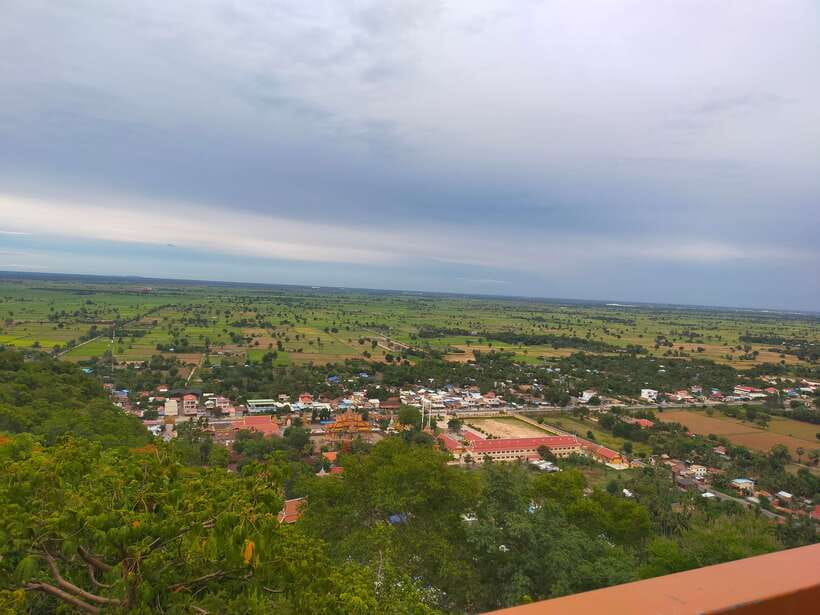
After the bamboo train, you’ll have late lunch at a local restaurant in the village area. Lunch is not included in the tour price, but the included parts around it help you enjoy the meal more: cold bottled water shows up during the day, and you also get fruit salad included.
Why this lunch stop is valuable: you’re eating in the same part of the region where the tour just took you. That matters. When you go from farm stops to food without a long return drive, the day’s story stays coherent.
If you have dietary restrictions, you’ll want to mention them clearly when you meet your guide. One of the strengths highlighted by guests is that guides work to accommodate needs when possible.
Phnom Sampou and rat barbecue: a local dish you can choose
Next the day heads up to Phnom Sampou, the mountain area that anchors several stops. This is where you’ll likely taste rat barbecue, a popular local dish. Importantly, the rat barbecue tasting is listed as optional, so you can decide on the spot.
If you do try it, do it with curiosity, not pressure. It’s one of those meals that feels like a cultural moment rather than a “tourist food” stop. And even if you skip the rat, you still get the mountain setting that makes this segment memorable.
A good practical approach:
- Bring cash just in case you want extra snacks or drinks beyond lunch.
- If you’re easily put off by the idea of it, you can still enjoy the rest of the Phnom Sampou part without ordering the tasting.
Killing Cave: a somber stop told with context and care
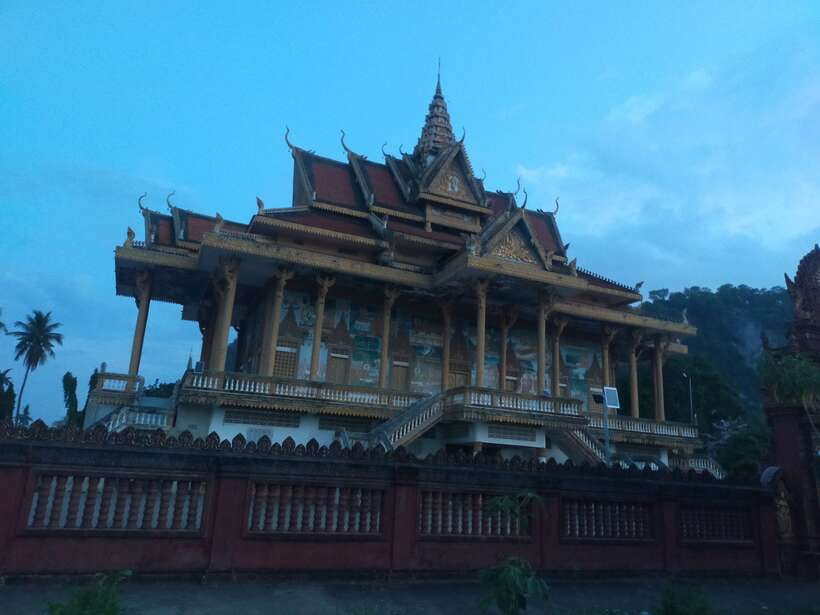
The Killing Cave visit is the most emotionally demanding part of the tour. You’ll travel to the hill by motorbike or pickup truck (depending on what’s used on the day), then climb and descend on uneven ground. Once you’re there, your guide explains the period of the Khmer Rouge (1975–1979), including that over ten thousand victims were killed.
This isn’t a light roadside stop. The value is in understanding the historical weight of the site and how that history shaped Cambodia. Your guide’s job is to give context without turning it into spectacle. In the best days, you’ll feel that care in the way the story is paced and explained.
A consideration I’d underline: if you’re the type of traveler who gets overwhelmed by dark history, you may need a calmer buffer later. The rest of the day does move toward temples, viewpoints, and bats at sunset, but you still arrive from a serious place.
Temples, monkeys, and viewpoints before sunset
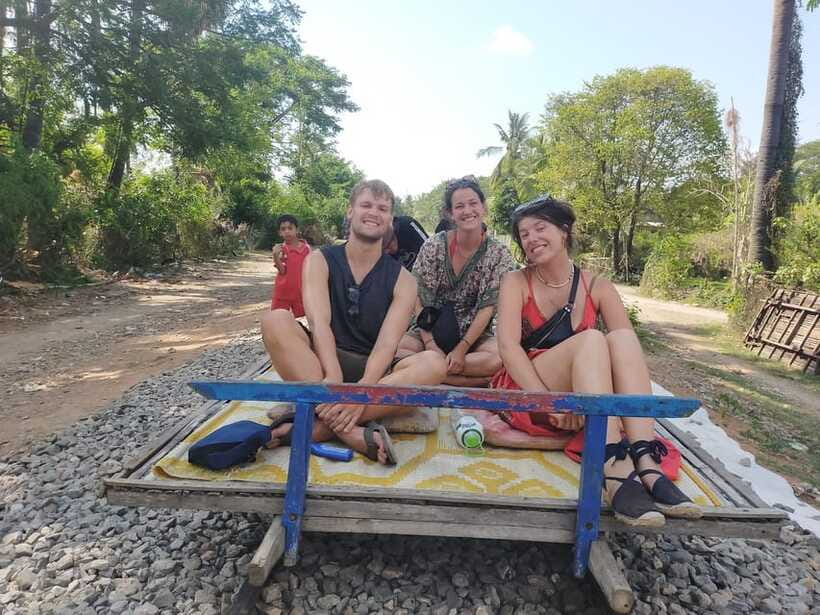
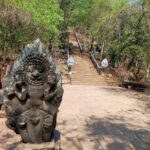
After the heavy part, the tour balances things again with stops around the mountain area. You’ll visit temples, pass monkey areas, and hit viewpoints that are great for photos. This segment also sets up the final highlight: sunset.
Timing matters here. The mountain segment can feel like it includes both walking and waiting for the right moment to see the sunset view. In at least one recent experience, the group felt a bit tight on time while listening to Khmer Rouge history near the summit, so I’d plan mentally for a schedule that stays efficient.
What to wear:
- Comfortable shoes with grip are a must.
- If you’re sensitive to sun, sunscreen and a cap help.
- Rain gear is smart because weather can shift quickly.
Bat Cave at sunset: the exit you’ll remember
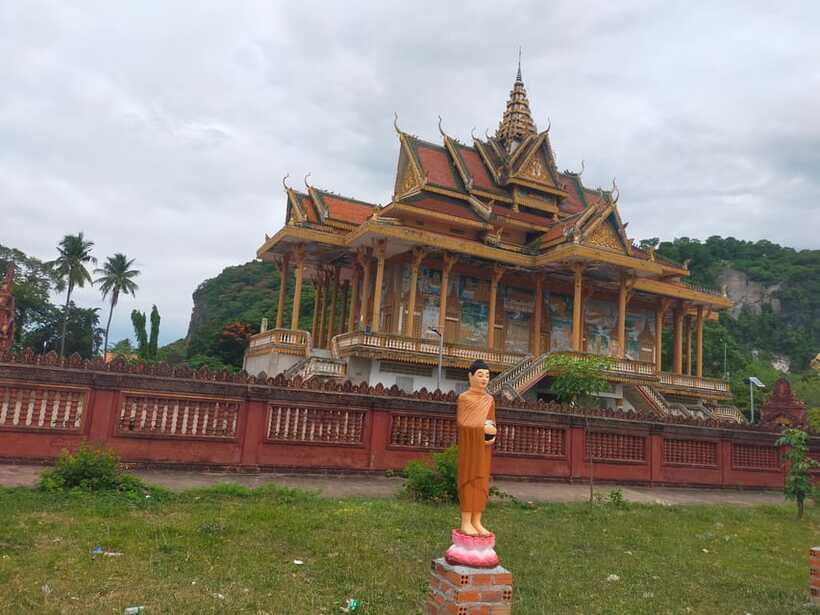
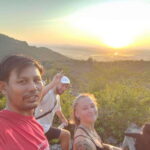
Then you reach the Bat Cave. This is where the day flips into pure nature spectacle. You’ll watch the wrinkly-leap bats fly out—right around sunset—and the visual impact is the kind you don’t forget easily.
The reason this stop works so well is the build-up. You go from city understanding to agriculture context to heavy history, then you end with living wildlife. The contrast is real. And your guide helps you time the moment, so you’re not just showing up late and standing around.
Two practical tips:
- Arrive with your camera ready, and keep it secure while you look around. You’ll want hands free.
- Wear something breathable; this part can get warm, and you might wait for the right light.
Price, value, and practical logistics that affect your day
Let’s talk value. The price is listed at about $9 per person, which is low for a day that includes tuk-tuk transport, a live English guide, multiple admissions, cold bottled water, fruit salad, and hotel pickup/drop-off (within the specified pickup zone). The extra costs you should plan for are clear:
- Bamboo train ticket: about $5 per person (not included)
- Lunch: not included
- Rat barbecue tasting is optional
When I see tours priced low but that still include a lot of movement and guided time, it usually means the “make or break” is your guide. Here, that seems to be the strength. Guides like Samol and David get praised for mixing humor with serious explanation, and they’re proactive about getting you where you need to be at the right time. You’ll often also get photo help during the day, with some guides sending images afterward via WhatsApp.
Who this tour fits best:
- You want a guided day that covers Battambang town plus countryside without planning logistics yourself
- You like history told in a story-driven way, not just dates
- You want the bamboo train and the bat spectacle in one trip
- You’re okay with a mix of fun and somber content
Who might think twice:
- You’re very sensitive to dark history content.
- You need step-free, wheelchair-friendly routes, because the mountain and cave areas involve walking and uneven ground.
- You’re traveling with kids or very elderly relatives who may not handle the schedule and terrain well.
Also, there are small rules you should follow. Sleeveless shirts are not allowed, so cover up for the visits.
Should you book this Battambang tuk-tuk and bamboo train day?
If your goal is a high-value day in Battambang—bamboo train, countryside, caves, sunset, and guided context—this is a strong choice. The itinerary is packed, but it doesn’t feel random; each part builds on the last, from town orientation to agriculture to Phnom Sampou’s emotional history and then the bat spectacle.
Book it if:
- You want a guided English day with strong storytelling and humor
- You don’t want to coordinate tuk-tuks, tickets, and timing across several sites
- You care about understanding Cambodia beyond just taking photos
Pass or choose a different option if:
- You know you’ll struggle with the Killing Cave history
- You need a slower, less active day with minimal walking and fewer transitions
Overall, this is the kind of tour that earns its place on a Battambang shortlist. When it’s done well, it leaves you with more than sights—you leave with context.
FAQ
What’s the total price, and what costs extra?
The tour price is listed at about $9 per person, but the bamboo train ticket costs about $5 per person extra. Lunch is also not included, and rat barbecue tasting is optional.
How long does the tour take?
It runs about 5 to 12 hours, depending on the starting time and how the day’s stops line up.
Is hotel pickup and drop-off included?
Yes. Hotel pickup and drop-off are included, with pickup available within about 5 km of Battambang town. You should wait around 10 minutes in the lobby before pickup.
What transportation do we use?
You’ll move around the city by tuk-tuk, ride the bamboo train, and use a mountain shuttle by motorbike or pickup truck for the Phnom Sampou area segment.
Is the guide English-speaking?
Yes. The live guide is English-speaking.
Which caves are visited?
You’ll visit Killing Cave and Bat Cave. Bat Cave is timed for sunset.
Do we get to try rat barbecue?
Rat barbecue tasting is listed as optional at Phnom Sampou. You can choose whether to taste it.
What should I bring?
Bring comfortable shoes, a camera, rain gear, cash, and sunscreen.
Is there a dress code?
Sleeveless shirts are not allowed. Aim for covered clothing that’s comfortable for walking and temple visits.