REVIEW · BATTAMBANG
Explore Battambang full day tour by Tuk Tuk (start from 9am-6:30pm)
Book on Viator →Operated by Battambang tours by bun · Bookable on Viator
Bats, temples, and a bamboo train in one day. What makes this full-day tour special is the mix: a real Bamboo Train countryside ride plus stops tied to Battambang’s French colonial era and the Khmer Rouge period. I especially love how guides like Tha or Bun bring the day to life with practical stories about local routines, markets, and food as you move from place to place.
The one thing to plan for is extra costs. The Bamboo Train ticket is not included (it costs $5 per person), and lunch isn’t included, so your day budget will go a bit higher than the headline $20.
In This Review
- Key highlights to look for
- Battambang feels local, not touristy
- 9AM pickup to around 6:30PM: the real pacing
- French colonial buildings and the market: a strong start
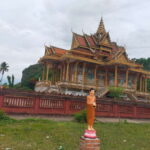
- Wat Samrong Knong: a 300-year-old temple with a heavy past
- Prasat Ek Phnom: older than Angkor Wat, plus a giant Buddha nearby
- Kampong Pil Pagoda: villages, rivers, and fruit-farm atmosphere
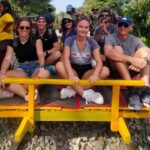
- Bamboo Train Battambang: countryside fun with one important footnote
- Phnom Sampeau and the Killing Cave: when the day turns serious
- Battambang Bat Caves: a real spectacle that lasts 30–40 minutes
- Snacks, bottled water, and the donation to a local family
- Price and value: what $20 covers, and what to budget too
- Small-group guide time: why Tha or Bun can make the day click
- Who should book this tour (and who should think twice)
- Practical tips before you go
- Should you book this Battambang tuk tuk full-day tour?
- FAQ
- What time does the Battambang full-day tour start and end?
- How many people are on the tuk tuk tour?
- What’s included in the $20 price?
- Is the Bamboo Train ticket included in the price?
- Is lunch included?
- Does the tour have any weather requirements?
- Can I cancel and get a full refund?
Key highlights to look for
- Bamboo Train ride through the countryside, with the ticket paid separately ($5)
- Wat Samrong Knong and Prasat Ek Phnom, including a 300-year-old temple and an 11th-century ruin
- Kampong Pil Pagoda area villages plus river views and fruit-farm time
- Phnom Sampeau stops with entrance fees included, tied to the Killing Cave
- Bat Cave evening show that runs about 30–40 minutes, with included admission
- Snacks and bottled water throughout, plus a donation to a local family
Battambang feels local, not touristy
Battambang is the kind of place where your day can feel different just because you’re not rushing from one mega-sight to another. This tour leans into that. You’ll cover a lot of ground—French colonial buildings, market life, older temples, and the big natural spectacle of the bats—without doing it from a crowded bus.
What you get for your time is a full “Battambang picture”: everyday scenes early on, calmer countryside in the middle, then the mountain caves and bat flight toward the end. And because it’s a tuk tuk format with a small group (maximum 8), it’s easier to ask questions, pause for photos, and move at a pace that feels human.
Just note the emotional tone. Some sites on the route relate to the Khmer Rouge period. You’ll still be guided through them, but it’s not a light-and-fun history day. If you’re sensitive to heavy topics, decide ahead of time how you want to handle that part of the experience.
9AM pickup to around 6:30PM: the real pacing
This starts at 9:00am with hotel pickup, then rolls forward through nine hours of sightseeing (listed around 9 hours 45 minutes, with tours often ending around 6:30pm). The schedule is built to keep momentum without turning you into a timetable.
The morning is for city and temple time. After that, you head into countryside stops and the Bamboo Train. The late part of the day is where you’ll be around Phnom Sampeau and the Bat Cave, timing the bat flight as part of the visit.
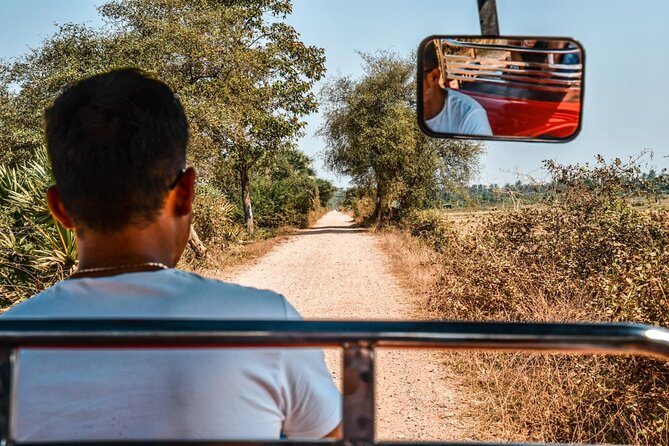
Also, it’s worth knowing the vehicle choice. A tuk tuk is slower than a private car on city roads, but it’s perfect for streets that get tight and for making short stops. In a group of up to 8, you’re usually not stuck behind a wall of strangers—so your guide can actually talk to you, not just announce stops.
French colonial buildings and the market: a strong start
Your first block is about getting your bearings fast and learning how Battambang’s past shows up in everyday life. You’ll see French colonial buildings around town, then visit the local market.
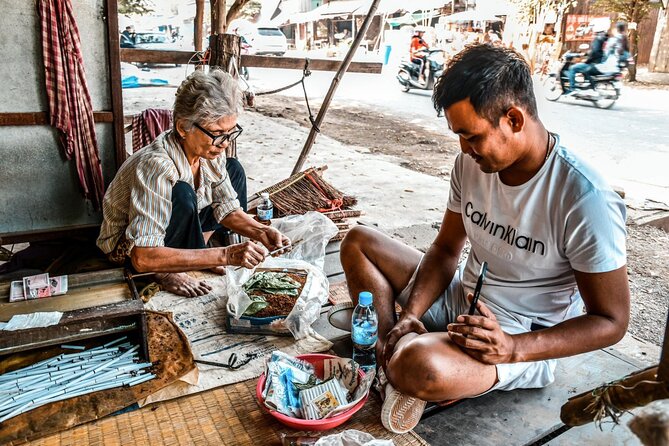
This is one of the most practical parts of the day. Markets are where you understand what locals buy, cook, snack on, and trade. And because your guide is with you from the start, you’re not just walking through stalls—you’re learning what things are, what gets used, and what day-to-day life looks like beyond the obvious “photo spots.”
If you like to eat as you travel, this morning sets you up well. You’ll be offered chances to sample foods later too, but the market stop helps you connect the dots. You start recognizing ingredients and snack shapes by the time the countryside begins.
Wat Samrong Knong: a 300-year-old temple with a heavy past
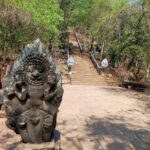
Next comes Wat Samrong Knong, an old Buddhist temple built more than 300 years ago. It also has a connection to the Pol Pot regime, where it was used as a prison.
This stop matters because it doesn’t treat history like a museum label. You see a place of faith and architecture, then you understand how the same location was repurposed under the Khmer Rouge. Your guide’s job here is huge: they’ll explain what happened and keep the context clear so you aren’t guessing.
In terms of on-the-ground experience, expect a short temple visit where you’ll have time to look around and absorb the setting, not just stand and move on. If you’re the type who likes to ask questions, this is a good stop to slow down.
Prasat Ek Phnom: older than Angkor Wat, plus a giant Buddha nearby
After Wat Samrong Knong, you’ll visit Prasat Ek Phnom, described as one of the oldest ruined temples in Battambang. It’s dated to the beginning of the 11th century, and you’ll hear the comparison that it’s older than Angkor Wat. (Your guide will frame the scale of age for you.)
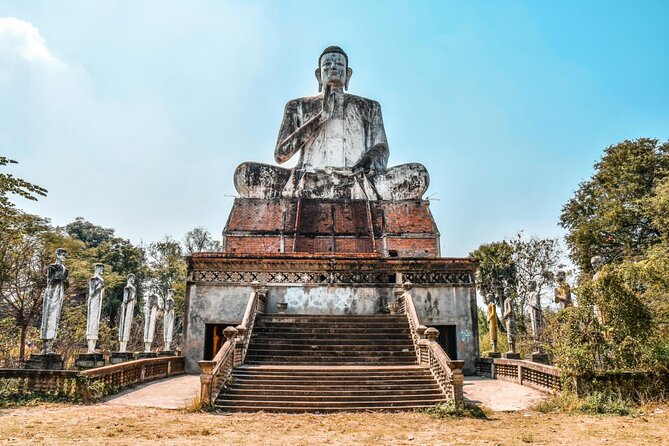
You also get something very tangible at this stop: a large Buddha statue nearby, so you’re not only staring at stones and timelines. It’s a temple complex that gives you a sense of how this region fits into Cambodia’s older spiritual landscape.
The main consideration here is comfort and pace. Ruined sites can mean uneven ground and a bit of standing. You’re on tuk tuk time, but your feet still do the work.
Kampong Pil Pagoda: villages, rivers, and fruit-farm atmosphere
Then the tour shifts toward the scenic side with Kampong Pil Pagoda. You’ll travel through small villages and countryside and spend time near the river, including a visit where fruit farms and local pagoda life show up in the same view.
This is where the day starts to feel more relaxed. You’re not just looking at monuments now—you’re watching daily rhythms. Farmers and children are part of the scene, and your guide’s explanations help you understand what you’re seeing without turning it into a performance.
In practical terms, this stop also connects to the snack side of the tour. You’ll be tasting foods along the way, and this countryside block is the bridge between “city history” and “eat-and-see the real region.”
Bamboo Train Battambang: countryside fun with one important footnote
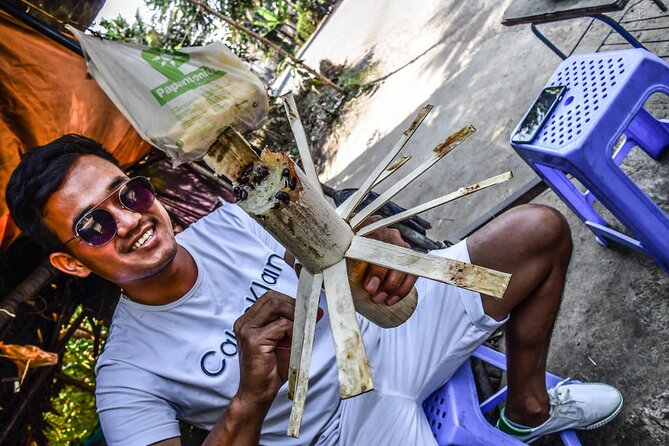
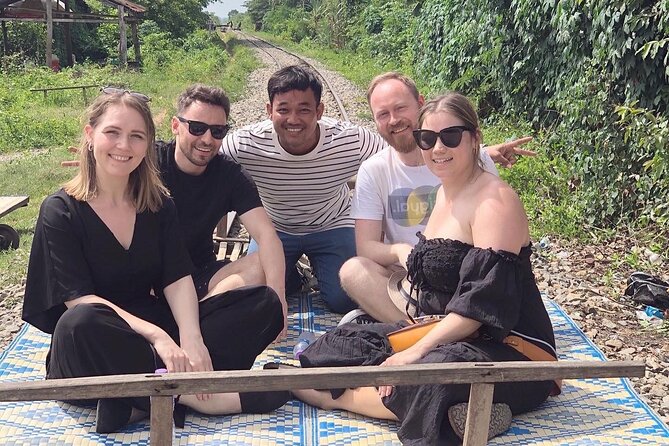
The big “wow” moment is the Bamboo Train Battambang ride. Your guide will bring you to ride the original bamboo train, and they’ll also mention that this may be one of your last chances to ride it in this form, due to government plans being discussed.
Important: the bamboo train ticket is not included. Budget $5 per person for the ride itself.
Why I like this stop for value: it’s an iconic Battambang experience, but it’s also genuinely enjoyable. The ride isn’t just a novelty photo line. It’s a moving viewpoint of the countryside that feels more personal than a drive-by from a vehicle window.
One practical tip from real experience: hold onto hats. The ride can feel faster than you expect, especially once you’re seated and moving.
Phnom Sampeau and the Killing Cave: when the day turns serious
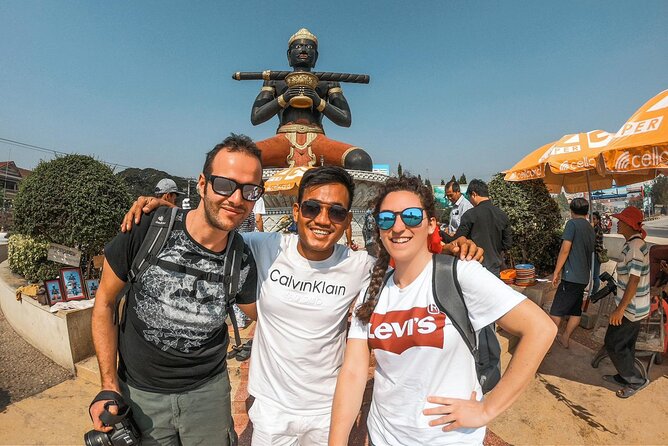
Next is Phnom Sampeau, the mountain linked with the Killing Cave and the bat cave area. This is one of the most emotionally heavy parts of the itinerary because it connects to people murdered during the Pol Pot regime.
Your guide will explain what you’re seeing and why it matters. The key is to treat it with the respect it deserves. Keep your conversations quiet during the most difficult moments, and don’t feel pressured to act okay just because you’re on a tour. This stop is built into the day for a reason: history here isn’t abstract.
What’s included for you: entrance fees for the Killing Cave area are covered in the tour price. That’s one less task on the day, and it keeps you focused on the experience itself.
Battambang Bat Caves: a real spectacle that lasts 30–40 minutes
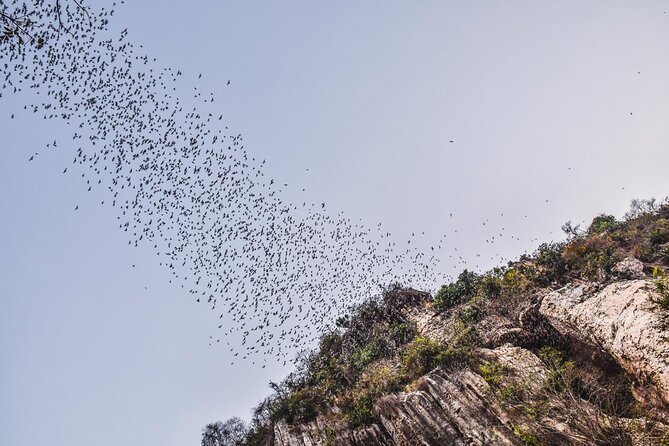
Finally, you’ll reach the Battambang Bat Caves. This is the moment most people come for: thousands of bats fly out, described as taking 30–40 minutes to complete the full rush.
The entrance is included, so you’re not hunting for tickets or paying on the spot. You just get to watch, take photos, and follow your guide’s explanation as the bat flight starts.
A few practical notes that matter here:
- Bring a light plan for the air and temperature around the cave area. Even if it’s warm earlier, the cave surroundings can feel different.
- If you’re photographing, expect that you’ll be shooting into chaotic movement. That’s part of the fun. Don’t try to “perfect” it—just capture the moment.
- Stay until the flight finishes. The full cycle matters, and it takes those extra minutes for the view to reach full intensity.
This is also a reminder of why Battambang is special as a destination. You get wildlife spectacle, not just buildings and ruins.
Snacks, bottled water, and the donation to a local family
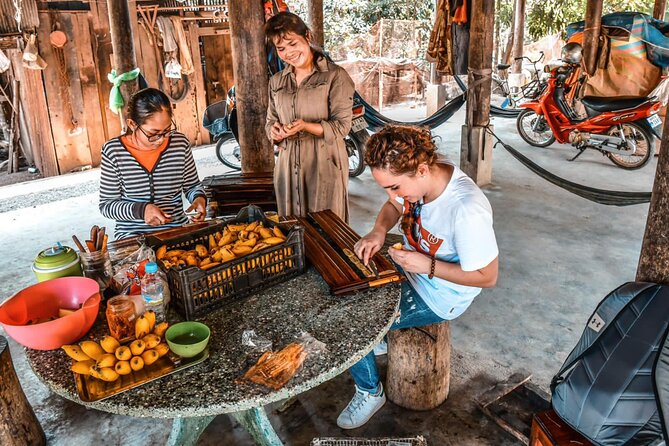
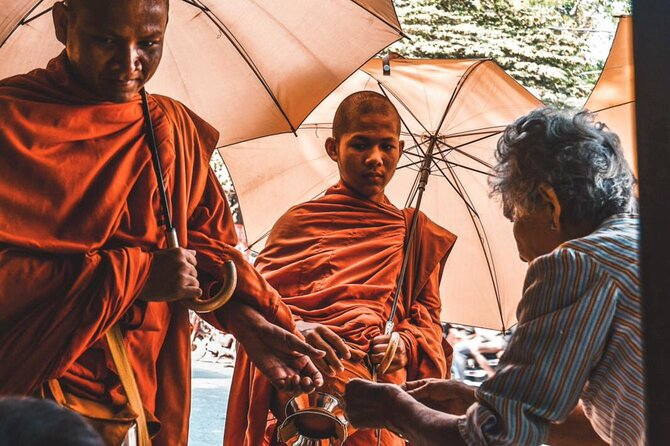
This tour isn’t just sightseeing. You’re also fed. Bottled water is included, and you’ll get snacks along the way as samples, plus a donation to a local family.
From what you’ll likely try, expect Cambodian-style snacks like bamboo sticky rice and spring rolls, and sweet bites like dried mango and banana chips. You might see other simple snack foods too, but those items give you a good sense of the flavor direction: grab-and-go, locally made, and easy to eat between stops.
Why I think this inclusion is a real value point: you avoid the “I paid for a tour but now I’m hungry and scrambling” problem. It keeps you comfortable during long stretches, especially on a day that runs from morning to early evening.
Price and value: what $20 covers, and what to budget too
The headline price is $20 per person for a full-day tuk tuk tour with hotel pickup and a maximum of 8 travelers. You also get snacks, bottled water, and entrance fees for Killing Cave and Bat Cave.
What’s not included is clear:
- Bamboo Train ticket: $5 per person
- Lunch: not included
- Any extra expenses beyond the stated inclusions
So if you want a simple estimate, think of it as roughly $25 for the tour + bamboo train, then add lunch (your choice) and any small extras. For what you’re getting—multiple major stops, entry fees, and a full guide day—that’s solid value, especially compared with tours that sell you a handful of sights but make you pay again and again for access.
Small-group guide time: why Tha or Bun can make the day click
The standout in the experience is the human factor. Guides like Tha and Bun are repeatedly connected with the feeling that the day is informative, paced well, and not just rushed from point to point.
Even when you’re moving quickly, they seem to create breathing room at stops. You’ll have time to ask questions, especially around temples and the local market. And they’ll translate daily life into something you can actually picture, like how people produce and sell food, what kinds of local snacks matter, and what certain places meant historically.
If you care about getting context rather than just photos, this is the kind of tour where the guide’s framing is part of the value.
Who should book this tour (and who should think twice)
You’ll probably love this tour if:
- You want a full Battambang day without renting your own transport
- You enjoy a mix of history + countryside + wildlife
- You’re open to emotional history related to the Khmer Rouge, with guidance to keep it clear
You might want to think twice if:
- You’re not comfortable with sites connected to mass violence and prisons
- You want lunch fully handled for you (it isn’t included)
- You’re picky about last-minute extras (the Bamboo Train ticket is a separate cost)
This also fits well for couples and solo travelers who want small-group energy, not a big bus vibe.
Practical tips before you go
A few things make a difference on a day like this:
- Bring cash for the $5 Bamboo Train ticket and for lunch.
- Wear shoes you’re happy to walk in on temple grounds and uneven surfaces.
- A hat helps for the Bamboo Train ride—hold it on.
- Expect a weather-sensitive day. The experience requires good weather, and if conditions are poor, plans can change.
Also, keep your phone charged. When the bats start flying, you’ll want to capture something close to the moment, not after.
Should you book this Battambang tuk tuk full-day tour?
If you want one day that gives you the real Battambang mix—colonial streets, old temples, countryside bamboo-rail fun, plus the Bat Cave spectacle—this tour is a strong choice. The price works because key entrances and a lot of food support the day, and the small group size keeps it personal.
The main reasons not to book would be if you can’t handle the Khmer Rouge-linked sites emotionally, or if you hate the idea of paying extra for the Bamboo Train ticket and covering your own lunch. If those are fine with you, book it and let the day do its job: make Battambang feel like a place, not just a stop.
FAQ
What time does the Battambang full-day tour start and end?
The tour starts at 9:00am and runs for about 9 hours 45 minutes, typically finishing around 6:30pm.
How many people are on the tuk tuk tour?
The tour has a maximum group size of 8 travelers.
What’s included in the $20 price?
Included are bottled water, snacks, entrance fees for the Killing Cave and Bat Cave, and a donation to a local family. A mobile ticket is also provided.
Is the Bamboo Train ticket included in the price?
No. The Bamboo Train ticket costs $5 per person and is not included.
Is lunch included?
No. Lunch is not included.
Does the tour have any weather requirements?
Yes. The experience requires good weather. If it’s canceled due to poor weather, you’ll be offered a different date or a full refund.
Can I cancel and get a full refund?
Yes. You can cancel up to 24 hours in advance for a full refund. If you cancel less than 24 hours before the start time, the amount paid is not refunded.