REVIEW · BATTAMBANG
A Day TukTuk Handicrafts Bambootrain Killing&BatCaves,Sunset
Book on GetYourGuide →Operated by Battambag full day city and countryside Tuk Tuk tour · Bookable on GetYourGuide
Handmade rice and million bats in Battambang. I love the rice-food workshops where you can actually see how local staples get made, and the Bat Cave payoff at sunset is pure wow without feeling like a gimmick. You’ll also roll through city highlights and countryside stops without having to plan a thing yourself.
The main drawback is simple: it’s a long, hot day, and the Killing Caves portion deals with brutal history. If you’re sensitive to heavy topics, go in with a steady mindset and give yourself a little extra patience if you can’t catch every word.
At $24 per person, it’s strong value for what you’re handed: transport by tuk tuk, an English-speaking guide, bottled water, wet wipes, admissions, and multiple tastings. You do still need cash for lunch and the bamboo train ride add-on.
In This Review
- Key Things You’ll Remember From This Battambang Day
- A Long Day That Feels Full, Not Fluffy
- Price and Value: What $24 Actually Buys You
- Morning in Battambang: City Landmarks and Getting the Stories Right
- Rice Noodles, Bamboo Sticky Rice, Rice Paper, and Rice Wine
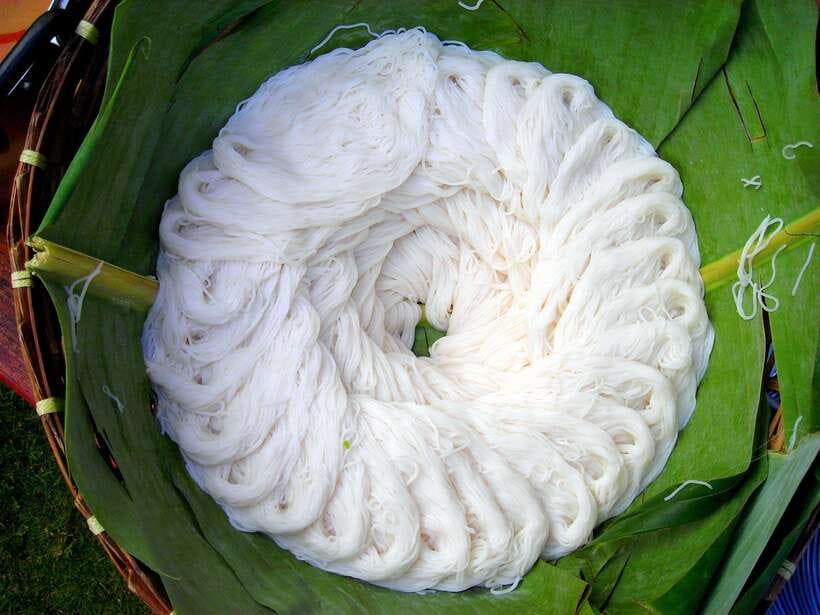
- Khmer rice noodles
- Bamboo sticky rice (dessert-style snack)
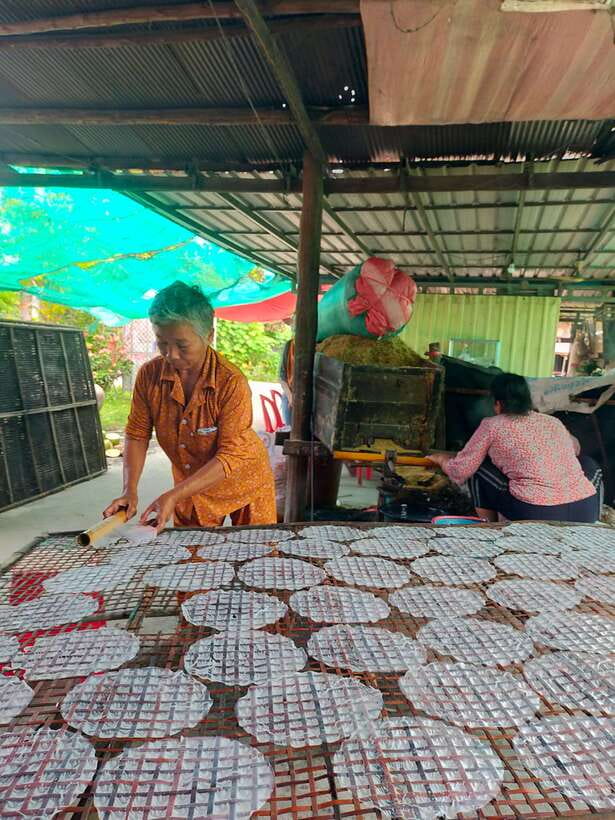
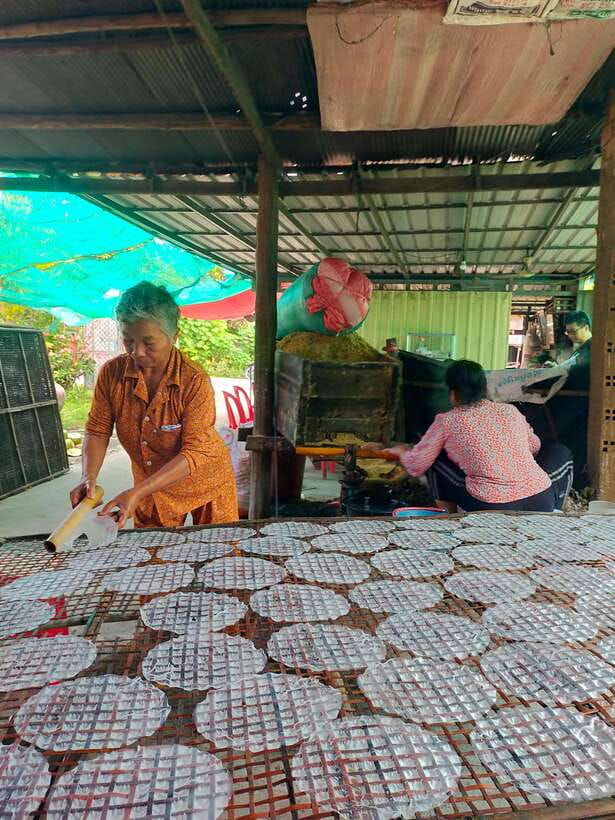
- Rice paper for spring rolls
- Rice wine (and what it’s used for)
- Wat Samrong Knong: Temple Beauty With a Brutal Backstory
- Ek Phnom Temples: Giant Buddha, 1991 Temple, and an Older Shadow
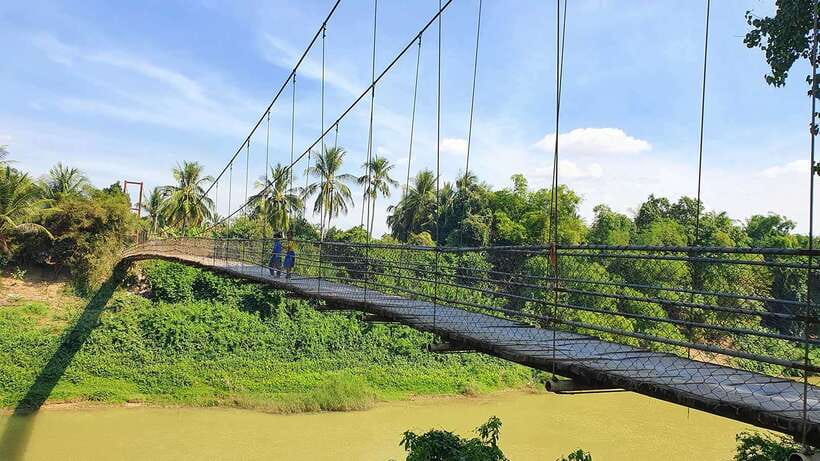
- Battambang Countryside by Bamboo Train (Plus That Suspension Bridge Walk)
- Phnom Sampou and the Killing Cave: Monkeys, Viewpoints, and the Hard Part
- Bat Cave at Sunset: When the Sky Turns Alive
- What to Bring, What to Wear, and How Tough It Really Is
- Best Fit: Who Should Book This Battambang Tour
- Should You Book This Battambang Full-Day Tuktuk Tour?
- FAQ
- What time does pickup start, and how long is the tour?
- Is lunch included in the $24 price?
- Do I pay extra for the bamboo train ride?
- Where does pickup and drop-off happen?
- What should I bring and how should I dress?
- Is it suitable for everyone?
Key Things You’ll Remember From This Battambang Day
- Hands-on rice production stops: rice noodles, bamboo sticky rice, rice paper, and rice wine
- Wat Samrong Knong’s Khmer Rouge story: the site includes details tied to about 10,008 victims
- Battambang city landmarks in the morning: including the Ta Dambong Kranhoung symbol statue
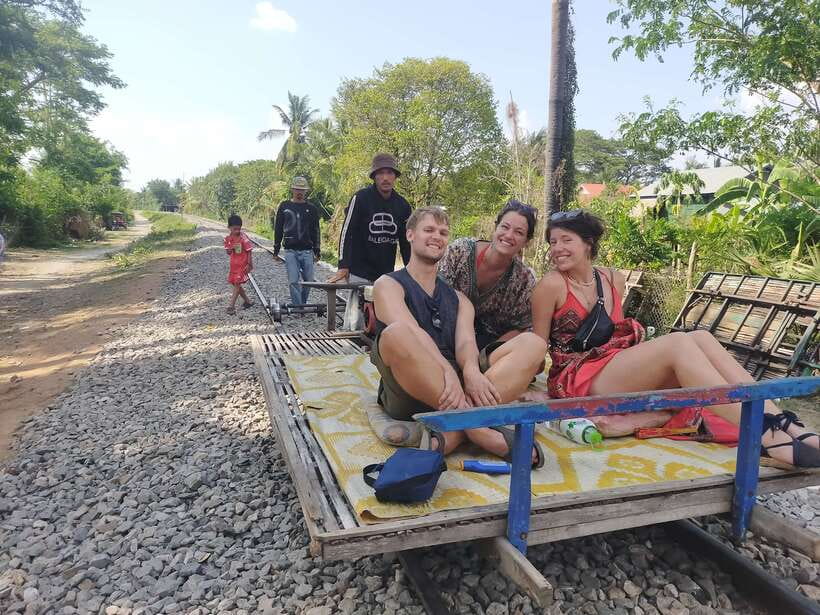
- Bamboo train countryside + suspension bridge: the Ou Srauo Laou ride is a standout
- Phnom Sampou hill climb: temples, monkeys, viewpoint(s), and sunset timing
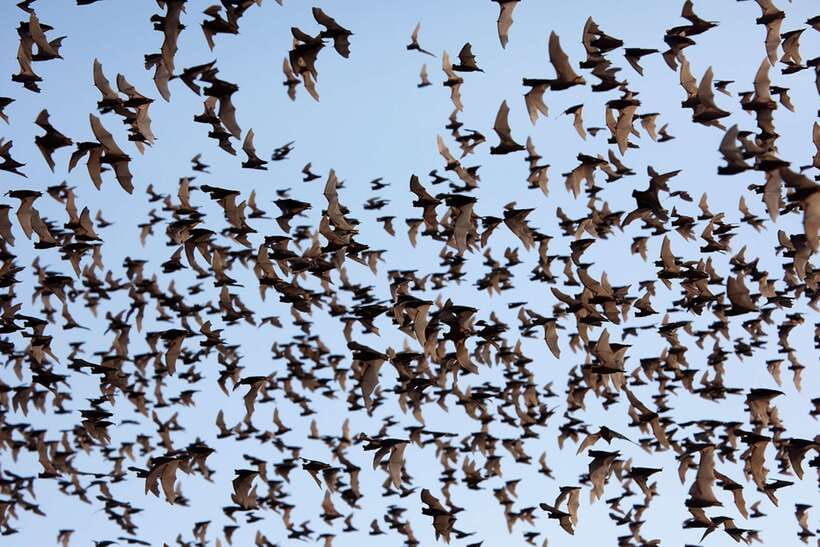
- Bat Cave spectacle at dusk: millions of wrinkle-leaf bats take off over about 50 minutes
A Long Day That Feels Full, Not Fluffy
This is a packed Battambang day: city sights in the morning, village food workshops through lunch hours, then temples and two very different nature/wildlife moments in the late afternoon—monkeys at Phnom Sampou and the bats at Bat Cave.
If your goal is to understand Battambang beyond a quick walk around the center, this tour gives you both sides of the province: how people farm, cook, and make daily-life essentials—and how the region remembers the Khmer Rouge years. It also moves with the practical pace you’d want in Cambodia heat: tuk tuk between stops, tastings and brief pauses to reset, and a sunset plan that doesn’t feel accidental.
The vibe depends on your tolerance for the heavy history part, but the rest of the day stays human and real: you’re not just watching. You’re tasting, learning, and seeing the countryside at normal life speed.
Price and Value: What $24 Actually Buys You
At $24 per person, the deal works because a lot is included up front. You get:
- Tuk tuk transport all day plus a pickup truck/motorbike support where needed
- English live guide
- Admissions to Ek Phnom, Phnom Sampov, the Killing Cave, and the Bat Cave
- Bottled water, wet wipes, and snack tastings (plus fruit salad)
- Hotel/restaurant pickup and drop-off within about 5 km of Battambang town
What’s not included is where you should plan ahead:
- Lunch is not included
- The bamboo train ride is $5 per person
- Rat barbecue tasting (K F R) is listed as optional
So the math is pretty clear. If you’re already thinking about paying for temple tickets, transport, and a countryside day with tastings, this cost feels fair. If you’re the type who hates add-ons or wants a slower schedule, you might feel it’s too much. But for most first-timers, it lands in the sweet spot.
Morning in Battambang: City Landmarks and Getting the Stories Right
Pickup starts at 7:20 AM from your accommodation or a restaurant (you should be ready about 10 minutes early). Right away, the guide sets context—history, culture, religion, agriculture, and local folk tales—so the day doesn’t feel like a list of stops.
You’ll then hit Battambang highlights that are more than just photo backdrops:
- Historical buildings and the central market
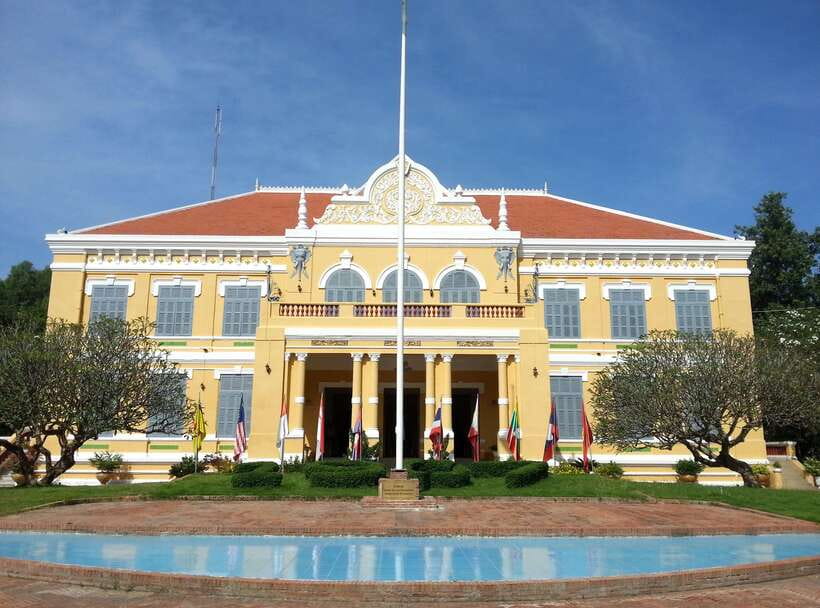
- The provincial hall
- The Ta Dambong Kranhoung symbol statue (the Battambang emblem)
This morning block matters because it frames what you’ll see later in the countryside. Battambang isn’t only temples and ruins. It’s also food systems—rice is the heartbeat—and the guide’s explanations help everything connect.
Rice Noodles, Bamboo Sticky Rice, Rice Paper, and Rice Wine
This is one of the strongest reasons to book. Instead of only passing by food-makers, you visit the places where staples are produced, then you sample what’s being made.
Khmer rice noodles
You’ll see locals making Khmer rice noodles, a breakfast staple that also shows up for lunch and dinner. You’ll even get to try the noodles, which is the best way to understand what people mean when they call it everyday food.
Bamboo sticky rice (dessert-style snack)
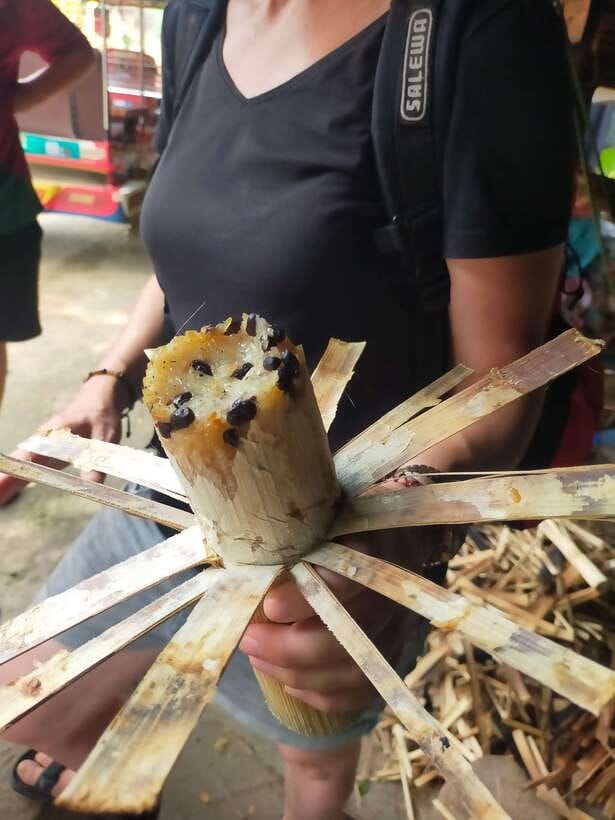
Next comes bamboo sticky rice, cooked in a way that turns it into a sweet snack rather than just a plain side. It’s one of those foods where the process explains the taste—how it’s prepared is part of the flavor story.
Rice paper for spring rolls
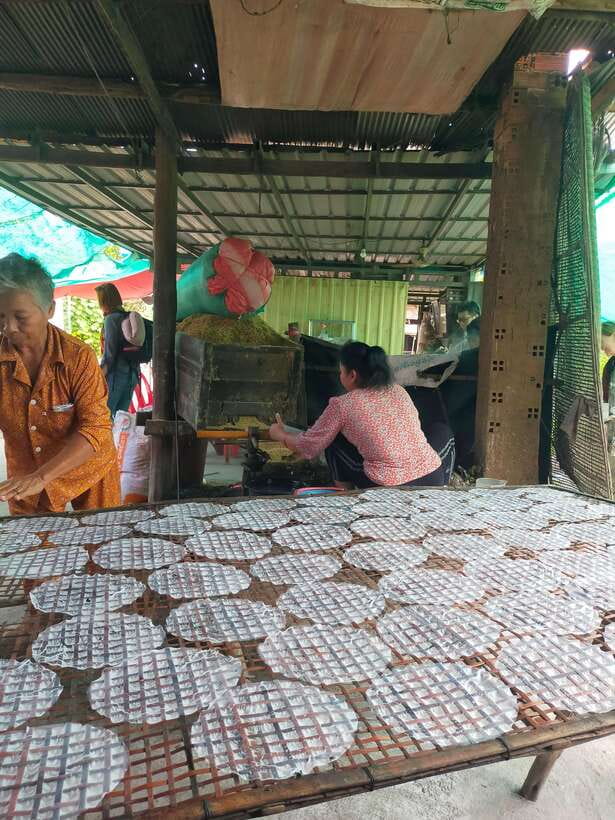
Then you’ll watch rice paper production, used for famous spring rolls. One detail you’ll hear is that villagers can make at least 1,500 pieces per day. Even if you don’t count every step, that number helps you understand this is real work, not a staged demonstration.
Rice wine (and what it’s used for)
Finally, you’ll visit a rice wine production plant that’s been operating since the 1980s, then sample it. You’ll also learn how rice wine was used in medication and for soaking plants, fruits—and even some poisonous animals like cobras and tarantulas (as part of traditional practices).
A practical note: rice wine can be strong. If you don’t want to test your limits before a long afternoon, pace it. One sip can be enough to understand what it tastes like without turning the rest of the day into a blur.
Wat Samrong Knong: Temple Beauty With a Brutal Backstory
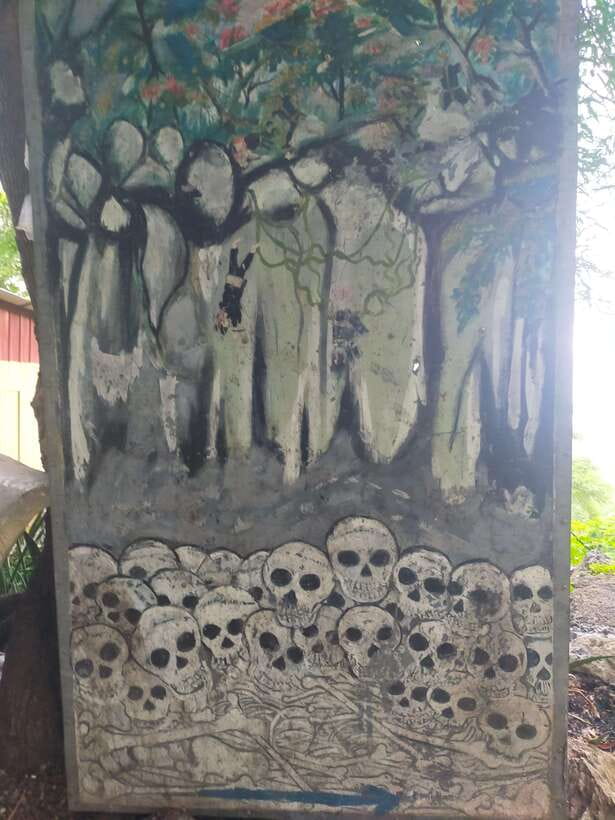
At Wat Samrong Knong, you’re visiting the oldest Buddhist temple in this area, built in 1707, with a brick stupa dating to 1887. You’ll also hear how the pagoda was used to house Khmer Rouge soldiers and functioned as a detention area for victims.
This stop includes a sensitive component: the torture house and killing field, linked to approximately 10,008 victims. It’s not meant to be a fun break. It’s a remembering stop, and the guide will give you context to keep it from becoming just another landmark.
If you’re prone to getting emotional, plan a mental pause afterward. The rest of the day moves back toward food, temples, and scenery—but the contrast is real.
Ek Phnom Temples: Giant Buddha, 1991 Temple, and an Older Shadow
Next up is Ek Phnom, where you’ll see:
- A 25 m-high giant Buddha, flanked by standing Buddha statues
- A beautiful Buddhist temple built in 1991
- Wall details showing Buddha’s story
- Ruins of an Angkorian Hindu temple from the 11th century under King Suryavarman I
This is a great stop for two reasons. First, the scale is impressive—easy to photograph. Second, it shows Cambodia’s layers: Buddhism and older Hindu roots side by side, with each era leaving marks.
Battambang Countryside by Bamboo Train (Plus That Suspension Bridge Walk)
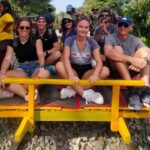
After returning to the city, you move into the countryside section and one of Battambang’s signature experiences: the Bamboo Train Ou Srauo Laou.
You’ll ride through:
- Villages and fruit plantations
- Rice fields
- A suspension bridge
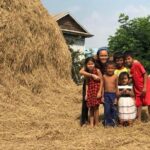
- Time to talk with farmers at stops along the way
Before you board, you buy the ticket (the ride costs $5 per person, not included). One nice bonus described for this ride is a free massage.
Late lunch is another practical point. Lunch isn’t included in the tour price, but you’ll be taken to a local restaurant in the village area for a meal that fits the day. If you’re vegetarian, you should mention it when you start your tour—some guides can accommodate dietary preferences during tastings and meals, but don’t assume everywhere is flexible.
This section has two moods: first, casual countryside watching; second, the fun and novelty of riding an original-style bamboo train. Even if you think you’ve seen enough transport options in Asia, this one tends to land as memorable.
Phnom Sampou and the Killing Cave: Monkeys, Viewpoints, and the Hard Part
You’ll head toward Phnom Sampou, also known for the Killing Cave. Before going in, you may get the chance to try K F R (Rat barbecue). It’s listed as optional in the tour structure, but it’s part of why the day feels local—this is street food history, not a fancy menu.
Then comes the serious moment: the caves connect to the Khmer Rouge period (1975–1979), where over 10,000 victims were killed. Again, this is not entertainment. The guide’s role here is to give you structure and context so you leave informed rather than just shocked.
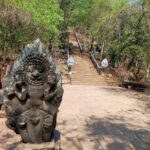
After the cave segment, you climb up the mountain for what many people consider a highlight:
- Temples along the way
- Monkeys
- Viewpoints from the summit area
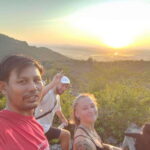
- Sunset views over the region
This is where the tour’s emotional contrast is at its strongest: brutal history below, then a panoramic feel above. If that combination hits you hard, that’s normal. Just take breaks when you need them.
Bat Cave at Sunset: When the Sky Turns Alive
The final act is the Bat Cave. After the sunset and viewpoints on the hill, you return to wait for the bats. When dusk hits, millions of wrinkle-leaf bats fly out, with the departure taking over about 50 minutes.
It’s dramatic in the best way: you don’t have to understand bat species to feel the scale. Also, sunset timing can affect visibility. If you arrive with the expectation that it might be slightly dark, you’ll enjoy it more. Bring your camera, but keep your eyes up too—screen time can steal the magic.
Then you’re back to the hotel, or you can end in town at Pomme Bar if you want an easy final drink.
What to Bring, What to Wear, and How Tough It Really Is
This is not a gentle stroll day. It’s a long one with hills and plenty of stepping between stops. The tour data is clear about what helps:
- Comfortable shoes
- Camera
- Rain gear (worth packing in Cambodia)
- Cash (for lunch and the bamboo train ride)
- Sunscreen
Dress code is also specific: no sleeveless shirts. That matters if you’re coming straight from a hot swim or wearing a tank top.
Comfort-wise, you’ll be in tuk tuk transport much of the time, but you’ll still deal with:
- Heat exposure during morning and midday
- Hill climbing around Phnom Sampou
- Waiting for bats at dusk
Not suitable for:
- Pregnant women
- People with mobility impairments
- People over 70
If you’re in any of those categories, I’d skip this particular tour and choose a shorter city-based option instead.
Best Fit: Who Should Book This Battambang Tour
This one is ideal if you want:
- A full Battambang day with city + countryside
- Hands-on food production experiences around rice noodles, rice paper, bamboo sticky rice, and rice wine
- The iconic bamboo train and the Bat Cave timing at sunset
- A guided explanation of Khmer Rouge history at Wat Samrong Knong and Killing Cave
It’s less ideal if you:
- Hate emotional subject matter
- Want a short, low-effort outing
- Don’t want any extra spend beyond the $24 price (lunch and the bamboo train ride are extra)
Should You Book This Battambang Full-Day Tuktuk Tour?
Book it if you’re trying to make the most of limited time in Battambang and you like experiences that combine food, countryside, and big sights. The value is strong because so much is included, and the day gives you more than one kind of wow—tastings in the morning and bats at night.
Skip it if you want a relaxed pace, or if the Killing Cave and Khmer Rouge remembrance stops would be too difficult right now.
If you book, do two things: bring cash for lunch and the bamboo train, and wear shoes you trust for hill walking. Then go into it knowing it’s a long day with a real emotional center—and that’s exactly why it can be unforgettable.
FAQ
What time does pickup start, and how long is the tour?
Pickup is at 7:20 AM, and the total day runs about 11–12 hours.
Is lunch included in the $24 price?
No. Lunch is not included, though you’ll have lunch during the daytime at a local restaurant.
Do I pay extra for the bamboo train ride?
Yes. The bamboo train ride costs $5 per person and is listed as not included.
Where does pickup and drop-off happen?
Pickup and drop-off are only available within about 5 km of Battambang town.
What should I bring and how should I dress?
Bring comfortable shoes, a camera, rain gear, cash, and sunscreen. Sleeveless shirts are not allowed.
Is it suitable for everyone?
It’s not suitable for pregnant women, people with mobility impairments, or people over 70.