REVIEW · KANDY
Three Temples Loop In Kandy Day Tour By Tuk Tuk
Book on GetYourGuide →Operated by Ceylon IT Tours · Bookable on GetYourGuide
The day starts with temple calm and quick hill-country stops. This Kandy loop is interesting because it packs three major temple sites plus tea and craft into a single run, with a guide who helps you connect the carvings to the places. Two things I really like: you get an efficient morning flow with hotel pickup at 8:30am, and you’ll spend real time at standout temple architecture instead of rushing like a checklist. One possible drawback: it’s busy—you’ll be hopping between stops for about 6.5 hours, and entrance tickets and meals are on your own.
I also like how flexible this tour can be once you’re on the road. You can share special requests, and optional add-ons like the Royal Botanical Garden, Kandyan culture dancing, Gems Museum, and the Temple of the Sacred Tooth Relic can be worked around what you already saw. The careful part for you to think about is costs beyond the ticket: entrances and food aren’t included, and at least one of the added stops (the spice and Ayurveda angle) can feel pricey if you’re not in that mood.
In This Review
- Key things I’d put at the top
- The 8:30am tuk tuk start: why this one-day loop works
- Asgiriya Stupa and the early rhythm of Kandy
- Gadaladeniya Temple and Lankathilaka Temple: two temples, two ways to look
- Embekka Devalaya: the Drummers’ Hall carvings that stop time
- Wood carving family house, tea factory, and the stops that may feel commercial
- Royal Botanical Garden, Big Buddha, culture dancing, and the Tooth Relic option
- Where the time really goes: pace, walking, and what to wear
- Price and value: what $10 buys (and what it doesn’t)
- Who this tour is best for
- Should you book the Three Temples Loop in Kandy by tuk tuk?
- FAQ
- What time is hotel pickup in Kandy?
- How long is the Three Temples loop tour?
- What temples are included in the tour?
- Is the Tea Factory and Wood Carving stop included?
- Which stops are optional during the day?
- Are entrance tickets included in the price?
- What should I bring and have with me?
- What clothing rules apply at the temples?
Key things I’d put at the top
- Temple-first pacing that fits three big religious sites into one day without feeling like a sprint
- Embekka Devalaya’s wood-carving detail, including the Drummers’ Hall pillars and roof features
- Real craft + food culture stops: a wood carving family house and a Ceylon tea factory
- Viewpoints and photo breaks like Kandy City View Point and the Big Buddha statue area
- Adjustable extras such as Kandyan culture dancing, Royal Botanical Garden, Gems Museum, and Tooth Relic Temple
- Multiple guide styles (for example Terrence, Tony, Rohan, Channa, and Danushka) with strong English support and lots of question time
The 8:30am tuk tuk start: why this one-day loop works
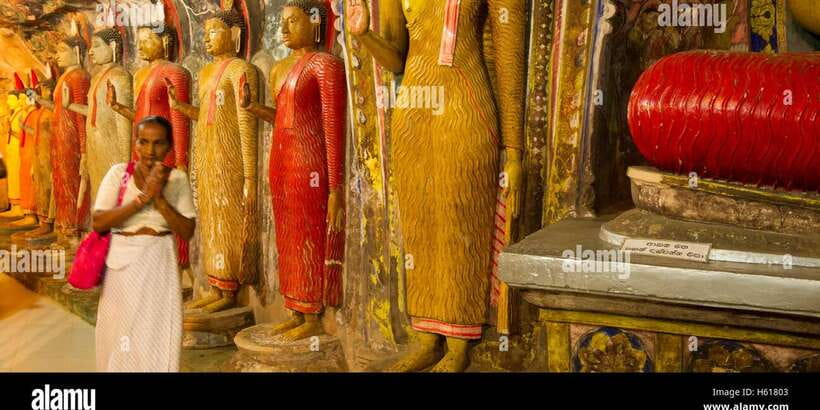
Kandy days can expand fast. One stop becomes three, and your afternoon evaporates into traffic and waiting. This tour is built to avoid that. You’re picked up at your hotel in Kandy around 8:30am, and you’ll be on the move early enough to hit temples and viewpoints with better light and fewer crowds.
The day is also structured like a circuit: you go from central Kandy into the surrounding temple area, then come back toward the city. That matters because you’re not spending the whole day stuck in “transfer time.” Instead, you get repeated moments where walking and stepping aside for photos makes sense—then you hop back in and keep going.
One practical note: the tour says to wait in the hotel lobby 10 minutes before pickup. If you’re prone to being late (no judgment), set a second alarm. You’ll also want passport or an ID card on hand, since it’s listed as what to bring.
You can also read our reviews of more tours and experiences in Kandy.


Asgiriya Stupa and the early rhythm of Kandy
You start with Asgiriya Stupa, which sets the tone: a calm, sacred opening before the day gets more varied. This is the kind of first stop where your guide can help you understand what you’re looking at—what the site is, why it’s important, and what to notice as you move from place to place.
In a route like this, that early guidance pays off later. When you get to the more detailed temple carvings, you’ll be able to connect shapes and architectural parts to the cultural meaning. And yes, you’ll still want your photos, but you’ll take them with better context rather than just pointing a camera.
The tour also includes a return loop past religious sites and ends with drop-off back at your hotel. I like routes that end where you started—Kandy is hilly, and you don’t want your last hour turned into a scramble for transportation.
Gadaladeniya Temple and Lankathilaka Temple: two temples, two ways to look
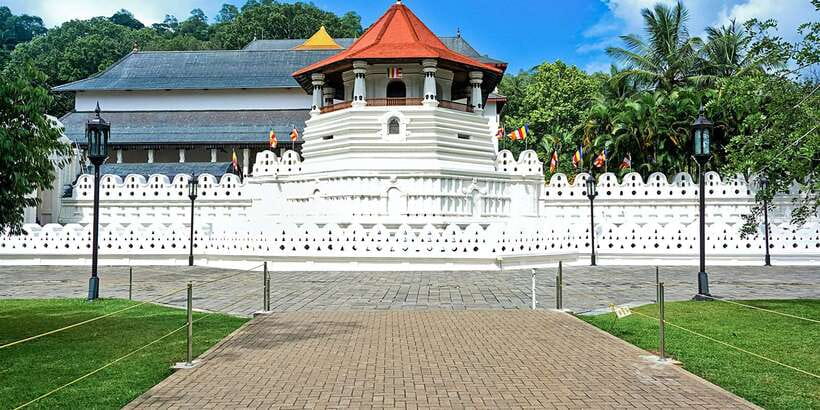
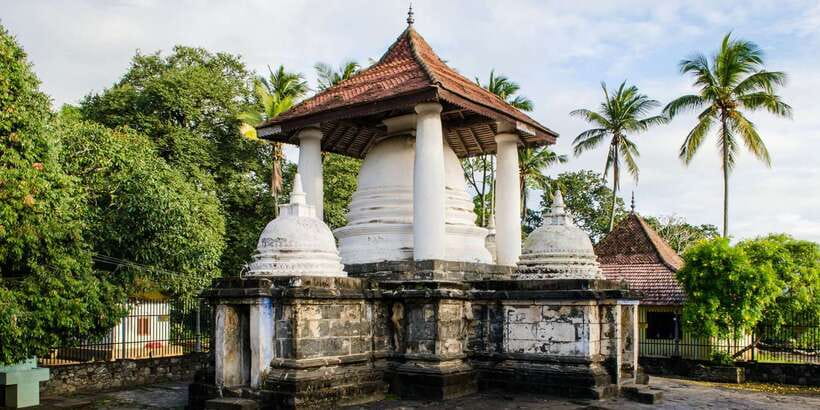
A big reason this tour works is that it doesn’t treat temples like identical photo stops. You’ll visit Gadaladeniya Temple and later Lankathilaka Temple, both listed as core stops, and both benefit from having time to walk the grounds slowly.
Here’s what I think you should aim to do at these sites:
- Pause at entry areas and notice how the buildings frame the space.
- Look up—temple architecture is meant to be read from multiple angles.
- Take your questions to the guide early, not only at the end of the day.
This is where the guide factor really shows. Multiple guides connected to this tour are described as welcoming and detail-oriented, and people specifically note time for questions and pictures. That’s not just “nice service.” It changes your experience from passive viewing into active understanding, especially at places with carvings and patterned surfaces.
If you already visited a temple like the Tooth Relic Temple before, that’s okay. This tour treats several elements as optional, so you can choose what fits your interests and what doesn’t.
Embekka Devalaya: the Drummers’ Hall carvings that stop time
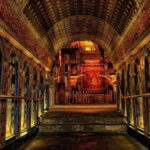
If you want one reason to pick this tour, it’s Embekka Devalaya. This is where the day turns from a travel itinerary into a hands-on lesson in craftsmanship. The shrine is described as having three sections: the Sanctum of Garagha, the Digge (Dancing Hall), and the Hevisi Mandapaya (Drummers’ Hall). And it’s the Drummers’ Hall that pulls most eyes, thanks to its ornately carved pillars and roof structure.
One of the most interesting parts is that you’ll hear how some of the woodwork is believed to have come from an abandoned Royal Audience Hall at Gampola. Even if you’re not tracking history like a textbook, that detail gives you a useful way to look at repairs and reuse through time—architecture as something that evolves, not something frozen in one moment.
Then there are the carving motifs. The description includes repeated imagery on the wooden pillars and entry porch (the Vahalkada), with examples like entwined swans, double-headed eagles, breast-feeding imagery, dancers, wrestlers, and hybrid creatures such as elephant-bull and elephant-lion figures. That variety means you’ll see different things at different times of day—so come in with patience.
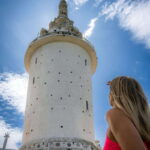
The roof details are another big draw. The rafters are described as slanting toward incoming visitors, and they’re held in place by a feature called a Madol Kurupawa, described as a kind of giant catch pin not found elsewhere. Also, the decoration count is given as hundreds of unique designs—figures like 125 series of decorations and 64 lotus designs are mentioned. That’s your cue to slow down: don’t scan. Instead, pick one pillar or roof segment and really watch.
Finally, the temple’s timeline is described as going back to the 14th century, with references to Vikramabahu III (1357–1374) and also historical reports linking construction to Bhuvanekabahu IV (1341–1351) through a chief minister named Senalankadhikara and an architect figure called Sathapati Rayar. If those dates sound overlapping, that’s normal with older heritage sites. What matters for your visit is the result: a temple space built with serious attention to design.
Practical tip: temple grounds can involve steps and uneven footing. One traveler specifically noted help going up and down rough grounds barefoot. If you feel unsure, ask your guide to help you plan your steps.
Wood carving family house, tea factory, and the stops that may feel commercial
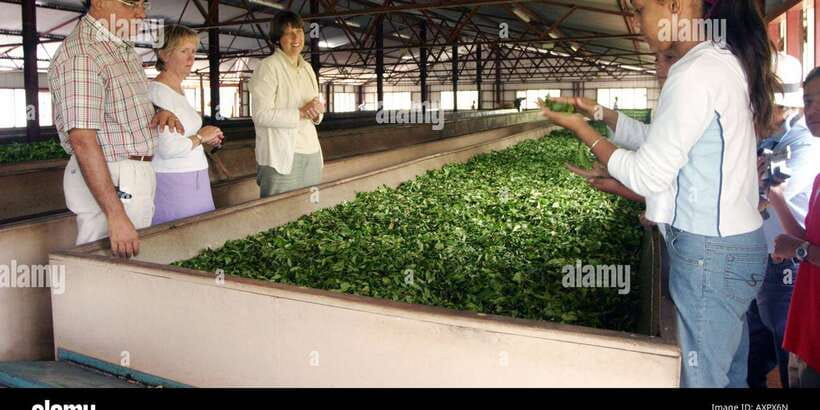
This tour includes a Wood Carving Family House and a Ceylon Tea Factory. These are great if you like seeing how everyday livelihoods connect with the country’s visual culture. The wood carving stop is especially valuable because it connects to what you’ll see at temples—patterns, craftsmanship, and the pride of making things by hand.
Tea is a different kind of connection. At a tea factory stop, you’re usually learning how tea is processed and why Ceylon tea has a particular identity. Even if you’re not buying anything, the real value is in understanding where your cup comes from. Tea factories can run like a quick show, but they also offer a change of pace from stone and carvings.
Now, one caution I’d give you: the itinerary can include a Sri Lankan Spice & Herb / Ayurveda center, and an added Ayurvedic village may be possible. One traveler’s advice was blunt—skip herbal and spices gardens if they feel expensive to you. That’s solid guidance.
My approach for you:
- If you’re genuinely curious about Ayurveda and want to browse, go with it.
- If you’re mainly after temples and scenery, treat it as optional in your head and be ready to politely move on or limit what you purchase.
If you care most about the religious sites, keep your budget mindset on point.

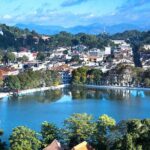
Royal Botanical Garden, Big Buddha, culture dancing, and the Tooth Relic option
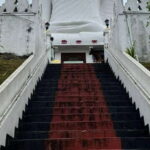
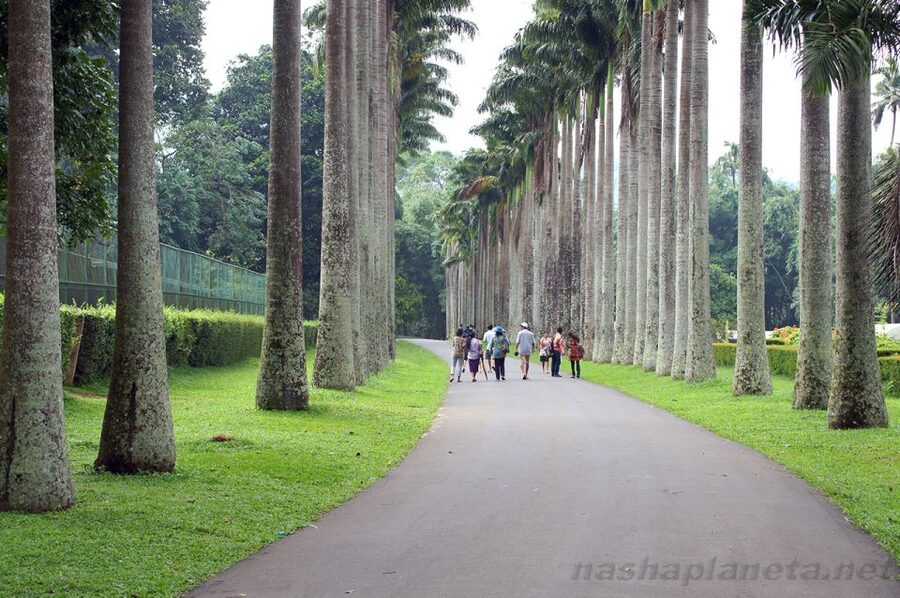
After the temple and craft/tea stops, the day turns scenic and city-cultural. The tour may include Royal Botanical Garden (optional), and it also lists a Big Buddha statue area and Kandy View Point.
This part of the day is where you’ll likely get your best photos, especially if the route is timed well and the sky behaves. Kandy View Point is specifically included, and the Big Buddha statue stop is listed too (about 5 km from one point in the loop). These breaks matter because they refresh your legs before your final cluster of cultural stops.
You also have an optional Kandyan culture dancing performance. If you skip it, you’re not losing the main value of the tour, but if you’re interested in how living culture expresses itself, it’s a meaningful add-on. Think of it as context: temples are one side of tradition, and performance is another.
Finally, there’s The Temple of the Sacred Tooth Relic listed as optional. If you’ve already visited it earlier, you can skip it without breaking the logic of the day.
Also note a useful behavior pattern from real-day logistics: when someone is already tight on time or has seen one temple, the guide can help adjust what to see and what to skip. That flexibility helps you avoid regret, especially on a day that already runs long.
Where the time really goes: pace, walking, and what to wear
This is a 6.5-hour day tour, which means you’re moving for much of it. It’s not slow tourism. You’ll likely do a combination of short walks, stair steps, and standing around for viewpoints. That’s exactly why temple timing and good footwear matter.
Bring what the tour requests: passport or ID card.
Dress rules are clearly stated: at Buddhist and Hindu temples you’re expected to remove shoes, remove hats, and cover shoulders and knees. Plan around that. If you don’t like the feeling of barefoot temple steps, talk to your guide early and be cautious where the ground is uneven.
For food: foods and drinks aren’t included, so you’ll need to handle lunch on your own. One traveler specifically asked for lunch at a typical restaurant, and the guide helped with that. So if you want local food rather than a random convenience stop, tell your guide. It’s your day, and it’s better to steer it.
Price and value: what $10 buys (and what it doesn’t)
The listed price is $10 per person, which is low for a private or small-group style day with hotel pickup and a packed route. Here’s why that can feel like good value: you’re not paying just for transport. You’re also getting visits to multiple major sites—Lankathilaka Temple, Gadaladeniya Temple, Embekka Devalaya, plus Ceylon Tea Factory, a Wood Carving Family House, Asgiriya Stupa, viewpoints, and optional cultural and museum additions.
What it doesn’t cover:
- Entrance tickets
- Food and drinks
So the true cost depends on your preferences. If you plan to buy tickets at every optional stop, your day budget will rise. If you skip some add-ons, you can keep spending under control and still get the main temple experience.
For me, the best value angle is Embekka Devalaya. If you care about wood carving, roof structure, and the Drummers’ Hall, you’re getting a rare kind of detail. Pair that with the tea and craft stops and you get more than just stone sightseeing.
Who this tour is best for
This works best if you:
- Want a single-day plan that covers more than the city center
- Like temples with real architectural detail, especially carving and design
- Prefer a guide who helps you understand what you’re seeing and gives room for questions and photos
It’s also a good fit if you’re traveling solo or as a couple and want control over which optionals you keep. It’s offered as private or small groups, and pickup is designed for hotels in Kandy.
If you hate moving around, need long breaks, or prefer slow museum pacing, this may feel like too much motion for your style. The temple part is great, but the day is still packed.
Should you book the Three Temples Loop in Kandy by tuk tuk?
I’d book it if you want a structured, low-stress way to see the Kandy area temples in one day, with a strong chance of getting help from your guide on what’s worth focusing on. The biggest “yes” reason is Embekka Devalaya, especially the Drummers’ Hall and its carving-and-roof details. The second “yes” is the balance: temples plus tea plus wood carving, with optional culture and garden time.
I wouldn’t book it only if you’re trying to minimize walking and stepping, or if you know you’ll resent paid add-ons like the spice and Ayurveda stop. In that case, build your plan around the temples and be ready to skip the rest.
If you do book, my best advice is simple: dress correctly for temple visits, ask your guide what to prioritize, and keep an open mind about skipping one optional stop to protect your energy for the core three temples. That’s how you turn a busy day into a memorable one.
FAQ
What time is hotel pickup in Kandy?
Pickup is at your hotel in Kandy at 8:30am. You should wait in the hotel lobby about 10 minutes before pickup.
How long is the Three Temples loop tour?
The duration is about 6.5 hours for a one-day experience.
What temples are included in the tour?
The tour includes Asgiriya Stupa, Gadaladeniya Temple, Lankathilaka Temple, and Embekka Devalaya.
Is the Tea Factory and Wood Carving stop included?
Yes. You’ll visit a Ceylon Tea Factory and a Wood Carving Family House.
Which stops are optional during the day?
Optional elements listed include Royal Botanical Garden, Kandyan Culture Dancing, Gems Museum, Ayurvedic Village, and The Temple of the Sacred Tooth Relic.
Are entrance tickets included in the price?
No. Entrance tickets are not included.
What should I bring and have with me?
Bring a passport or ID card.
What clothing rules apply at the temples?
You’re expected to remove shoes and hats and cover shoulders and knees at Buddhist and Hindu temples.