REVIEW · KANDY
Tuk Tuk Kandy City Tour By Local Guide
Book on GetYourGuide →Operated by Kandy By Tuk Tuk · Bookable on GetYourGuide
Kandy is better when you move slowly, and this private tuk-tuk loop does that. I love the way the route strings together big-ticket Kandy moments, from the Temple of the Tooth to tea and viewpoint time, without making you feel rushed. I also like the flexibility built into the day, so you can choose the order and starting point that fits your interests. One thing to keep in mind: entrance tickets and food are not included, so your final spend will depend on what you choose to enter and buy.
The driver being English-speaking and willing to adjust the day matters a lot here, especially if there’s festival traffic or you have specific needs. The tradeoff is simple: with a 10-hour schedule and lots of stops, you’ll want to keep your pace steady and decide in advance what you want to prioritize.
In This Review
- Key highlights you’ll actually feel during the day
- Kandy by tuk-tuk: why this style of sightseeing makes sense
- Price and what $8 covers (and what it doesn’t)
- The full 10-hour plan: the day’s flow in plain English
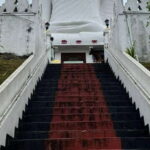
- Asgiri Stupa and Bahirawakanda Temple: start with the big spiritual landmarks
- Nelligala Temple to Gadaladeniya Temple: more temple time, different mood
- Tea factory and plantation views: Ceylon tea in a practical setting
- Royal Botanical Garden and Peradeniya time: a needed breather
- Kandy Lake and a city view point: where the city makes sense
- Mahaweli River plus gem museum and Ayurveda garden: local stops with purpose
- Wood carving and batik factories: watch skill, not just souvenirs
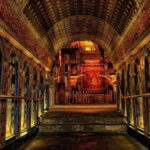
- Kandyan dance and the Temple of the Sacred Tooth Relic: the cultural center
- Guide quality: what Chinthaka’s flexibility really means for your day
- Rules and boundaries: alcohol/drugs aren’t allowed
- Who this tuk-tuk tour is best for
- Should you book this Kandy tuk-tuk day tour?
- FAQ
- Is this a private tour?
- How long is the Tuk Tuk Kandy City Tour?
- What’s included in the price?
- What is not included?
- Who will drive the tuk-tuk and what language do they speak?
- Are alcohol and drugs allowed?
- Can I change or cancel my booking?
Key highlights you’ll actually feel during the day
- Private group pace with a full-day tuk-tuk guided circuit, not a cramped bus ride
- Pick your order and starting point, so the day bends toward what you care about
- Tea, gardens, temples, and viewpoints in one continuous flow around Kandy
- Craft stops like wood carving and batik, where you can watch skills in action
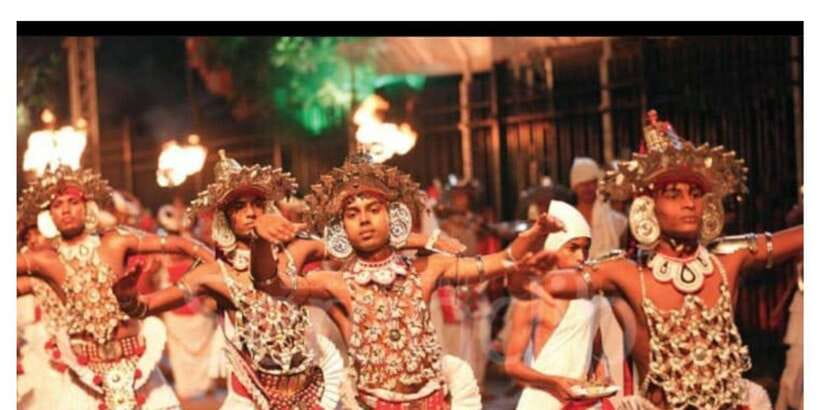
- Cultural finale with Kandyan dance time plus the Temple of the Sacred Tooth Relic
- Guide flexibility highlighted by Chinthaka, who has adjusted plans around real-world events
Kandy by tuk-tuk: why this style of sightseeing makes sense
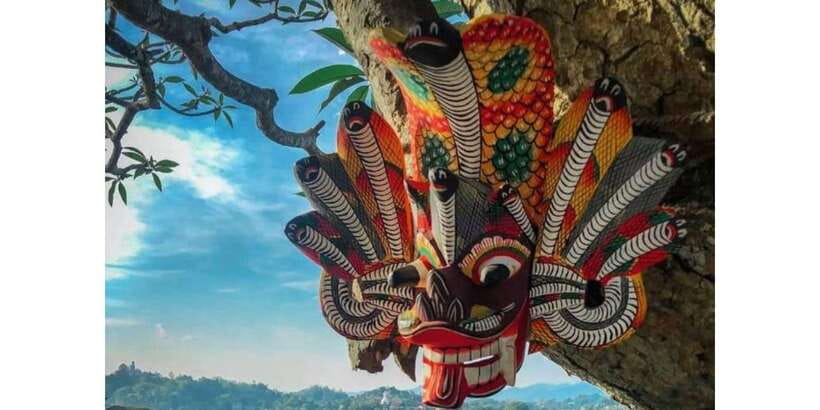
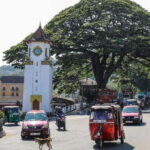
Kandy sits on a plateau surrounded by mountains, and that setting shapes the whole feel of the day. When you travel by tuk-tuk, you can treat Kandy as a set of short, connected “moments” instead of one long grind between distant stops. The route also naturally mixes hilltop religious sites, city waterfront calm, and countryside-style detours like tea and gardens.
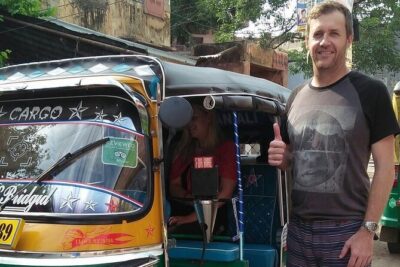
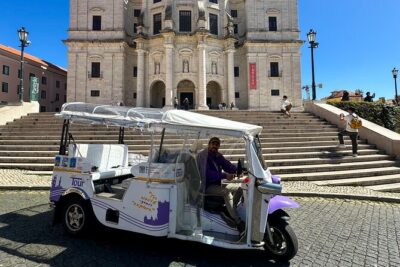
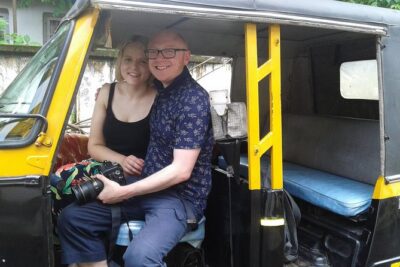
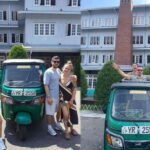
The practical win is comfort and rhythm. This is a private group experience with a well-maintained tuk-tuk, so you’re not negotiating with strangers about where to stop next. And because the tour is guided, you’re not just collecting photos. You get context for what you’re seeing, with an English-speaking driver who can explain the significance of locations along the way.
The other advantage is that your day can flex. You’re not stuck with a rigid “one size fits all” order. If you’re the type who wants views early, or you want temples first and crafts later, this format makes that possible.
You can also read our reviews of more tours and experiences in Kandy.


Price and what $8 covers (and what it doesn’t)
At $8 per person, the headline value is the transportation + guiding. You get hotel pickup and drop-off in Kandy, plus a tuk-tuk guided tour for a full day (10 hours). For a city with multiple dispersed sights, that kind of bundled logistics is usually the expensive part on your own.
What’s not included is also important. Entrance tickets and food and drinks come separately. That means your final cost can swing depending on how many paid entrances you choose (especially at major religious sites and attractions) and whether you snack as you go.
If you’re trying to keep spending predictable, plan around entrances first. If you’re more focused on atmosphere and don’t need every ticket, you can still enjoy a lot of the route, especially viewpoint areas, temple exterior time, and the guided interpretation.
The full 10-hour plan: the day’s flow in plain English
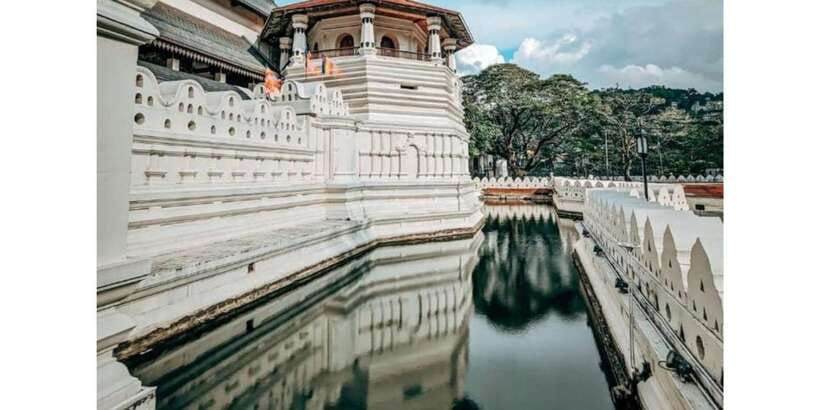
This is not one landmark. It’s a full Kandy circuit that layers nature, spirituality, and local craftsmanship. The day moves through a sequence of stops that cluster into three themes:
1) Religious and ceremonial landmarks (Asgiri Stupa, Bahirawakanda Temple, Nelligala Temple, Gadaladeniya Temple, and the Temple of the Sacred Tooth Relic).
2) Scenery and gardens/tea (tea factory and plantation area, Royal Botanical Garden / Peradeniya Botanical Garden time, plus the Mahaweli River scenery).
3) Local production and culture (gem museum, wood carving factory, batik factory, and Kandyan culture dancing).
You also get city time built in: Kandy Lake and a Kandy city view point, where the terrain and city layout suddenly make sense.
Because the order is flexible, you can shape the day. You can start with the Temple of the Tooth for an early-calm visit, or you can begin with the gardens if you want slower light and a gentler start.
Asgiri Stupa and Bahirawakanda Temple: start with the big spiritual landmarks
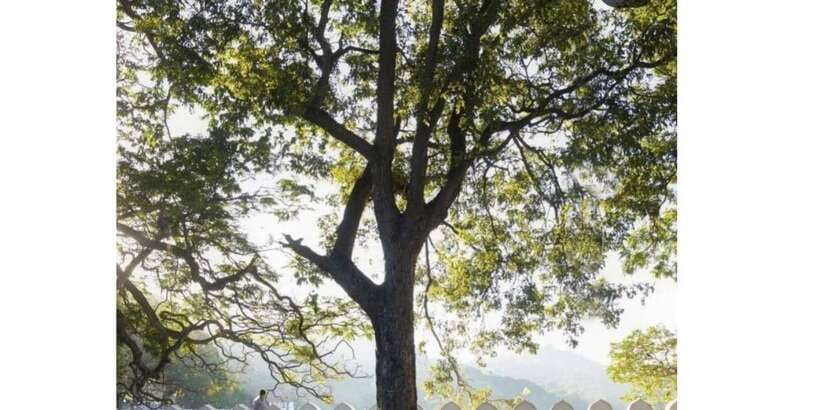
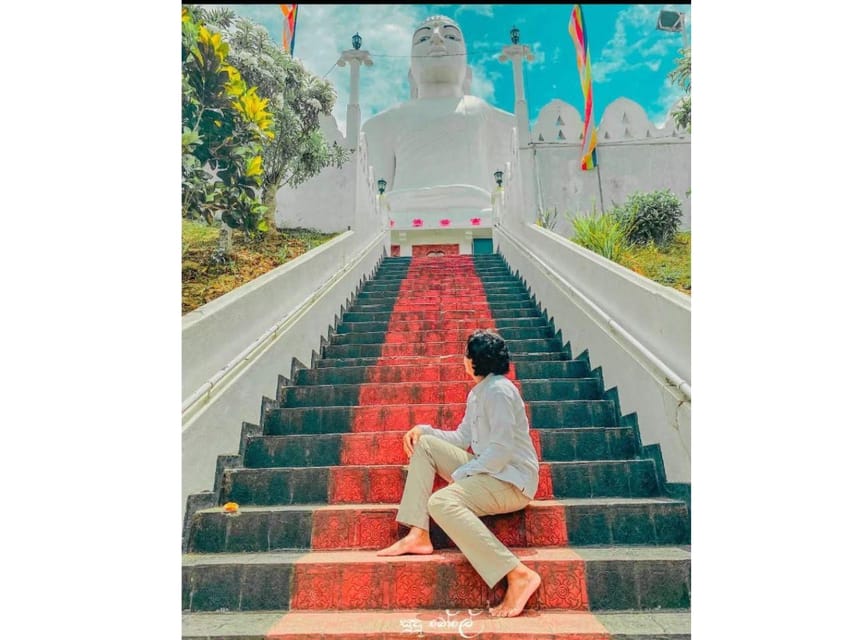
The early part of the route is designed to get you oriented fast. Asgiri Stupa and Bahirawakanda Temple are both key Kandy-area religious stops, and they help you understand why the city feels both urban and surrounded by mountains.
Expect a mix of guided storytelling and time to take it in at your own pace. These sites are also natural “photo breaks,” but I’d treat them more as pause points than photo marathons. In a 10-hour day, your best memories often come from the stops where you slow down and actually look.
Bahirawakanda is one of those places where you feel the hilltop setting. If you want your first views to be part of your first impressions of Kandy, this is a solid move to do early before fatigue sets in.
Nelligala Temple to Gadaladeniya Temple: more temple time, different mood
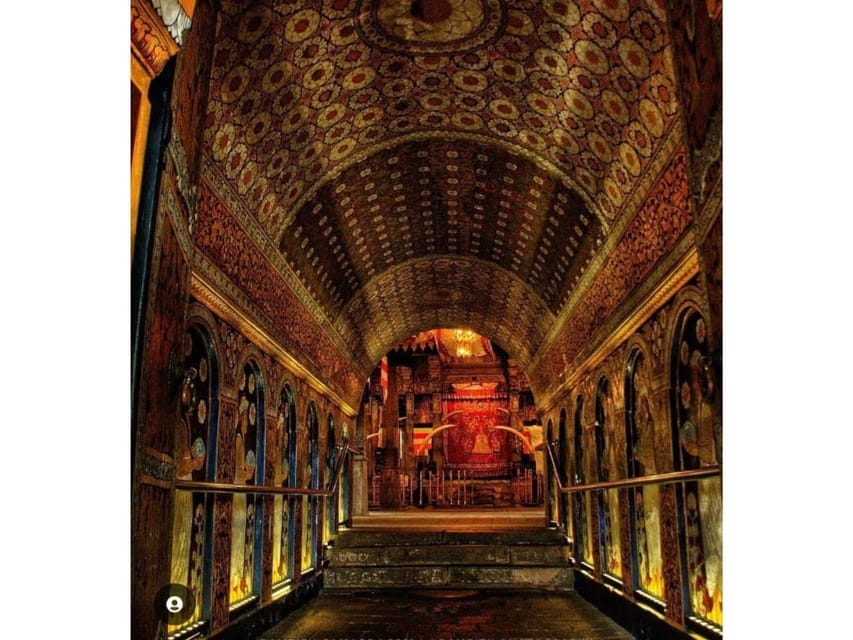
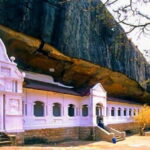
After the initial highlights, the route adds Nelligala Temple and Gadaladeniya Temple. The value here is variety. Two temple stops in one day can turn into repetition if you don’t have context, but with a guided English-speaking driver you should be able to pick up what makes each location distinct.
This is also where the tuk-tuk pace helps. You’re not stuck sitting still for too long at one spot. The ride between points keeps energy up, and you can treat temple visits as moments you rotate through, not a single long session.
If you’re the type who only wants one or two religious stops, you’ll still get enough temple time here to satisfy that interest. If you love this side of Sri Lanka, you’ll appreciate that the itinerary doesn’t just “tick a box” and move on.


Tea factory and plantation views: Ceylon tea in a practical setting
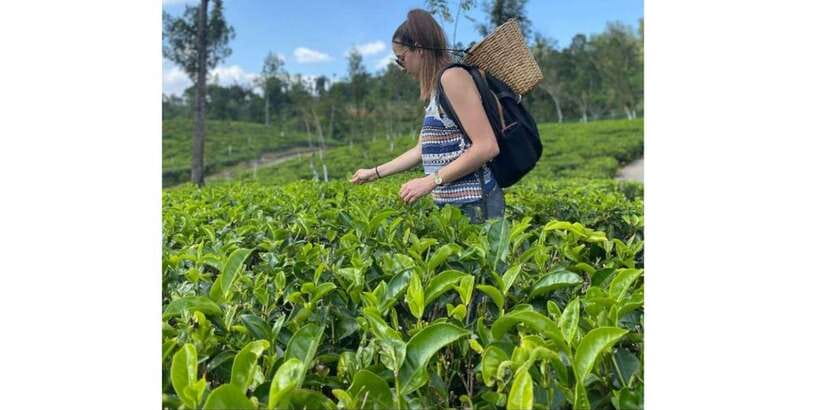
One of the best parts of the route is the Ceylon tea factory stop. It’s the kind of attraction that can feel touristy if it’s rushed, but in this kind of guided day it usually works well because it connects to the scenery around Kandy.
At this stage of the trip, you’re likely to notice the pattern: mountains, tea, and the sense that the city sits right next to productive countryside. That’s why a tea stop fits so naturally into a Kandy day tour. It’s not random. It’s part of how the region earns its identity.
A good tip for your mindset: plan to be curious, not demanding. Ask questions about how tea is processed and what the steps are. Even if your time is limited at the factory, a quick guided explanation can turn a visit into a real takeaway.
Royal Botanical Garden and Peradeniya time: a needed breather
You’ll get garden time that serves as a reset. The itinerary includes Royal Botanical Garden and Peradeniya Botanical Garden (both listed as part of the day), which is a big clue that the tour doesn’t treat gardens as filler.
For you, that means you’re getting a softer segment between temple and workshop stops. Gardens also help balance out the day’s heavier cultural items with open-air calm and space to breathe.
If you like slow walking and shade breaks, this is likely the section you’ll remember most. If you’re not into gardens, you can still use the time to regroup, take photos, and get fresh air before the city stops and evening cultural performance.
Kandy Lake and a city view point: where the city makes sense
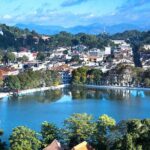
A tour like this can feel like a checklist until the Kandy Lake and Kandy city view point stops tie it together. These are your “understand the place” moments. You see the geometry of the city, where water sits in the middle of the urban sprawl, and why the plateau setting matters.
This is also where you can enjoy the day without needing tickets. Even if entrance spending is optional, viewpoints and lake-adjacent areas give you payoff through scenery and timing.
If you’re sensitive to heat or crowds, I’d prioritize getting viewpoint time earlier rather than later in the day, especially during busy periods.
Mahaweli River plus gem museum and Ayurveda garden: local stops with purpose

The route includes Mahaweli River, a gem museum, and an Ayurveda Message & Garden segment. Taken together, this is the tour’s “learn Sri Lanka” portion beyond temples and tea.
- The Mahaweli River stop adds regional scenery and a sense of how water shapes life around Kandy.
- The gem museum gives you a different lens on the country’s materials and industries, which can be interesting even if you don’t buy anything.
- The Ayurveda Message & Garden is a cultural-health angle, showing how traditional wellness concepts are presented in this region.
The key here is to keep an open mind. These types of stops vary a lot in quality from place to place, but in a guided format you should at least come away with clearer explanations of what you’re seeing.
Wood carving and batik factories: watch skill, not just souvenirs
If you want authentic-made rather than factory-made, don’t just rush the shops. The tour includes Wood Carving Factory and Batik Factory, and it also lists options connected to Wood and Batik craft time.
This is where I think the tuk-tuk format shines again. You can move from one workshop to the next without losing an entire half day to transportation.
A good way to enjoy these stops is to focus on process: how designs take shape, how patterns are laid out, and what makes one craft different from the next. Even if you don’t plan to buy, watching how the work is done often turns a quick stop into something memorable.
If you do want to shop, remember that entrances are separate and shopping can add up fast. Set a rough budget before you start looking.
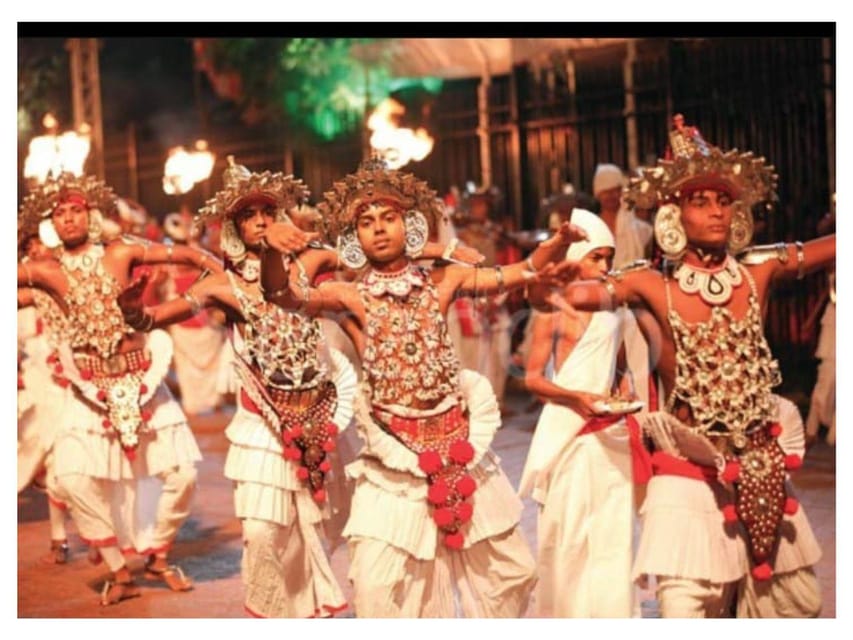
Kandyan dance and the Temple of the Sacred Tooth Relic: the cultural center
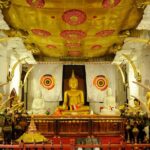
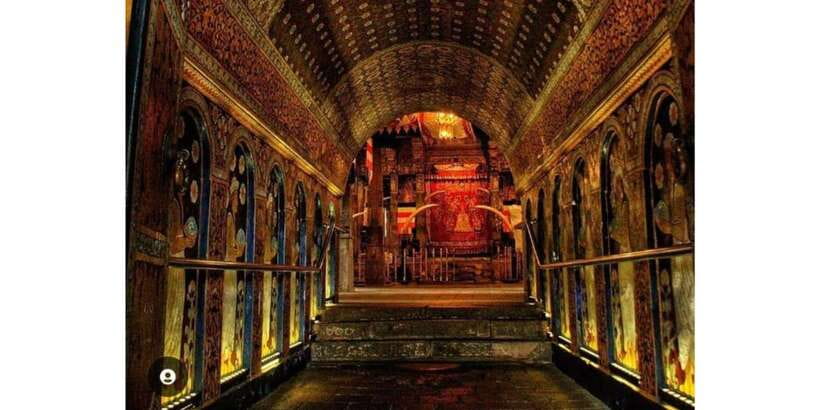
The day ends by pulling you into the heart of Kandy’s cultural gravity: Kandyan Culture Dancing and the Temple of the Sacred Tooth Relic.
This is the segment that most people are imagining when they picture Kandy. The dance portion is a performance element, while the Tooth Relic temple is the religious centerpiece and a place where the city’s identity is on full display.
A smart, practical angle: if dance tickets or entry timing is a concern, pick up help early. In one account tied to the guide Chinthaka, he helped arrange dance ticket timing so seats wouldn’t run out, and the day still felt relaxed. That kind of proactive thinking is exactly what you want from a guide during cultural events.
Guide quality: what Chinthaka’s flexibility really means for your day
The biggest difference between a good tour and a great one is usually not the stops. It’s how the guide handles real life. Chinthaka’s reputation (based on provided details) is built on flexibility, kindness, and problem-solving.
In particular, he has adjusted a full-day plan around shifting conditions like festival-related difficulty. That matters because Kandy can have busy periods, and rigid itineraries sometimes fall apart. With a guide who can manage the day, you get to see the planned highlights with less stress.
He’s also described as attentive to individual needs and taking time on the route so the day stays calm rather than hurried. That relaxed feel is not automatic; it comes from how the day is run.
There’s another practical plus: if you forget something, he’s been reported to help return it the next day at a bus station. That’s not something you should count on, but it’s a useful signal about care and follow-through.
Rules and boundaries: alcohol/drugs aren’t allowed
The tour notes that alcohol and drugs are not allowed. It’s a simple rule, but it’s worth mentioning because it affects the vibe. You can expect a more family-friendly, straightforward day focused on sightseeing and cultural experiences rather than partying.
Who this tuk-tuk tour is best for
I think this tour fits best if you’re:
- Short on time but want a broad Kandy overview
- Interested in mixing temples with tea, gardens, and local crafts
- Traveling with a private group and want control over the order of stops
- Looking for an English-speaking driver who can explain what you’re seeing
- The kind of person who enjoys guided structure without being trapped on a bus
If you want a totally unstructured day where you pick random stops on your own, you might prefer exploring independently. But if you want guidance, context, and transport solved for you, this route is built for that.
Should you book this Kandy tuk-tuk day tour?
Yes, if you want the best value parts of Kandy packed into one day without the headache of arranging transport between scattered sights. The combination of hotel pickup/drop-off, a private tuk-tuk, and a full slate of highlights (temples, tea, gardens, craft workshops, lake and viewpoint, dance, and the Tooth Relic temple) makes the $8 price feel more like a transportation and guiding deal than a barebones sightseeing ticket.
I’d think twice if you’re trying to keep the day very low-spend, since entrance tickets and food are extra and the day includes major attractions where paid entry is likely. Also, if you hate schedules, note that even with flexibility, you’re still moving through a lot of stops over 10 hours.
If you do book, choose your priorities before you start: one or two must-sees, one or two “nice-to-haves,” and a shopping cap. Then let the tuk-tuk day do what it’s good at: turning Kandy’s highlights into a smooth, guided loop you can actually manage in a single afternoon-to-evening stretch.
FAQ
Is this a private tour?
Yes. It’s listed as a private group experience.
How long is the Tuk Tuk Kandy City Tour?
The duration is 10 hours.
What’s included in the price?
Included: hotel pickup and drop-off, plus a tuk-tuk guided tour.
What is not included?
Entrance tickets and food and drinks are not included.
Who will drive the tuk-tuk and what language do they speak?
The driver is listed as English speaking.
Are alcohol and drugs allowed?
No. Alcohol and drugs are not allowed.
Can I change or cancel my booking?
You get free cancellation up to 24 hours in advance for a full refund, and you can reserve now & pay later (book now and pay nothing today).