REVIEW · NEW DELHI
Old Delhi Street Food Tour With Spice Market On Tuk Tuk
Book on Viator →Operated by ARYABHATT TOUR AND TRAVELS · Bookable on Viator
Old Delhi tastes faster than you expect. This 7-hour street-food tour pairs tuk-tuk pickup with a bicycle rickshaw ride through Old Delhi, then stacks classic plates like aloo tikki, samosa, and gulab jamun. One heads-up: the lanes can feel busy and loud, and spice level is something to flag early if you want it mild.
What makes this trip easy is that the day is mostly built for eating. You get local snacks, plus coffee and tea, and sweets included in the price—so you spend less time figuring out your next bite and more time chasing the smells that pull you forward.
I also like that the plan has enough structure to keep you from getting lost, but enough flexibility to work with real timing. In particular, I’ve seen guides such as Sunil, Shweta, and Rajender keep things comfortable and adjust on the fly when schedules change.
In This Review
- Key things to know before you go
- Old Delhi food in 7 hours, without the map stress
- Price and value: why $51 is more than just snacks
- Tuk-tuk pickup and the bicycle rickshaw ride
- Chandni Chowk start: where your nose leads the schedule
- Jalebi Wala: hot, soft, juicy spirals
- Paranthe Wali Gali: stuffed breads with real crunch
- JB Kachori Wala: crunchy kachori plus aloo subzi
- Kedarnath Premchand Halwai: saffron sweets with pistachio and almonds
- Natraj Café and the cooling duo: dahi bhalla and aloo tikki
- Kanwarji’s tradition and a sweets stop loaded with classics
- Spice market time: shopping for the smells you just ate
- Emporium stop on the way back: art and woodcarving souvenirs
- Logistics that matter: comfort, pacing, and what to ask for
- Who should book this Old Delhi street food and spice market tour
- Should you book this tour?
- FAQ
- What’s included in the tour price?
- Do I get hotel pick-up and drop-off?
- How long is the experience?
- Is there a bicycle rickshaw ride?
- Do we visit the spice market and shop there?
- What dress code should I follow?
- Is tipping included?
Key things to know before you go
- Door-to-door tuk-tuk transfers from central Delhi hotels (pick-up and drop-off included).
- Bicycle rickshaw ride in Old Delhi for speed, fun, and that close-up lane feeling.
- All-you-can-eat street food plus coffee/tea and sweets, not just a few samples.
- Big flavor stops across Chandni Chowk, with well-known stalls like Jalebi Wala and JB Kachori Wala.
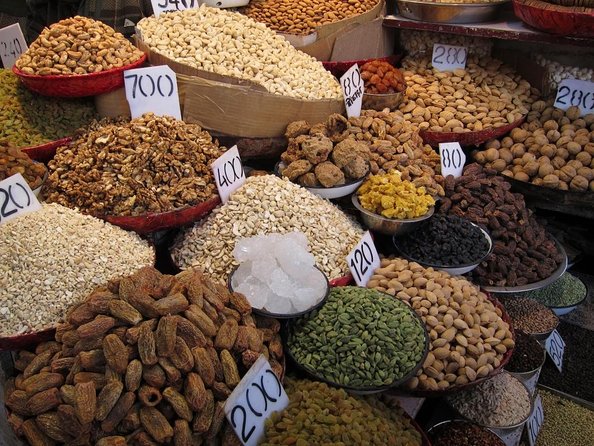
- Spice market finish so you can turn your snacks into real souvenirs.
- Time-adjusting guidance from English-speaking guides like Sunil, Shweta, and Rajender.
Old Delhi food in 7 hours, without the map stress
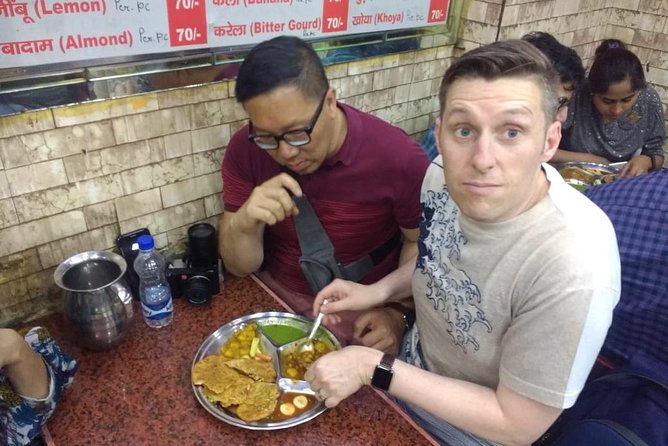
Old Delhi is one of those places where you can either wander on your own… or get swallowed by the maze. This tour does the useful part for you: it gives you a route, a guide, and the transportation so you can focus on food.
The day runs about 7 hours and starts around Chandni Chowk near the mosque area, with the exact route shaped by your guide. You’ll also pass by colleges and universities en route, depending on your pickup and the flow of the day. Then you’ll work through Old Delhi’s famous snack lanes with multiple stops, finishing with a spice market shopping moment before heading back.
Because it’s listed as private (only your group participates), it also tends to feel calmer than the big group shuffle. You still get the Old Delhi action—but you’re not fighting for a spot at each counter.
You can also read our reviews of more tours and experiences in New Delhi.

Price and value: why $51 is more than just snacks
At $51 per person, this tour looks like a bargain once you count what’s actually included. You’re not only paying for a guide. Your ticket covers:
- Pick-up and drop-off at central Delhi hotels by tuk-tuk
- Bottled water
- All-you-can-eat food plus non-alcoholic drinks
- Coffee and tea
- Snacks and sweets
- A bicycle rickshaw ride in Old Delhi
If you tried to price this out on your own, you’d spend serious cash just on transportation and individual snack stops—then add drinks and sweets on top. Here, the big advantage is that you can eat without doing mental math every ten minutes.
Also, smart detail: there’s a mobile ticket and group discounts, which can help if you’re traveling with friends or family.
Tuk-tuk pickup and the bicycle rickshaw ride
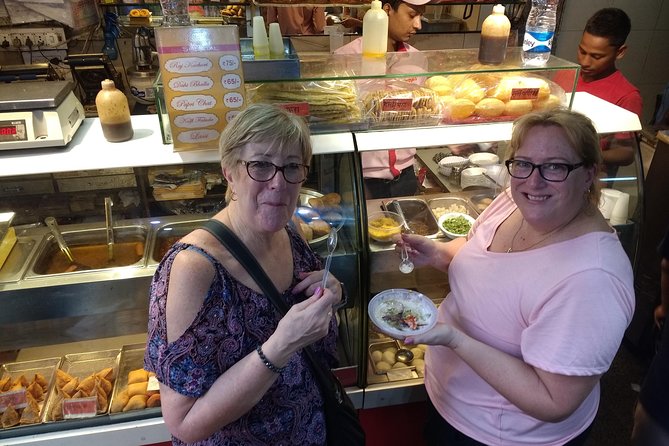
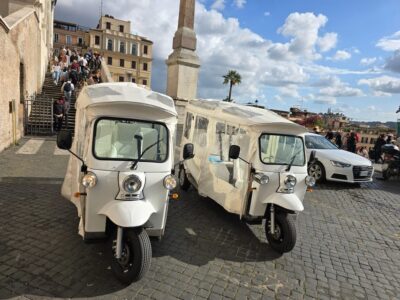
The day starts with a hotel pick-up by tuk-tuk, and you finish with drop-off back at the meeting point (your route back is handled). This matters in Delhi. The center can be chaotic, and spending time negotiating rides is the fastest way to waste your appetite.
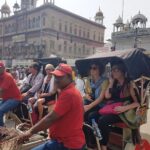
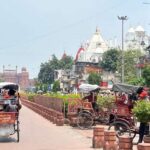
Once you’re in Old Delhi, you switch from motorized to human-powered. The bicycle rickshaw ride is part sightseeing and part strategy: it helps you move through tighter lanes without burning energy before you even start eating.
What to do: wear shoes you can walk in for hours. You’ll do most of the day on foot between stops, and Old Delhi ground can be uneven. Smart casual is the dress code, but comfort is the real requirement.
Chandni Chowk start: where your nose leads the schedule
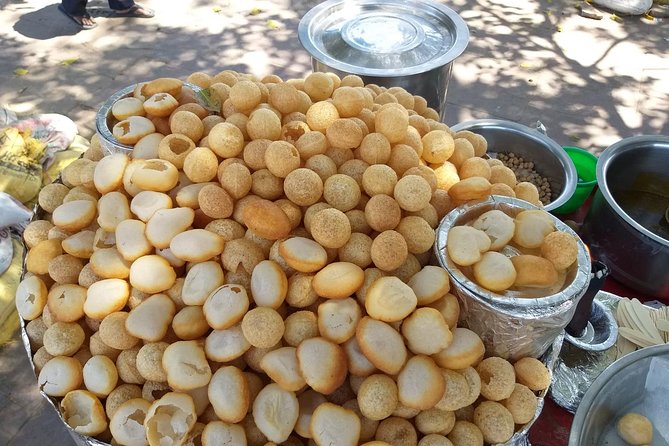
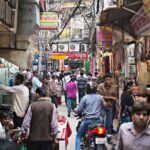
Your walk begins in the Chandni Chowk area, commonly described as near the mosque based on the route your guide follows. Chandni Chowk is one of India’s classic marketplace zones, and the food culture here is so intense it almost feels like a separate weather system.
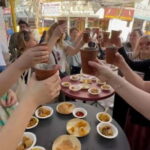
Your guide steers you to a set of well-known stalls, and the plan is paced so you can try sweet, savory, crunchy, and cooling items rather than only one style.
A big plus: your stops include places with names that matter locally, not just tourist-friendly menus. That’s how you get jalebi that’s hot and fresh, kachori that’s crispy instead of soggy, and sweets that taste like they’ve been made the same way for decades.
Jalebi Wala: hot, soft, juicy spirals
One of the early highlights is Old Famous Jalebi Wala in Chandni Chowk. Jalebi is basically a street classic for a reason: those syrup-soaked spirals should be hot, soft, and almost freshly pulled from the pan.
Taste-wise, this works as a smart warm-up. The sweetness hits fast, and then your guide can balance you with savory bites later. If you’re sensitive to sugar or syrup, keep your pace slow here and save room for kachori and aloo dishes.
This is also a good stop to watch the rhythm. You’ll often see jalebi made in a steady flow, and it helps you understand why the best places here are always busy for a reason.

Paranthe Wali Gali: stuffed breads with real crunch
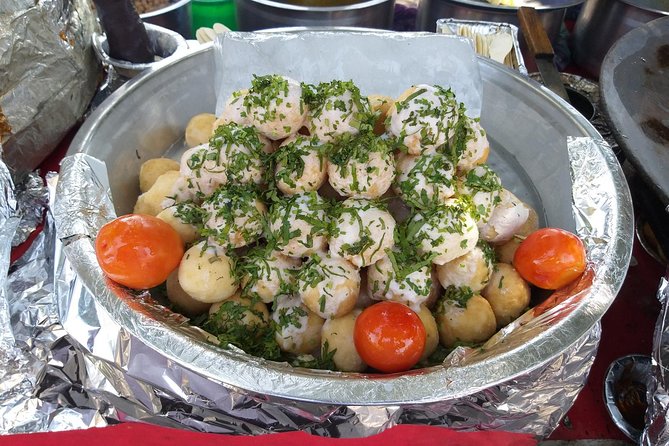
Next comes Paranthe Wali Gali, a lane with multiple paratha shops. Paratha is north India comfort food in a handheld form. Here you’re aiming for deep-fried, stuffed breads that are crisp on the outside and flavorful on the inside.
This stop gives you a texture shift. Jalebi is sticky-syrupy. Paratha is savory, browned, and layered. That contrast is why the route works.
Practical tip: if you’re the type who gets overwhelmed by menus, ask your guide what they recommend in that moment. That’s what they’re there for—helping you pick the best bite without turning your day into a decision-making marathon.
JB Kachori Wala: crunchy kachori plus aloo subzi
Then you move to JB Kachori Wala, also known as Jung Bahadur Kachori Wala. This stall is famous in Old Delhi’s by-lanes for kachoris and for aloo ki subzi (a potato dish).
Here’s what I like about placing this mid-tour: kachori gives you the crunch and the savory punch, while aloo ki subzi adds a comforting, softer counterweight. Together, they’re filling in a good way—not just snack-filler.
What to expect: crispy textures can be tough to share when you’re eating fast, so lean in. Eat it while it’s at peak crunch.
Kedarnath Premchand Halwai: saffron sweets with pistachio and almonds
The sweets segment takes a turn toward rich ingredients at Kedarnath Premchand Halwai. Their stand-out description is sweets garnished with saffron, plus pistachio and almonds.
This is the moment where your tour stops feeling like only street-snacking and starts turning into a small education. Saffron and nuts aren’t just decoration—they signal flavor depth and show up in the way sweets are balanced.
If you’re trying to keep your sugar intake reasonable, take smaller bites here. You’ll still get plenty later, including classics like gulab jamun.
Natraj Café and the cooling duo: dahi bhalla and aloo tikki
A key stop is Natraj Café, specifically the Natraj Dahi Bhalla wala. It started in 1940 and is described as serving only two things: Dahi Bhalla and Aloo tikki.
This is a smart inclusion because it adds cooling contrast. Dahi bhalla is yogurt-based, which helps if you’ve been eating fried items back-to-back. Aloo tikki also brings savory comfort, and it plays well with chutneys.
This stop is also one of the best places to slow down. Yogurt snacks can be messy if you rush, and the point is to enjoy the balance: salty, tangy, and creamy.
Kanwarji’s tradition and a sweets stop loaded with classics
The route also nods to Kanwarji’s, described as an old tradition that began in Chandni Chowk in the 18th century. You may find this referenced as part of the sweets-world context during the day’s sweet-focused portion.
Then you hit a sweets shop where you can try fresh favorites such as:
- Samosa
- Rabdi
- Gulab jamun
- Sweet flavored milk
This is where the tour becomes a true dessert-and-snacks marathon—without making you order. It’s also why the earlier savory stops matter. If you eat only sweets, you’ll feel sick later. This route spreads sweetness out and gives your palate some reset points.
If you want gulab jamun, take it when you feel ready, not when you feel pressured. A good guide will help you time bites so you don’t end the day tasting only sugar.
Spice market time: shopping for the smells you just ate
After you finish the street food circuit, you’ll head to a world-famous spice market. This is the part I think many food tours get wrong: you leave hungry and you shop blindly later.
Here, you do the reverse. You eat first, then you shop. That makes it easier to choose what to buy because you already know what you’re looking for—cumin, warm blends, and the spices that match the flavors you tasted.
You’ll have time where you can find the right souvenirs. If you’ve ever brought spices home and realized you didn’t actually know how you’d use them, this is a good chance to correct that.
Pro move: ask your guide how spices were used in the dishes you just ate. Even simple explanations help you buy with confidence.
Emporium stop on the way back: art and woodcarving souvenirs
On the way back to your hotel, there’s a stop at the Emporium, where you can browse items like woodcarving, painting, and sculpture.
This is not a food stop, but it fits the idea of ending your day with something you can take home. If you want a step away from spice shopping, this can be a useful break.
Also, it helps you avoid the last-minute scramble for souvenirs. Old Delhi can be intense for shopping, so having a calmer browse window can be appreciated.
Logistics that matter: comfort, pacing, and what to ask for
This is a 7-hour experience, mostly walking with two transportation elements (tuk-tuk and bicycle rickshaw). That means your day is active. It’s not a sit-and-watch tour.
Two more practical points based on the tour details and how guides handle the route:
- Spice levels can be adjusted. The day is not only about heat, and you can ask to keep it mild or ramp it up.
- Guides check comfort and timing. Guides like Sunil, Shweta, and Rajender are specifically noted for caring about how comfortable you are and adjusting if your schedule changes (including shortening the route if you have a flight).
If you’re traveling with dietary limits, say something early. The tour is built around specific street-food items, but a good guide will help you make choices.
Who should book this Old Delhi street food and spice market tour
This is a great match if you:
- Want a guided food day without navigating Chandni Chowk alone
- Like classic street-food tastes: jalebi, paratha, kachori, dahi bhalla, aloo tikki, and gulab jamun
- Want spice market shopping tied to what you actually ate
- Prefer structured eating over endless menu decisions
It may not be your best fit if you:
- Hate crowded streets and noise (Old Delhi is not quiet)
- Don’t want to eat fried foods and sweets across a multi-stop route
- Need a fully low-walking day (the tour is built around walking between counters)
Should you book this tour?
Yes, you should book it if you want a full Old Delhi food day that’s organized enough to be stress-free. The value is strong because your ticket covers transportation, all-you-can-eat food, drinks, sweets, and a spice-market shopping finish.
Book it especially if you’re short on time and want a concentrated hit of Old Delhi’s best-known flavors, without spending your day comparing vendors. And if you’re a spice-holic or a sweet-tooth, this route hits both.
If you’re nervous about spice or pace, you’ll be fine if you speak up early. The tour is designed around comfort as much as it is around food.
FAQ
What’s included in the tour price?
The tour includes all-you-can-eat food, non-alcoholic drinks, bottled water, snacks, and coffee and tea, plus an English-speaking guide.
Do I get hotel pick-up and drop-off?
Yes. The tour includes pick-up and drop-off at central Delhi hotels by tuk-tuk.
How long is the experience?
It runs for about 7 hours.
Is there a bicycle rickshaw ride?
Yes. You’ll take a bicycle rickshaw ride in Old Delhi.
Do we visit the spice market and shop there?
Yes. After the street food stops, you visit the spice market with time where you can do shopping for spices.
What dress code should I follow?
The dress code is smart casual.
Is tipping included?
No. Tips or gratuities for the local guide, rickshaw puller, or tuk-tuk driver are optional.