REVIEW · NEW DELHI
Heritage Delhi Photography Walk (2 Hours Guided Walking Tour with Rickshaw Ride)
Book on Viator →Operated by Yo Tours · Bookable on Viator
Delhi turns camera clicks into local stories, and this guided photo walk uses the city’s real texture—Safdarjung Tomb, Lodhi Garden, and the Lodhi Art District—so you’re not just taking random snaps. I like the English-speaking storytellers who help you time shots, including golden-hour advice from guides like Saumya, and I love the classic cycle rickshaw ride between stops. Do note: entrance fees aren’t included, so you’ll need to budget for the sites.
This is a tight 2-hour route with a small group size (up to 12). You’ll meet at the Safdarjung Tomb ticket counter near Airforce Golf Course/Delhi Race Club, then finish at Lodhi street art in Lodhi Estate.
If you want heritage architecture plus modern street color, this is a strong fit. If you’re chasing lots of long indoor time, or you rely on an air-conditioned vehicle, you may find the setup a bit basic.
In This Review
- Key highlights you’ll actually use
- Price and value: $18.62 for a photo-focused Delhi route
- Meeting point to final frame: where you start and where you end
- Stop 1: Safdarjung Tomb photos in 30 minutes
- Stop 2: Lodhi Garden in 1 hour—trees, tombs, and rose garden views
- Stop 3: Lodhi Art District for 30 minutes of street color
- Why guides matter: Saumya and Shika’s timing instincts
- Cycle rickshaw ride: classic Delhi transport between sights
- What’s included (and what you should plan for)
- Included
- Not included
- Timing and weather: how to get the best light
- Who this tour suits best—and who might skip it
- Should you book Heritage Delhi Photography Walk?
- FAQ
- How long is the Heritage Delhi Photography Walk?
- What stops are included in the itinerary?
- Is the entrance fee included for Safdarjung Tomb?
- Does the tour include a rickshaw ride?
- How many people are in the group?
- Where do I meet the tour?
- Where does the tour end?
- Is hotel pickup or drop included?
- What happens if the weather is bad?
- Do the guides speak English?
- What is the cancellation policy?
Key highlights you’ll actually use
- Small group, big camera focus (max 12 people, ~2 hours)
- Cycle rickshaw ride between sights for classic Delhi transport
- Photography tips built into the walk, not tacked on at the end
- Safdarjung Tomb + Lodhi Garden + Lodhi Art District in one logical loop
- Guides like Saumya and Shika help with best time for light and shooting angles
Price and value: $18.62 for a photo-focused Delhi route
At $18.62 per person for about 2 hours, this tour lands in the sweet spot for a city where you can spend a lot just figuring out where to stand. The price makes sense because you’re paying for two things: guidance (story + photo strategy) and access to a short, well-paced route that hits three different visual worlds—mausoleum stonework, garden architecture, and street art.
You’ll also get a mobile ticket and group discounts. Those details matter because they reduce hassle right when you arrive in Delhi. Confirmation comes at the time of booking, so you’re not left guessing.
The only value caveat: entrance fees for historical sites aren’t included. That doesn’t kill the deal, but it does mean you should plan ahead with a little extra budget for tickets, especially for Safdarjung Tomb.
You can also read our reviews of more tours and experiences in New Delhi.



Meeting point to final frame: where you start and where you end
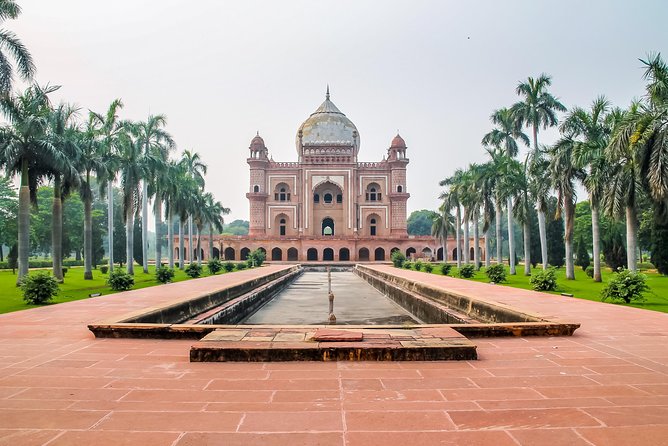
The tour begins at the Safdarjung Tomb ticket counter (address shown as “सफदरजंग मकबरा टिकट काउंटर” near Airforce Golf Course, Delhi Race Club, with map pin H6Q6+WR5). That’s helpful because it anchors you in a real landmark area rather than a vague meeting corner.
It ends at Lodhi Gardens / Lodhi Estate, specifically at the Lodhi street art street. In practice, this end point is great if you want to keep wandering on your own afterward—street art areas tend to be best in the late afternoon and early evening, when people move around more.
No hotel pickup or drop is offered, and there’s no air-conditioned vehicle included. So you’ll want to reach the meeting point yourself and expect to move outdoors for the whole experience.
Stop 1: Safdarjung Tomb photos in 30 minutes
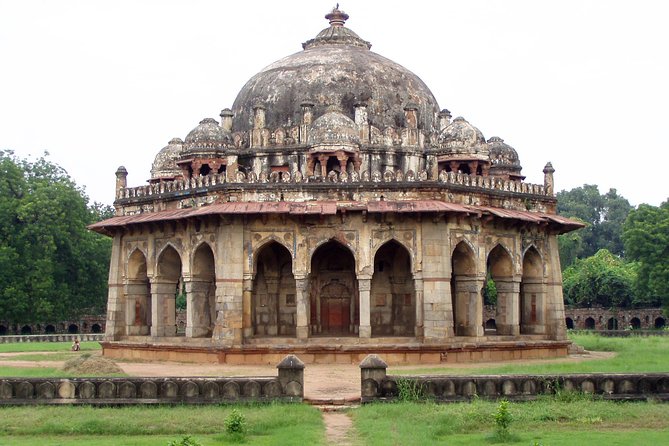
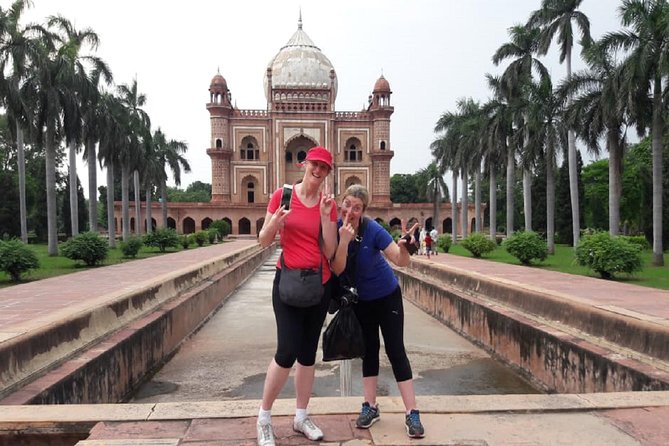
You’ll start with Safdarjung Tomb, a mausoleum built in the late 18th century. The tour gives you about 30 minutes here, and the admission ticket is not included, so expect to handle entry separately.
Why this stop works for photographers: tombs like Safdarjung reward patience. You’ll usually get your best results by focusing on geometry—arched openings, edges, and symmetrical lines—then mixing in details like textures on stone and nearby life on the edges of the frame. Even if you’re not a “serious photographer,” this is one of those places where your camera does most of the hard work.
The main drawback is time. 30 minutes goes quickly, so if you want dozens of compositions, come ready with a plan. Think: one wide establishing shot, one mid shot with a person or pathway for scale, and one detail frame. Then repeat as light changes.
Practical note: Safdarjung Tomb is outdoors. If skies are weird or it’s too harsh, your guide’s lighting advice (more on that later) becomes especially valuable.
Stop 2: Lodhi Garden in 1 hour—trees, tombs, and rose garden views
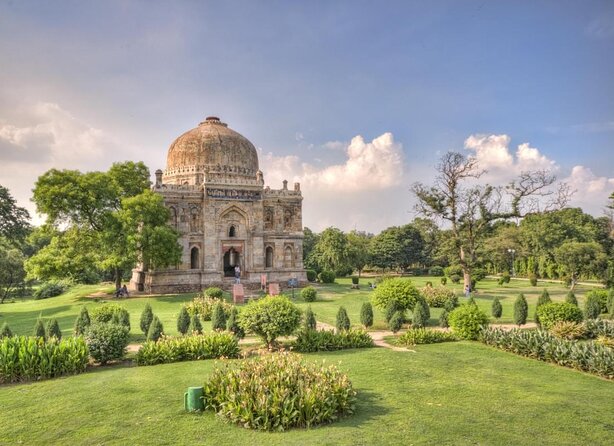
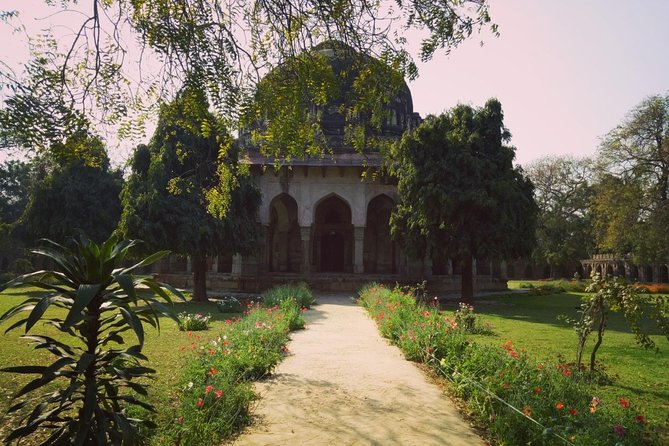
Next you’ll head to Lodhi Garden for about 1 hour. This is the “pause and reset” stop. You’re looking at nature, architecture, and different shades of trees and flowers, and the garden includes the Rose Garden plus tombs like Sikandar Lodi Tomb and Shah Sayyid Tomb.
Also: the tour describes these areas as showing relics from Delhi history. Even if you don’t read every plaque, the point is that you’re not just photographing plants—you’re photographing a layered timeline, where greenery and stone sit side by side.
How to get value out of the hour:
- Start with wider shots first (trees + pathways + tomb shapes in the same frame).
- Then switch to details (leaf texture, rose colors if in bloom, and shadow patterns).
- Save a couple minutes for tomb-focused angles so you don’t burn your best light on only flowers.
A small consideration: garden light can change fast as clouds move or as you shift between sunny paths and shaded areas under trees. That’s why the tour’s photo tips matter here, not just at the street art stop.
Stop 3: Lodhi Art District for 30 minutes of street color
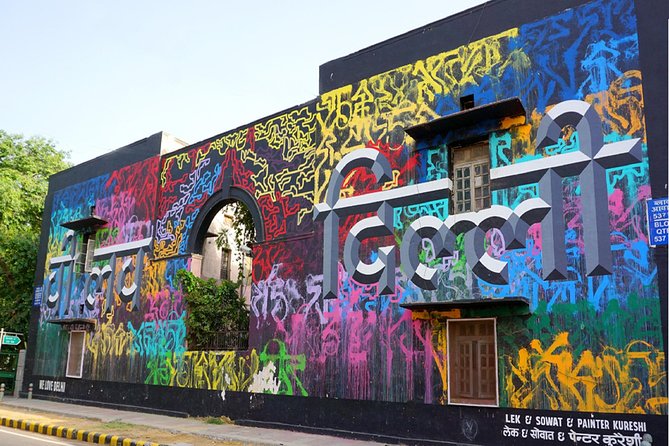
The last stop is Lodhi Art District, around 30 minutes. This is where the walk pivots from heritage stone to street art walls. You’ll see painted graffiti themes such as nature, the origin of the world, and life and death.
This stop is fun because it lets you experiment. Street art is messy in the best way. It’s great for:
- bold color frames,
- close-ups of paint textures,
- and photo compositions that include both the artwork and people nearby for context.
The main reality check: 30 minutes is short. Street art can be bigger than you think, and walls aren’t evenly spaced. If you want specific themes, you’ll need to be decisive—pick a few walls and work the angles rather than chasing every single mural.
Also, keep your eyes open for how people interact with the space. The best photos often come from timing your shot as the scene settles, not when someone walks directly in front at the worst moment.


Why guides matter: Saumya and Shika’s timing instincts
The single biggest advantage here is the guide who understands photography timing, not only sightseeing.
In particular, Saumya is described as helping visitors with the best time for photos, including golden hour advice that produced better pictures. Saumya also suggested that the area illuminates at night, which hints at something you can use even if your walk ends before late evening: ask what to shoot during shifting light and what to look for when illumination starts.
Another guide mentioned in the experience is Shika, who communicated to find the best time for the tour. That kind of planning matters because Delhi’s light can go from flattering to harsh quickly, especially in open areas like tomb entrances and garden edges.
You’ll also get photography tips and conversations that connect the “heritage” side with the “modern city” side. That’s what turns a walk into more than movement with a camera.
If you’re a beginner, this is where the value shows. A good guide helps you move from random shutter-clicking to simple choices: where to stand, when to shoot, and how to frame the subject so your photos look intentional.
Cycle rickshaw ride: classic Delhi transport between sights
Between stops, you’ll hop on a cycle rickshaw. The tour calls it classic forms of transportation only-in-India, and that’s exactly what you should expect: a small, open ride that’s part travel, part photo opportunity.
This ride adds value in two ways:
- It breaks up the walk so you’re not just trudging between monuments.
- It gives you a moving perspective—streets, walls, and people slide through your frame while you travel.
The consideration is comfort and weather. There’s no air-conditioned vehicle, and rickshaws are exposed. If Delhi weather is hot, or if skies are rainy, plan to bring basic protection (and rely on your guide’s judgment about the best way forward).
What’s included (and what you should plan for)
Included
- Highly trained, friendly storyteller/guide who speaks English and other languages
- Cycle rickshaw ride between sights
- Photography tips and conversations that connect heritage and modern Delhi
Not included
- Entrance fees to historical sites (including Safdarjung Tomb)
- Air-conditioned vehicle
- Hotel pickup and drop
What I recommend you prepare:
- Your camera (phone counts, but bring what you’re comfortable using)
- Comfortable shoes for walking outdoors
- Something for weather (Delhi can change quickly)
- A little cash or card readiness for entry tickets, since the tour notes those fees separately
The guide can help you with timing and framing, but you’ll still want your own gear ready. A photo walk is only as good as your ability to shoot when the moment arrives.
Timing and weather: how to get the best light
This experience is weather dependent. That matters because it’s a walking-and-spotting tour, not an all-weather indoor circuit. If conditions are poor, you should expect the operator to offer a different date or a full refund.
For photography, this is where golden hour advice becomes more than a cliché. When Saumya suggests the best time for shots, what she’s really doing is telling you to stop fighting the sun. Around golden hour, shadows soften and colors show up better in stone and painted walls. In gardens, that warmth can make leaves and flowers look more dimensional.
So if you can choose your day, pick one that isn’t forecasted to be pouring rain. If the day stays clear, your shots will look more like what your mind expects from Delhi.
Who this tour suits best—and who might skip it
I think this tour fits you best if you want:
- a 2-hour, structured photo route without overplanning,
- a mix of heritage architecture + garden + street art,
- and a guide who helps with when and how to shoot.
It’s also a good match if you like conversations. The tour is built for storytelling around each point, so your photos come with context.
You might want a different option if:
- you strongly prefer places with lots of indoor time,
- you require an air-conditioned vehicle,
- or you want to spend longer than 30–60 minutes per stop.
The route is efficient on purpose. That’s the trade.
Should you book Heritage Delhi Photography Walk?
Book it if you want an easy win in Delhi photography: Safdarjung Tomb for structure, Lodhi Garden for texture and shade, and Lodhi Art District for color—all in a compact guided loop with cycle rickshaw flavor.
Don’t book it if you’re allergic to outdoor walking, or if you absolutely need entrance fees included and zero extra spending. The tour is transparent that those historical entry costs are on you.
If you do book, here’s how to make it worth every dollar: show up with a short list of what you want (tombs, gardens, or street art), and trust the guide’s time suggestions. Advice like Saumya’s golden hour timing can turn ordinary frames into photos that actually feel like Delhi.
FAQ
How long is the Heritage Delhi Photography Walk?
The tour lasts about 2 hours.
What stops are included in the itinerary?
You visit Safdarjung Tomb, Lodhi Garden, and the Lodhi Art District (street art area).
Is the entrance fee included for Safdarjung Tomb?
No. Entrance tickets for historical sites are not included.
Does the tour include a rickshaw ride?
Yes. You’ll take a cycle rickshaw between sights.
How many people are in the group?
The maximum group size is 12 travelers.
Where do I meet the tour?
You meet at the Safdarjung Tomb ticket counter, near Airforce Golf Course, Delhi Race Club (map pin H6Q6+WR5).
Where does the tour end?
The tour ends at Lodhi street art in Lodhi Estate, near Lodhi Gardens.
Is hotel pickup or drop included?
No hotel pickup and drop is included.
What happens if the weather is bad?
This experience requires good weather. If it’s canceled due to poor weather, you’ll be offered a different date or a full refund.
Do the guides speak English?
Yes. The guide can speak English and other languages.
What is the cancellation policy?
You can cancel for a full refund up to 24 hours in advance. Less than 24 hours before the start time is not refunded.