REVIEW · NEW DELHI
Old Delhi: 3-Hour Tuk-Tuk/Rickshaw Tour
Book on GetYourGuide →Operated by Keeper Landwey · Bookable on GetYourGuide
Old Delhi moves fast, and this tour lets you keep up without burning your legs out. You’ll ride a tuk-tuk (a modified cycle rickshaw) through the old bazaars, then slow down at major religious and food stops where Delhi actually explains itself. I especially like how the guide builds context for what you’re seeing in Jama Masjid, Khari Baoli, and the Sikh and Jain sites.
Two things I truly value here: the tuk-tuk pacing (you see more, faster, with less stress) and the food/community moments—chai and samosa, plus a hands-on taste of Sikh langar. One possible drawback is that this is active sightseeing with traffic-side navigation, so you’ll want comfortable shoes and the ability to follow safety instructions closely.
In This Review
- Key highlights to look for
- Why a 3-Hour Tuk-Tuk Tour Works So Well in Old Delhi
- Meeting at Sunehri Masjid: Finding the Tour Fast Near Red Fort
- Riding Past Old Delhi Bazaars: What the Tuk-Tuk Actually Adds
- Jama Masjid: The Courtyard First, Then the View
- Khari Baoli Spice Market: Smells, Health Talk, and Smart Shopping Eyes
- Chandni Chowk Snack Break: Chai and Samosa Without the Long Search
- Gurudwara Sis Ganj: Langar and the Real Meaning of Community Feeding
- Jain Mandir and the Bird Hospital Finish: A Surprisingly Different End
- Timing, Pacing, and What to Pack for a 3-Hour Hit
- Safety and Etiquette That Keep the Day Smooth
- Price and Value: Why $25 Can Make Sense Here
- Who This Tour Suits Best (and Who Might Want a Different Plan)
- Should You Book This Old Delhi Tuk-Tuk Tour?
- FAQ
- FAQ
- How long is the Old Delhi tuk-tuk tour?
- What does the price include?
- Where exactly do we meet?
- Do you get skip-the-line access anywhere?
- Is hotel pickup or drop-off included?
- Is the tour guide available in languages other than English?
- What happens on Sundays if markets are closed?
- Can I climb the minaret at Jama Masjid?
- What should I bring, and what is not allowed?
- Is this tour suitable for wheelchair users or pregnant women?
Key highlights to look for
- Tuk-tuk ease in Old Delhi traffic, so you don’t feel trapped in the chaos on foot
- Jama Masjid red-stone courtyard and a chance for a minaret view if access is open
- Khari Baoli spice market (Asia’s largest, dating back to the 17th century) with health-focused spice talk
- Chai and samosa snack stop in the Chandni Chowk area
- Gurudwara Sis Ganj langar experience, where you see how community feeding works
- Jain Mandir bird hospital stop, adding a surprising end note beyond the usual monuments
Why a 3-Hour Tuk-Tuk Tour Works So Well in Old Delhi
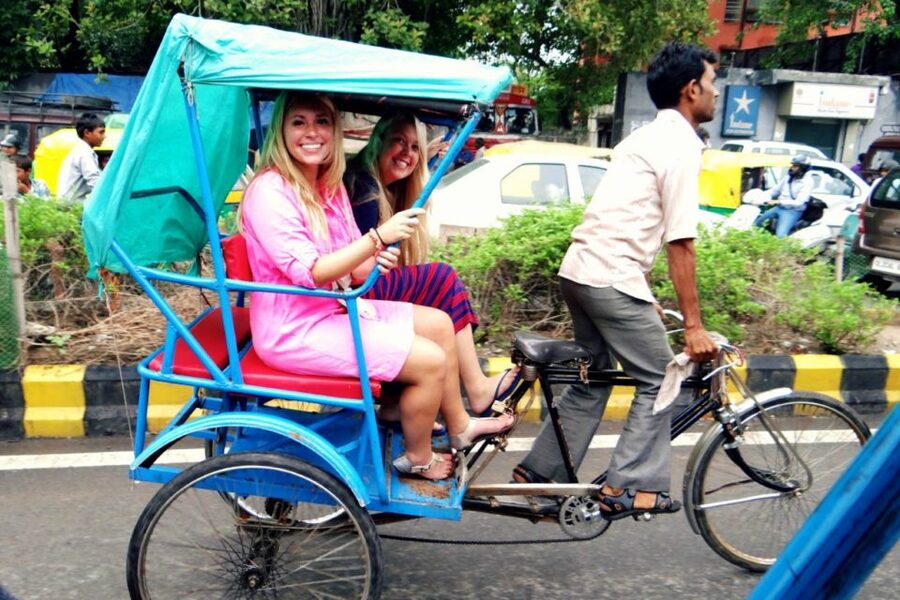
Old Delhi can be intense. The streets are crowded, the lanes are tight, and walking means you’re constantly negotiating people, bikes, and vehicles. This tour uses a tuk-tuk as your buffer: you get the sights and sounds, but you’re not stuck doing the whole thing at sidewalk speed.
The other big win is that three hours is the sweet spot. It’s long enough to hit major anchors like Jama Masjid and still include the “real life” stops—spice shops, street snacks, and a Sikh community kitchen.
If you want Delhi highlights with fewer blisters and less decision-making stress, this is a strong format.
You can also read our reviews of more tours and experiences in New Delhi.



Meeting at Sunehri Masjid: Finding the Tour Fast Near Red Fort
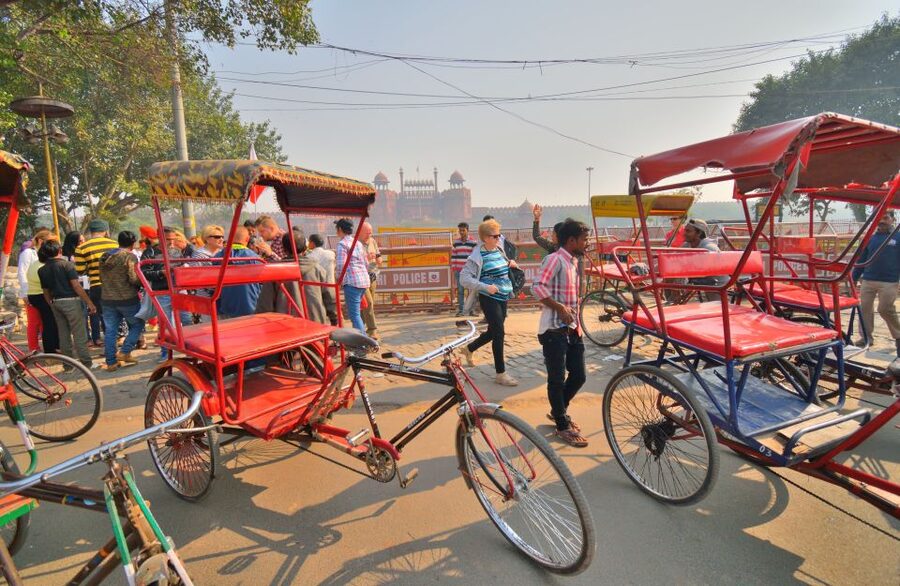
You start at the gate of Sunehri Masjid on Nishad Raj Marg, Lal Qila (Old Delhi). It’s opposite the Red Fort parking, so you can orient yourself quickly from the well-known Red Fort area.
Your guide waits outside a green banner that states Sunehri Masjid. If you’re using transit, the place is reachable by taxi or Delhi Metro—get off at Jama Masjid on the Violet Line.
This matters because Old Delhi is easy to get turned around in. Starting at a clearly described location helps you keep the day easy.
Riding Past Old Delhi Bazaars: What the Tuk-Tuk Actually Adds
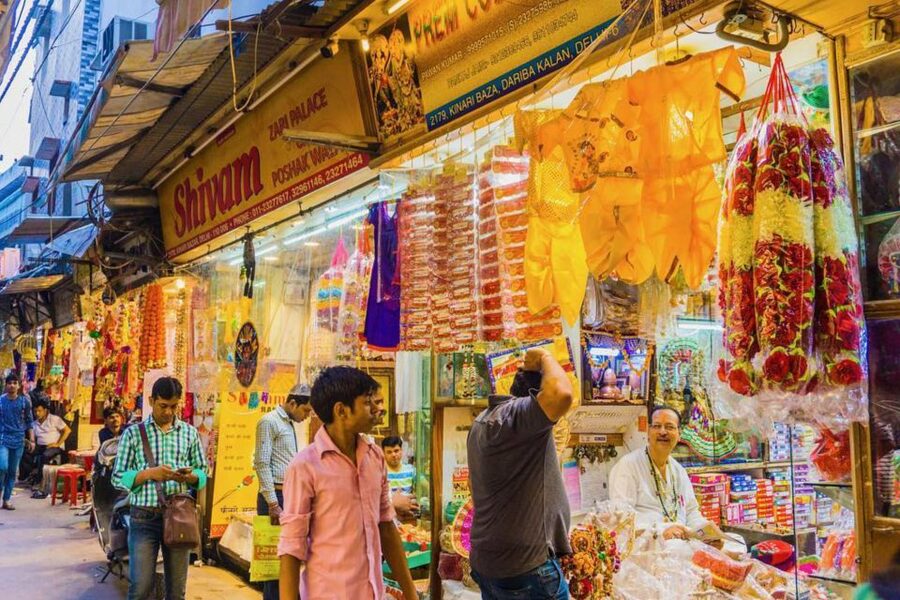
The point of the tuk-tuk isn’t just comfort. It’s how you experience the city’s pattern—what’s close together, what’s noisy all the time, and which streets feel like they belong to specific trades.
As you ride, your guide points out the role the markets play for locals. That’s where this tour earns its value: you’re not just seeing goods—you’re learning why those goods show up in the places they do.
One practical detail: you’ll still be near crowds, so it helps to keep your belongings secure and stay alert, especially with photos and phones out.
Jama Masjid: The Courtyard First, Then the View
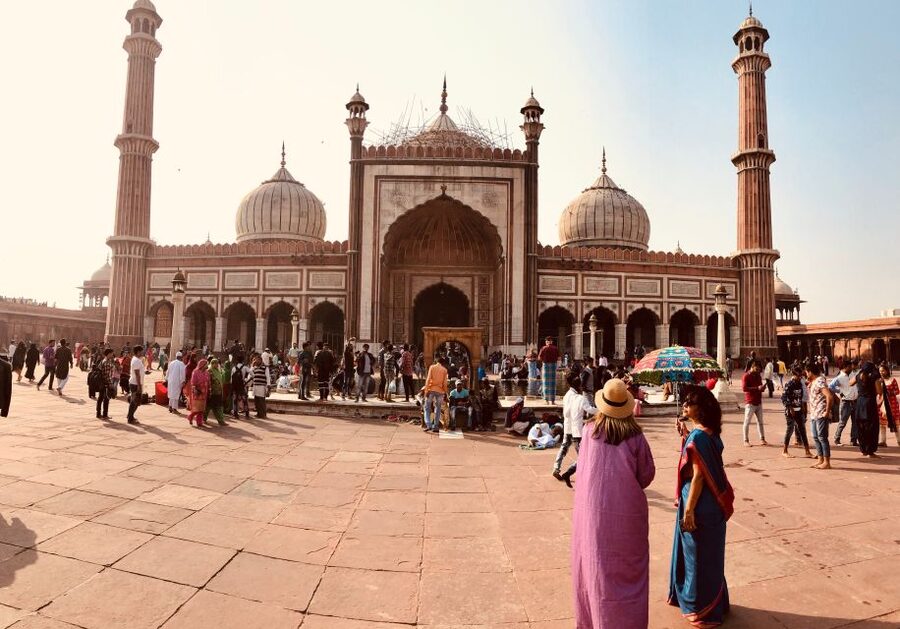
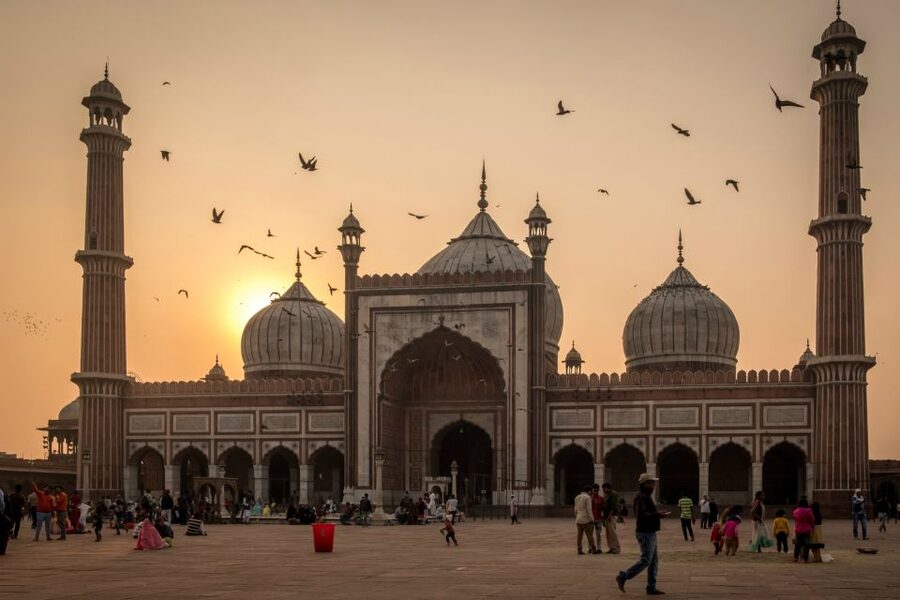
Your first big stop is Jama Masjid, India’s largest mosque. This is one of those sights where the setting does half the work. The red sandstone courtyard gives you scale immediately, and your guide’s explanations help you see the structure as something functional and lived in—not just a postcard background.
What to plan for here:
- You’ll walk around the main courtyard area.
- If it’s open, you may be able to climb a minaret for views over Old Delhi.
Important note: the minaret may be closed depending on access on the day. Even without the climb, the courtyard experience is still worth your time.
Also follow the worship rules: you’ll need to remove your shoes and socks in places of worship. Build that into your pace—this isn’t a grab-and-go stop.
Khari Baoli Spice Market: Smells, Health Talk, and Smart Shopping Eyes
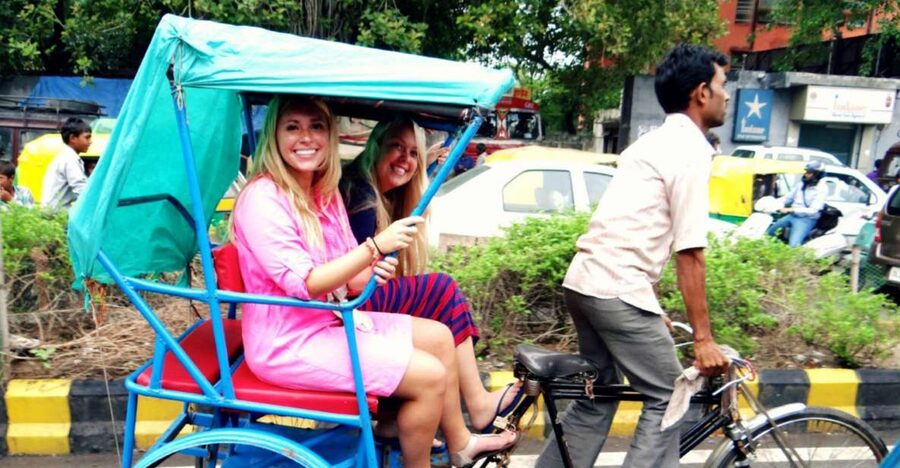
Next up is Khari Baoli, described as Asia’s largest spice market and linked to the area’s history since the 17th century. This stop can feel like sensory overload at first—spice colors, stacked tins, and constant selling—but your guide keeps it organized by giving meaning to what you’re seeing.
You’ll get hands-on information about spices and even their medicinal and health benefits. That matters because spices in India aren’t treated like novelty souvenirs. They’re part of daily cooking and traditional wellness routines.
A good way to get more out of this stop:
- Watch what vendors use in common blends (you’ll often notice patterns).
- Ask questions rather than buying right away.
- Remember you’re there for understanding; your guide can help you sort what’s genuine from what’s just sales talk.
And yes—keep your valuables protected here. Spice markets are crowded, and you don’t want your camera or wallet becoming the day’s problem.





Chandni Chowk Snack Break: Chai and Samosa Without the Long Search
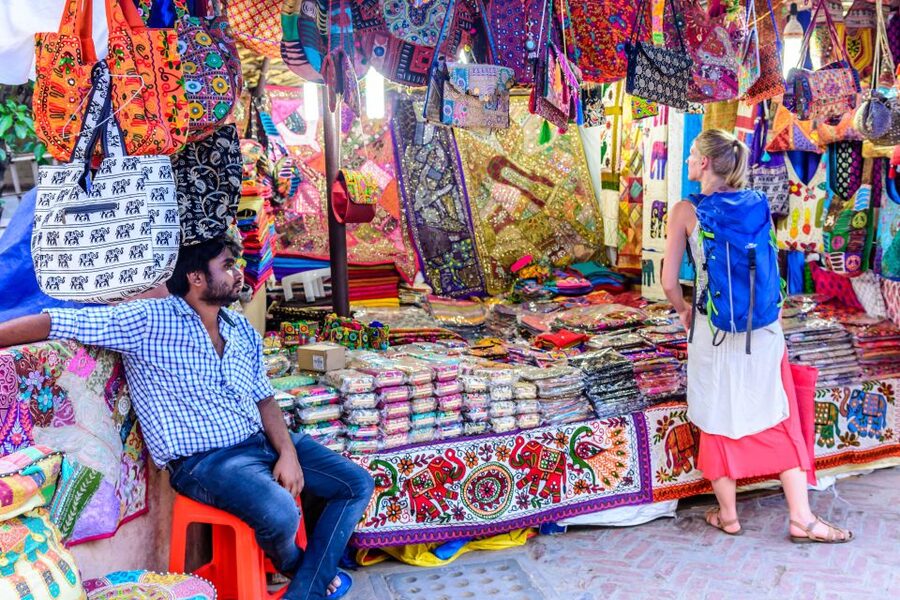
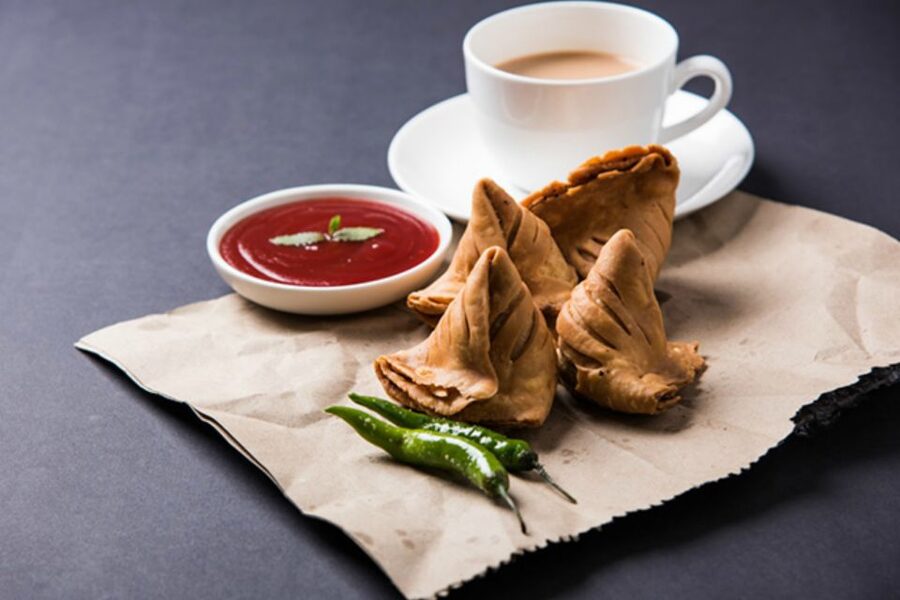
As your appetite builds, you’ll make a quick snack stop in the Chandni Chowk area. This part is simple but effective: chai and samosa.
This works well after the spice market because your senses have been going full speed. The snack gives you a reset without derailing the tour.
Try to eat slowly enough to notice the difference between spice intensity and actual flavor. Old Delhi snacks are repetitive only from a distance. Up close, they’re specific—hot, crispy, spiced in recognizable ways.
Gurudwara Sis Ganj: Langar and the Real Meaning of Community Feeding
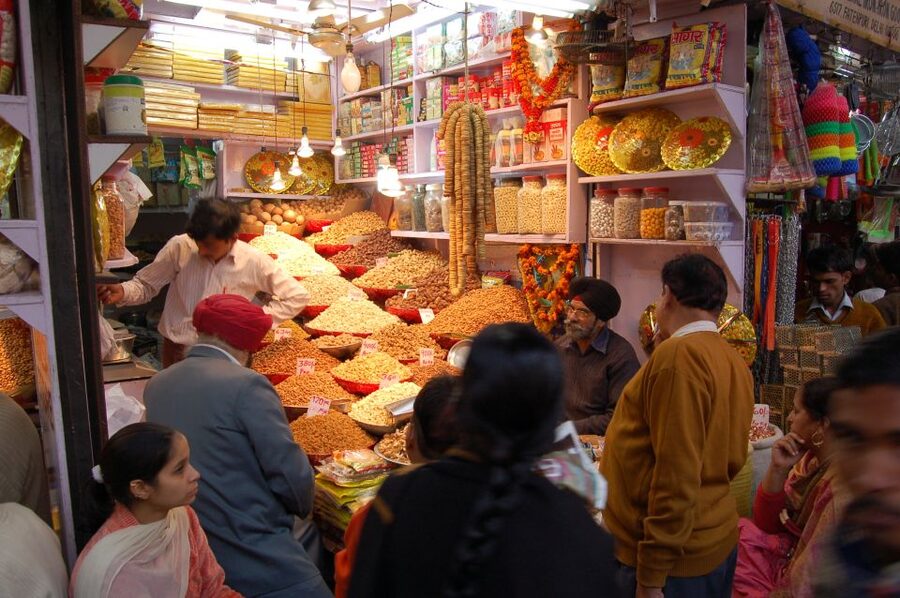
Then you shift from trade to tradition at Gurudwara Sis Ganj, a significant Sikh prayer house. This stop is special because you’re not only looking—you’re interacting. Your guide helps you understand what’s happening and how visitors fit into the rhythm.
The highlight is trying langar, the community kitchen service. Langar is one of the most direct ways to see Sikh values in action: food is prepared and served as part of community hospitality.
A few things that make this stop worth your time:
- You see religion as a public service, not just a building.
- The experience is often calmer than the streets outside, even when it’s busy.
- You get a feeling for local life beyond monuments.
Follow the worship rules here too—again, shoes and socks need to come off in places of worship. Wear shoes you can remove fast.
Jain Mandir and the Bird Hospital Finish: A Surprisingly Different End
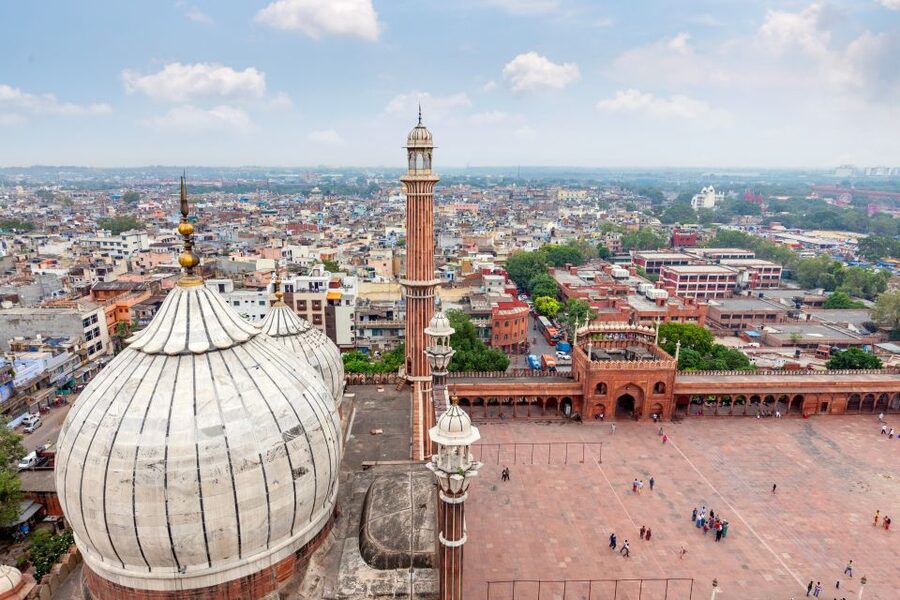
The tour ends at Jain Mandir, described as home to a charitable hospital for birds. This is a thoughtful final stop because it pulls you into a different lens—Jain tenets—without making the tour feel like a lecture.
Even if you don’t know Jainism today, your guide’s explanations help you connect the religious ideas to what you’re seeing at the charitable care point.
Why this works at the end: it changes your pace just when you might otherwise feel “site fatigue.” You leave with a memory that’s less about scale and more about compassion.
Timing, Pacing, and What to Pack for a 3-Hour Hit
You’re out for 3 hours, and the flow is designed to prevent over-walking. Still, you’ll be on your feet at each stop, including walking in courtyards and market areas.
What I’d bring for comfort (and to stay focused):
- Comfortable shoes (you’ll also need them for shoe removal transitions)
- Sunglasses and a sun hat
- Sunscreen
Water isn’t included, so plan to have water available before or after. The snack and tea help, but they’re not a substitute for hydration.
One more practical note: the tour isn’t suitable for wheelchair users or pregnant women (so plan accordingly).
Safety and Etiquette That Keep the Day Smooth
Old Delhi rewards attention. The tour asks you to stay close to your guide and follow instructions for your safety. That isn’t just about rules—it helps you avoid getting separated in crowded areas.
Also watch for pickpockets in busy places. Keep your phone, camera, wallet, and other belongings secured, especially around spice sellers and snack stops.
And remember the etiquette basics:
- Remove shoes and socks in temples and places of worship
- Avoid pulling out valuables in the densest crowd pockets
- Keep your pace guided—don’t drift away for one extra photo
Price and Value: Why $25 Can Make Sense Here
At $25 per person, the value comes from bundling three things that are expensive in time and hassle if you do them alone:
1) A professional guide who explains what you’re looking at
2) Tuk-tuk transport that reduces walking and keeps you moving through traffic
3) Tea and snacks (chai and samosa)
It’s not a long luxury tour, and it’s not a slow museum day. It’s a practical Old Delhi introduction with real stops that are hard to string together smoothly on your own in a few hours.
If your goal is to see the major anchors—Jama Masjid, Khari Baoli, Chandni Chowk, Gurudwara Sis Ganj, and the Jain Mandir bird hospital—without spending hours figuring out transport and timing, the price feels fair.
Who This Tour Suits Best (and Who Might Want a Different Plan)
This tour is a great match if you:
- Want an easy win for your first hours in Old Delhi
- Prefer guided context over wandering randomly through markets
- Like food and cultural experiences (chai, samosa, and langar) as much as monuments
- Want a safer-feeling structure for navigating crowds
It’s less ideal if you:
- Need wheelchair access (not suitable)
- Prefer very low walking or reduced handling of crowds (this is active city sightseeing)
- Are traveling with pets or bulky luggage (not allowed)
Should You Book This Old Delhi Tuk-Tuk Tour?
I’d book it if you want a compact, well-structured Old Delhi day that hits the right mix: major religious sites, a spice market with real explanations, and food/community moments that feel more human than tour-bus sightseeing.
Skip it if you’re looking for deep independent exploration, or if your mobility needs are incompatible with the temple shoe rules and the crowd-heavy streets.
If you do book, pay attention to the meeting point details at Sunehri Masjid near Red Fort parking, wear the shoes you can handle quickly for removal, and keep your belongings secure in markets.
FAQ
FAQ
How long is the Old Delhi tuk-tuk tour?
The tour lasts 3 hours.
What does the price include?
It includes the tuk-tuk tour, a professional English-speaking guide, and tea and snacks.
Where exactly do we meet?
Meet at the gate of Sunehri Masjid, Nishad Raj Marg, Lal Qila, Old Delhi, New Delhi, Delhi 110006, opposite the Red Fort parking.
Do you get skip-the-line access anywhere?
Yes, the tour says it includes skip ticket line.
Is hotel pickup or drop-off included?
No. Hotel pickup and drop option are not included.
Is the tour guide available in languages other than English?
Yes, the live guide is available in English and Spanish.
What happens on Sundays if markets are closed?
The main markets are closed on Sundays, and the itinerary is adjusted to show other local markets instead.
Can I climb the minaret at Jama Masjid?
The mosque is open to all visitors, but the minaret may be closed depending on access that day.
What should I bring, and what is not allowed?
Bring comfortable shoes, sunglasses, a sun hat, and sunscreen. Pets and luggage or large bags are not allowed.
Is this tour suitable for wheelchair users or pregnant women?
No. It is not suitable for wheelchair users or pregnant women.