REVIEW · NEW DELHI
Old Delhi Food, Heritage&Cultural Walk with Rickshaw ride to Masterji Kee Haveli
Book on Viator →Operated by Masterji kee haveli dot com · Bookable on Viator
Spices and stories come fast in Old Delhi. This small-group walk pairs street-level food stops with a ride on a cycle/electric rickshaw, then takes you inside Masterji Kee Haveli for a traditional, complimentary meal in a private Old Delhi home.
What I love most is safe street-food tastings and the home-cooked haveli meal that makes Delhi feel less like sightseeing and more like real neighborhood life. You’ll also slow down at the right moments for snacks and a planned meal, instead of playing food guesswork. The only catch: Old Delhi is not a low-effort stroll, and you’ll want to dress modestly and be ready for house rules around shoes.
In This Review
- Key highlights to look forward to
- Why this 4-hour Old Delhi plan works
- Meeting points, timing, and how you’ll move through Old Delhi
- Stop 1: Old Delhi lanes and Masterji Kee Haveli (the heart of the day)
- What to know before you step inside
- The rickshaw ride: saving your energy without losing the street texture
- Stop 2: Khari Baoli spice market and what to look for
- Food plan: snacks, breakfast, and lunch or dinner without stress
- Shopping in the bazaar: souvenirs with context
- Guide style (and why names like Varun and Vivian matter)
- Price and value: what you’re actually paying for
- Who should book this tour, and who might not love it
- Should you book this Old Delhi walk to Masterji Kee Haveli?
- FAQ
- FAQ
- How long is the tour?
- What is included in the price?
- Is admission required for Khari Baoli?
- What is the maximum group size?
- Where do I meet the guide?
- Where does the tour end?
- Is hotel pickup included?
- What should I wear in Old Delhi?
- Will I need to remove my shoes?
- Do I need to tip the guide?
- Can I cancel for a full refund?
Key highlights to look forward to
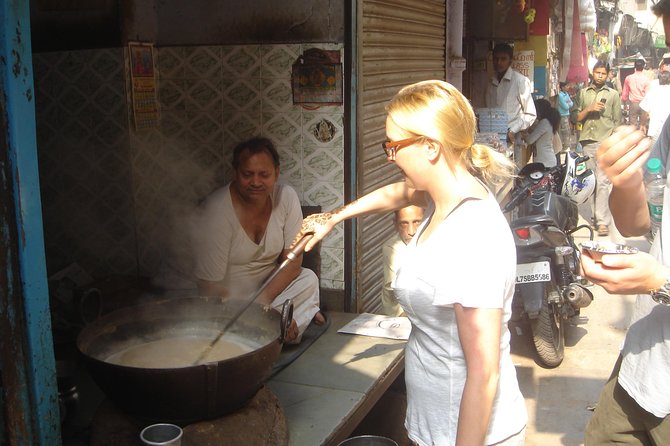
- Small group (max 8 travelers) means you can actually ask questions instead of shouting at a guide through crowds.
- Masterji Kee Haveli visit gives you a rare look at an Old Delhi private mansion still lived in by one family.
- Khari Baoli spice market stop hits one of Asia’s biggest wholesale spice markets, operating since the 17th century.
- Cycle/electric rickshaw rides save your legs while you move between lanes and markets.
- Food included with meals and tastings reduces the risk of ordering the wrong thing with limited time.
Why this 4-hour Old Delhi plan works
Old Delhi can feel like sensory overload in the best way. But when you only have a few hours, the question is how to get depth without burning daylight—this tour answers that.
I like that it’s built around food and heritage in a tight loop: walk the lanes, ride when your feet need a break, then anchor the experience with a havel i meal inside a living home. You get enough time to notice details—what people sell, how shop owners talk about their work, and how religious communities shaped the neighborhood—without rushing through everything like a checklist.
Also, small-group pacing matters here. A walk this food-focused works best when your guide can stop, explain, and keep you moving at human speed.
You can also read our reviews of more tours and experiences in New Delhi.



Meeting points, timing, and how you’ll move through Old Delhi
You meet at Ajmere Gate Rd, Bazar Sirkiwalan, near Chawri Bazar in Old Delhi. That part of the city is easier to reach than many deeper alley spots, which helps the tour start on time and with fewer headaches.
Your end point is the Hamdard Building on Asaf Ali Rd near Chandni Chowk. If you’re using your own car or Uber, they’ll coordinate drop-off up to that area—so you’re not stuck wandering for a rideshare after you finish.
Plan for a start that can shift slightly. The tour notes that start/finish times may vary due to weather, traffic, group size, road conditions, and other practical issues. That’s normal in Old Delhi—go in expecting “on Old Delhi time,” and you’ll enjoy it more.
If you’re trying to plan transit, the tour strongly suggests using the Metro (Yellow Line) or Uber. That’s a smart move because driving inside Old Delhi streets can be slow and unpredictable.
Stop 1: Old Delhi lanes and Masterji Kee Haveli (the heart of the day)
The first chunk of the tour is where the experience turns from street browsing into cultural storytelling.
You’ll walk Old Delhi with locals who live in the area, and you’ll see heritage details you might miss on your own. This isn’t just walking past monuments. You’ll move through the local bazaar, get chances to interact with shop owners (including families who’ve been running their businesses for generations), and sample safe street food along the way.
Then comes the big moment: Masterji Kee Haveli. This is described as an Old private mansion in the old city, still home to a single family across generations. For you, that changes the vibe instantly. Instead of learning about architecture or “history” in abstract terms, you’re watching a living house at work—how rooms are used, how daily life continues, and how the neighborhood’s old-world rhythm still exists behind the doors.
The meal is complimentary and described as traditional and home cooked. In practical terms, that means you’re not just eating to fill time. You’re eating as part of the cultural setup the guide is explaining.
What to know before you step inside
Old Delhi is a conservative area, so dress modestly. The tour specifically suggests:
- cover shoulders and legs at least to the knee
- carry a scarf if possible
- bring a cap for sun protection
Also, check about shoes. The tour notes that you may need to remove footwear to visit Indian houses, but it says the rule may apply only to some areas—so follow your host’s instructions on the day.
The rickshaw ride: saving your energy without losing the street texture
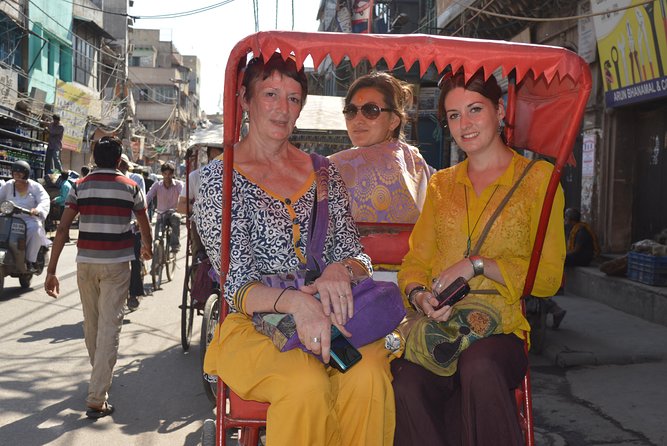
This tour is built for walking, but it also knows you’re human. You’ll get cycle/electric rickshaw rides that give your feet a rest while still keeping you in the local flow.
That matters more than it sounds. Old Delhi lanes don’t always give you “nice walking” conditions—crowds, uneven pavement, and tight turns can wear you down fast. The rickshaw segments help you keep momentum. You arrive at food stops and the spice market with energy left to enjoy them (and to ask questions).
It also gives a different view of the area. On foot, you see doorways and market faces. By rickshaw, you notice the bigger street layout and how lanes connect—useful for building your mental map.
And yes, you’ll likely get photos. The tour includes a local friend who is also a photographer, so they tend to guide you on moments worth capturing without making it feel like a photoshoot marathon.




Stop 2: Khari Baoli spice market and what to look for
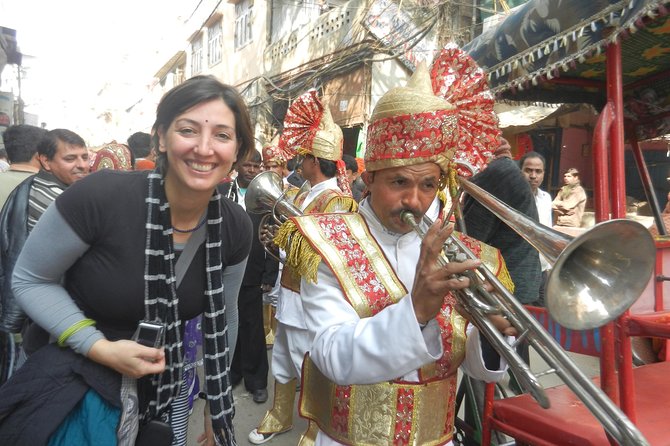
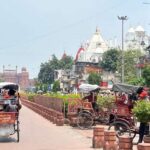
Khari Baoli is the spice-market stop, and it’s not small. It’s described as Asia’s largest wholesale spice market, selling spices, nuts, herbs, and food products like rice and tea. It’s been operating since the 17th century and sits at the western end of Old Delhi.
Your time here is around 30 minutes. That’s enough to do the “see and smell” part, plus pick up a few things without getting lost.
Here’s how to make this stop worth it:
- Pay attention to how spices are grouped and sold. Wholesale markets work differently than small retail shops.
- If you like cooking, ask what blends people use locally. Even simple guidance can turn buying spices into a small story you’ll remember later.
- Don’t feel pressured to buy. Use this stop to learn the names and textures of ingredients, then decide later if you want to stock up.
The market is free to visit (as indicated), so you’re not paying extra to experience the main sensory payoff.
Food plan: snacks, breakfast, and lunch or dinner without stress
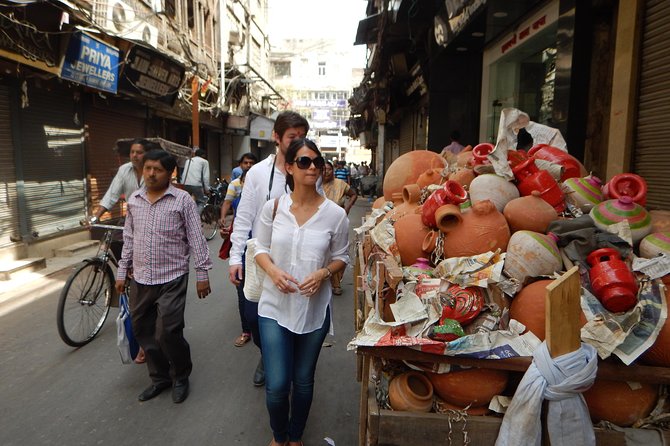
Food is the whole point of this tour, and the inclusion list is more generous than many “walk and taste” tours.
You get:
- Breakfast (with the morning tour timing)
- safe street-food tastings
- Coffee and/or tea, and in summer fresh lemonade
- Lunch for the morning tour or an early gala dinner for the afternoon tour
- bottled water
So instead of you deciding where to eat while navigating crowds, your meals are built in. That’s a big value for your time, especially if you’re visiting Old Delhi for the first time.
Also, the tour emphasizes safe street food tasting. That doesn’t mean “risk-free” in the medical sense, but it does mean the tour is choosing the kinds of stalls and portions most visitors can handle comfortably. It’s the difference between wandering and getting guided.
If you’re traveling with kids or a group with mixed spice tolerance, this structure helps. You’re not stuck trying to negotiate what everyone wants at the last second—your guide works with the plan.
Shopping in the bazaar: souvenirs with context
You’ll get shopping time for Indian souvenirs in Old Delhi’s bazaar areas, including access to spice-area commerce and mention of jewelry shopping opportunities.
I like shopping on a tour like this because you’re not guessing what things are or how things work. Your guide can point you toward what’s being sold locally, how bargaining conversations usually flow, and what to focus on if you’re buying a small, memorable item rather than shipping a suitcase of goods home.
One more practical note: Old Delhi has people claiming to be official. The tour specifically warns that there are shops posing as government tourist offices, but the real government tourist office is at Janpath Road. They also suggest that if someone tells you the tour is canceled or the area is closed due to demonstrations, request not to get into any stories.
That’s useful advice. If you run into odd claims, don’t go hunting for explanations on your own. Stick with your guide and the plan.
Guide style (and why names like Varun and Vivian matter)
This tour runs with a local friend who also functions as a story teller and photographer. That combo matters because you’re not just eating and shopping—you’re learning how the neighborhood works.
In the past, guides like Varun and Vivian have been singled out for their expertise in navigating Old Delhi and for storytelling that connects religion and local life to what you’re seeing. Even if your guide isn’t one of those names, the style is the same idea: local, talkative, and focused on meaning rather than reciting facts.
Small-group size (max 8) supports that. You’re not stuck with a guide facing one direction and 30 people trying to keep up. If you care about food choices, religious context, or just how to handle the streets without panic, the format gives you room to interact.
Price and value: what you’re actually paying for
At $52.73 per person for about 4 hours, the price is easier to justify when you look at what’s included.
You’re getting:
- bottled water
- breakfast (morning timing)
- snacks and street food tastings
- lunch or dinner (depending on tour start time)
- coffee/tea (or lemonade in summer)
- cycle/electric rickshaw rides
- a visit to Masterji Kee Haveli
That bundle is the real value. A solo “Old Delhi food day” can become expensive quickly once you factor in guided transport, multiple meals, and the kind of sit-down or house visit this tour includes. Here, those pieces are stacked into one set cost.
It’s also a good deal if you hate wasting time. Old Delhi is full of choices. A structured route helps you spend your energy on eating and learning, not guessing where to go next.
Who should book this tour, and who might not love it
This is a great fit if you want:
- a food-centered look at Old Delhi
- heritage and daily-life context, not just photos
- a guided way to reach places like Masterji Kee Haveli
- a small group experience that keeps you moving without rushing
It also sounds family-friendly in spirit. One review described their kids loving the local culture, trying street food, and even asking for seconds. If your kids are comfortable with walking and crowded streets, this can work well.
You might want to think twice if:
- you have limited mobility or can’t handle several hours of walking through uneven areas
- you’re not comfortable with modest dress expectations
- you don’t want to follow house rules like potential shoe removal
Should you book this Old Delhi walk to Masterji Kee Haveli?
I’d book it if you want the best mix of food, local storytelling, and a real house visit in a short time window. The included meals and tastings reduce decision fatigue, and the rickshaw segments keep the pace enjoyable.
Pass if you’re looking for a quiet, low-effort cultural “drive and see” tour. This is Old Delhi on foot, plus markets, plus eating. It’s lively and hands-on by design.
FAQ
FAQ
How long is the tour?
The tour runs about 4 hours.
What is included in the price?
The tour includes bottled water, breakfast (for morning tours), street food tastings, lunch or early gala dinner depending on timing, coffee and/or tea (and fresh lemonade in summer), cycle or electric rickshaw rides, and a visit to Masterji Kee Haveli.
Is admission required for Khari Baoli?
No. Khari Baoli is listed as free to visit in the tour details.
What is the maximum group size?
The tour has a maximum of 8 travelers.
Where do I meet the guide?
The meeting point is Ajmere Gate Rd, Bazar Sirkiwalan, Chawri Bazar, Old Delhi, New Delhi.
Where does the tour end?
The tour ends at Hamdard Building, Asaf Ali Rd, Kalyanpura, Chandni Chowk, Delhi.
Is hotel pickup included?
No. Hotel pickup and drop-off can be organized for an additional cost, paid directly.
What should I wear in Old Delhi?
Dress modestly. The tour suggests covering shoulders and legs at least to the knee, bringing a scarf if possible, and carrying a cap for sun protection.
Will I need to remove my shoes?
The tour says you may need to take off footwear to visit Indian houses, but it notes the rule may apply only to some areas—so follow your host’s instructions.
Do I need to tip the guide?
The tour asks you not to offend them by offering tips.
Can I cancel for a full refund?
Yes. Free cancellation is available up to 24 hours in advance for a full refund. Canceling less than 24 hours before the start time is not refundable.