REVIEW · MUNSTER
Münster: Private Guided Sculptures Tour on a Rickshaw
Book on GetYourGuide →Operated by Leezen Heroes · Bookable on GetYourGuide
Public art in Münster rides shotgun, and a private rickshaw guide ties it all together. You follow outdoor works across parks, streets, and courtyards while learning how the Münster Sculpture Projects changed the city since 1977. The ride starts at the Old City Hall, where you get the historical bearings before moving on.
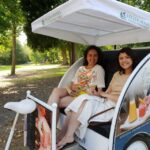
I love the way guides like Barbara explain what you’re seeing, from Donald Judd to Jorge Pado, in plain language. I also like the rickshaw format: in 90 minutes you can hit multiple sculpture locations without wearing out your feet.
The only drawback is that 90 minutes goes fast. It’s built for smart orientation and real context, not for lingering as long as you might want with every artwork.
In This Review
- Key highlights at a glance
- Münster Sculpture Projects on wheels: why this tour feels different
- Price and what you get for $58 in 90 minutes
- Where you start at Old City Hall and how the first minutes work
- Riding a rickshaw through parks, streets, and courtyards
- Spotting the big names in real public space (Judd, Oldenburg, Trockel)
- Stops built around Münster’s Sculpture Projects (and why they last)
- Learning with a live German or English guide (and why the human touch matters)
- The rickshaw experience: comfort, timing, and seeing more without rushing
- Who should book this Münster guided sculpture rickshaw tour
- Quick practical tips before you go
- Should you book this tour or not?
- FAQ
- How long is the Münster private guided sculptures tour?
- Where do I meet the guide?
- Is this tour private?
- What languages are available for the live guide?
- What’s included in the price?
- Which artists’ sculptures can I expect to see?
- What are the Münster Sculpture Projects, according to the tour?
- Is the tour mostly outdoors?
- What should I bring?
- What is the cancellation window?
Key highlights at a glance
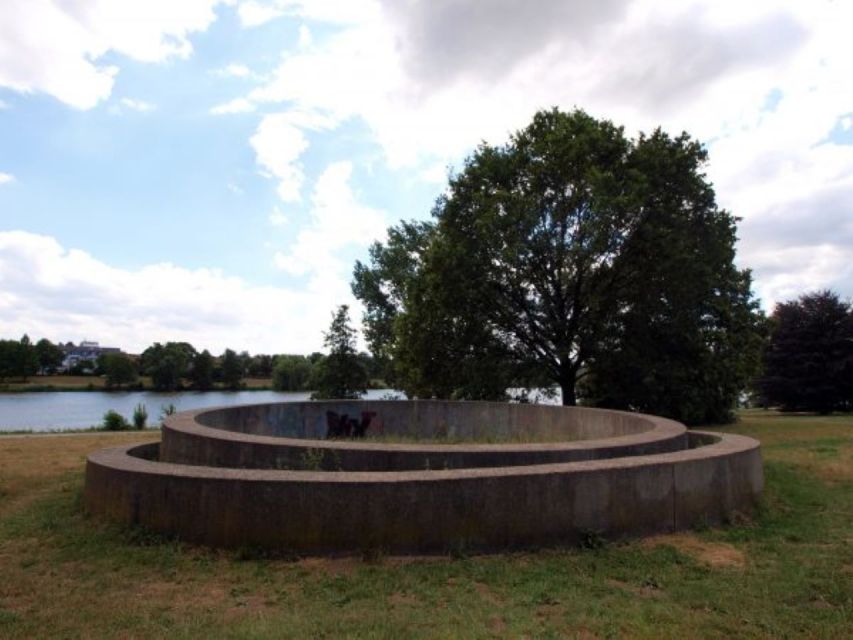
- Old City Hall kickoff: start with the city’s story before you hop into the rickshaw.
- Münster Sculpture Projects every 10 years since 1977: you’ll learn why the works stay put.
- A big roster of outdoor art names: Judd, Oldenburg, Trockel, Rosler, and more.
- German and English guiding: you can get the explanation in the language you’re comfortable with.
- Private group pacing: you set the tempo, and you’re not squeezed into a crowd.
Münster Sculpture Projects on wheels: why this tour feels different
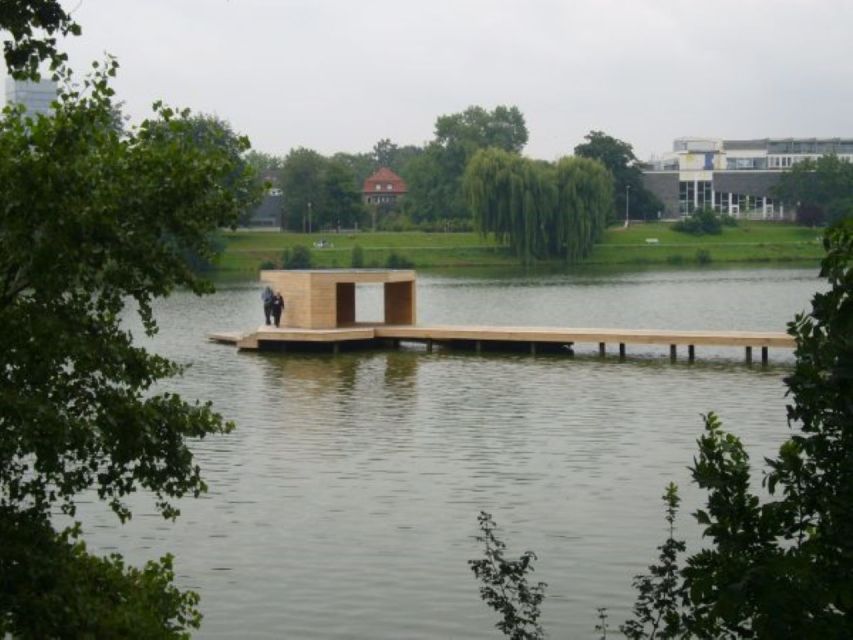
This isn’t a museum tour where everything is behind glass and behind a timetable. It’s Münster’s outdoor art, in real weather, real streets, real angles. And that matters, because public sculpture is meant to be met while you’re walking past it, hearing traffic, catching light, and noticing how scale changes on a corner.
The rickshaw turns the whole thing into a moving conversation. You don’t just look; you get context while you travel between stops. I like that you can focus on what the guide points out without spending the whole time working up a sweat. If you only have a short window in Münster, this is a practical way to get your bearings fast.
Price and what you get for $58 in 90 minutes
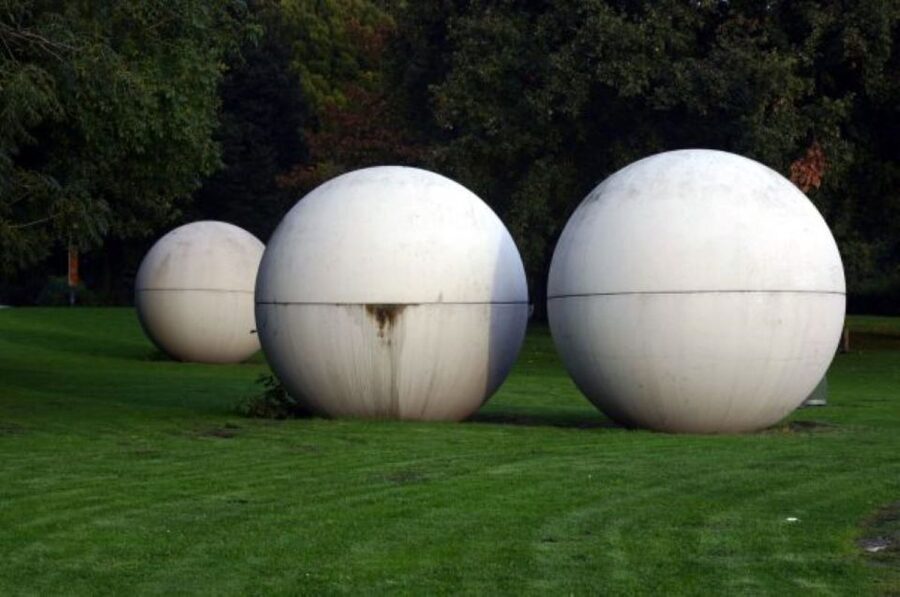
At $58 per person for a 90-minute private tour, you’re paying for two things: a guide and a rickshaw ride. Both cost real money—especially the rickshaw—so the value comes from the format.
Here’s how I judge the value in my head: you’re not paying just for transportation. You’re paying to learn the story of the Münster Sculpture Projects, which happen every 10 years starting in 1977, and to understand why the artworks remain in the city afterward. That’s the difference between a quick sighting and a meaningful understanding.
If you’re a couple or a small group, the private setup can feel especially worth it. You’re not sharing your questions with a large schedule-driven group, and you can ask the guide to explain what you’re looking at right there in front of you.
Where you start at Old City Hall and how the first minutes work
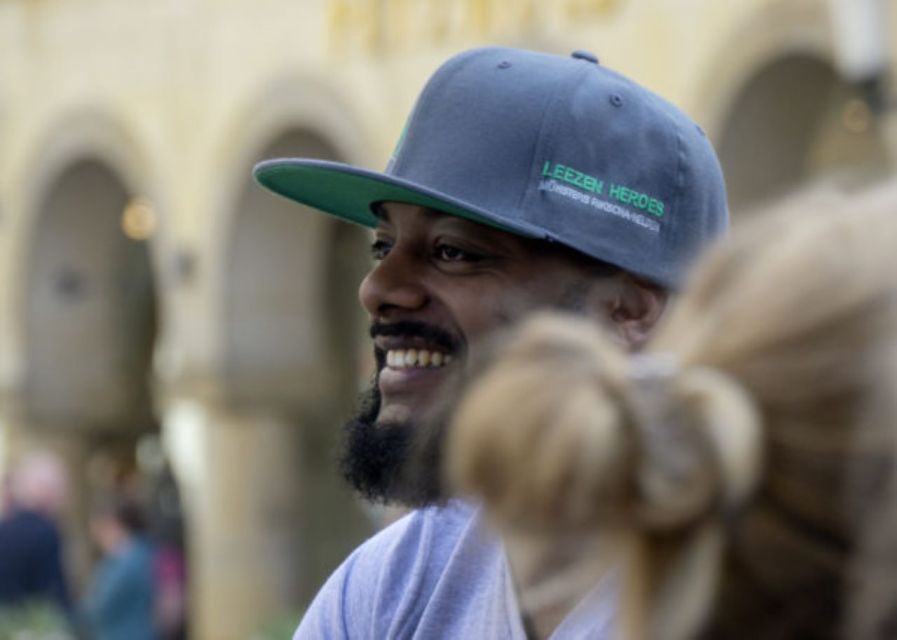
Your meeting point is simple: stand in front of the City Hall, and look for your guide standing next to the rickshaw. From there, the experience is paced for a smooth start—get a historical primer first, then ride.
Why start at the Old City Hall? Because Münster’s sculpture story isn’t just about art for art’s sake. The tour’s framing helps you connect the public artworks to the city’s development and civic mindset. By the time you reach your first outdoors stops, you’re not only recognizing famous names; you’re understanding why the city made this kind of long-term commitment.
Riding a rickshaw through parks, streets, and courtyards
Most of the sightseeing happens outdoors across parks, streets, and courtyards. That sounds obvious, but it’s exactly where the tour earns its keep. Public sculpture can be spread out, and a rickshaw reduces the friction of moving between locations.
What you gain:
- You can cover more ground in a short time.
- You can see the works from a few different angles without constantly backtracking.
- You keep the focus on the art and the explanation rather than on logistics.
What you give up:
- If you love very long, slow photo sessions, you may feel a bit rushed. The guide is steering the timing so you can reach multiple stops in the 90 minutes.
I’d pack this tour like a “first-pass” experience. Treat it as the moment you learn what Münster’s sculpture scene is about, then return later on your own to spend extra time where your favorites actually land.
Spotting the big names in real public space (Judd, Oldenburg, Trockel)
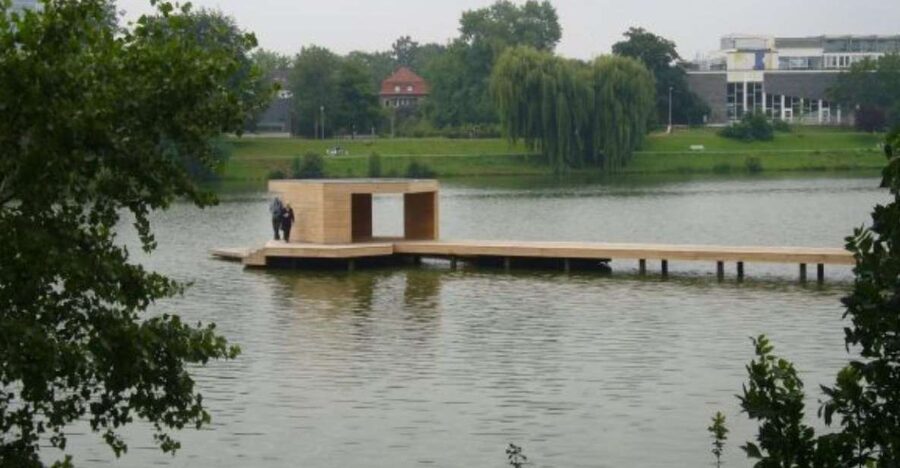
One of the best parts is the mix of artist styles and approaches. You’ll see works by artists including Donald Judd, Jorge Pado, Rosemarie Trockel, and Claes Oldenburg, plus others such as Bruce Naumann, Martha Rosler, Per Kirkeby, Ilya Kabakov, Thomas Schütte, and Daniel Buren.
Here’s how I recommend you look as you ride:
- When you see a work by Donald Judd, pay attention to how geometric forms interact with the surroundings—how it reads in daylight versus shadow.
- With Claes Oldenburg, watch for playful scale and everyday references. Outdoor settings make that humor feel more immediate.
- For Rosemarie Trockel, look for conceptual cues—what feels intentionally ordinary, what feels like a visual question.
- If you encounter Jorge Pado, think about the way the artwork sits in space: what changes when you view it from different distances.
You don’t need to be an art expert. The guide’s job is to help your eyes connect the artist’s intent to what you’re standing in front of. And you’ll get exactly that kind of contextual pointing out across the ride.
Stops built around Münster’s Sculpture Projects (and why they last)
The backbone of the tour is the Münster Sculpture Projects, a recurring public art program that takes place every 10 years and began in 1977. The key detail you’ll learn is that sculptures from each project have remained in the city.
That long-term approach is the real story. Many art events are temporary: you see them, then they disappear. Here, the city keeps the works. So as the years pass, Münster becomes a kind of outdoor conversation between eras of public art.
This tour helps you notice that ongoing thread. The guide explains how the projects shaped the city’s identity and why these particular works were installed where they are. Even if you only catch a handful of sculptures during your ride, you’ll leave with the framework to understand why they feel like part of Münster rather than something dropped in for show.
Learning with a live German or English guide (and why the human touch matters)
This is a live guided experience with German and English options. The tone matters here, because outdoor sculpture can be intimidating if you don’t know what to ask yourself while you’re looking.
In past rides, guides such as Barbara and Beate have been especially praised for friendliness and background knowledge—plus the ability to explain historical context for specific works. That combination is gold. It means you get both the art view and the city view, so you can interpret what you see without feeling lost.
If your German is limited, you’re still in good shape: the guide supports English. And because it’s private, you can slow down for the details you care about most.
The rickshaw experience: comfort, timing, and seeing more without rushing
A rickshaw isn’t just transportation here. It’s part of the pacing system.
The practical benefits are obvious:
- You move between stops efficiently.
- You spend less energy than you would walking a route with many dispersed artworks.
- You can keep your attention on the guide’s explanation.
There’s also a subtle benefit: the ride gives you a sense of the city layout. Even without a detailed map, you start to understand how the artworks fit into Münster’s flow—how public space works there, and how visitors and locals share the same corners.
Just remember the timing reality. The tour is 90 minutes total, so you’ll cover multiple locations, not every sculpture in town. That’s not a problem—it’s the whole point. You’re getting a guided sampler with meaning.
Who should book this Münster guided sculpture rickshaw tour
I think this tour is a strong fit if:
- You want a short, high-information introduction to Münster’s outdoor sculpture scene.
- You prefer guided explanations rather than wandering and guessing.
- You care about context: why these artists were placed in public space, and how the sculpture projects continued over decades.
- You’d rather spend your energy learning than walking.
It’s also a good match for families with kids, since the guide’s explanations can keep things lively and the rickshaw makes it easier to manage attention and energy. If you’re traveling with someone who likes art but doesn’t love museum crowds, a private outdoor ride can be a great compromise.
Quick practical tips before you go
- Wear weather-appropriate clothing since a big chunk is outdoors.
- Plan for a brisk pace. Ninety minutes is enough to understand the program and see a selection, but not enough for leisurely lingering.
- Bring curiosity. You don’t need art jargon; you do need questions like What am I supposed to notice here? or Why does it belong here?
Should you book this tour or not?
Yes, if you’re in Münster for a limited time and you want the fastest path to understanding the city’s public sculpture identity. This is especially worth it if you like the idea of seeing big names—Donald Judd, Claes Oldenburg, Rosemarie Trockel, Martha Rosler, Daniel Buren—and not only reading about them later.
Skip it only if you’re looking for a full museum-style experience with long dwell times at one site. This tour is designed for motion, context, and a strong first impression—then it gives you a sense of where to go next on your own.
If you book, go in with the mindset of a tour that sets the map in your head. Münster’s outdoor art rewards attention, and this rickshaw ride gives you the right tools to see it with confidence.
FAQ
How long is the Münster private guided sculptures tour?
The tour duration is 90 minutes.
Where do I meet the guide?
Meet your guide in front of the City Hall. Your guide will be standing next to the rickshaw.
Is this tour private?
Yes, it’s listed as a private group experience.
What languages are available for the live guide?
The live tour guide is available in German and English.
What’s included in the price?
The tour includes the rickshaw tour and a guide.
Which artists’ sculptures can I expect to see?
You can expect to see public works by Donald Judd, Jorge Pado, Claes Oldenburg, Rosemarie Trockel, Martha Rosler, and others including Bruce Naumann, Per Kirkeby, Ilya Kabakov, Thomas Schütte, and Daniel Buren.
What are the Münster Sculpture Projects, according to the tour?
They happen every 10 years, starting in 1977, and sculptures from each project remain in the city.
Is the tour mostly outdoors?
Yes. You ride through parks, streets, and courtyards to see the sculptures.
What should I bring?
Bring weather-appropriate clothing.
What is the cancellation window?
You can cancel up to 24 hours in advance for a full refund.