REVIEW · SIEM REAP
Private Tour in Angkor Wat by Tuk Tuk
Book on Viator →Operated by Sok Saroom’s TukTuk Adventures: Explore Siem Reap in Style and Comfort · Bookable on Viator
Sunrise at Angkor Wat feels unreal fast, and this private tuk-tuk tour is built for that moment. You’ll ride in comfort with a big cooler, bottled water included, and an English-speaking guide who helps you move with purpose. I especially like the private setup, and I also love that the driver-guide team includes Sok Saroom and a local touch, with solid recommendations and good timing.
One consideration: the $45 price is for the tour, but Angkor Archaeological Park entrance fees are extra, and they vary depending on the day count of your pass.
You’ll spend roughly 5 to 10 hours covering five major Angkor stops, starting from early morning (the service runs from 5:30 AM). It’s a practical way to see the big highlights without turning your day into a logistics puzzle.
Key highlights to know
- Private tuk-tuk with pickup options: only your group, so you’re not trapped in a slow group pace
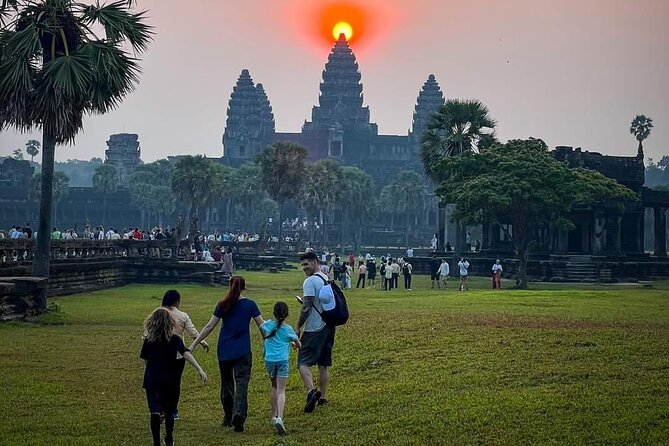
- Sunrise start window: Angkor Wat early timing helps you get in before the day fully ramps up
- Cooler + drink and snack planning: ask in advance for beer, soft drinks, and snacks, and bring your own vibe
- English-speaking guide and driver: Sok-style service with friendly, punctual guidance
- Five temples with smart time blocks: Angkor Wat gets the longest visit, then a clear route through Bayon, Ta Keo, Ta Prohm, and Banteay Kdei
- Mobile ticket: you’ll receive a ticket on your phone for easier day-of handling
In This Review
- Why This Private TukTuk Sunrise Plan Feels Worth It
- Pickup, Water, and the Cooler That Changes the Mood
- Angkor Wat First: How to Use Those Three Hours Well
- Bayon Temple: Where the Story Shifts Toward Buddhism
- Ta Keo: The Sandstone Turning Point
- Ta Prohm and Banteay Kdei: Two Ways to See Angkor’s Texture
- Price and Logistics: What $45 Really Buys You
- How the Day Flows: A Simple Expectations Check
- Who Should Book This Private TukTuk Tour
- Should You Book It: My Practical Call
- FAQ
- What time does this tour run?
- Is pickup available?
- Is the Angkor Archaeological Park entrance fee included?
- How long is the tour?
- Is the tour private?
- Are bottled water and transportation included?
- Is there a mobile ticket?
- What is the cancellation policy?
- FAQ
- Is food included on the tour?
- Are there restrooms or nearby transport access?
- Can service animals join the tour?
- Is the guide English speaking?
Why This Private TukTuk Sunrise Plan Feels Worth It
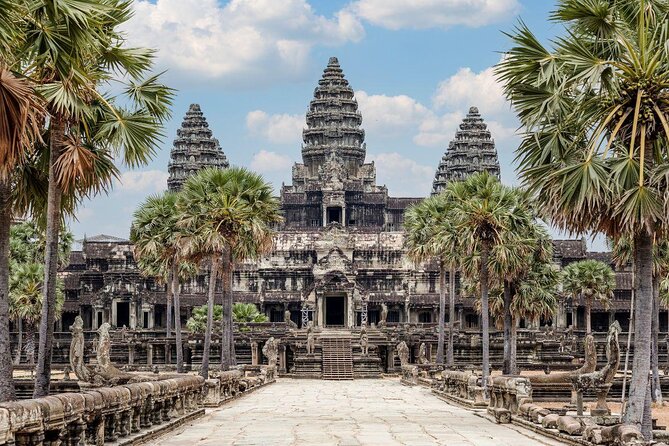
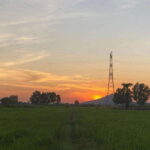
Angkor Wat is the headline, but the real win is how early you get moving. This tour runs on a tight, temple-focused schedule that starts in the early morning hours (service is listed from 5:30 AM). That matters because Angkor is not just a place you see. It’s a place you experience, and the light at sunrise changes how the stone looks and how the crowds feel.
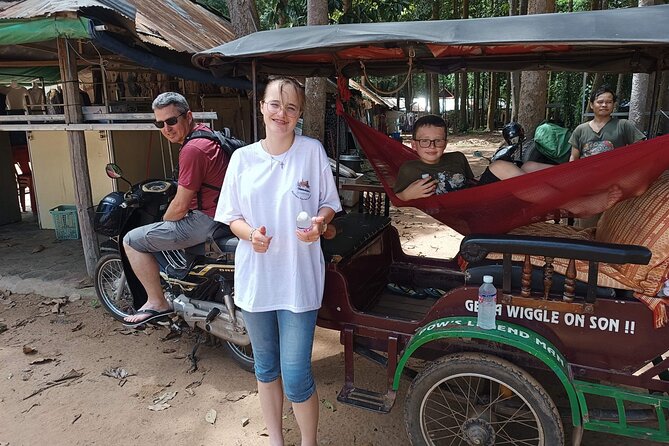
I also like that this is private transport, not a shared shuttle or a random ride that forces you into other peoples’ timing. Your tuk-tuk day can breathe. If you’re someone who likes to pause for photos, step away to catch your bearings, and then keep going, the privacy helps you do that without holding everyone up.
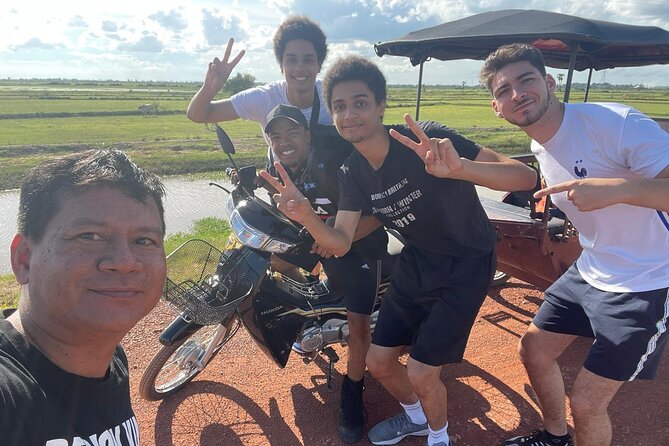
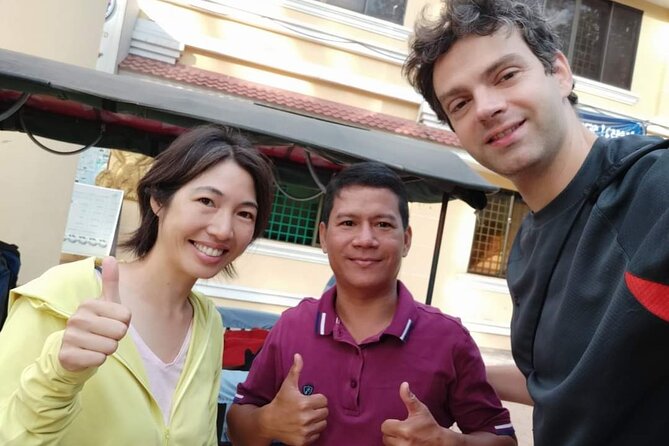
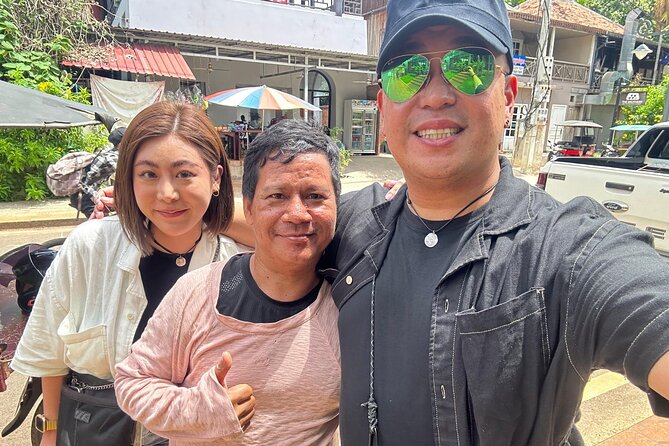
The other value is the human factor. One standout in the experience you’re likely to get is Sok’s style: friendly, punctual, and ready with good suggestions about what to focus on during the time you have. At Angkor, time is the currency, and a guide who helps you choose smart priorities can make your day feel longer than it is.
Pickup, Water, and the Cooler That Changes the Mood
Let’s talk comfort, because Angkor days can get hot fast and you’ll be walking in sun and shade cycles. This tour includes bottled water, which sounds basic until you’re already out there and you realize how much you’ll use it.
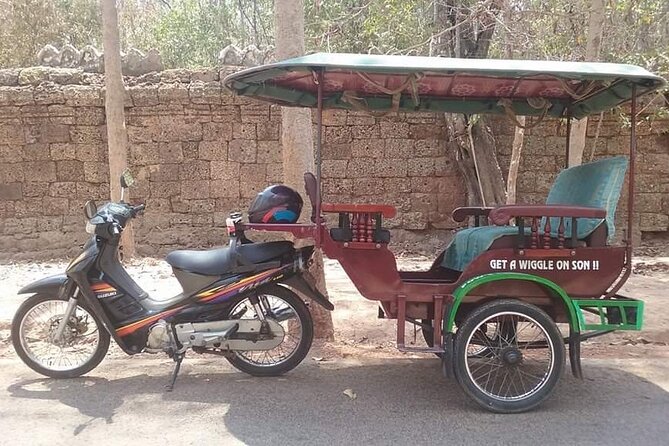
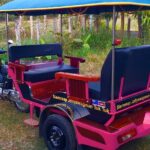
Then there’s the tuk-tuk itself. It’s described as private transport with a large cooler. You can request a customized stock of beers, soft drinks, and snacks ahead of time. That means your day doesn’t have to revolve around hunting for refreshments between temples. You can treat the in-between time as part of the tour, not a hassle.
Pickup is also offered. If you’re staying in Siem Reap and you want your day to start cleanly, having someone meet you reduces stress. You’ll spend more mental energy on the temples and less on figuring out where you need to be and when.
You can also read our reviews of more tours and experiences in Siem Reap.

Angkor Wat First: How to Use Those Three Hours Well
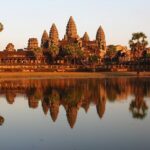
Angkor Wat is the first stop and the longest one on the route, around 3 hours. That’s a good allocation. Angkor Wat isn’t just one view. It’s a whole system of spaces—approaches, courtyards, and angles—where what you see depends on where you stand and the light you’re in.
You’ll explore Angkor Wat as the big centerpiece: it’s described as the largest religious monument in the world, spread across about 400 acres. That scale is hard to grasp until you’re moving through it. With a guide, the goal is usually to get you oriented quickly, then help you pace yourself so you don’t feel like you’re rushing through something that deserves attention.
A practical way to think about your time here:
- Spend the first part getting the layout in your head
- Use the middle part for your main photo points and key viewpoints
- Keep the final stretch for a slower walk so you don’t burn out before you reach the next temples
One important note: individual temple “admission ticket free” is shown for the stops in the plan, but you still need the Angkor Archaeological Park entrance fee. So you’ll want your park pass handled for the day you plan to visit.
Bayon Temple: Where the Story Shifts Toward Buddhism

After Angkor Wat, you’ll head to Bayon Temple for about 2 hours. Bayon is described as the symbol of religious evolution and a chronicler of medieval Cambodian life. It’s also identified as the Angkor Empire’s singular Buddhist temple.
That framing matters. If you only see Bayon as a photo spot, you miss why it’s important. Bayon helps you understand that Angkor isn’t one belief system frozen in time. It’s layers: changes in faith, changes in art, changes in how power expressed itself through buildings.
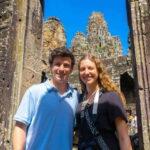
The time window is short but workable: two hours is enough to walk the main areas, see how the architecture concentrates attention, and absorb the way Bayon reflects that shift. If you’re the kind of traveler who likes context, ask your guide to point out the connections between this temple and what you saw at Angkor Wat.
Ta Keo: The Sandstone Turning Point
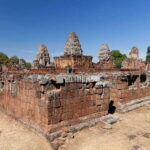
Next comes Ta Keo for around 2 hours. Ta Keo is described as a turning point in Khmer architectural history and specifically noted as the first temple constructed entirely of sandstone.
This is the kind of stop where I think a good guide pays off. When a site is known for an architectural first, you want help noticing the details that make that claim real. Two hours is a comfortable length because it lets you look, then look again with more attention.
Ta Keo is a strong follow-up after Bayon because it changes the feel. Instead of focusing on religious evolution and spiritual symbolism, you’re looking at craft and materials. Sandstone construction helps explain how builders advanced and what they prioritized in different phases.
If you feel temple fatigue during the day, Ta Keo can still keep you engaged because it invites you to think about engineering, not just scenery. It’s a useful break from the heaviest devotional sites on the route.
Ta Prohm and Banteay Kdei: Two Ways to See Angkor’s Texture
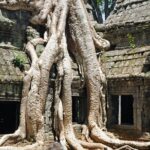
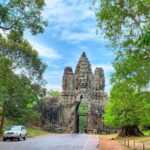
Your itinerary continues to Ta Prohm Temple for about 2 hours. Ta Prohm is described as being constructed in 1186, originally designated Rajavihara, or the Monastery of the King. It was devoted to Jayavarman VII’s mother, which gives you a clear historical anchor for why this place existed in the first place.
Ta Prohm is also presented as especially memorable for its unique charm. Since your tour time is set, this is where I’d use your guide’s guidance to focus on what looks different compared to the earlier stops. Even without turning it into a full-on archaeology lecture, the names and time periods help your brain connect the dots.
Then you finish with Banteay Kdei for about 1 hour. It’s described as a top example of Angkorian artistry, built from pinkish-hued stone, and home to some of the finest stone carvings on the planet. It also started in 967, which adds another time layer to your day.
One hour for Banteay Kdei can feel short, so you’ll want to be intentional. I’d treat it like a finishing course: arrive ready to slow down for the carvings, take your time reading shapes and details, and don’t spread your attention too thin. If you spend all your energy sprinting across the site, the stone work is what you’ll miss.

Price and Logistics: What $45 Really Buys You
The headline price is $45, and duration is listed as about 5 to 10 hours. That range is normal for Angkor tours because timing depends on how you pace, traffic, and the day’s heat level.
Included in the tour price are:
- bottled water
- private transportation
- local tax
- an experienced English-speaking driver and guide
- pickup offered
- mobile ticket
Not included:
- Angkor Archaeological Park entrance fee (listed as US$11 to US$37 for a 1-day pass, depending on overall stay)
- food and beverages
So your real decision is value math. If you’re traveling with one or two people, private tuk-tuk time can be efficient because you’re not paying for a shared vehicle with a fixed schedule. You’re also getting direct help navigating five major sites in one day: Angkor Wat, Bayon, Ta Keo, Ta Prohm, and Banteay Kdei.
If you’re the type who already has a plan for buying food and doesn’t care about having a cooler onboard, you may feel the added comfort is less important. But if you want your day to feel smoother, the included water and optional pre-stocked cooler can offset the mental load of finding refreshments.
How the Day Flows: A Simple Expectations Check
Here’s what the day tends to feel like, based on the stop times:
- Angkor Wat (about 3 hours): your main focus and the biggest “wow” moment
- Bayon (about 2 hours): a shift in religious story and a strong architectural identity
- Ta Keo (about 2 hours): a material and design milestone
- Ta Prohm (about 2 hours): a named monastery linked to Jayavarman VII’s mother
- Banteay Kdei (about 1 hour): a carvings-heavy finish
This is a packed route. You won’t get the slow, wandering pace of a multi-day temple stay. Instead, you get a well-shaped arc: start big, shift context, then build to details and finish on stone work.
That makes this tour a strong fit for first-time Angkor visitors or anyone with limited time in Siem Reap. If you already know Angkor well and you want extra time at one temple beyond the route, you may want to plan a separate repeat day.
Who Should Book This Private TukTuk Tour
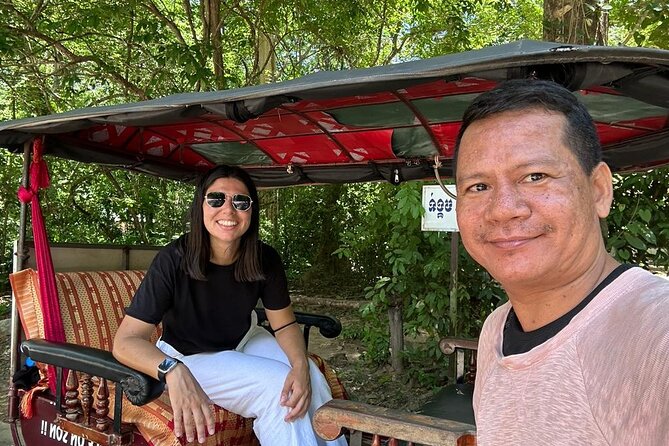
This is a smart choice if you want:
- private transport in a tuk-tuk style
- early sunrise timing
- English-speaking guidance and recommendations
- a clear, pre-set route covering five key temples
- comfort features like bottled water and an onboard cooler option
It’s especially good for couples and small groups who value convenience. The private setup means you’re not rushing because someone else in a larger group needs to move on.
It also fits travelers who like structure. With a schedule that assigns time blocks to each stop, you’re less likely to spend your day unsure of what to prioritize.
If you’re traveling solo and you’re comfortable paying for privacy instead of sharing, you’ll likely appreciate the freedom too. It’s not listed as a shared experience, and it’s described as private with only your group participating.
Should You Book It: My Practical Call
Book it if you want a clean Angkor plan that starts early, gets you to the major sites, and keeps your comfort level higher than the average DIY day. The guide-style value is real here, especially with Sok’s reputation for being friendly and punctual and for suggesting what to see and what to visit.
Skip or rethink if you’re trying to minimize cost and you already have a transportation plan for yourself. The entrance fee is a variable add-on, and food isn’t included. Also, if you hate structured routes, this one might feel a bit busy because the day moves temple to temple on purpose.
If you’re unsure, I’d base your decision on your travel style: do you want fewer moving parts and a route you can trust? Then this tour is a strong match.
FAQ
What time does this tour run?
The service runs daily from 5:30 AM to 5:00 PM.
Is pickup available?
Yes, pickup is offered.
Is the Angkor Archaeological Park entrance fee included?
No. The entrance fee is not included, and it’s listed as US$11 to US$37 for a 1-day pass depending on overall stay.
How long is the tour?
The duration is listed as approximately 5 to 10 hours.
Is the tour private?
Yes. It’s a private tour/activity, and only your group participates.
Are bottled water and transportation included?
Yes. Bottled water and private transportation are included.
Is there a mobile ticket?
Yes, a mobile ticket is included.
What is the cancellation policy?
Free cancellation is available up to 24 hours in advance for a full refund.
FAQ
Is food included on the tour?
Food and beverages are not included.
Are there restrooms or nearby transport access?
The tour notes it is near public transportation, but no restroom details are provided in the tour information.
Can service animals join the tour?
Yes, service animals are allowed.
Is the guide English speaking?
Yes, an experienced English-speaking driver and guide is included.