REVIEW · PHILIPPINES
Manila Tuktuk and Jeepney Ride Guided Tour
Book on GetYourGuide →Operated by V.S Tour Services · Bookable on GetYourGuide
Jeepneys and tuktuks make Manila feel close. This 2-hour street tour is built around local transport and fast, real-world city moments, from old downtown Manila to the oldest Chinatown lanes and major markets. You’ll get a guide who helps you read the city instead of just passing it.
I especially like the mix of vehicles—tuktuk, jeepney, and tricycle—because it keeps the ride fun and gives you different angles on everyday life. And with guides such as Floyd (friendly and funny) and Veronica (warm, organized, culture-minded), the vibe stays personal even when the streets get chaotic.
One thing to consider: the route can include poorer neighborhood scenes, so if you’re sensitive to what you might see on the edges of a city, go with the right expectations.
In This Review
- Key Things I’d Watch For On This Ride
- Price and time: why $65 can feel fair for a 2-hour street hit
- Meeting at Tutuban Center Mall near Bonifacio Monument
- Getting around the old way: tuktuk, jeepney, and tricycle
- Old Manila downtown streets: where the city still shows its age
- Oldest Chinatown: walking lanes, market energy, and street-scale culture
- Divisoria and the Tutuban area: why the biggest markets matter
- When the route gets real: seeing slum areas with the right mindset
- Guides make the difference: Floyd, Veronica, and a small-group vibe
- Food, local culture, and what you should budget for
- Who this tour suits best (and who should skip it)
- Should you book this Manila Tuktuk and Jeepney Ride Tour?
- FAQ
- How long is the Manila Tuktuk and Jeepney Ride Guided Tour?
- What transportation is included?
- Where do we meet for the tour?
- Is the guide available in English?
- What is the price per person?
- Is there free cancellation?
- Can I reserve and pay later?
- Who is the tour not suitable for?
- What kind of places does the tour cover?
Key Things I’d Watch For On This Ride
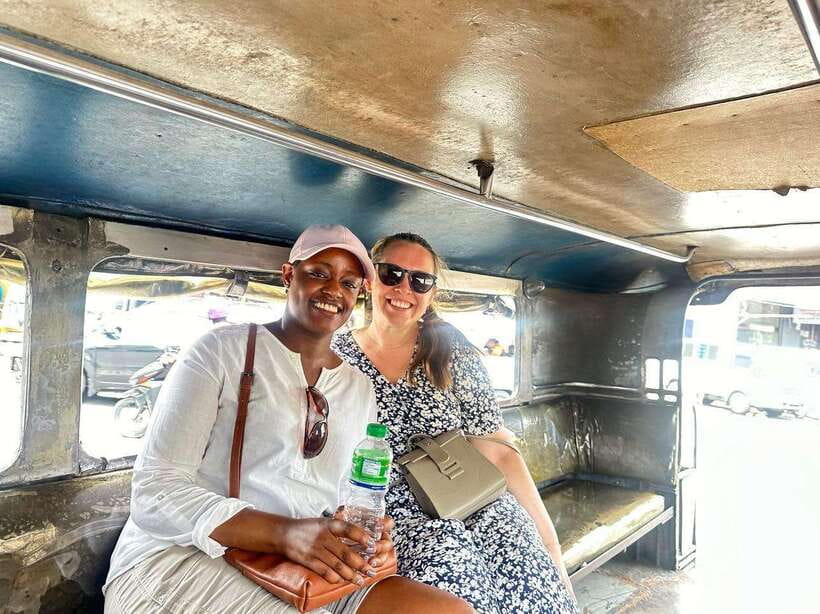
- Three styles of local transport in one go: You’re not stuck with one vehicle type the whole time.
- Old Manila and the oldest Chinatown area: Expect atmosphere, not polished, tourist-only streets.
- Market-focused route: Divisoria and the Tutuban area help explain how people buy, sell, and trade.
- A guide who actively talks, not just follows: Floyd has a reputation for being both informative and funny.
- Small-group feel: It helps questions, pacing, and comfort on busy roads.
- Some tougher city views: Plan mentally for moments that aren’t postcard-perfect.
Price and time: why $65 can feel fair for a 2-hour street hit
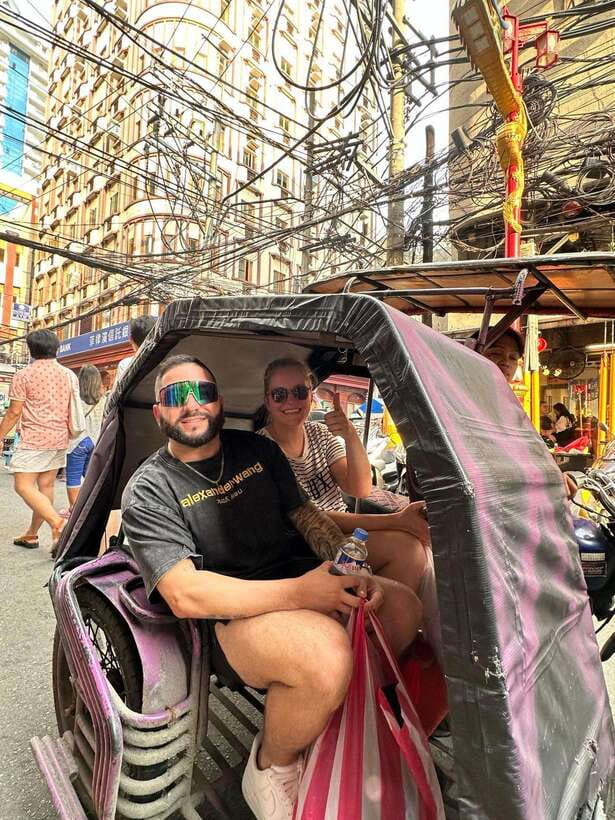
At $65 per person for a 2-hour guided ride, you’re paying for three things: a live English guide, local transport (jeepney, tricycle, tuktuk), and the fact that someone else handles the “how do we do this without wasting time?” part.
This isn’t a slow crawl through one museum. It’s a street sampler designed for first-timers and busy schedules. If you want a short, high-energy taste of Manila’s street layout and local rhythms, the price starts to make sense. If you prefer long stops and deep dives into one neighborhood, you might feel rushed.
My practical advice: treat it like the opening chapter. After this, you’ll know which areas you actually want to return to on your own.
You can also read our reviews of more tours and experiences in Philippines.

Meeting at Tutuban Center Mall near Bonifacio Monument
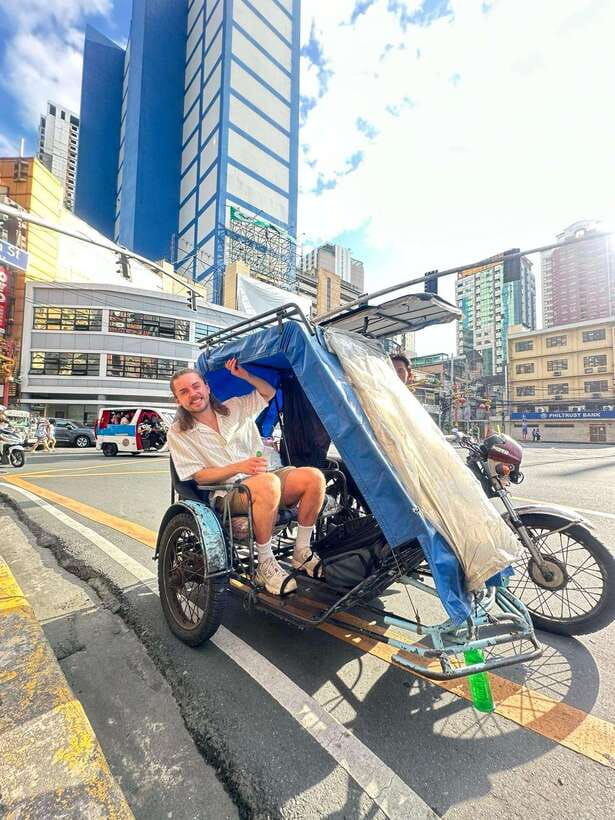
Your starting point is simple: Tutuban Center Mall by Bonifacio Monument. The instruction is to ask security where the tour group meets, which is helpful if you arrive a little later or you’re not sure where the main entrance points are.
This location is smart for a quick tour. You’re starting in an area tied to transport and foot traffic, so moving between neighborhoods by jeepney and tricycle feels natural rather than like a long taxi detour.
Tip: arrive a few minutes early. Manila street schedules can change quickly, and a 2-hour tour leaves little room for a late start.
Getting around the old way: tuktuk, jeepney, and tricycle
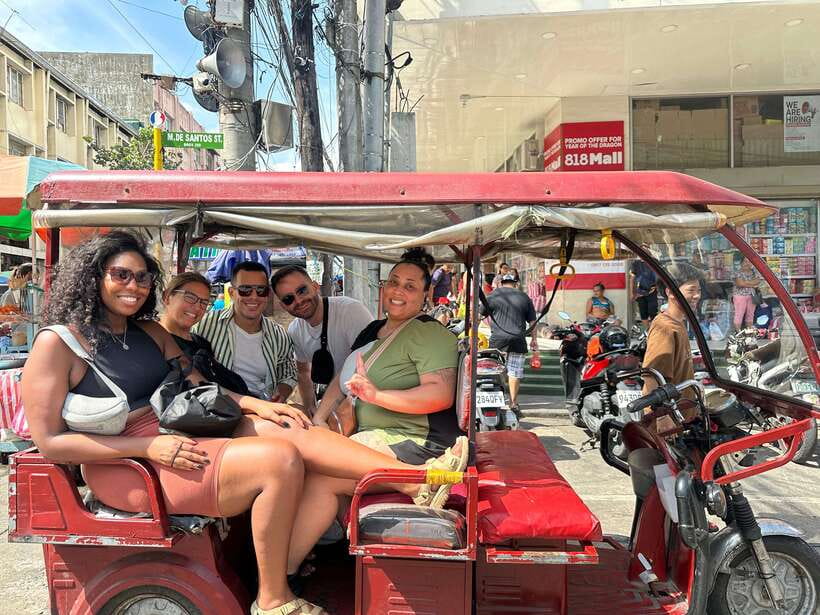
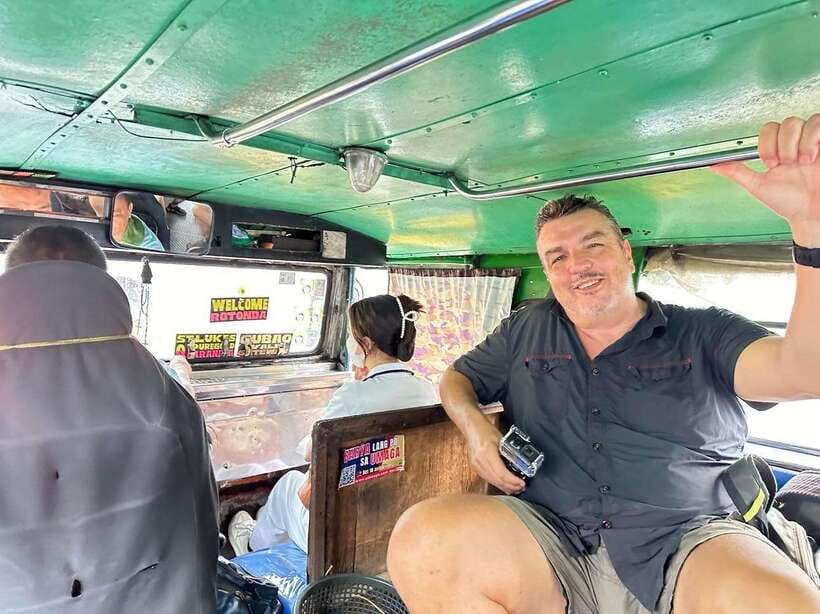
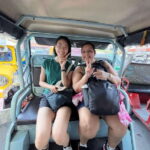
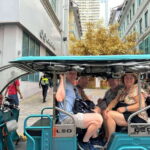
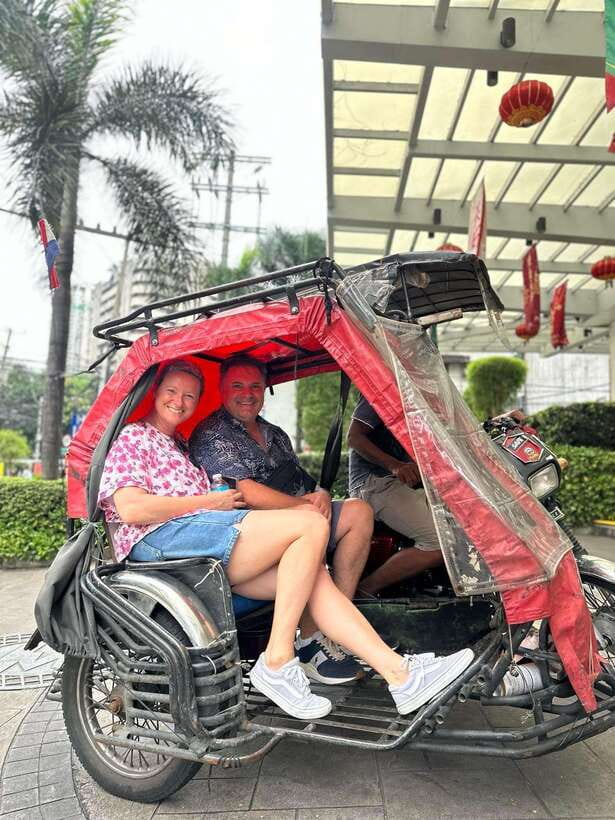
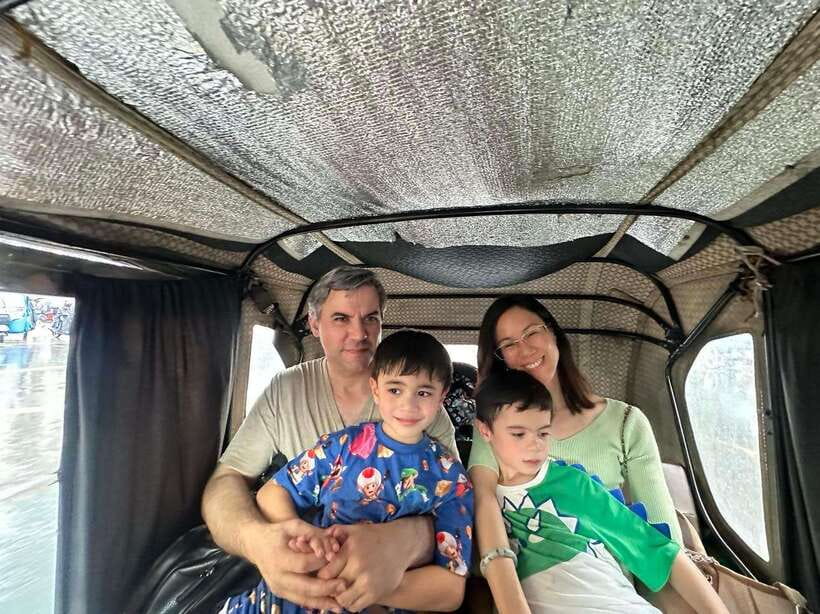
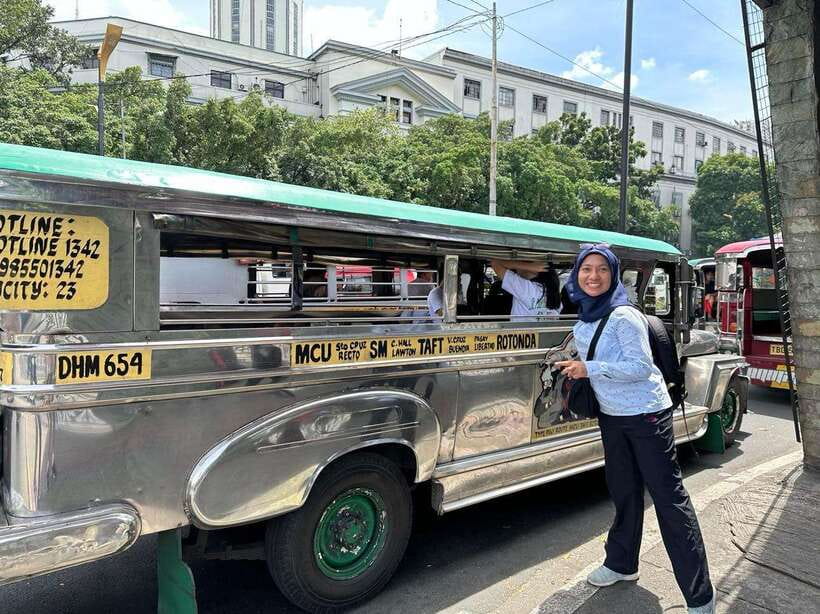
The core fun here is riding like locals. You’ll experience tuktuk, jeepney, and tricycle rather than using only one vehicle. That matters because each one changes the way you perceive the street:
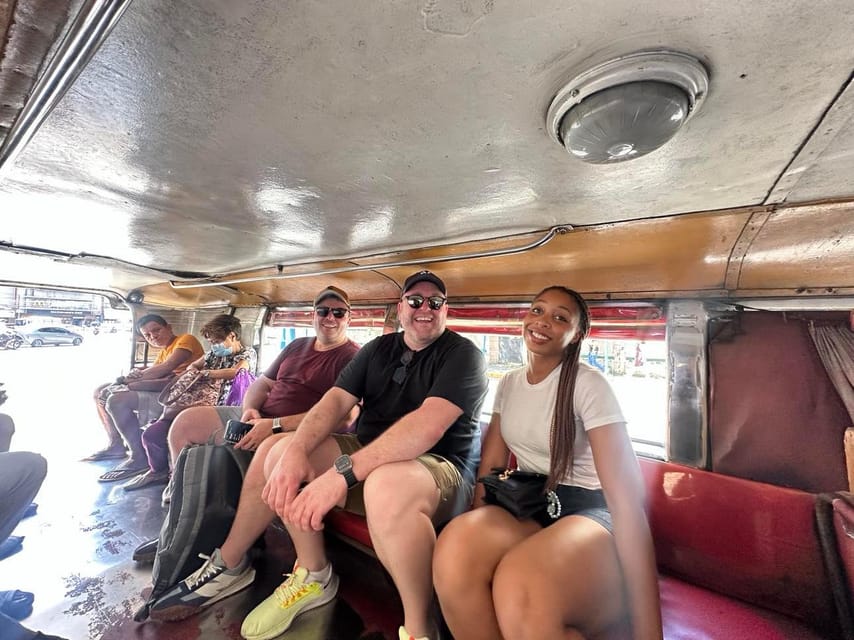
- A jeepney ride tends to feel like you’re part of the flow, with lots of visual motion and frequent roadside life.
- A tricycle gives you that compact, close-to-the-ground view—useful when roads tighten or traffic slows.
- A tuktuk adds an element of punchy speed and quick street transitions, which is great for grabbing multiple neighborhoods in a short time.
Also, since you’ve got a guide, you’re not stuck trying to figure out routes or where you’re supposed to cross. You can focus on what you’re seeing and ask questions as you go.
If you get motion-sick easily, keep that in mind. This is city driving with stop-and-go traffic.
Old Manila downtown streets: where the city still shows its age
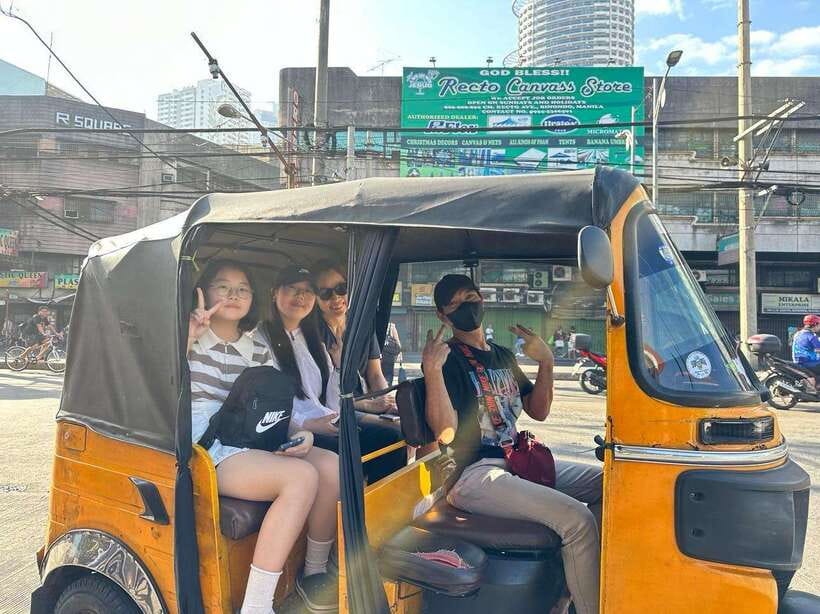
Old Manila downtown is one of the tour’s big targets, and it’s a good one. This is where you’ll get a sense of the city’s street-level identity—how buildings sit next to one another, how people move along sidewalks, and what daily routines look like outside of major tourist bubbles.
Why I like this segment: it helps you understand Manila as a living place, not just a list of sights. Even when streets are busy, a guide can point out what’s going on around you—signs, storefront patterns, and how the neighborhood functions.
Potential drawback: you may notice that some areas feel rough around the edges. That’s part of the realism here. If you expect everything to look clean and polished, you’ll probably be disappointed.
Go with curiosity and respect, and you’ll learn more than you’d expect from a short stop.
Oldest Chinatown: walking lanes, market energy, and street-scale culture
The tour includes the oldest Chinatown area, and that’s where the atmosphere changes quickly. Chinatown districts often show a mix of everyday life and commerce, and here you’ll see how local culture and business interlock on street scale.
This part of the day is valuable because it’s not just about architecture. You’re seeing how people socialize, shop, and live. Markets and side streets tend to reveal small details you’d never notice from a distance.
One practical note: Chinatown areas can be crowded. Wear shoes you trust, keep your phone secured, and stay close to your group when the street gets narrow.
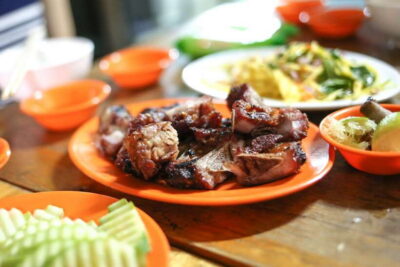
And if you’re hoping for food, this is the most likely area on the route where you’ll run into snacks and local treats. The experience is designed around seeing everyday culture, and food is usually part of that story.

Divisoria and the Tutuban area: why the biggest markets matter
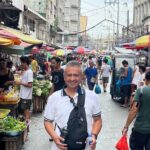
Divisoria is included as a key stop, plus time around the Tutuban area. If you want to understand how Manila works for real people, markets are where you get the answer.
Divisoria’s appeal in a guided format is timing. Without a guide, you might wander but miss the meaning of what you’re seeing. With a guide, you can connect what you’re noticing to how people buy, sell, and move goods through the city.
Here’s what I’d pay attention to:
- How vendors present items and how shoppers browse
- What kind of goods are common (the mix often tells you a lot about local demand)
- How traffic and foot movement shape the shopping experience
Also, markets can be mentally exhausting. If you start feeling overwhelmed, don’t force it. Take a quick pause, regroup with your guide, and focus on the next lane.
When the route gets real: seeing slum areas with the right mindset
One of the most honest comments from previous bookings is that the tour may include slum areas. That’s not a detail you should skip over.
If you join, I’d treat this as a chance to see Manila as it is, including areas where people struggle. You’re not there to judge or stare. You’re there to understand what the city contains and how different living situations exist within the same urban system.
If that kind of scenery might upset you, you can still enjoy parts of the ride, but set your expectations now. A short tour won’t solve anything, and it shouldn’t pretend it can. It’s about recognition and context.
Guides make the difference: Floyd, Veronica, and a small-group vibe
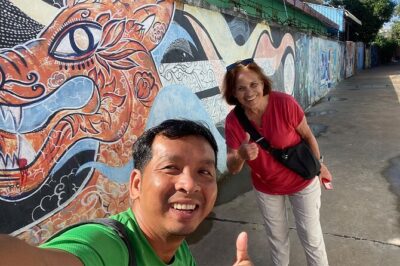
What really lifts this tour is the way the guide interacts with you. Floyd gets standout praise for being both informative and funny, and for communicating clearly. That combination matters because Manila can overwhelm first-time visitors with traffic noise and sudden route changes. A guide who keeps things understandable helps you feel steady.
Another name that shows up in strong feedback is Veronica, praised for being a good host and keeping the local experience safe and comfortable. A tour like this is only as relaxing as the person steering it, and the strong feedback suggests the guides do the work.
Also, the small group feel is a big plus. It makes it easier to ask questions, slow down when needed, and stay together when you hit busier streets.
Food, local culture, and what you should budget for
The tour description points to local food as part of the experience, and the market stops strongly support that. That means you’ll likely have opportunities to pick up snacks or try something simple while you’re out.
Just don’t assume food is always included in the same way every time. Bring some cash or a card you trust for small purchases, especially in busy market zones where you might want to buy water, fruit, or street snacks.
If you’re on a tight schedule, focus on one small bite rather than trying to sample everything. In markets, the line between “cool” and “crowded” can change fast.
Who this tour suits best (and who should skip it)
This is a great fit if you want:
- A short first-time Manila experience
- A fun transportation-focused day where you ride multiple vehicle types
- A guide-led way to see Old Manila, Chinatown, and market areas like Divisoria
- A group setting that still feels friendly and personal
It may not be ideal if you:
- Want a long, slow sightseeing day
- Dislike crowded streets
- Are strongly sensitive to seeing tougher city conditions
Also, it’s noted as not suitable for people over 95 years. If that’s you or someone in your group, you’ll want a different format with less movement and fewer street transitions.
Should you book this Manila Tuktuk and Jeepney Ride Tour?
I think you should book it if you want a practical, street-level Manila introduction in just 2 hours. The combination of tuktuk, jeepney, and tricycle, plus stops tied to Old Manila, oldest Chinatown, Divisoria, and Tutuban, gives you a lot of orientation fast.
Skip it if you need a calm pace, or if you’re not okay with the route including slum areas. In that case, look for something more museum- or landmark-centered.
If you’re on your first day or you’re short on time, this is a strong way to get your bearings. And if you hit the streets afterward, you’ll know what to return to because this tour shows you the city’s real shapes.
FAQ
How long is the Manila Tuktuk and Jeepney Ride Guided Tour?
It lasts 2 hours.
What transportation is included?
You’ll use local transportation including a jeepney, tricycle, and tuktuk.
Where do we meet for the tour?
Meet at Tutuban Center Mall near Bonifacio Monument. Ask security where the tour group is.
Is the guide available in English?
Yes, the live tour guide is English.
What is the price per person?
The price is $65 per person.
Is there free cancellation?
Yes. You can cancel up to 24 hours in advance for a full refund.
Can I reserve and pay later?
Yes. You can reserve now and pay later.
Who is the tour not suitable for?
It is not suitable for people over 95 years old.
What kind of places does the tour cover?
You’ll see Old Manila downtown, the oldest Chinatown, plus market areas such as Divisoria and the Tutuban area. The route may also include slum areas.